Category Archives: Archery Blog

Archer’s Paradox: 6 Essential Facts Explained

Recurve archer at full draw demonstrating the archer's paradox

Quick Answer: The archer’s paradox is the fact that an arrow flies straight to the target even though, at full draw, it points slightly off to the side of the bow. It works because the arrow shaft bends and flexes as the string releases, wrapping around the riser and snapping back onto the intended line […]

Dry Fire a Bow: 6 Costly Risks & How to Avoid Them

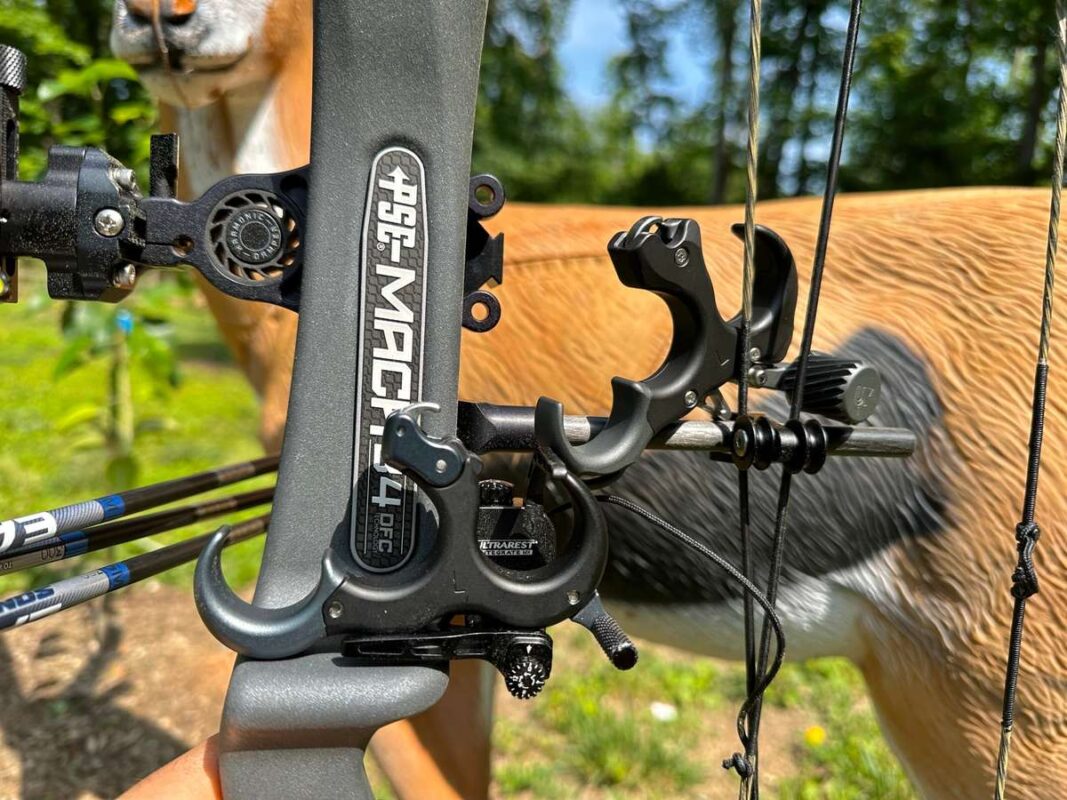
Compound bow release aid attached to a D-loop at full draw

Quick Answer: To dry fire a bow means to draw it back and release the string with no arrow nocked. Without an arrow to absorb the stored energy, that force slams back into the bow itself, and it can crack limbs, twist cams, snap the string, and send shrapnel toward your face. A single dry […]

USA Sweeps Pan Am Team Gold | Archery Weekly Jun 22-28

USA recurve archer at the Pan American Archery Championships in Tlaxcala

Quick Answer: The week of June 22–28, 2026 belonged to the Pan American Archery Championships in Tlaxcala, Mexico, where the United States swept three of four team golds and locked up the first wave of Lima 2027 Pan American Games quota places. Argentina’s Denis Castellanos and 18-year-old American Ava Jones took the barebow titles, India […]

Nocking Points and D-Loops: The String Interface That Governs Accuracy

archery d-loop

Your arrow meets the string at one tiny junction. Here’s how nocking points and D-loops work together to set arrow height, eliminate nock pinch, and keep every shot consistent.

Instinctive Archery: 7 Steps to Aim Without Sights

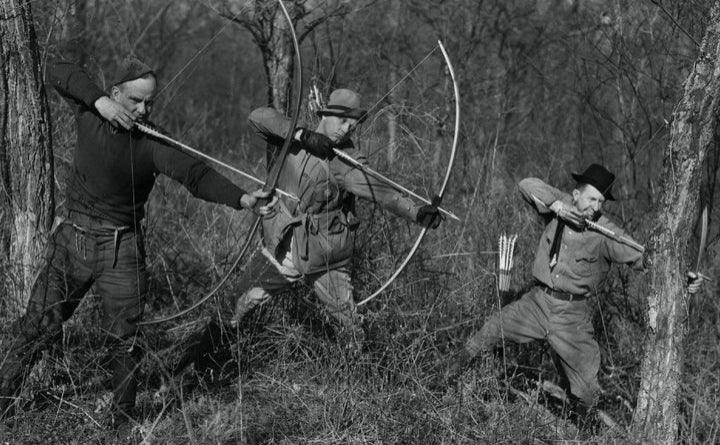
Instinctive archery hunters shooting traditional bows without sights

Learn instinctive archery the right way: how to aim a bow without sights, the 7-step shot sequence, the best bows, and drills that build accuracy fast.

Recurve vs Longbow: 7 Key Differences (2026 Guide)

Archer holding a takedown recurve bow at sunset

Quick Answer: In a recurve vs longbow comparison, the recurve wins on raw speed, accuracy, and portability because its curved limb tips store more energy and break down into a packable takedown. The longbow wins on simplicity, quiet shooting, and a forgiving grip that hides minor form errors. Choose a recurve for versatility and hunting […]

Fletching Types and Sizes: A Guide to Steering Your Arrows

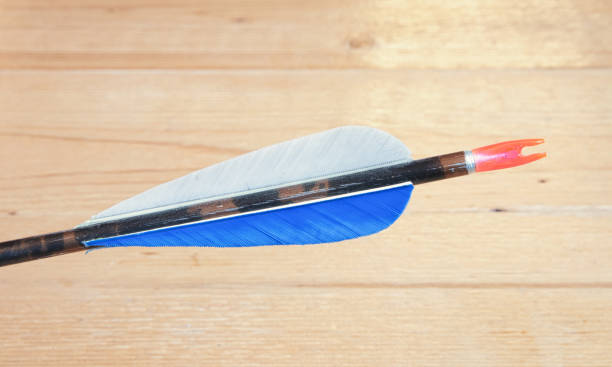
Worn Arrow Fletching and Nock Closeup of an aluminium aarow fletching and nock that has seen obvious use fletching stock pict

Feather or vane? Four inches or two? This guide breaks down fletching types and sizes so you can match the right steering to your arrows, your bow, and your shot.

How Far Can a Compound Bow Shoot? Effective Range Explained

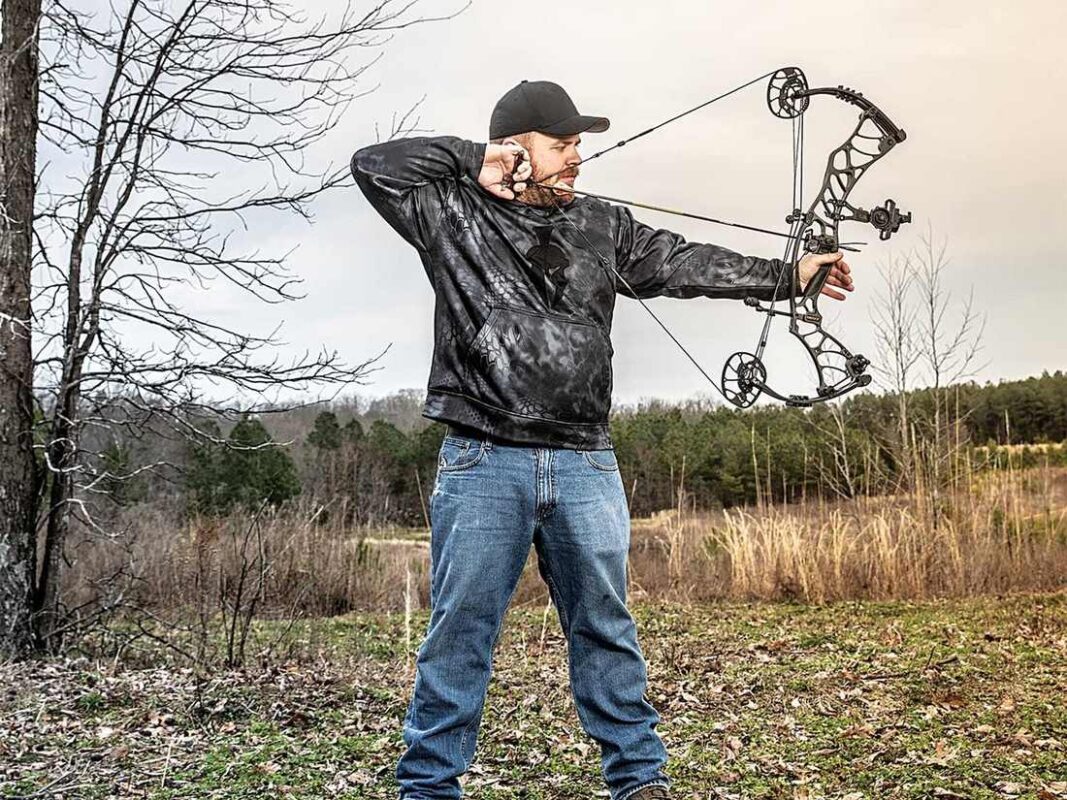
Archer at full draw with a compound bow in an open field showing how far a compound bow can shoot

Quick Answer: A compound bow can physically shoot an arrow 300 to 500 yards when angled for distance, and record flight shots have cleared 600 yards. But that number is meaningless for real shooting. The effective range of a compound bow — the distance where a trained archer can land an arrow in a 6-inch […]

Paper Tuning a Compound Bow: How to Read Every Tear

Archer at full draw with a compound bow before paper tuning

Quick Answer: Paper tuning a compound bow means shooting an arrow through a suspended sheet of paper from about 6 to 8 feet away and reading the tear it leaves. A clean round hole means your arrow is flying straight. A tear with tails pointing up, down, left, or right tells you exactly which way […]

Carbon vs Aluminum Arrows: Which Shaft Belongs in Your Quiver?

carbon arrows

Carbon vs aluminum arrows isn’t about which is ‘better’ — it’s about matching shaft material to your bow, budget, and goals. Here’s how to choose with confidence.