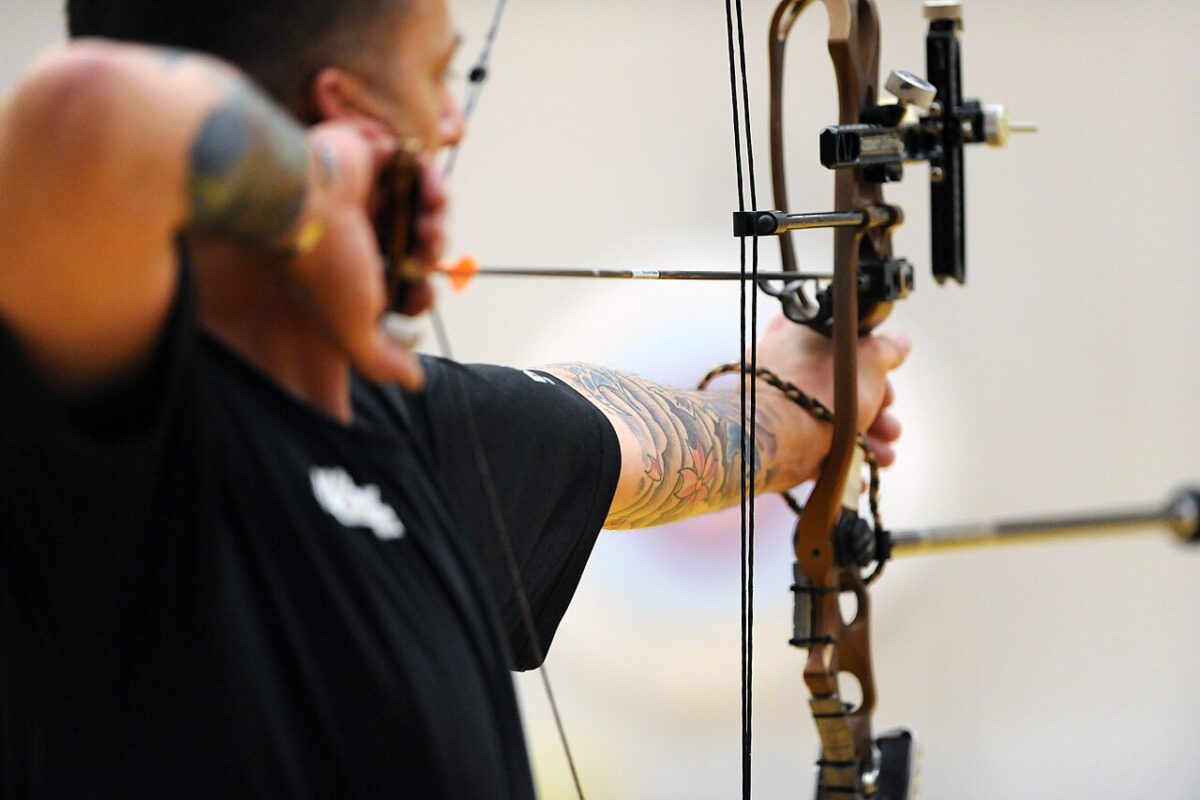
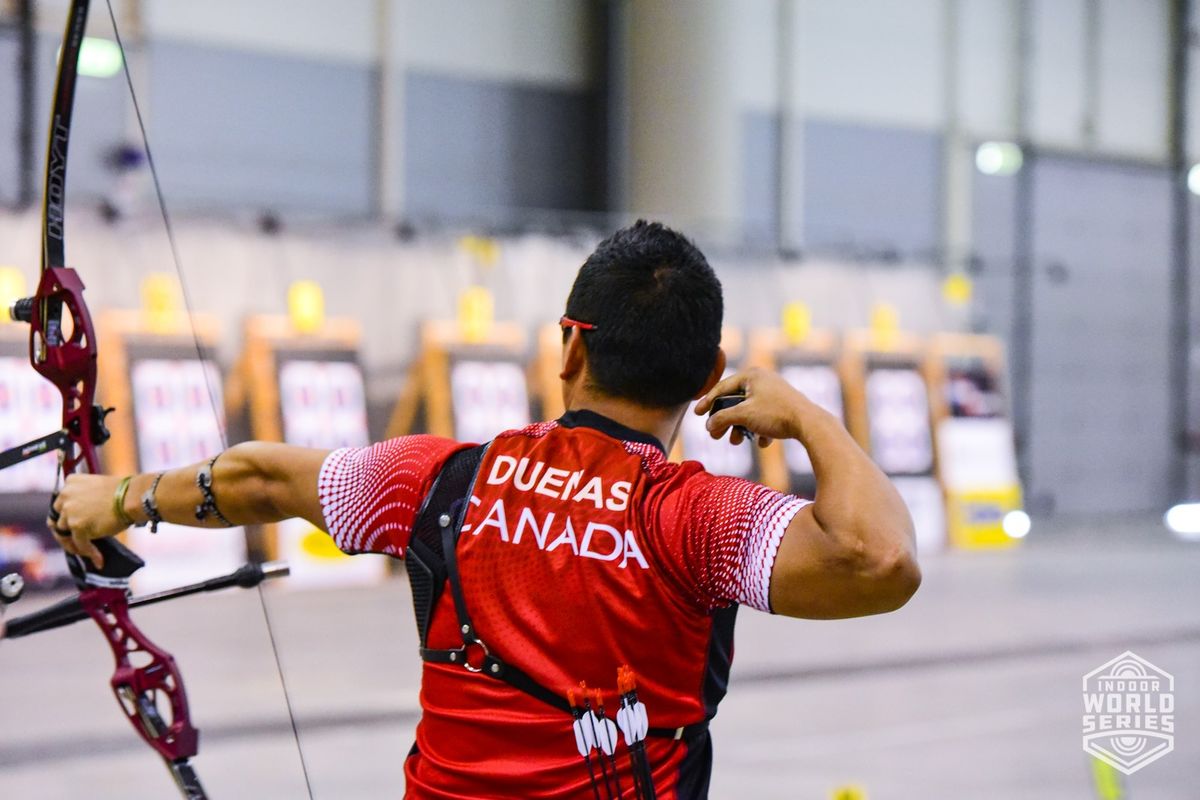
Quick Answer: Follow-through in archery is holding your form — bow arm up, string hand back, core engaged — for a full second or two after the arrow leaves the string. It matters because most misses that look like release problems are actually follow-through problems: the archer’s body starts relaxing a fraction of a second […]
Tag Archives: release aid
A complete compound bow guide covering anatomy, draw weight, let-off, tuning, and the best beginner-friendly models for hunting and target shooting in 2026.
Quick Answer: Back tension is the act of holding and finishing a shot with the large muscles between your shoulder blades instead of your hand, arm, or bicep. You draw with your shoulder, transfer the load to your rhomboids and lower trapezius at anchor, then let that continued squeeze pull your drawing elbow around until […]
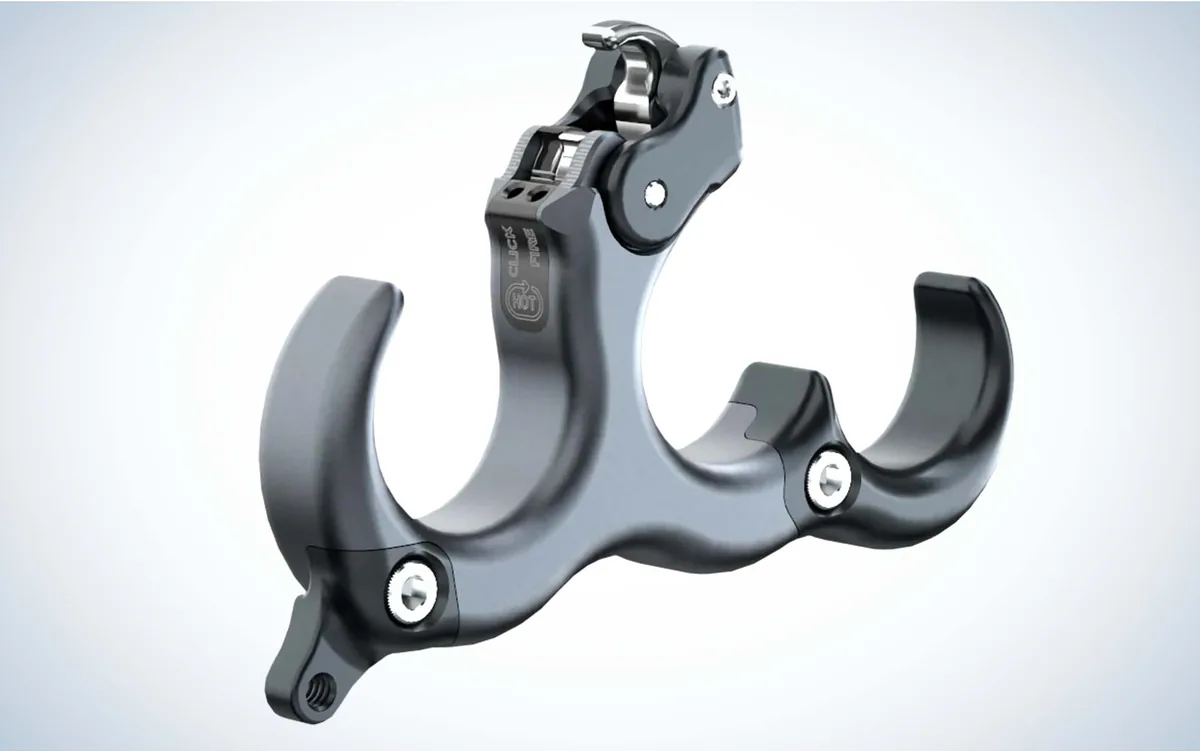
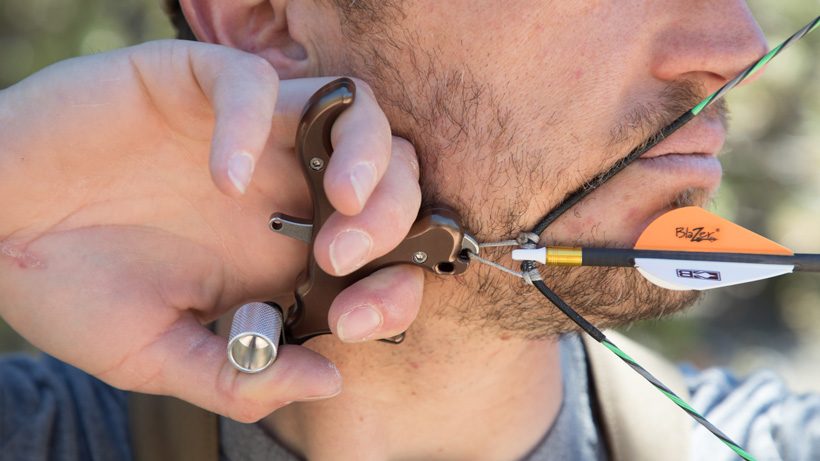
A practical release aid buying guide for compound archers — how wrist-strap, thumb-button, and hinge releases differ, and which one actually fits the way you shoot.
Your arrow meets the string at one tiny junction. Here’s how nocking points and D-loops work together to set arrow height, eliminate nock pinch, and keep every shot consistent.
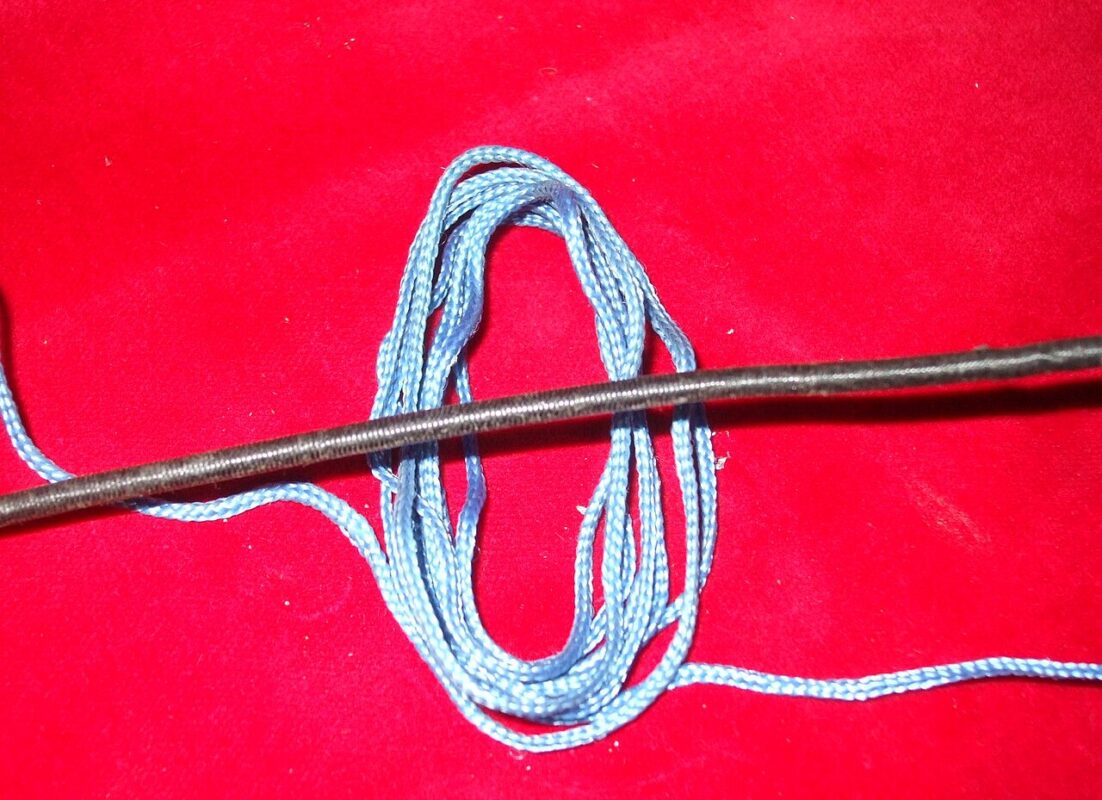
Learn how to tie a D-loop on a compound bow in 6 easy steps, with the right material, placement, length, and pro tips for a release-ready bowstring.
A hinge release fires by rotation, forcing back-tension shots and curing target panic. Here’s the 7-step process to master one in 90 days.
Target panic crushes accuracy. These 7 drills—blank bale, eyes-closed reps, hot hookup, distance regression, release switch, 10-second hold, shot journal—rebuild a clean shot inside a month.
A thumb release archery setup is the single biggest accuracy upgrade for compound shooters who got stuck punching the index trigger. The thumb release moves trigger duty from your sensitive index finger to a slower, less reactive thumb pad — and that one swap kills most cases of trigger anxiety inside a month of honest […]
Your D-loop and nocking point are the smallest pieces of hardware on a compound bow — and the most consequential for accuracy. Here’s how to tie them, set them, and tune them right.