28
Jul
Jul
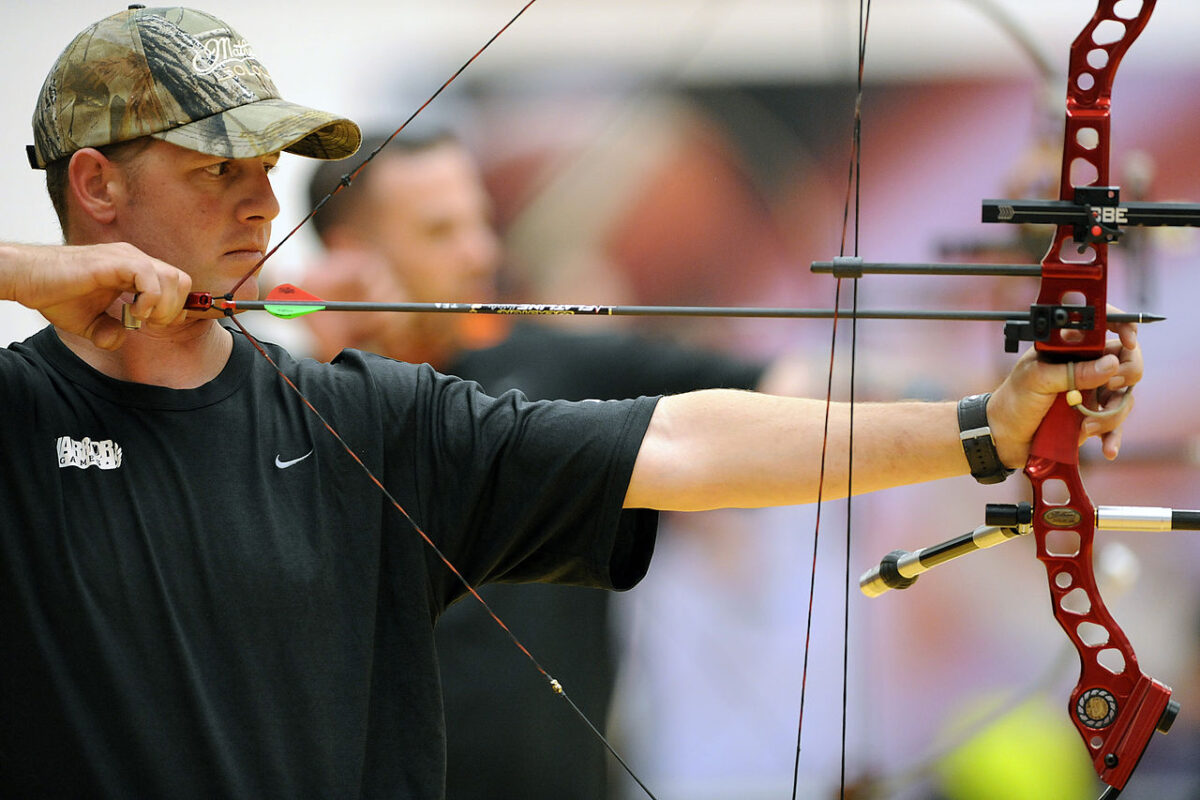
A practical guide to how compound bow stabilizers work, what length and weight to choose, and how to tune a front-and-back bar system for consistent shots at any distance.

A practical guide to how compound bow stabilizers work, what length and weight to choose, and how to tune a front-and-back bar system for consistent shots at any distance.
A practical compound bow maintenance routine covering cams, cables, strings, limbs, and storage so your rig stays quiet, accurate, and safe all season.
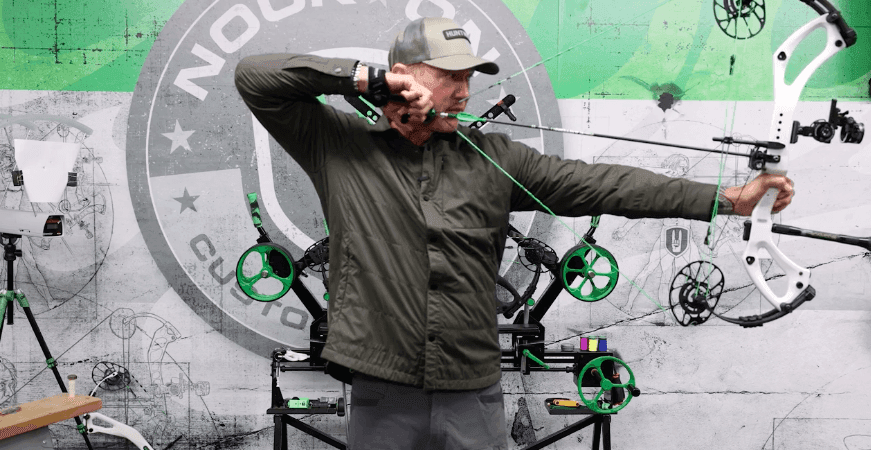
Let-off is the mechanical magic that lets a compound archer hold a heavy bow at full draw with almost no effort. Here is how it works and how to use it.
A complete draw weight selection guide covering discipline, body type, let-off, arrow spine, and safe progression so you pull the poundage that actually fits your shooting.
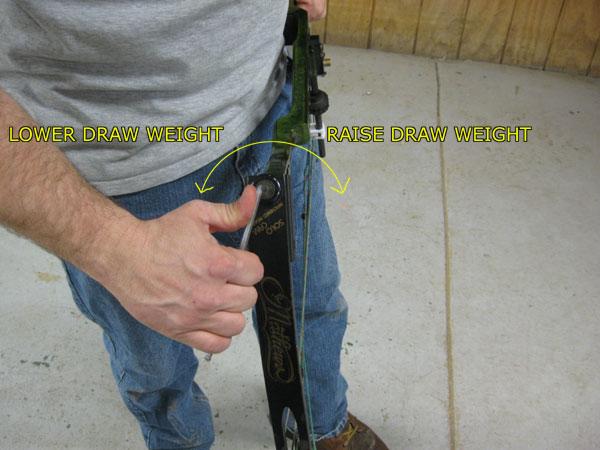
A field-first guide to choosing a hunting compound bow — how draw weight, speed, axle length, and let-off actually translate to clean kills on whitetail, elk, and everything in between.
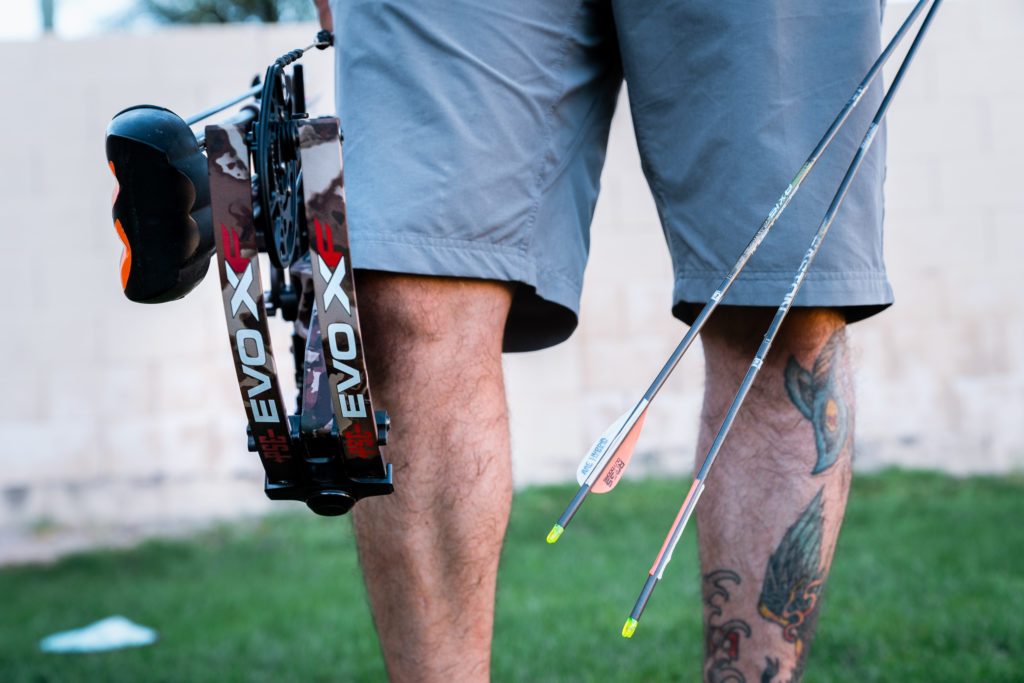
Bare shaft tuning shows you exactly what your bow is doing wrong. Follow these 7 steps to read the results and get perfect arrow flight and broadhead accuracy.
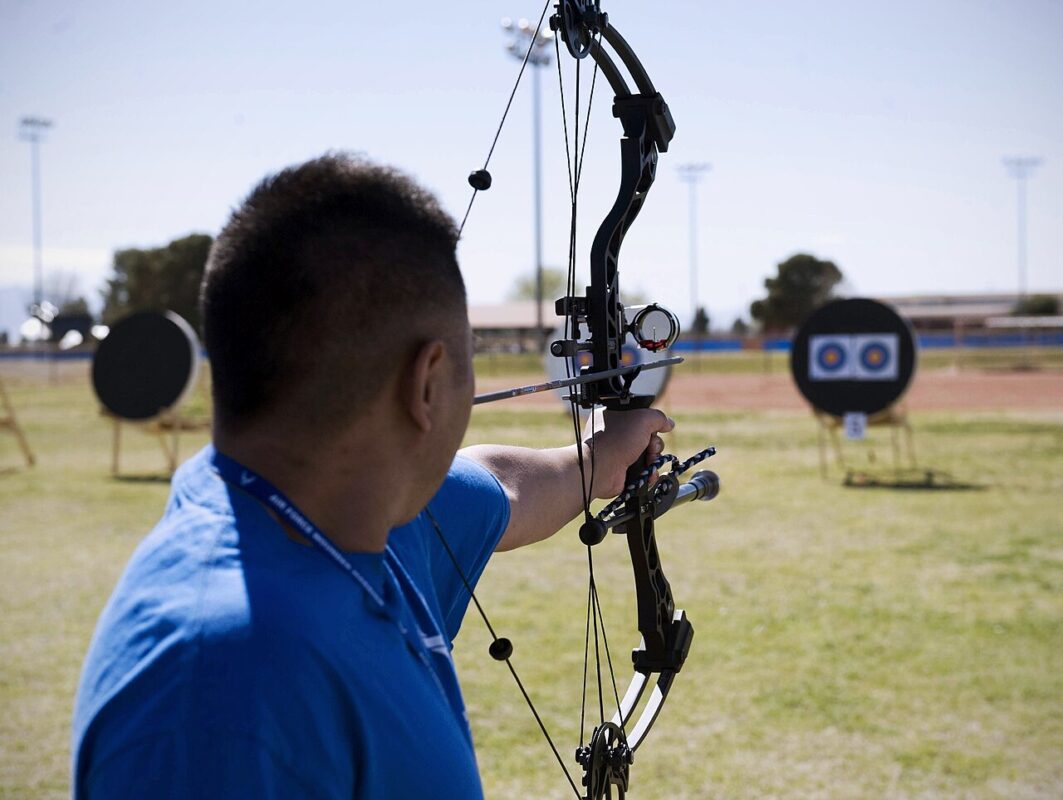
Draw length measurement is the single spec that makes or breaks your shot. Learn how to measure it accurately, why it matters, and how to dial it in on a compound bow.
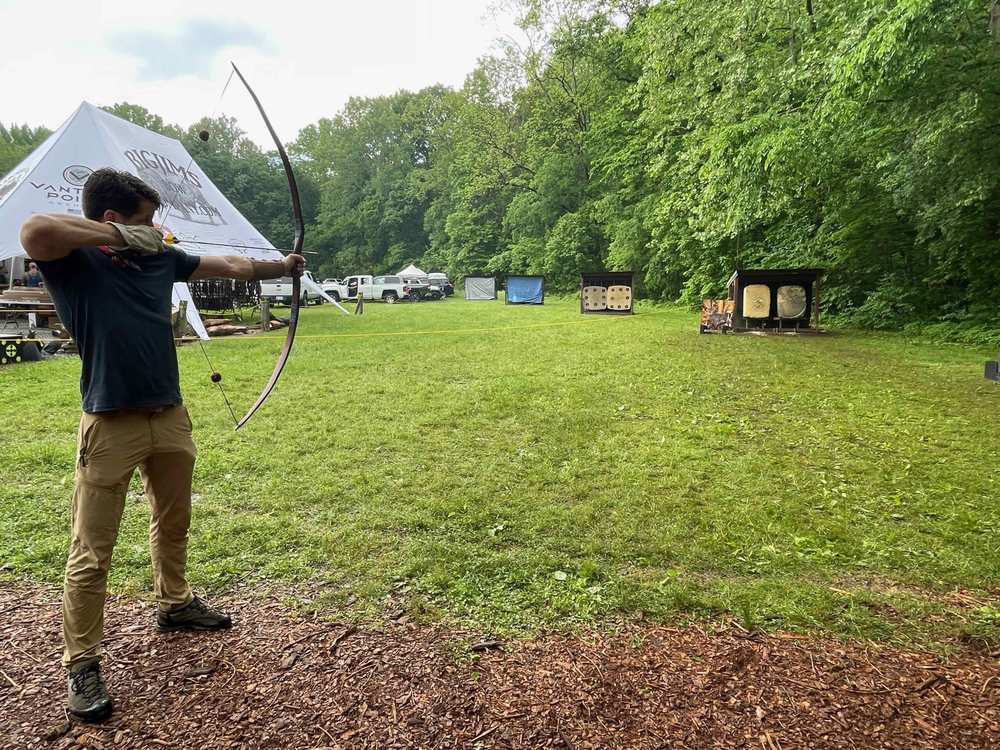
Quick Answer: Brace height is the distance from the deepest part of your bow’s grip to the string when the bow is strung but not drawn. A lower brace height gives you a faster arrow but punishes bad form; a higher one is slower, quieter, and more forgiving. You measure it with a bow square […]
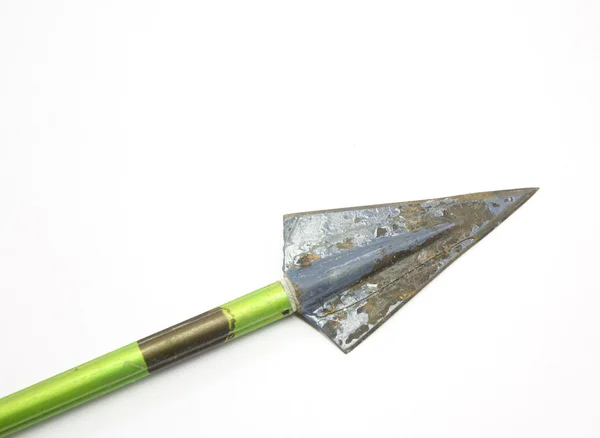
Total arrow weight and FOC decide how deep an arrow drives and how forgiving it flies. Here’s how balance point works, how to calculate it, and how to tune it.
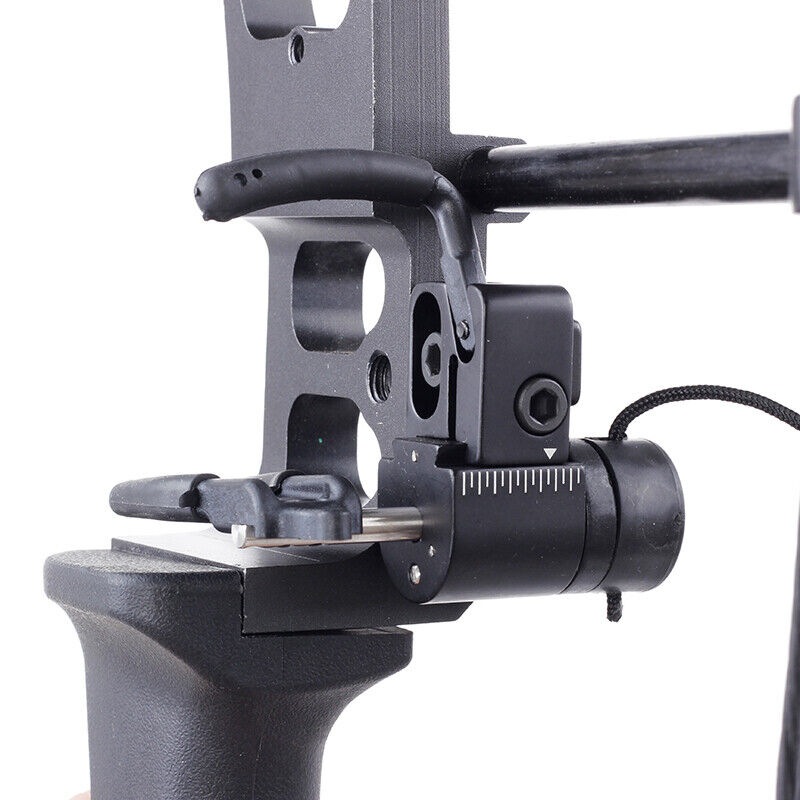
Arrow rests compared head-to-head: how drop-away, full-containment, and launcher rests actually differ, and which one belongs on your compound bow.