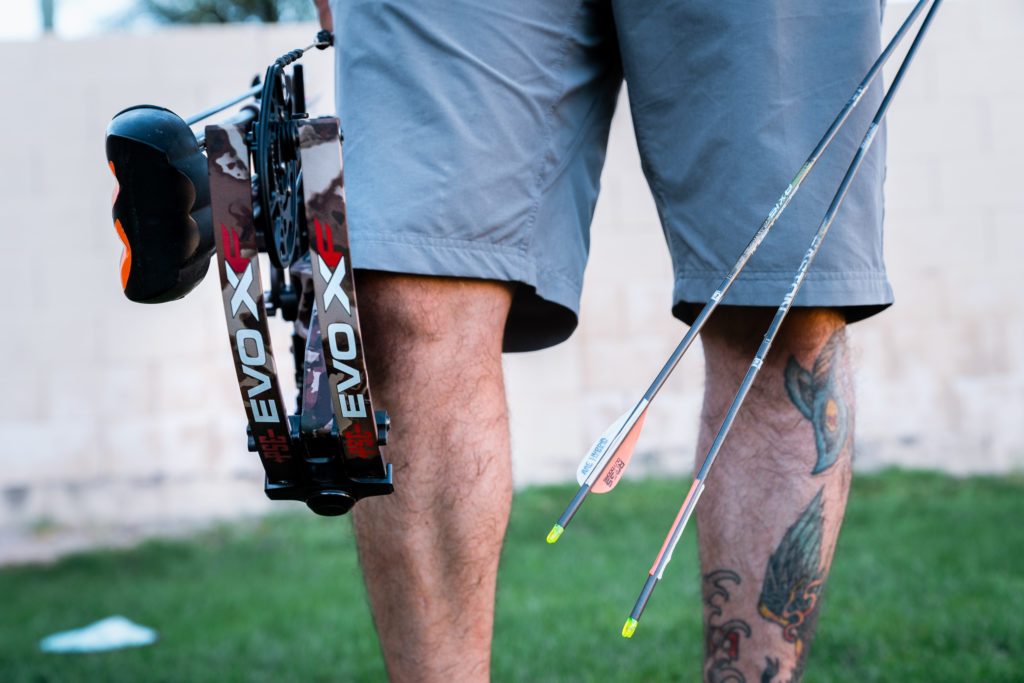
Quick Answer: For compound bow shooters and bowhunters, plastic vanes win — they’re waterproof, consistent, and built for mechanical rests. For recurve and traditional longbow archers, natural feathers clear the shelf cleanly and forgive form errors better than any plastic alternative. The choice between arrow vanes vs feathers comes down to your bow type first, […]
Tag Archives: arrow flight
Quick Answer: To fletch arrows, clean the shaft with isopropyl alcohol, load it in a fletching jig, and glue on three vanes spaced 120 degrees apart. Set each vane about 1 inch from the nock, add a straight, offset, or helical orientation depending on your setup, and let the glue cure for a couple of […]
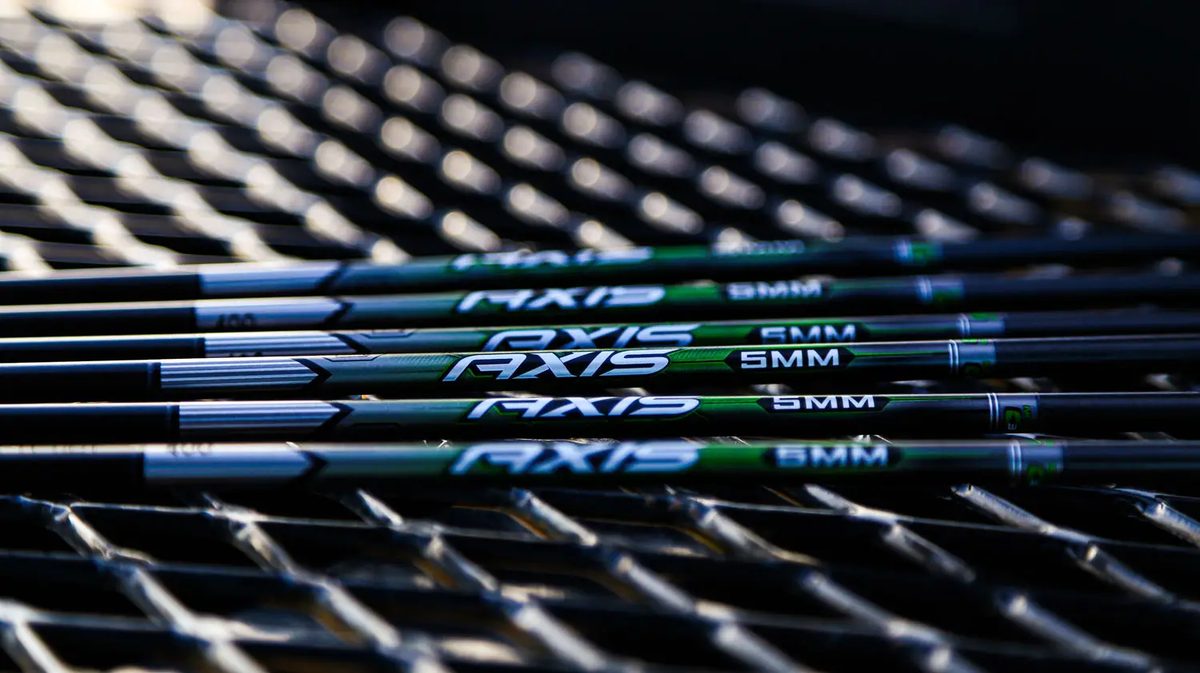
Quick Answer: Arrow spine is the stiffness of your arrow shaft — how much it bends when force is applied. It matters because an arrow that flexes too much or too little on release won’t clear the bow cleanly, sending your groups left or right no matter how good your form is. Match spine to […]
Bare shaft tuning shows you exactly what your bow is doing wrong. Follow these 7 steps to read the results and get perfect arrow flight and broadhead accuracy.
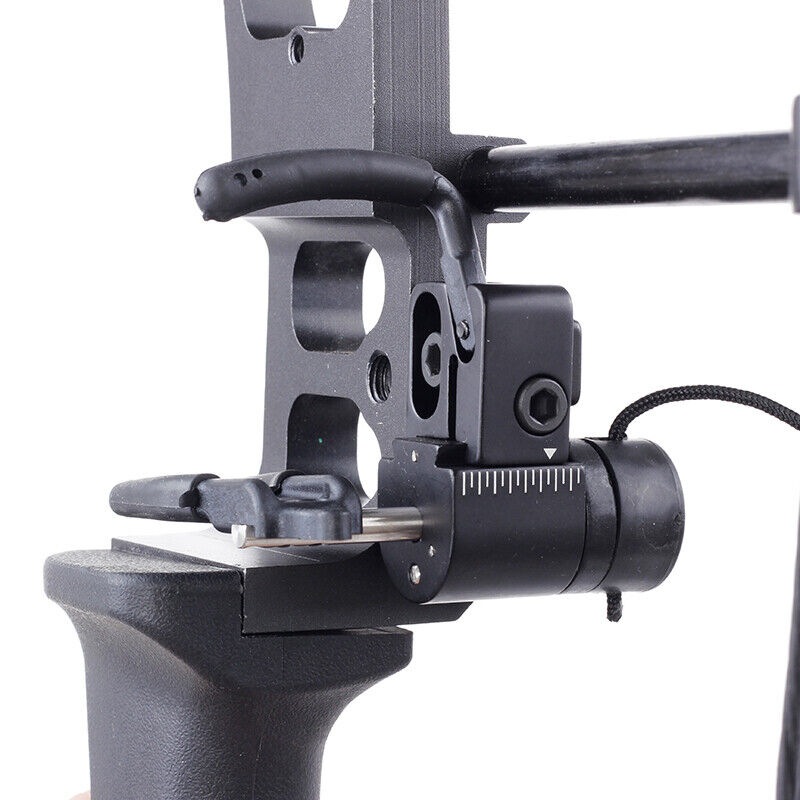
Arrow rests compared head-to-head: how drop-away, full-containment, and launcher rests actually differ, and which one belongs on your compound bow.
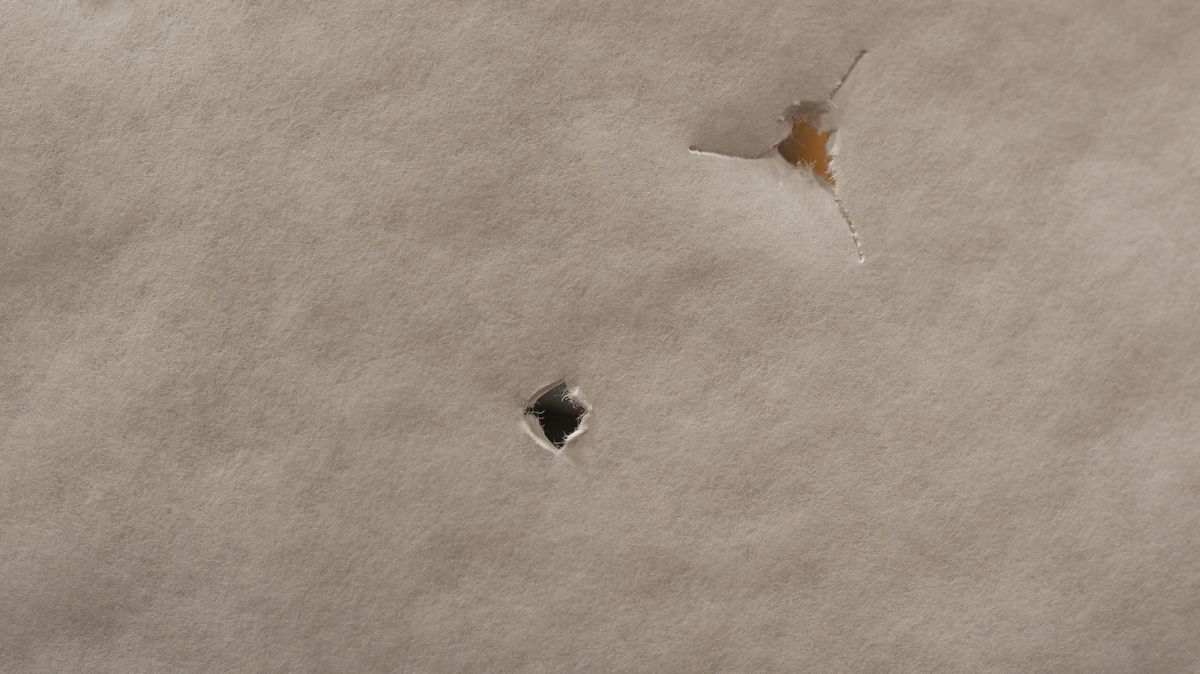
Quick Answer: Paper tuning a compound bow means shooting an arrow through a suspended sheet of paper from about 6 to 8 feet away and reading the tear it leaves. A clean round hole means your arrow is flying straight. A tear with tails pointing up, down, left, or right tells you exactly which way […]
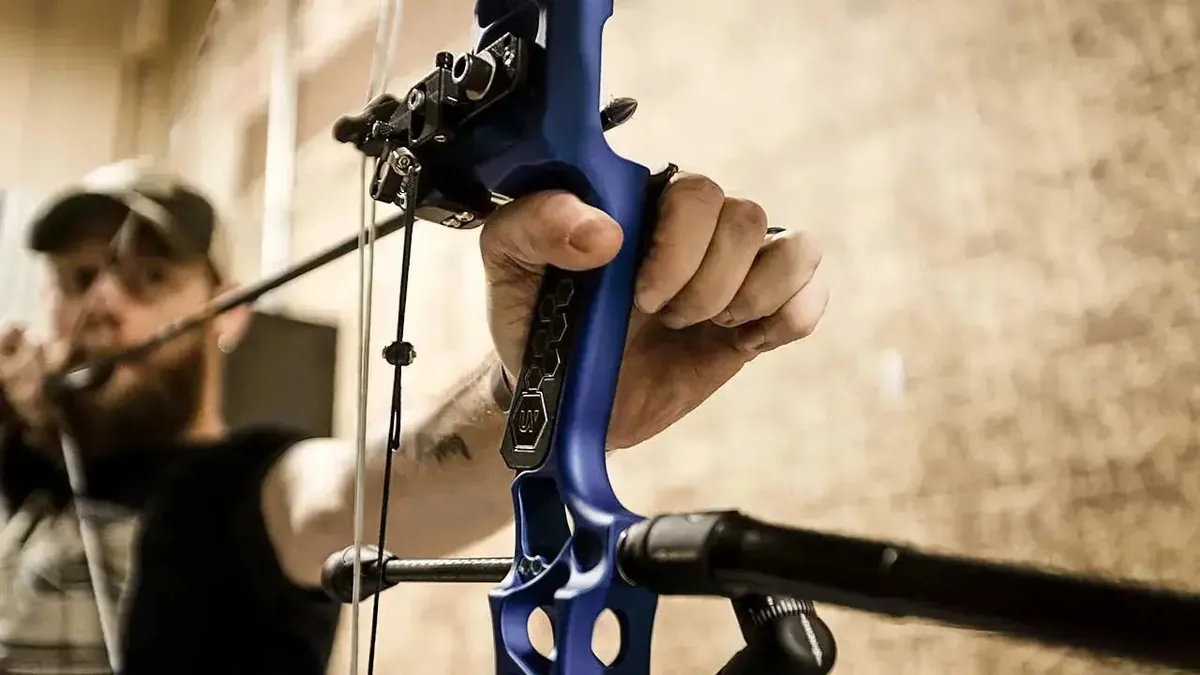
Bareshaft tuning is the fastest honest read you can get on a compound bow. Strip the fletching off two identical arrows, shoot them next to a fletched group at 10 yards, and the unfletched shaft tells you exactly which way the bow is fighting your form. Paper tuning catches gross errors. Bareshaft tuning catches the […]
Paper tuning a bow shows what’s wrong with arrow flight in 30 seconds. Master 7 steps, fix every tear pattern, and shoot bullet holes.
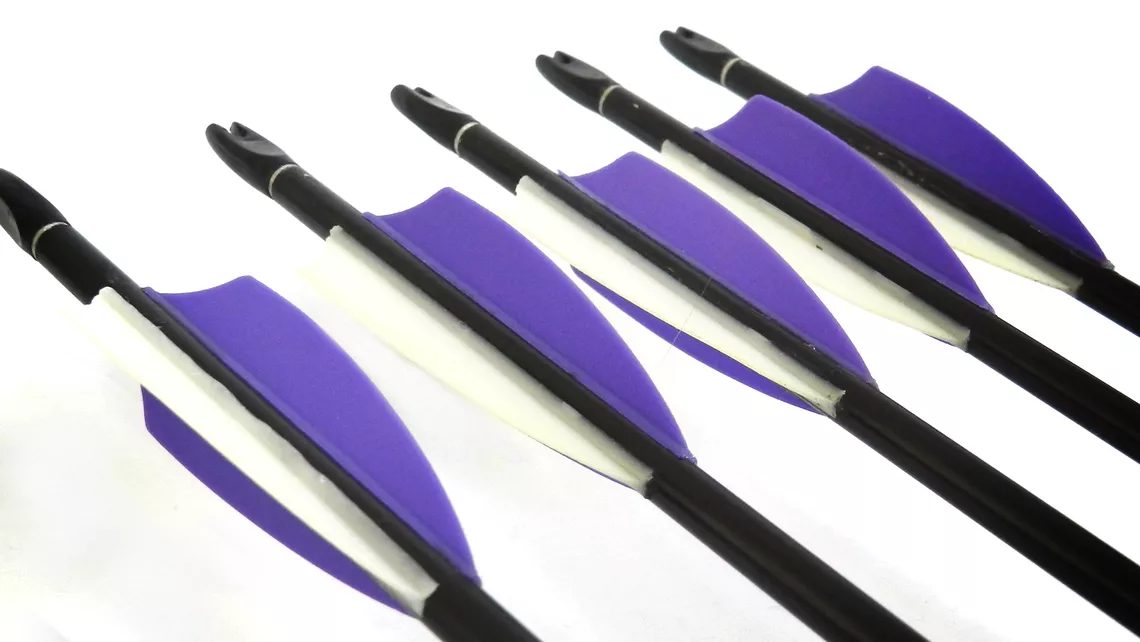
Helical vs straight fletching: which wins for broadheads, speed, and accuracy? 5 bowhunter-tested truths plus the 3-degree rule that ends the debate.
Broadhead tuning made simple: a 6-step sequence to make hunting heads group with field points out to 50 yards before opening day.
- 1
- 2