
Archery Blog
Archer’s Paradox: 6 Essential Facts Explained
Jun
Watch a released arrow at 30,000 frames per second and it looks nothing like a rigid stick. It wriggles like a thrown noodle, bending one way then the other as it clears the bow. That wobble is not a flaw — it is the whole reason the shot works. The arrow points to the left of the target (for a right-handed archer) at full draw, yet it lands dead center. Solving that contradiction is what 16th-century English archers first labeled the archer’s paradox, and understanding it is the difference between guessing at arrow choice and tuning a bow that actually groups.
What Is the Archer’s Paradox?
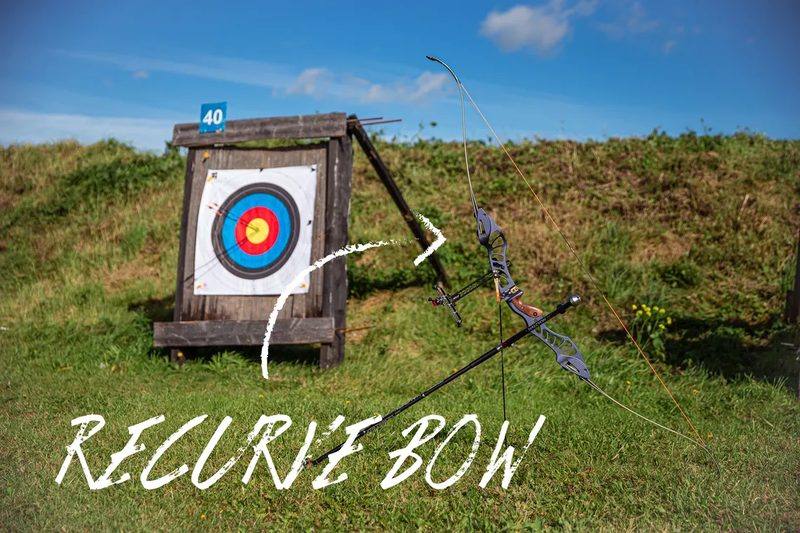
The archer’s paradox is the phenomenon of an arrow traveling toward the point it is aimed at, even though at full draw the shaft is angled away from that point. With the arrow resting against the side of the bow, the tip sits a few degrees off the target line — pointing left for a right-handed shooter. Logic says the arrow should fly left. It doesn’t, and that gap between what should happen and what does is the paradox.
The term gets misused constantly. Plenty of people call the bending of the arrow itself “the archer’s paradox,” but that bending is the solution, not the puzzle. The paradox is the aiming contradiction; the flex is the mechanism that resolves it. Keeping those two ideas separate is the first step to actually understanding what your equipment is doing every time you loose a shot.
Where the “Paradox” Name Comes From
The phrase dates to 1913, when E.J. Rendtorff used “the paradox of archery” to describe how arrows of the same length but different spine hit different points — even from the same bow and aim. For centuries before anyone had a slow-motion camera, archers knew the contradiction was real without being able to explain it: the arrow pointed one way and flew another.
The mystery held until high-speed photography in the mid-20th century finally caught the shaft mid-flex. What looked like a violation of common sense turned out to be ordinary physics — a flexible beam reacting to a sudden off-axis load. The name stuck even though the puzzle was solved, which is why “paradox” still describes something that, today, we understand completely.
Why Does an Arrow Bend Around the Bow?
An arrow bends because the string pushes the back end forward faster than the heavy point end can accelerate. That mismatch compresses the shaft along its length, and since a thin carbon or aluminum tube can’t compress, it buckles sideways instead — flexing into an S-shape. This is the same reason a section of cooked spaghetti whips when you shove one end.
As the shaft flexes, it bows outward and then back, letting the arrow snake around the riser rather than slam into it. The oscillation continues for the first several yards of flight before the fletchings stabilize everything and the shaft straightens out. The single best look at this is Destin Sandlin’s high-speed footage at Smarter Every Day, which shows a wooden arrow visibly rippling around a traditional bow.
The Real Role of Arrow Spine
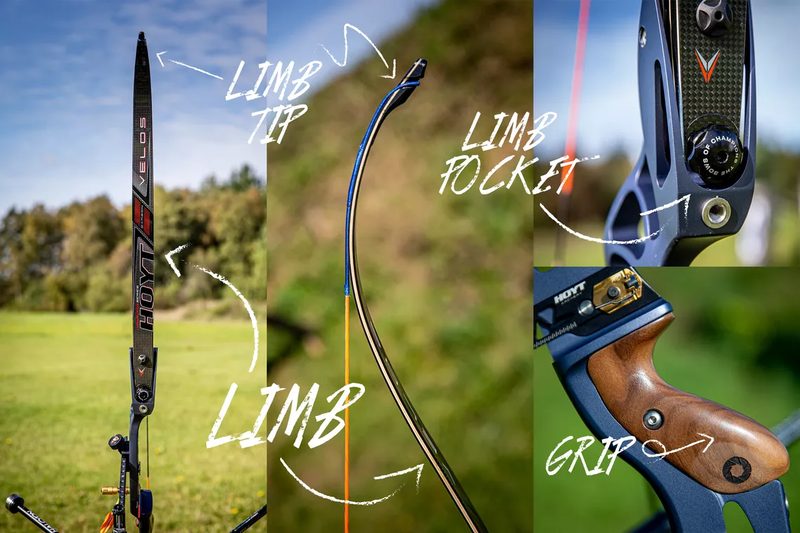
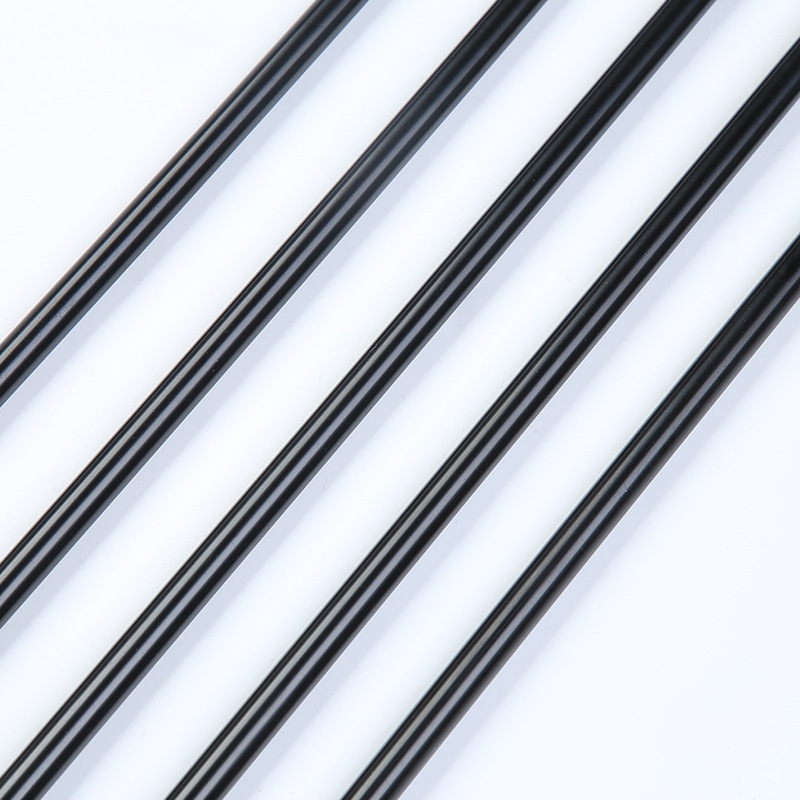
Spine is the stiffness of an arrow, and it is the single factor that decides whether the paradox works for you or against you. An arrow needs the right amount of flex to bend around the riser on release and then recover cleanly onto the target line. Too stiff and it won’t flex enough, kicking off to one side; too weak and it over-bends, sailing off the other way.
There are two numbers worth knowing. Static spine is measured on a bench — how far a shaft deflects under a hanging 1.94-pound weight, which is the AMO/ASTM standard. Dynamic spine is how that same shaft actually behaves when launched from your bow, and it shifts with draw weight, arrow length, point weight, and even the release. A 400-spine arrow cut short with a light point will act stiffer than the same shaft left long with a heavy broadhead.
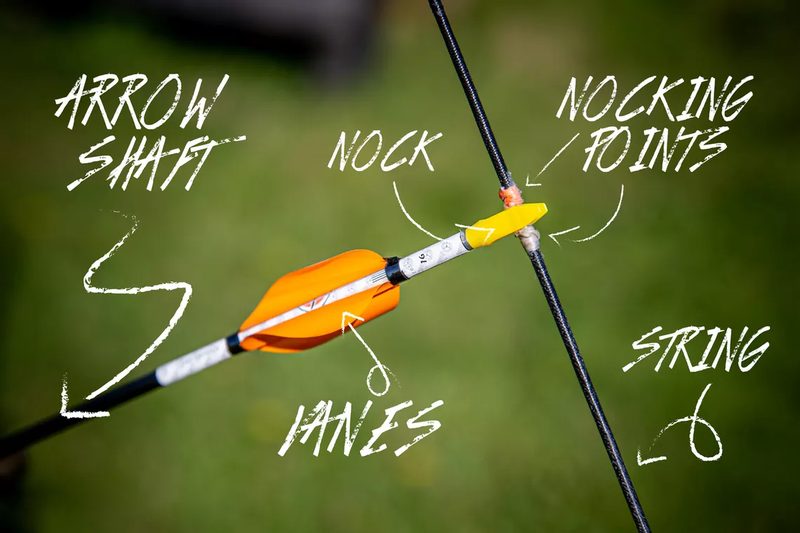
The practical takeaway: a powerful bow needs a stiffer arrow, and a lighter bow needs a more flexible one. Get it backward and no amount of form will fix the flyers. If you’re picking shafts for a build, start with a proper arrow spine chart rather than guessing, then fine-tune from there.
Why Traditional Bows Show the Paradox Most
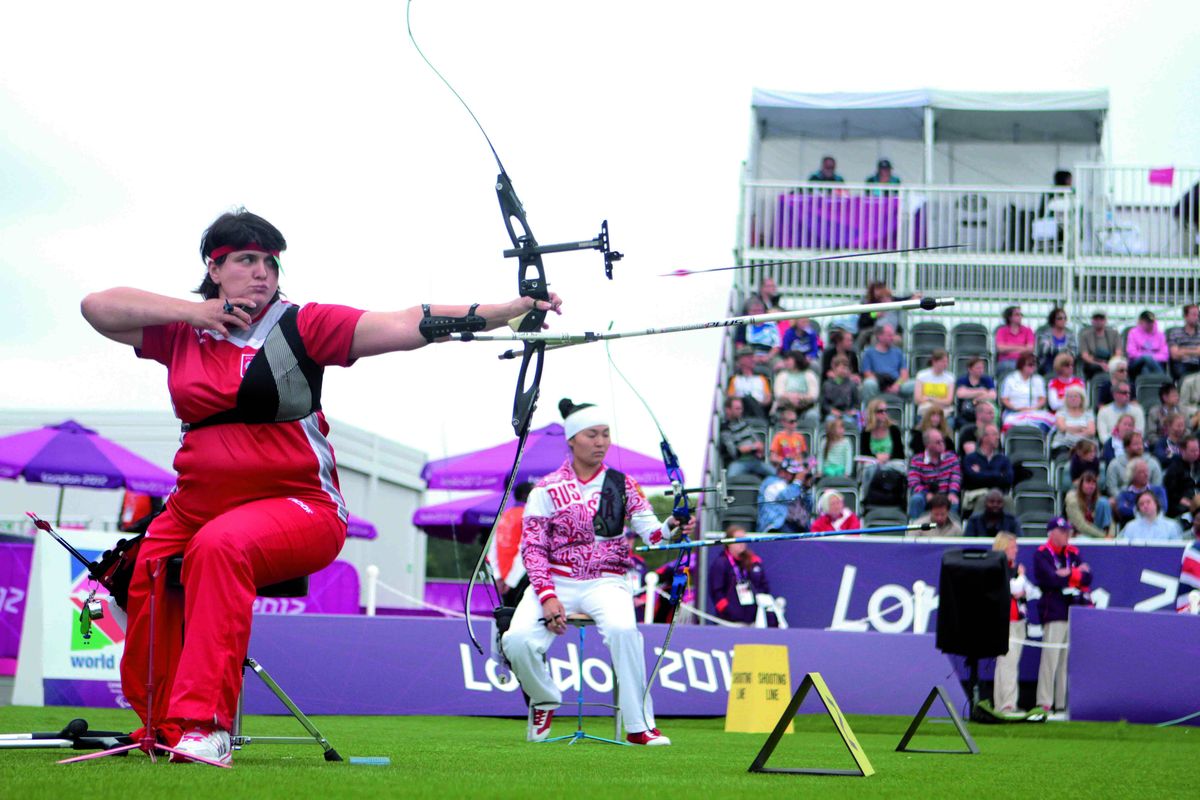
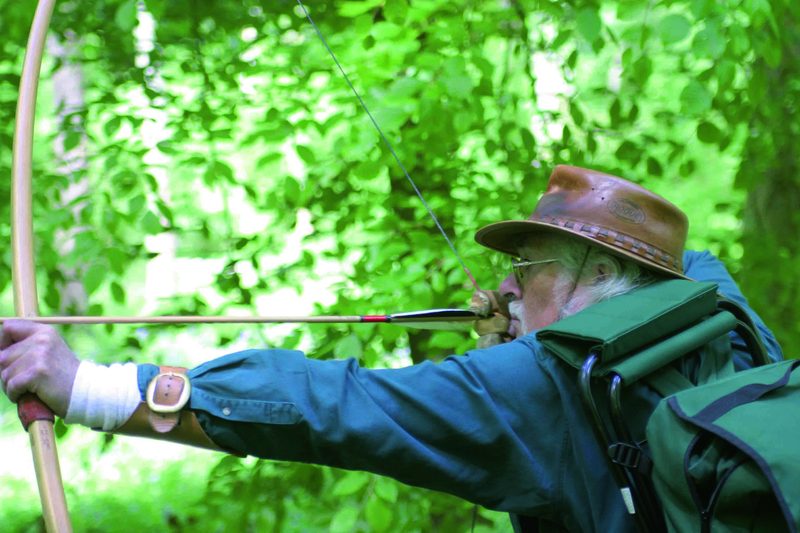
The paradox is most dramatic on a traditional longbow or recurve shot off the shelf with fingers, because nothing is hiding it. The arrow rests directly against the bow’s side, well off the centerline, so the angle between where it points and where it goes is at its widest. A finger release also rolls the string slightly sideways as it leaves the fingertips, adding even more horizontal flex than a clean mechanical release would.
That’s why traditional archers obsess over spine in a way that surprises newcomers. With no plunger, no sight, and no centered rest to mask errors, the arrow’s own bend is doing all the work of getting around the riser. A wooden arrow that’s a touch weak or stiff will plane off noticeably. Veteran trad shooters tune by feel and by watching arrow behavior — and many will tell you, the truth is that bare-bow archery teaches more about what an arrow really does than any high-tech setup ever will.
How Center-Shot and Compound Bows Reduce It
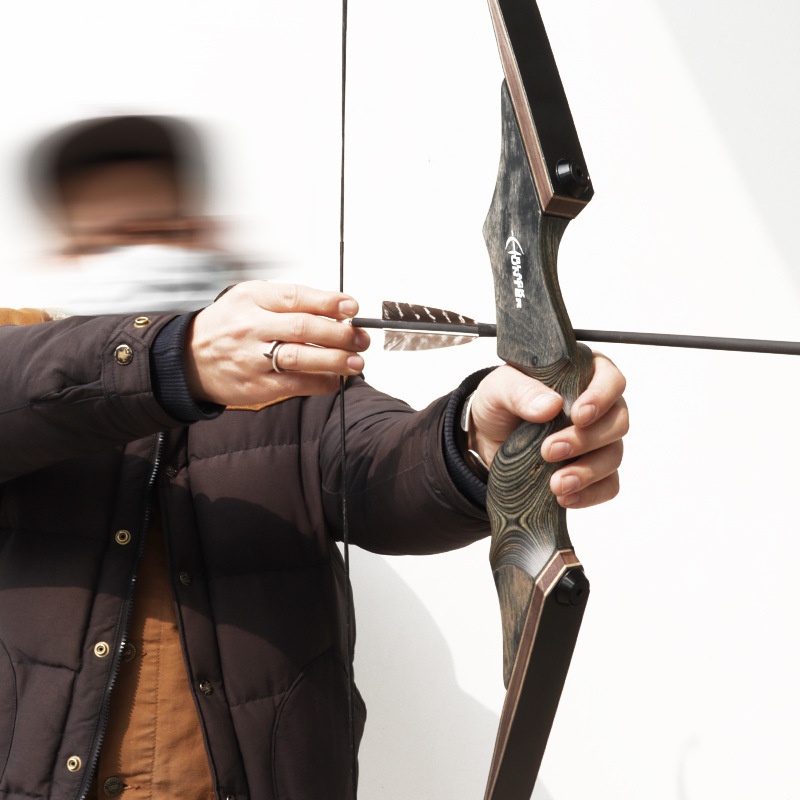
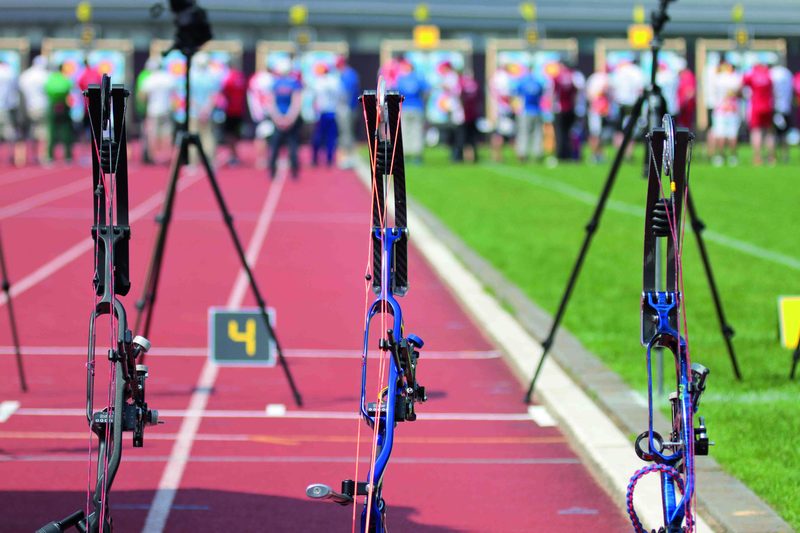
Modern target and compound bows shrink the paradox by moving the arrow closer to the bow’s centerline — a setup called “center shot.” The riser is cut past center so the arrow sits almost directly in line with the string’s travel, which means the launch angle is tiny and the shaft barely has to steer around anything. The bend never fully disappears, but it shrinks to a fraction of what a traditional bow produces.
Compound bows go further by adding a mechanical release and a drop-away or containment rest. A release aid lets the string come off straight back instead of rolling off fingers, so most of the side-to-side flex is replaced by gentler vertical flex. This is why compound hunters can run skinnier, stiffer arrows and still get forgiving flight. It is not magic — the physics is the same — but the engineering masks the paradox until it’s nearly invisible to the naked eye.

Even so, arrow tuning still matters at the elite level. A center-shot recurve that’s mismatched will scatter at 70 meters where a forgiving setup holds the ten ring. The paradox is reduced, not deleted.
How to Tune Out the Archer’s Paradox
You tune out the paradox by matching arrow spine to your setup and then dialing in the bow’s contact points until the arrow leaves cleanly. The two diagnostic methods most archers use are bare-shaft tuning and paper tuning. Both reveal whether your arrow is reacting stiff, weak, or just right — and both point you toward the same fixes.
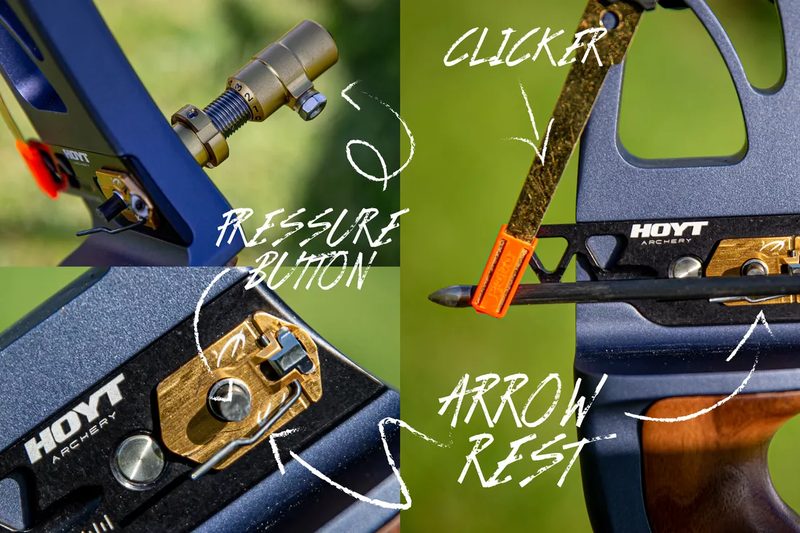
On a recurve, the pressure button (plunger) is your main adjustment. It sets how far the arrow sits from center and how much spring resistance cushions the shaft’s first flex, letting you compensate for an arrow that’s slightly off-spine. Compound shooters adjust rest position and centershot instead. A quick checklist for cleaning up arrow flight:
- Match spine first — confirm your shaft’s stiffness fits your draw weight and arrow length before touching anything else.
- Bare-shaft test — shoot a fletched and an unfletched arrow at the same spot; tune until they group together.
- Adjust the plunger or rest — small lateral moves correct left/right tears once spine is close.
- Tweak point weight — a heavier point weakens dynamic spine; a lighter one stiffens it, giving you fine control.
If you want the full sequence for a recurve, our guide to recurve bow tuning walks through brace height, tiller, and bare-shaft testing step by step. And if you shoot instinctively off the shelf, the way you read arrow flight ties directly into instinctive archery form.
Does the Archer’s Paradox Affect Accuracy?
Only when your arrow is mismatched. When spine, point weight, and rest are dialed in, the flex resolves itself within the first few yards and the arrow stabilizes onto the target line — you get tight groups and never notice the paradox at all. When something is off, the unresolved bend shows up as horizontal flyers, fishtailing, or arrows that consistently land left or right of where you aimed.
This is the part that trips up new archers: they blame their form for a left-right pattern that is actually a spine problem. Before you rebuild your release or your anchor, rule out the equipment. An arrow that’s two spine groups too weak will fishtail no matter how perfect your form is. Diagnose the paradox first, then refine technique — doing it in the other order wastes weeks.
Putting the Paradox to Work
The archers who shoot the tightest groups aren’t fighting the paradox — they’ve set their gear up so the arrow’s natural flex does exactly what it should, every time. That’s the goal: not eliminating the bend, but tuning it until it becomes invisible. Start by confirming your arrow spine matches your bow, run a bare-shaft test this week, and adjust one variable at a time. Your next bag of arrows will tell you more about your setup in ten shots than any chart can.
Sources
- Archer’s Paradox — Wikipedia — Definition, history, and the physics of dynamic spine.
- The Archer’s Paradox and Modern Bows — Bow International — How center-shot risers change the paradox.
- The Archer’s Paradox in Slow Motion — Smarter Every Day — High-speed footage of arrow flex around the bow.
- Recurve Equipment — World Archery — Arrow rest, pressure button, and nocking point reference.
Browse archery bows, arrows, and accessories at the Archery Supplier shop →
