02
Aug
Aug
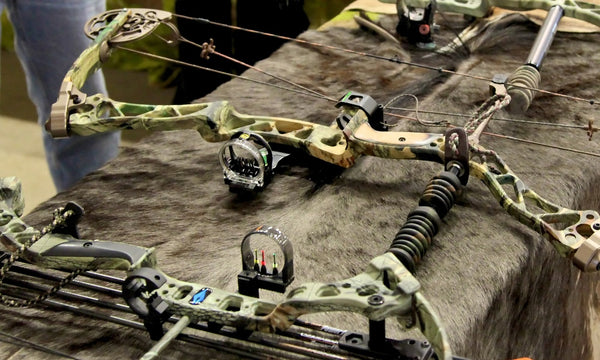
Axle-to-axle length, IBO speed, let-off, draw length, cam type — a compound bow spec sheet is dense. This guide breaks every number down so you buy the right bow on the first try.

Axle-to-axle length, IBO speed, let-off, draw length, cam type — a compound bow spec sheet is dense. This guide breaks every number down so you buy the right bow on the first try.
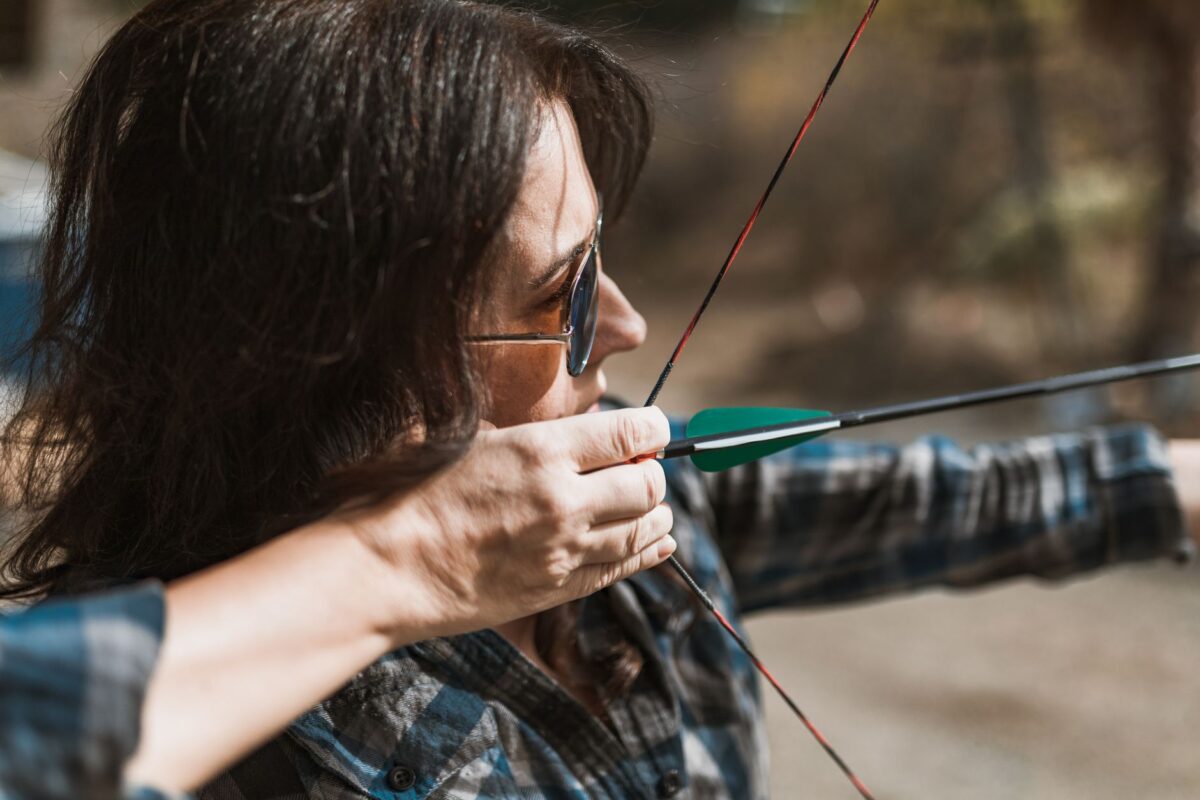
The Death Grip and the Wrist It Destroys If you are experiencing wrist pain after archery sessions, the most likely culprit is not your wrist at all — it is your grip. Specifically, the white-knuckle grip that many beginners (and plenty of experienced archers) apply to the bow handle, squeezing it as if it might […]
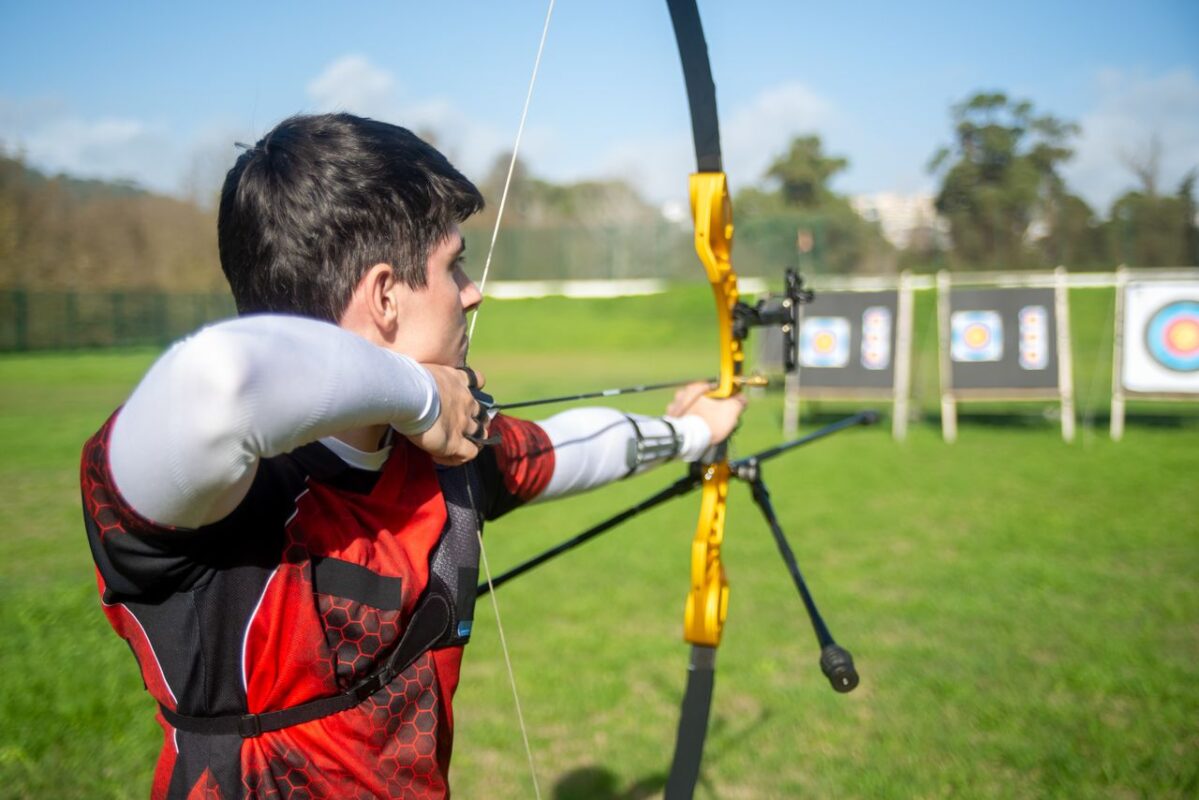
Tendinopathy vs. Tendinitis: Why the Distinction Matters For decades, overuse tendon injuries were called tendinitis — inflammation of the tendon. Treat the inflammation, the thinking went, and the tendon heals. The problem is that research since the 1990s has consistently shown that most chronic tendon pain involves very little actual inflammation. Instead, what happens is […]
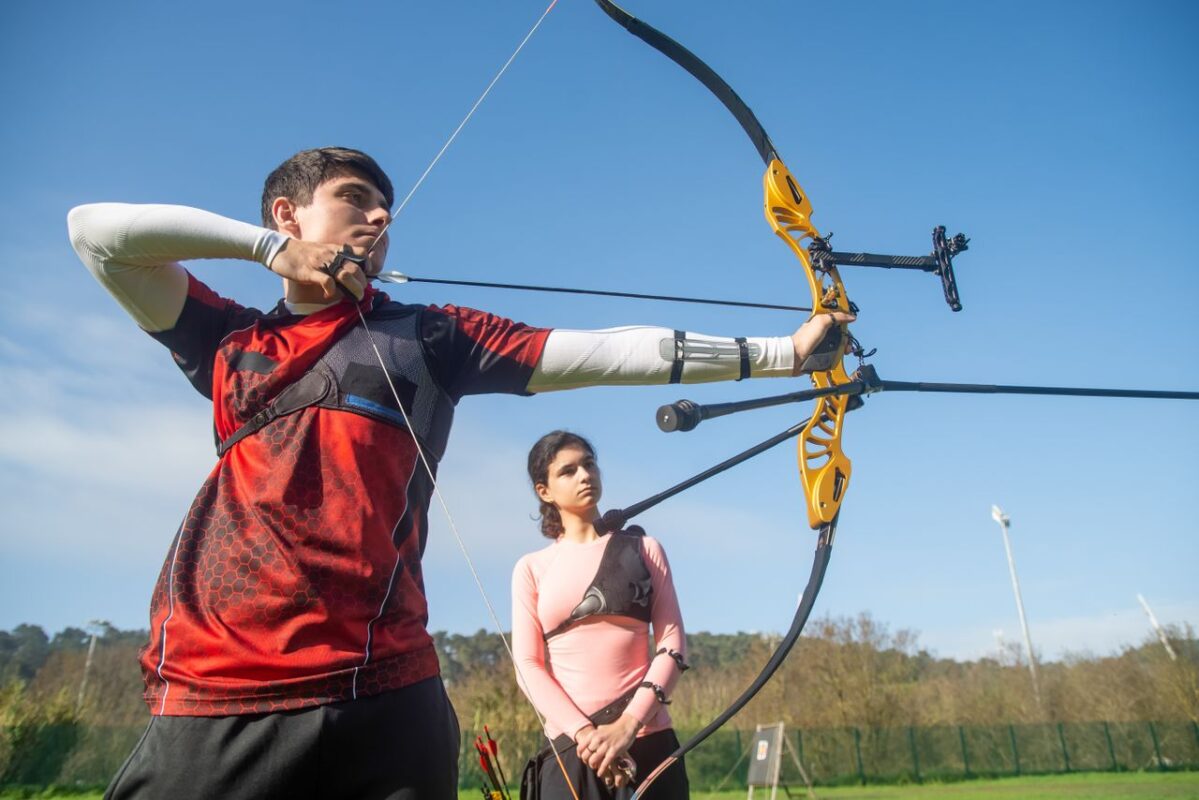
The Rotator Cuff and Why Archery Stresses It The rotator cuff is a group of four muscles — supraspinatus, infraspinatus, teres minor, and subscapularis — and their tendons that wrap around the head of the humerus and attach it to the shoulder blade. Their job is to stabilize the glenohumeral joint (the ball-and-socket of the […]
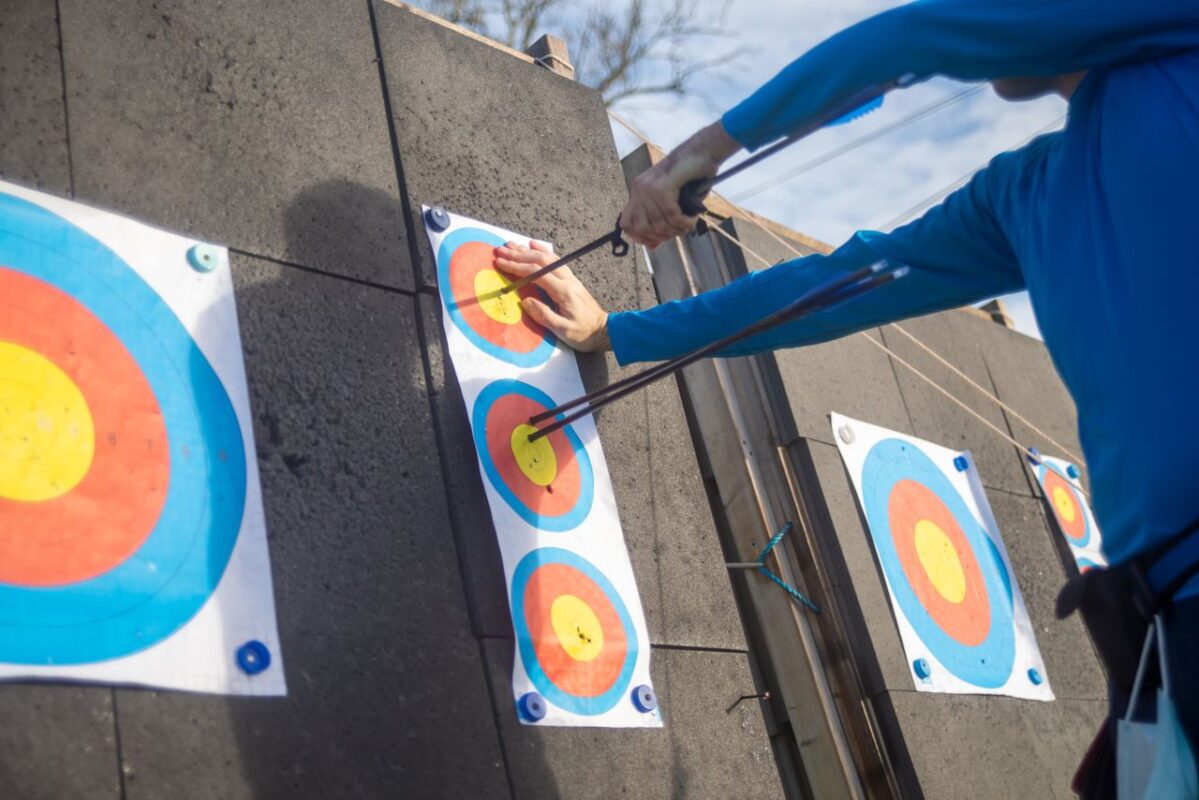
What Is Lateral Epicondylitis and Why Do Archers Get It? Lateral epicondylitis — commonly called tennis elbow, but just as accurately called archer’s elbow — is an overuse injury that affects the tendons attaching the forearm extensor muscles to the lateral epicondyle, the bony prominence on the outside of the elbow. When these tendons are […]
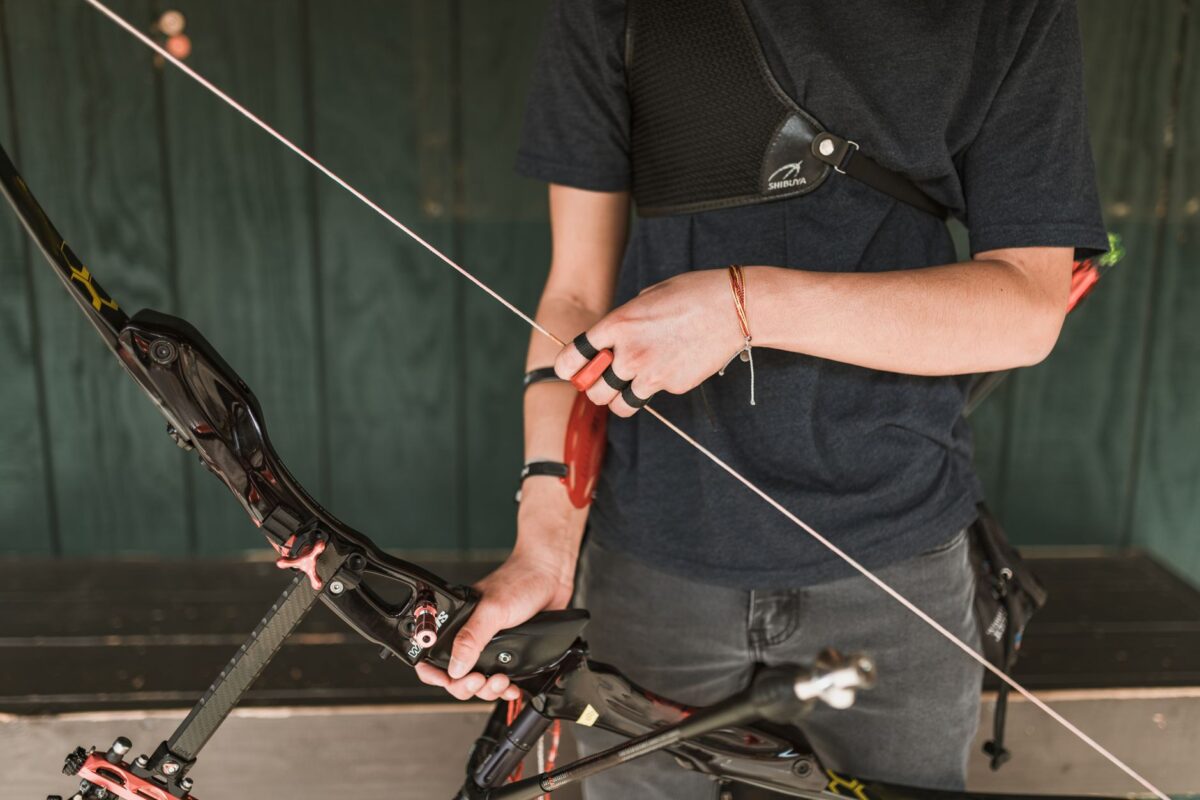
What Is String Slap in Archery? String slap is the sharp, stinging contact between a bowstring and the inner forearm that happens at the moment of release. If you have shot more than a few arrows, you have probably felt it — a red welt, a bruise that turns purple within hours, and a growing […]
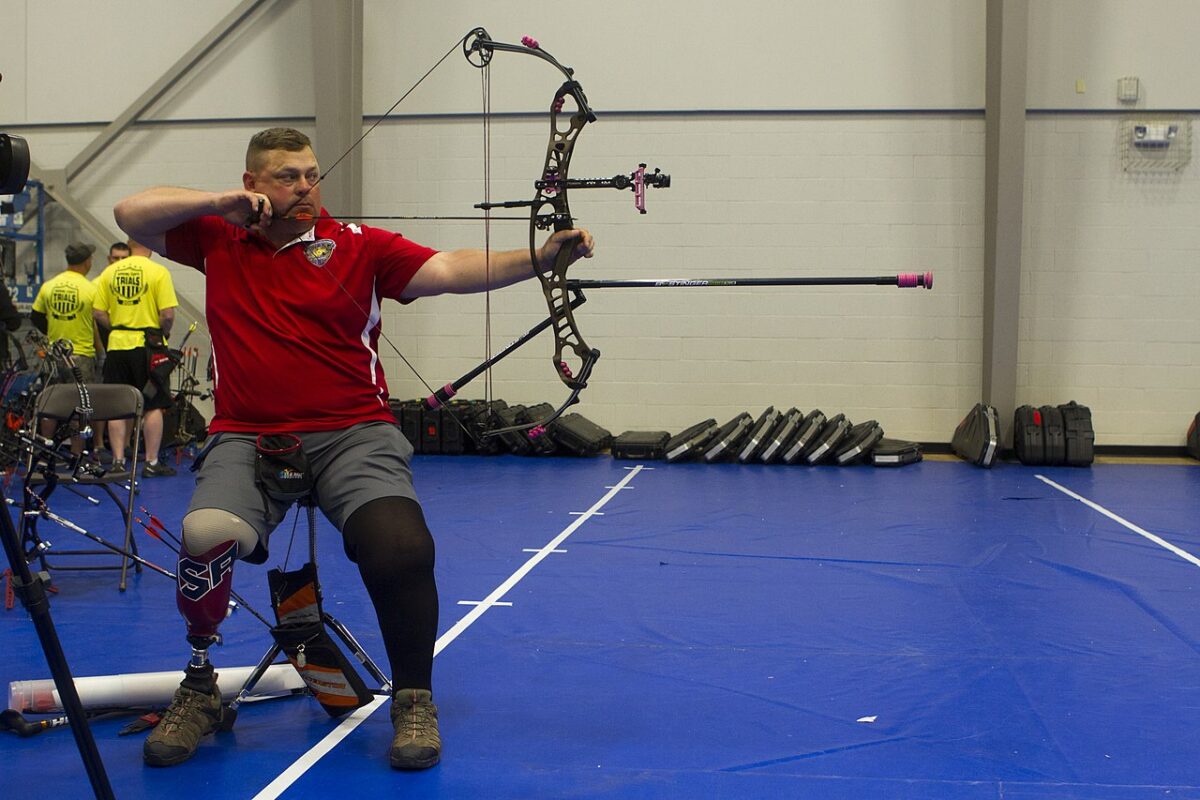
Not all compound bows are built by the same kind of manufacturer. Knowing which archery brands lead each price range — and what they prioritize — makes the buying decision far clearer than spec sheets alone.
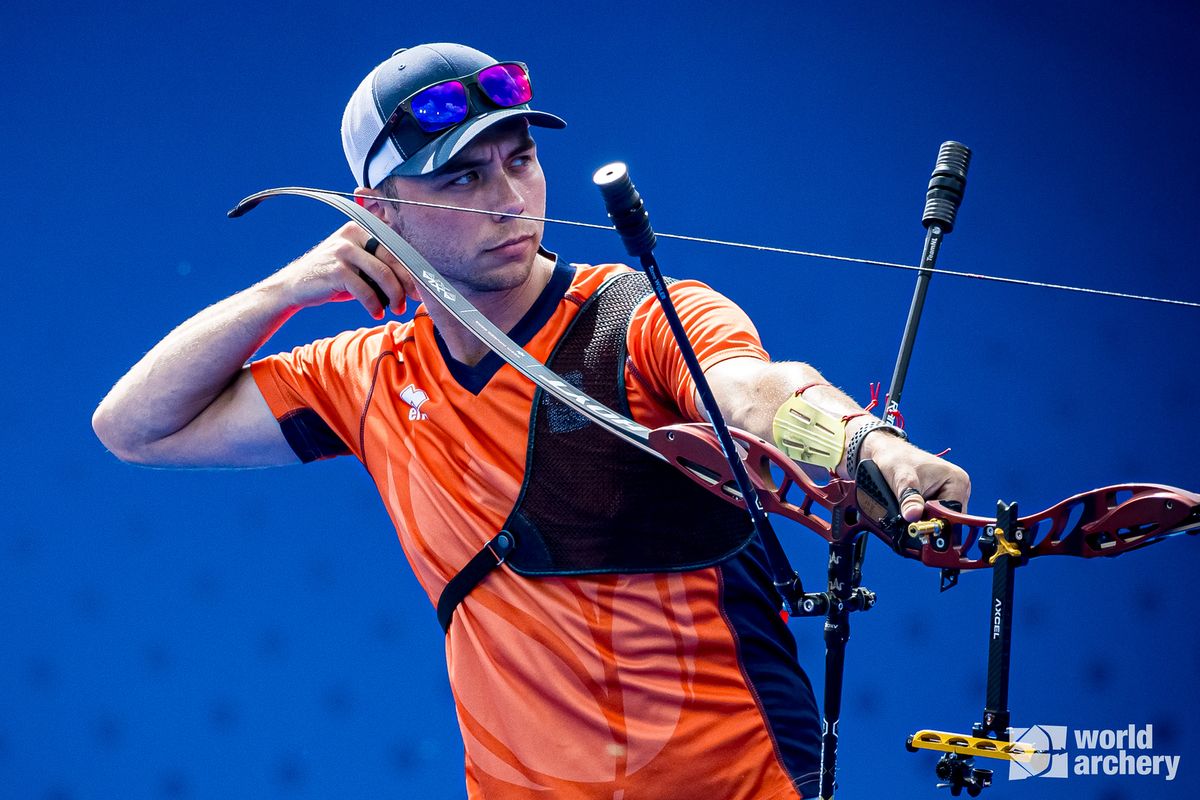
Quick Answer: An archery arm guard (also called a bracer) straps to the inside of your bow-arm forearm to block string contact on release and keep loose sleeves out of the string path. Recurve archers need one in almost every session. Compound archers may not, depending on their draw length and elbow rotation — but […]
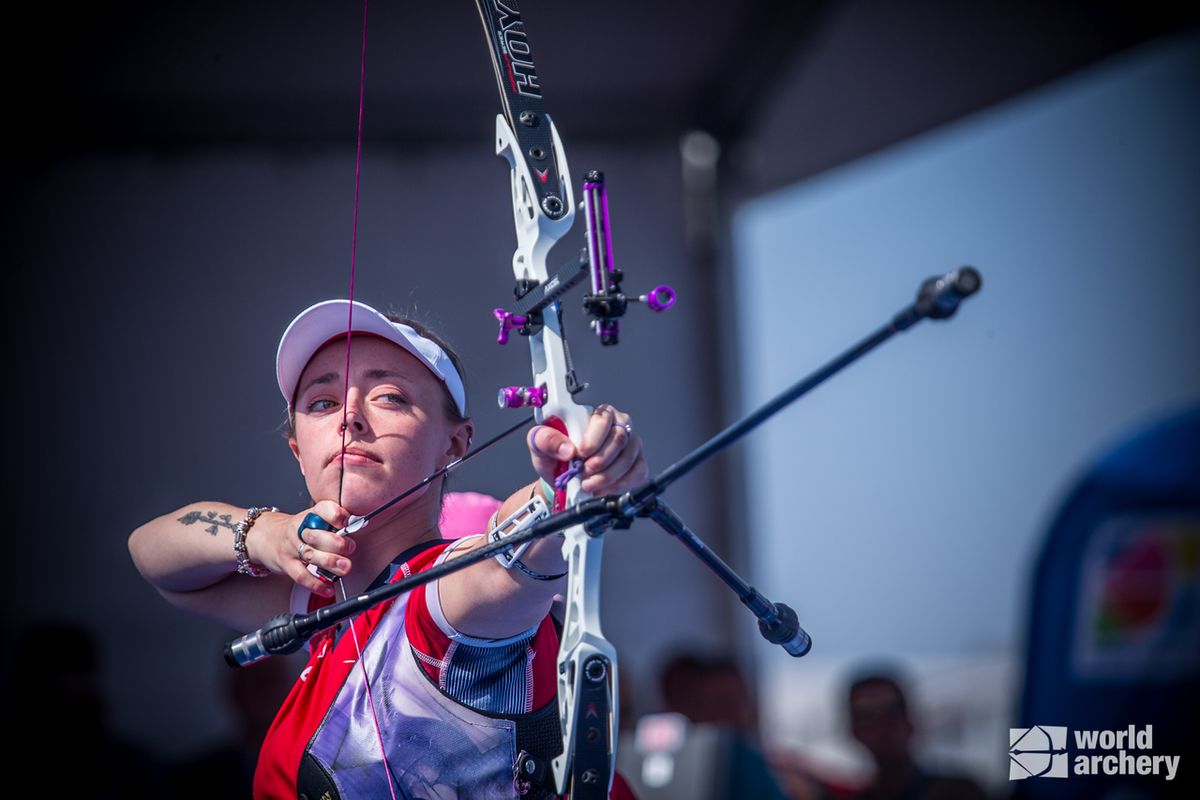
Quick Answer: The most effective archery practice drills to do at home are blank bale shooting, paper plate progression, and single-arrow focus. Done three times a week for 20–30 minutes, these three drills improve form consistency faster than twice as many unfocused range visits. You need a safe backstop rated for your draw weight, 10–15 […]
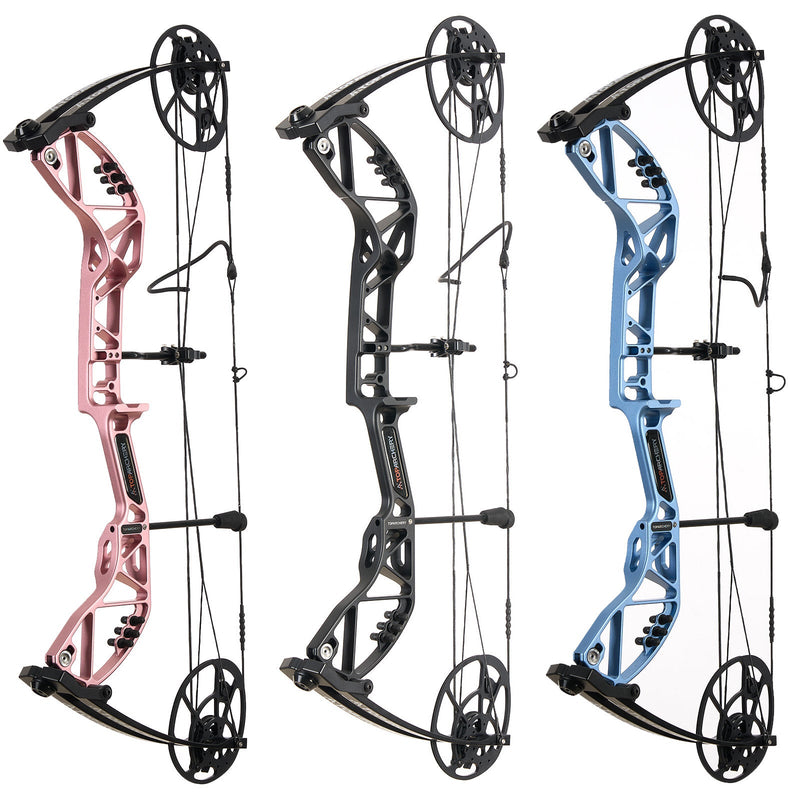
Two compound bows can look identical and cost hundreds apart. Here’s the engineering behind the price tag — and where your money actually stops buying speed.