
Archery Blog
Instinctive Archery: 7 Steps to Aim Without Sights
Jun
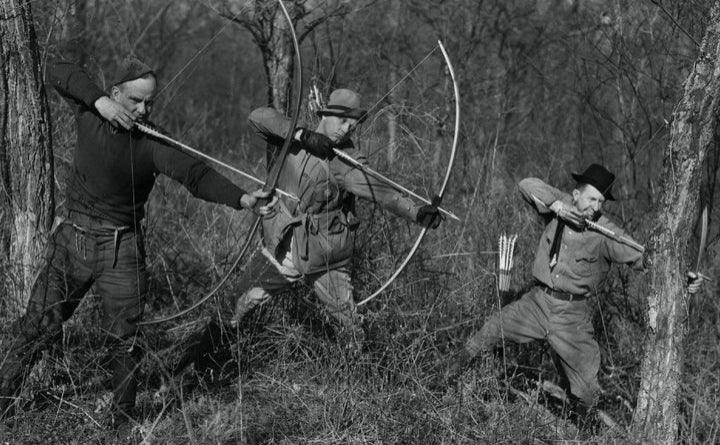
Tim Wells has killed elephants, Cape buffalo, and a charging brown bear with a bare longbow and no sight pin anywhere on it. That is the extreme end of instinctive archery, but the principle that lets him do it is the same one a beginner uses to stick a paper plate at 10 yards: the eye picks the spot, and a body that has rehearsed the shot a few thousand times sends the arrow there. No math, no pins, no rangefinder. This guide breaks down exactly how that works and how to train it without wasting your first year guessing.
What Is Instinctive Archery?
Instinctive archery is a style of shooting where the archer uses no sights, marks, or conscious aiming reference — you look at the target and release, trusting muscle memory to set the bow angle. It is the oldest aiming method on earth, older than the sight pin by roughly 20,000 years, and it is still how most traditional recurve and longbow shooters hunt and compete. The arrow itself sits below your line of sight, so you are never “looking down the shaft” the way a rifle shooter looks down a barrel.
The word “instinctive” oversells the magic a little. You are not born able to do this. What actually happens is closer to how you catch a tossed set of keys: your brain runs a fast, unconscious calculation built from thousands of past reps and tells your hand where to be. World Archery describes barebow and instinctive shooting as demanding “incredible consistency” precisely because the brain can only learn the pattern if every shot feeds it the same data.
How Do You Aim a Bow Without Sights?
You aim by not aiming at the arrow — you lock your eyes on the smallest possible point on the target and let it stay there from draw to follow-through. Pick a single broadhead-sized spot, not the whole target face. The tighter your focus, the tighter your group. If you catch yourself looking at the arrow tip or the gold ring instead of one tiny spot, you have already drifted toward conscious aiming.
Behind that focus sits the part most beginners skip: a rock-solid anchor point. Your draw hand has to land in the exact same place on your face every shot — index finger to the corner of the mouth, or middle finger to the canine tooth, whatever you pick. The anchor is your rear sight. Move it half an inch and your arrow moves a foot downrange. Get the anchor wrong and no amount of “instinct” will save the shot.
Instinctive vs. Gap Shooting: Which Should You Learn?
People lump every no-sight method under “instinctive,” but there are really two camps, and the difference matters for how you train. Pure instinctive is subconscious — you see the spot and release, no reference to the arrow at all. Gap shooting is conscious — you use the arrow tip as a crude pin and learn the visual “gap” between the tip and the bullseye at each distance.
The honest take: most archers who call themselves instinctive are doing a quiet blend of both, and that is fine. Gap shooting gets you on paper faster and is easier to diagnose when you miss. Pure instinctive shines at unknown distances and snap shots in the field, which is why bowhunters favor it. If you are brand new, start with gap reference points so you understand your arrow’s flight, then let them fade as your subconscious takes over. Trying to go fully instinctive on day one usually just means flinging arrows into the dirt for a month.
The 7-Step Instinctive Shot Sequence
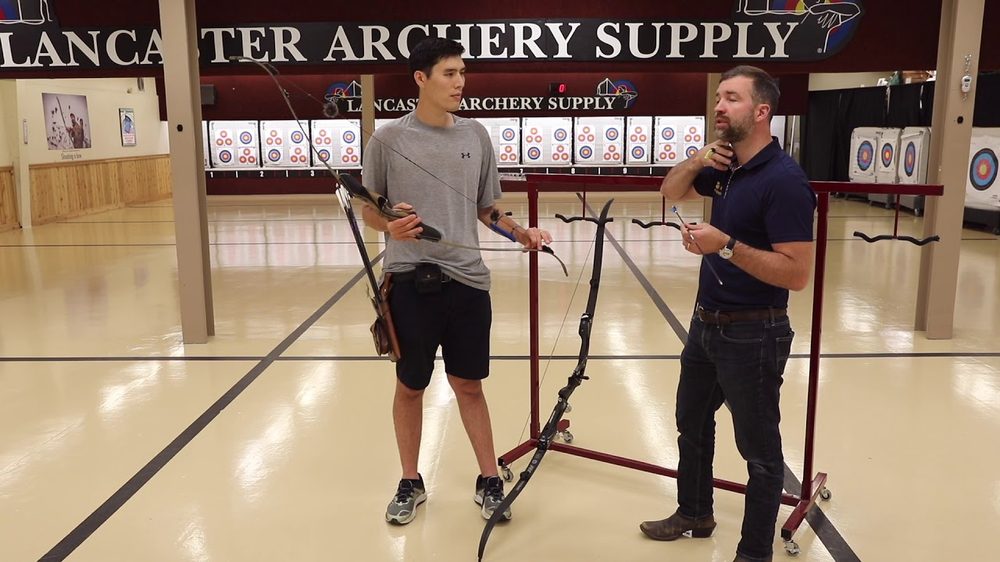
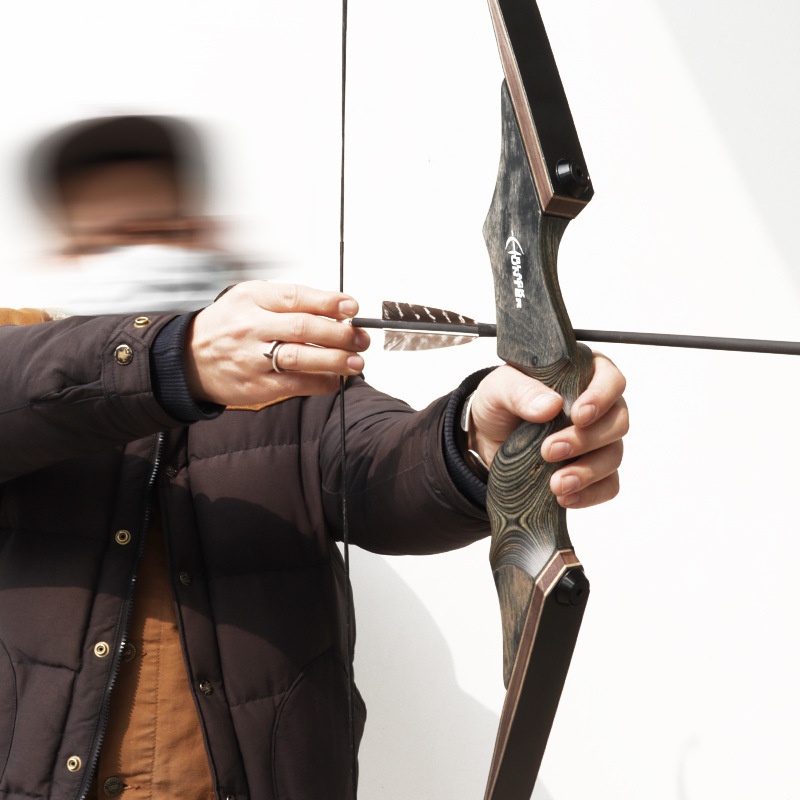
Consistency is the entire game, and the way you get it is by running the identical checklist before every single arrow — same things, same order, no exceptions. Here is the sequence most coaches teach, stripped to what matters.
- Stance. Feet shoulder-width, square to perpendicular with the target, weight even. Your lower body should feel boring and unchanging shot to shot.
- Nock. Seat the arrow on the same spot of the string every time. A nock point or brass nock locator removes one variable.
- Grip and set. Relax the bow hand — a death grip torques the riser. Set your draw fingers the same way each time.
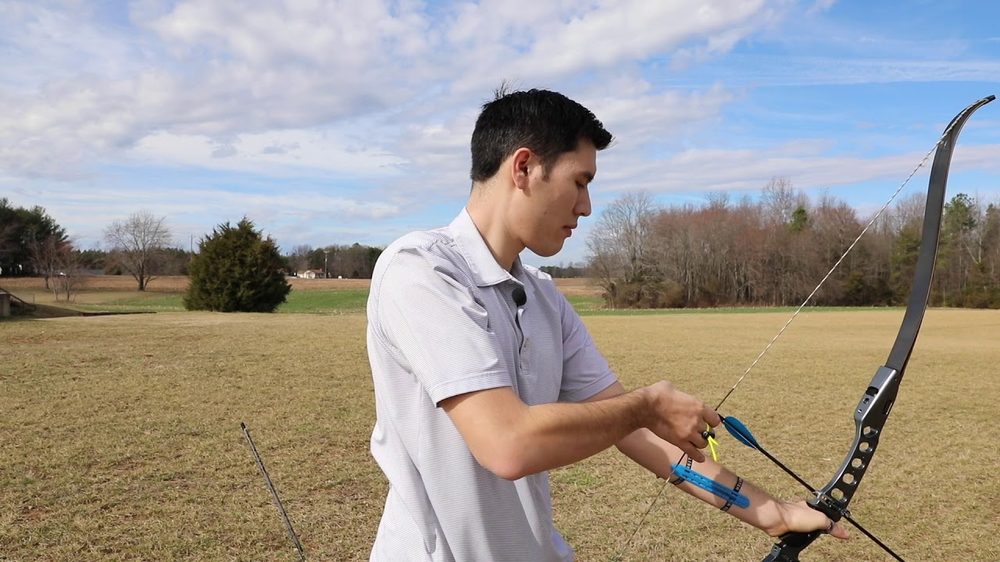
- Draw. Pull the string to your face. Bring the string to you; never duck your head down to meet the string.
- Anchor. Land your reference point exactly — corner of the mouth, tooth, or jaw. Hold it.
- Focus and release. Burn your eyes into the spot, expand through the shot, and let the string slip — don’t pluck it.
- Follow through. Keep your bow arm up and eyes on the spot until the arrow lands. Dropping the bow to “watch” the shot is the most common cause of low hits.
Do every step the same way and your brain gets clean, repeatable data. Skip a step or rush the anchor and you are teaching it noise. For a deeper breakdown of where your fingers should land, see our guide to the archery anchor point.
What Is the Best Bow for Instinctive Shooting?
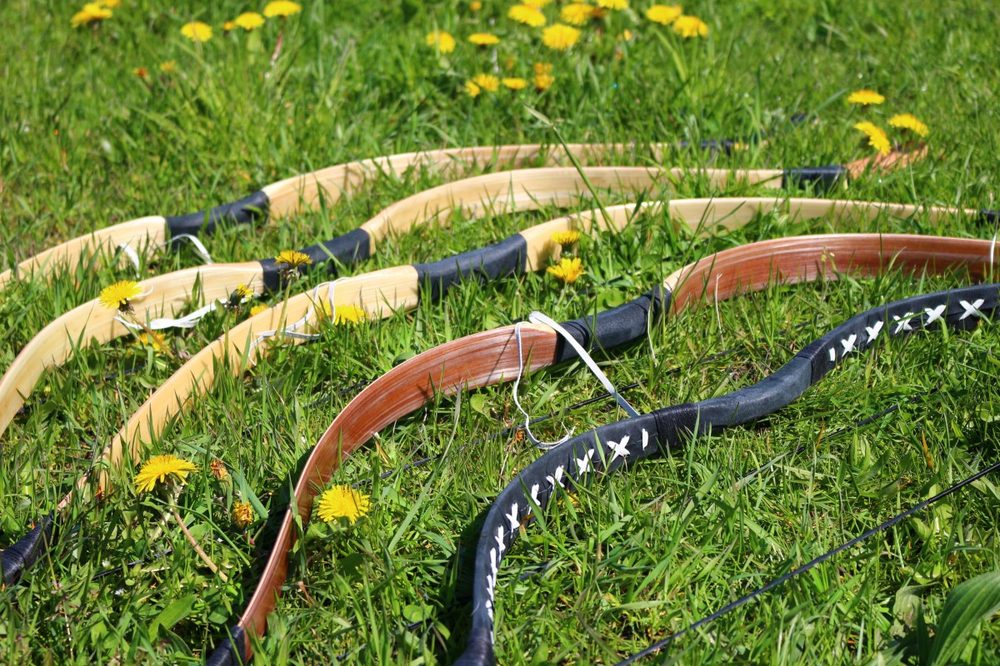
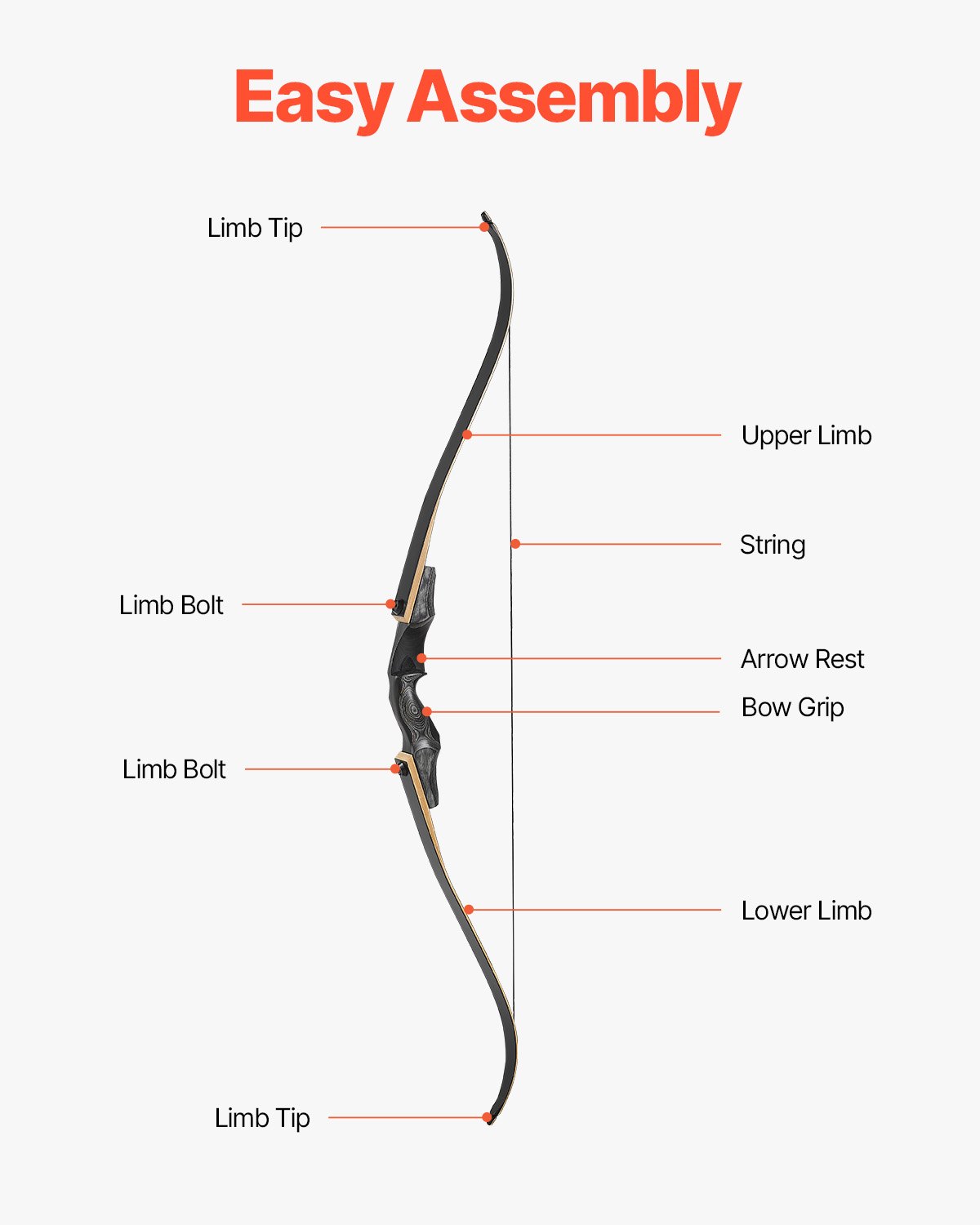
A traditional recurve or longbow is the natural choice, because both put the arrow shelf close to your hand and have no cams or let-off to fight your timing. A recurve’s swept limb tips deliver more speed and a flatter trajectory than a straight-limbed longbow, which makes distance judgment a little more forgiving for beginners — that is the main reason most newcomers to instinctive archery start on a recurve. If you want the full comparison, our breakdown of recurve vs. longbow covers the trade-offs.
Draw weight matters more than people admit. A 60-pound bow you can barely hold will collapse your form long before your subconscious learns anything. Start light — 25 to 35 pounds is plenty for the first few months — and let perfect repetition, not heavy poundage, build the skill. You can move up once your anchor is automatic. Whatever bow you pick, keep your arrows identical in spine, length, and point weight while you learn; mixed arrows feed your brain conflicting data and stall the whole process.
Which Drills Build Instinctive Accuracy Fastest?
The fastest path to better instinctive archery is boring on purpose. Three drills do the heavy lifting, and none of them involve a bullseye at first.
Blank bale. Stand three feet from a target with no aiming point at all and shoot with your eyes closed. You are not aiming — you are grooving the shot sequence and feeling a clean release without the distraction of caring where it lands. Twenty minutes a day here outperforms an hour of frustrated bullseye shooting.
Close-range spot focus. Move back to five yards, pick a tiny dot, and shoot small groups. Stay close until you are stacking arrows, then add five yards. Earning distance instead of jumping to 30 yards keeps your brain learning instead of guessing.
One-arrow distance ladder. Once you are grouping, shoot a single arrow at varied unknown distances around a 3D course or your yard. This trains the real skill instinctive shooters need: snap distance judgment with no second shot to correct from.
Common Mistakes That Wreck Instinctive Shooting
Most plateaus trace back to a short list of repeat offenders. Snap shooting — releasing the instant you hit anchor instead of holding and expanding — is the big one, and it eventually becomes full target panic if you let it fester. Peeking, where you drop your bow arm to watch the arrow fly, drags your shots low and right (for a right-handed archer) more reliably than any equipment flaw.
The other quiet killer is an inconsistent anchor. Archers will obsess over their bow and ignore the fact that their draw hand lands somewhere slightly different every shot. Fix the anchor before you blame the arrows. And a string slap on your forearm will teach you to flinch fast — a single welt is enough to wreck a session, which is why an arm guard is not optional gear for traditional shooters.

How Long Does It Take to Learn Instinctive Archery?
With honest daily practice, most people shoot respectable groups at 15 yards inside three to six months. The first month feels hopeless — arrows scatter and you wonder if the whole “no sights” thing is a myth. Then somewhere around week six the pattern clicks and groups tighten almost overnight, because the subconscious finally has enough clean reps to work with. That sudden jump is the single most satisfying moment in traditional archery.
The catch is that the skill is a use-it-or-lose-it muscle. Top traditional shooters keep their groups by shooting nearly every day, even if it is just 15 arrows of blank bale. Take a month off and your anchor and timing drift; the good news is they come back far faster the second time. If you want to keep building your form, our guide to how to aim a recurve bow pairs well with everything here. Pick one bow, one set of matched arrows, and shoot a little every day — that beats any gadget on the market.
Sources
- World Archery — Barebow Equipment — official explanation of barebow and no-sight shooting at the elite level.
- Wolf & Iron — How to Shoot a Bow Instinctively — shot sequence and anchor fundamentals for traditional shooters.
- Archery Dude — Instinctive Archery: How to Aim a Bow Without Sights — instinctive vs. gap shooting and practice drills.
Browse archery bows, arrows, and accessories at the Archery Supplier shop →
