11
Jul
Jul
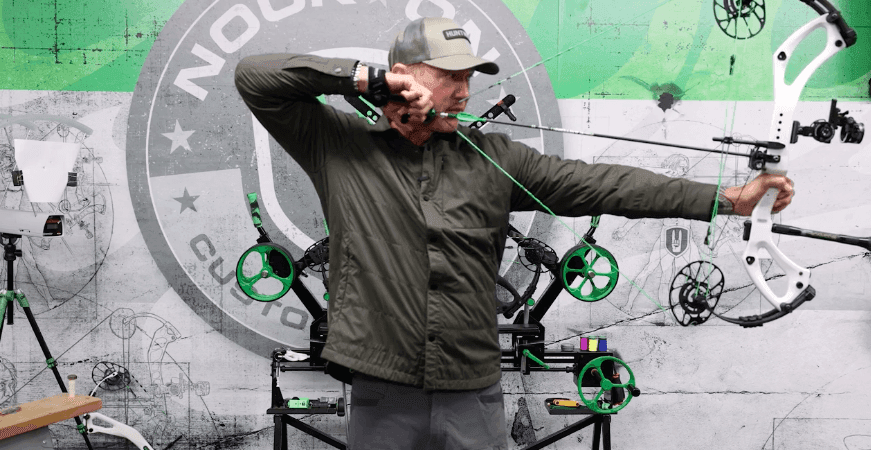
Let-off is the mechanical magic that lets a compound archer hold a heavy bow at full draw with almost no effort. Here is how it works and how to use it.

Let-off is the mechanical magic that lets a compound archer hold a heavy bow at full draw with almost no effort. Here is how it works and how to use it.
A complete draw weight selection guide covering discipline, body type, let-off, arrow spine, and safe progression so you pull the poundage that actually fits your shooting.
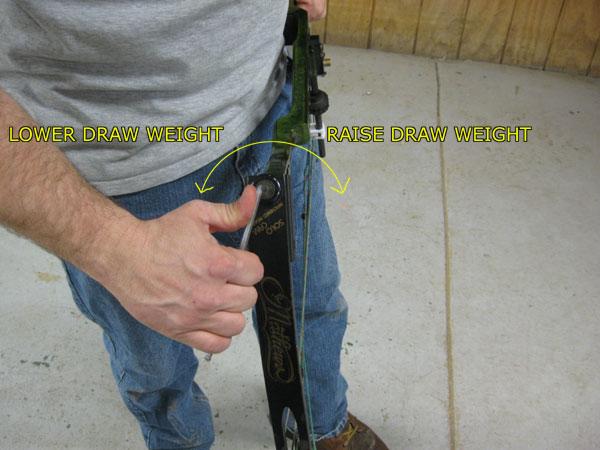
A field-first guide to choosing a hunting compound bow — how draw weight, speed, axle length, and let-off actually translate to clean kills on whitetail, elk, and everything in between.

Beginner draw weight decoded: how to pick the right recurve or compound poundage, avoid getting over-bowed, and know when to move up.
Quick Answer: Arrow spine is the stiffness of your arrow shaft, written as a number like 340 or 500 — the lower the number, the stiffer the arrow. To choose the right spine, match your bow’s actual draw weight and your arrow length (not draw length) against a manufacturer’s spine chart, then adjust for point […]
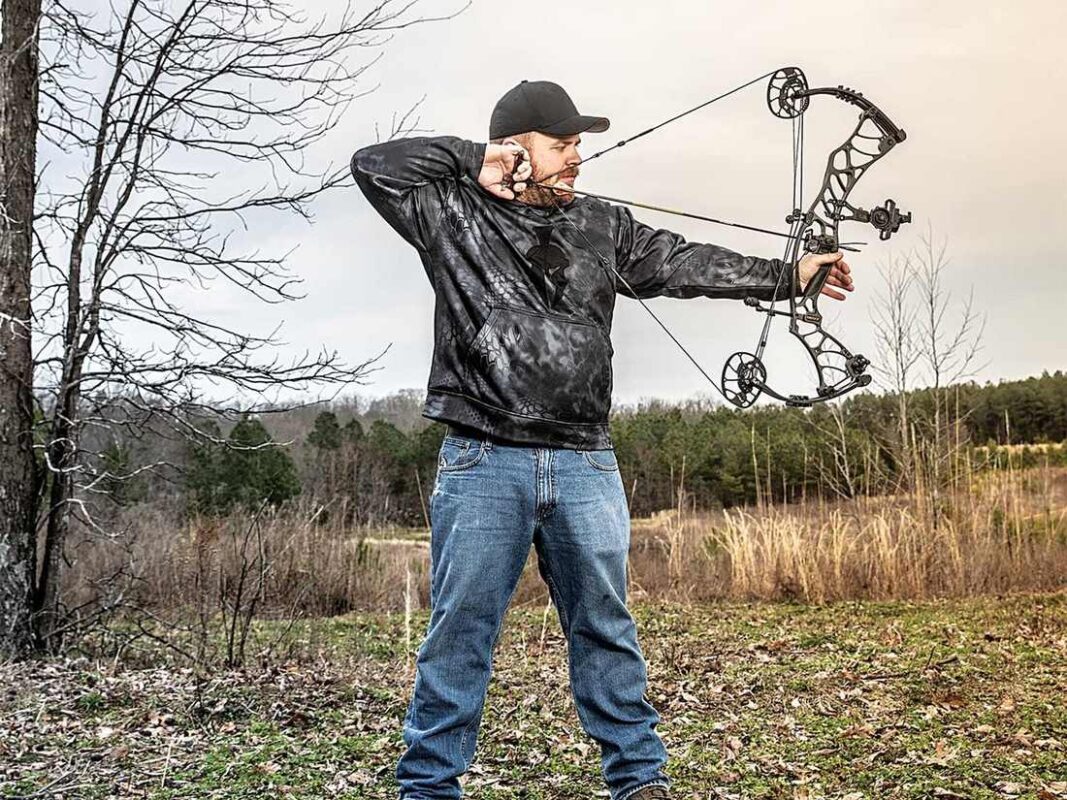
Quick Answer: A compound bow can physically shoot an arrow 300 to 500 yards when angled for distance, and record flight shots have cleared 600 yards. But that number is meaningless for real shooting. The effective range of a compound bow — the distance where a trained archer can land an arrow in a 6-inch […]
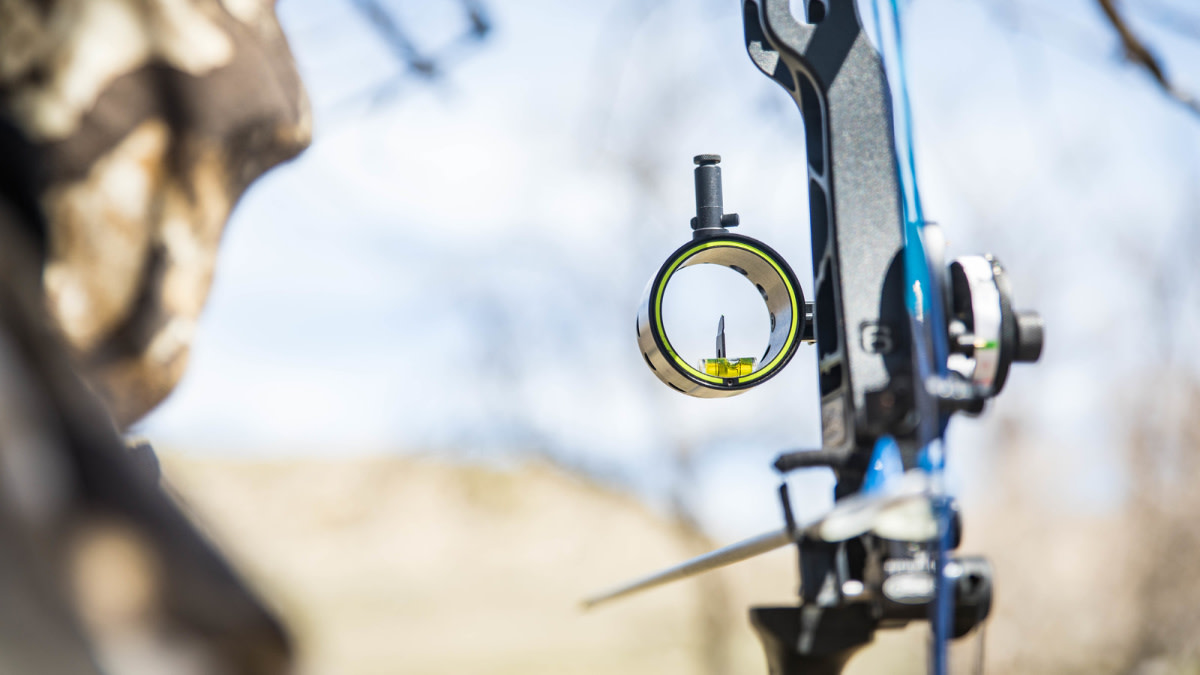
A no-fluff compound bow buying guide for 2026 — how to read the spec sheet, set a realistic budget, and walk out with a bow that fits you, not the marketing.
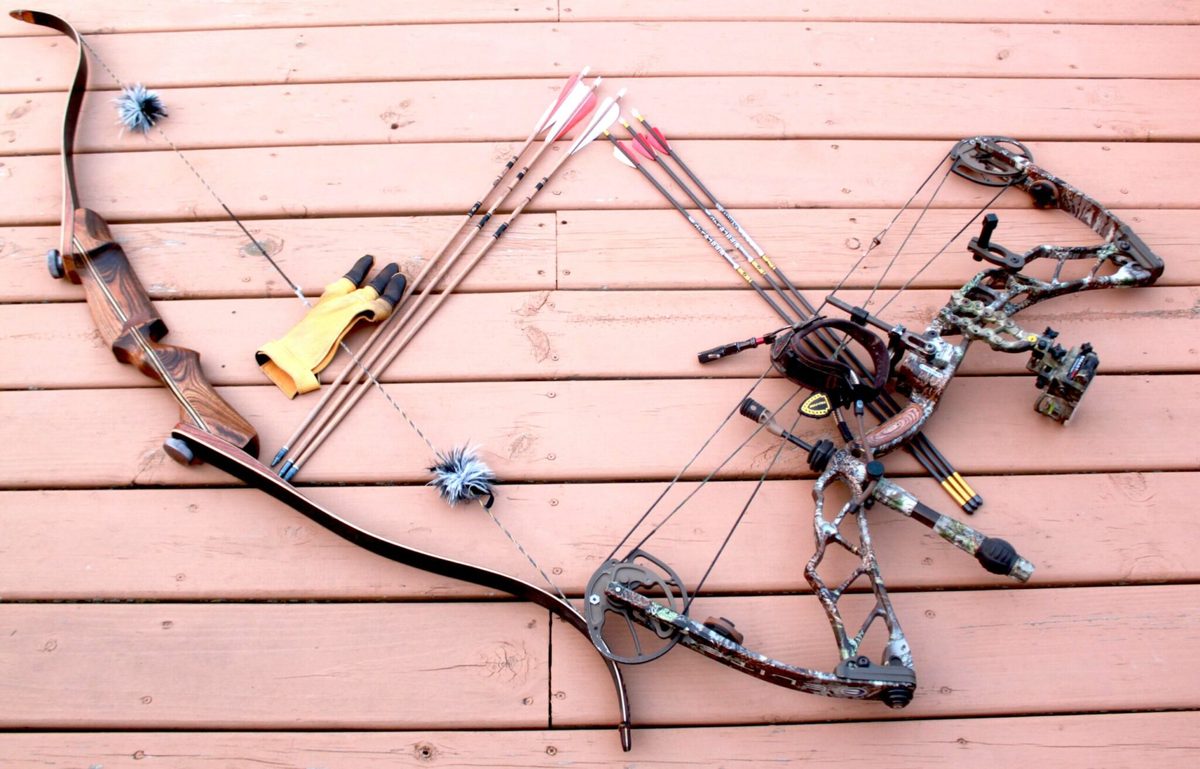
Quick Answer: In the recurve vs compound bow debate, a recurve is the simpler, lighter, cheaper bow that builds better form and rewards practice, while a compound uses cams and let-off to hold most of the draw weight for you, making it easier to aim and far more powerful at distance. Choose a recurve to […]
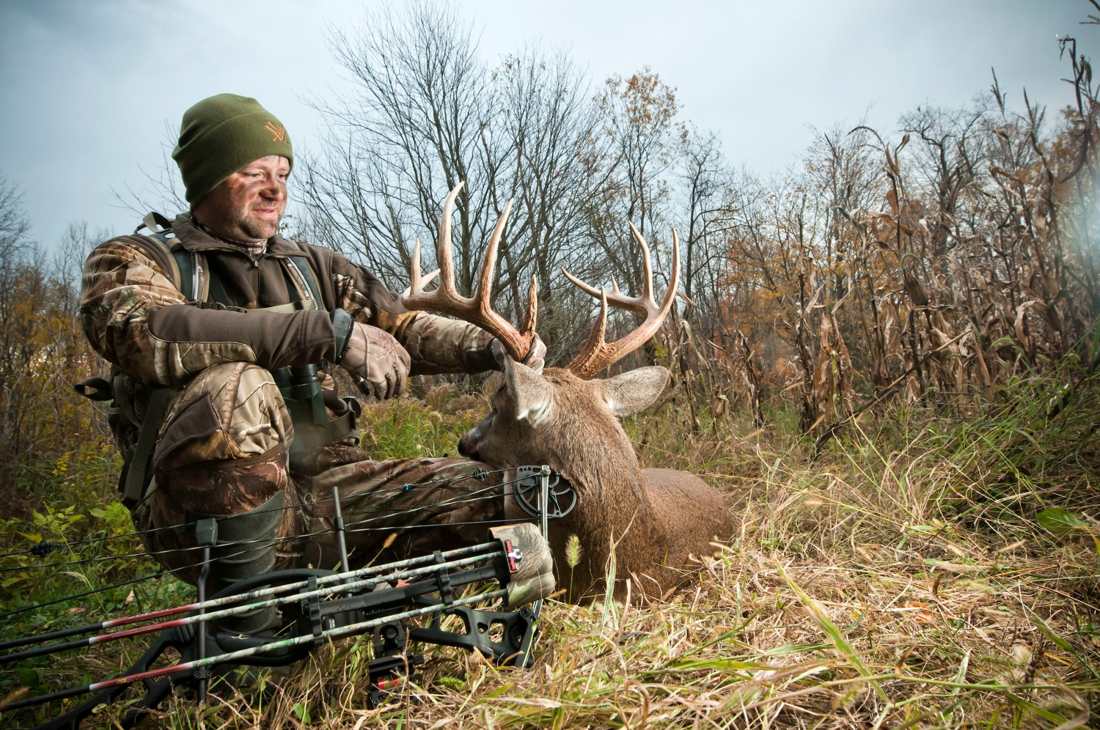
How much draw weight you really need for deer and elk — legal minimums, the kinetic energy that matters, and how to pick a poundage you can actually shoot.
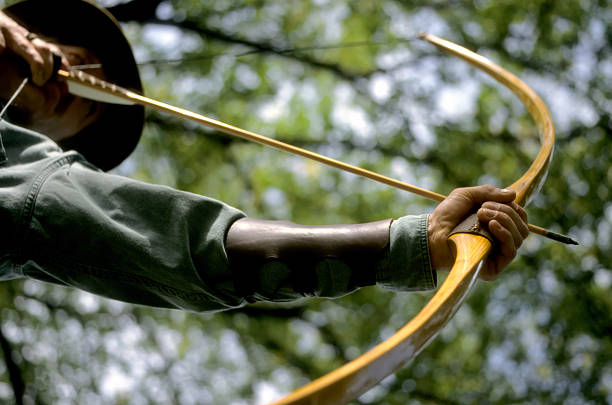
A practical longbow buying guide covering draw weight, AMO length, materials, takedown vs one-piece, budget tiers, and the rookie mistakes that ruin a first traditional bow.