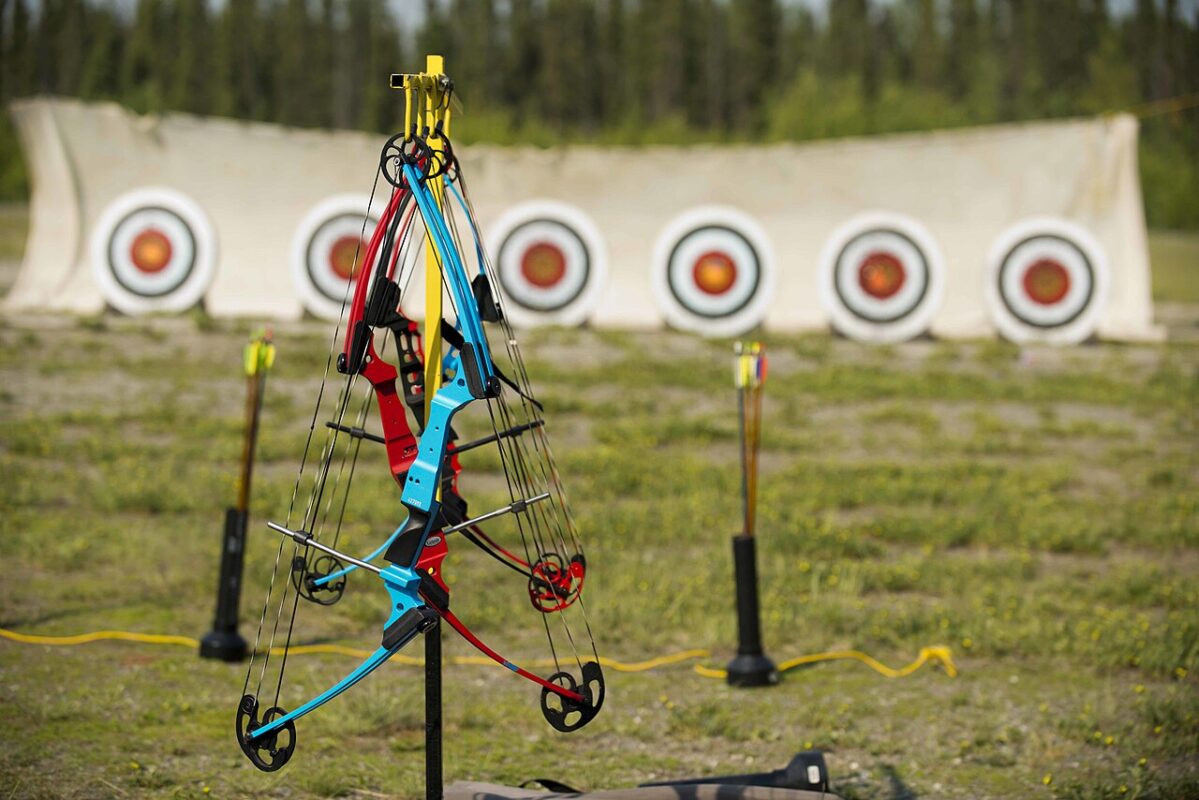
Bow quiver types compared: hip, back, and bow-mounted. Match the quiver to the way you actually shoot — target, traditional, or bowhunting.
Tag Archives: archery equipment
A no-nonsense buyer’s guide to the 8 best recurve bows for beginners — Samick Sage to Hoyt Satori — with draw weight, length, and price comparisons.
A practical release aid buying guide that walks through index, thumb, and hinge releases — and how hand size, draw length, and your shooting discipline should steer the choice.
A practical, hands-on comparison of whisker biscuit, drop-away, and blade arrow rests — strengths, weaknesses, tuning quirks, and the right pick for hunting, 3D, or target archery in 2026.
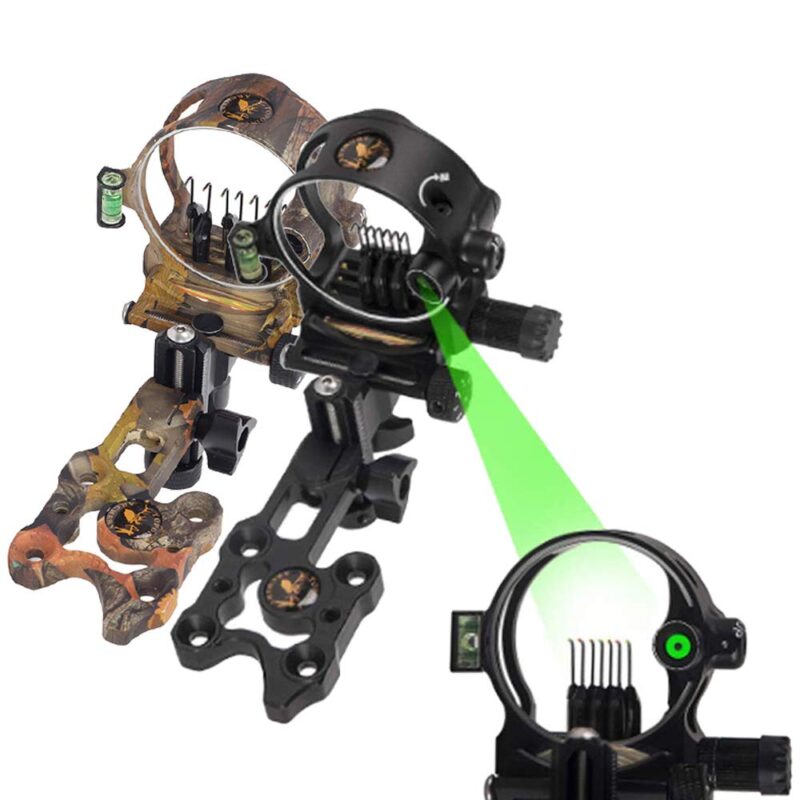
Single pin vs multi-pin bow sight durability compared — fiber fade, slider gear wear, housing cracks, bubble level drift, and the maintenance schedule that keeps either design hunting for a decade.
Hybrid slider bow sights combine fixed multi-pin speed with movable single-pin precision. Here’s when to choose each, how to set one up correctly, and which configuration matches your shooting discipline.
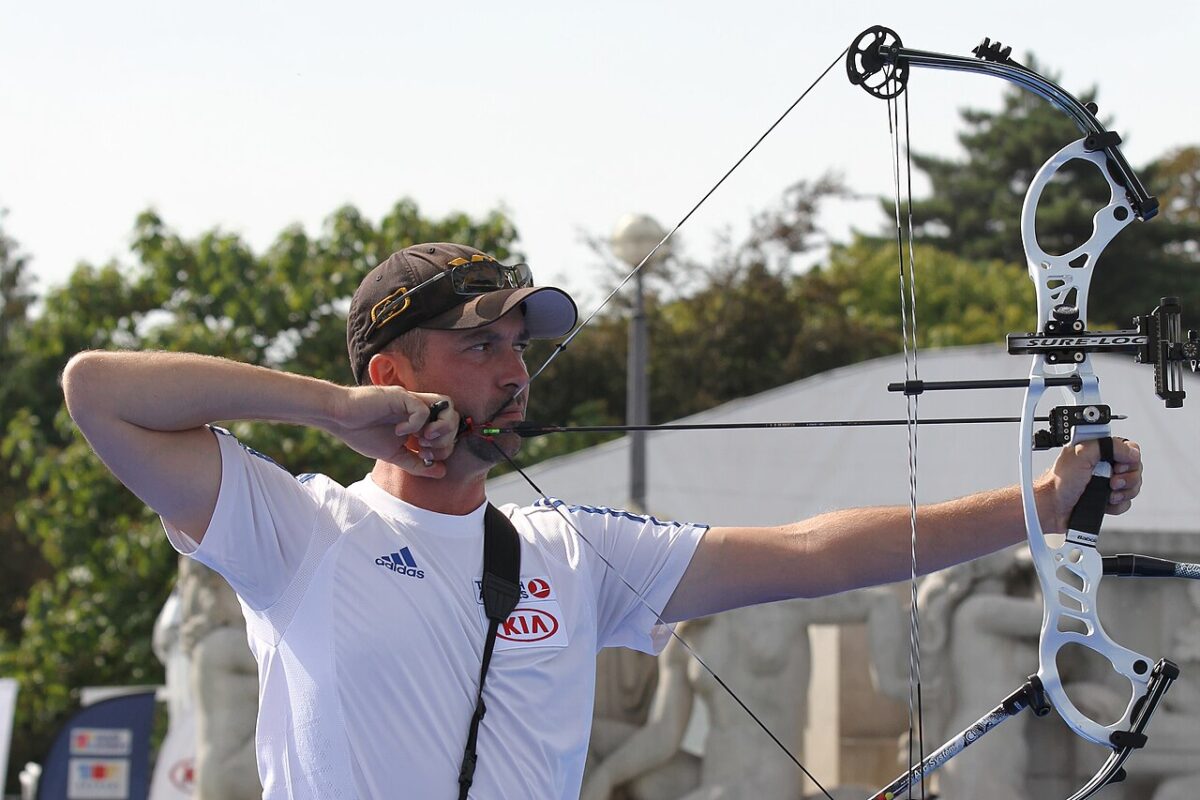
A practical bow sight setup guide for compound archers — mounting, centering, second and third-axis calibration, yardage marking, and the maintenance habits that keep your sight true through a full season of shooting.
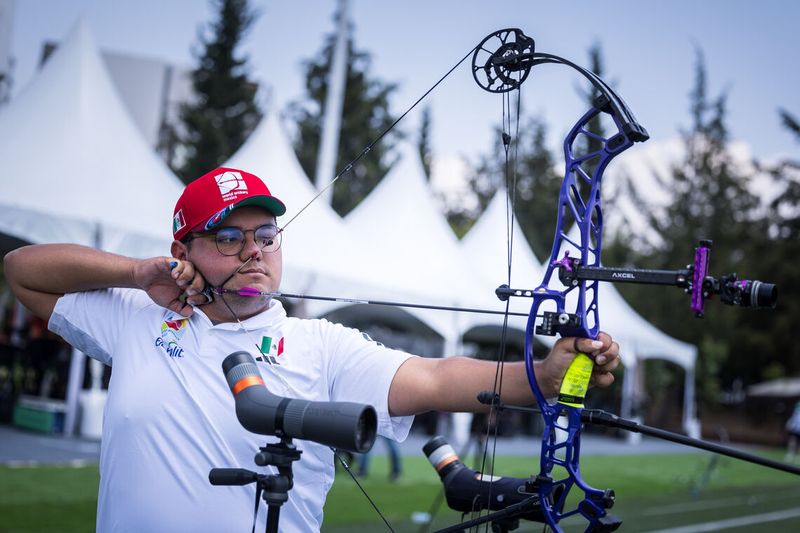
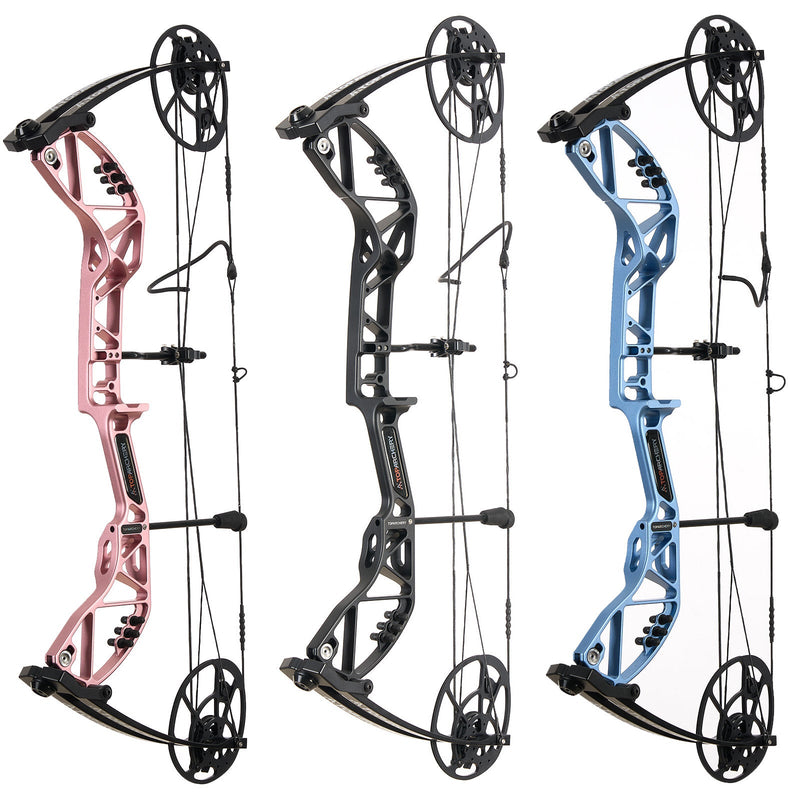
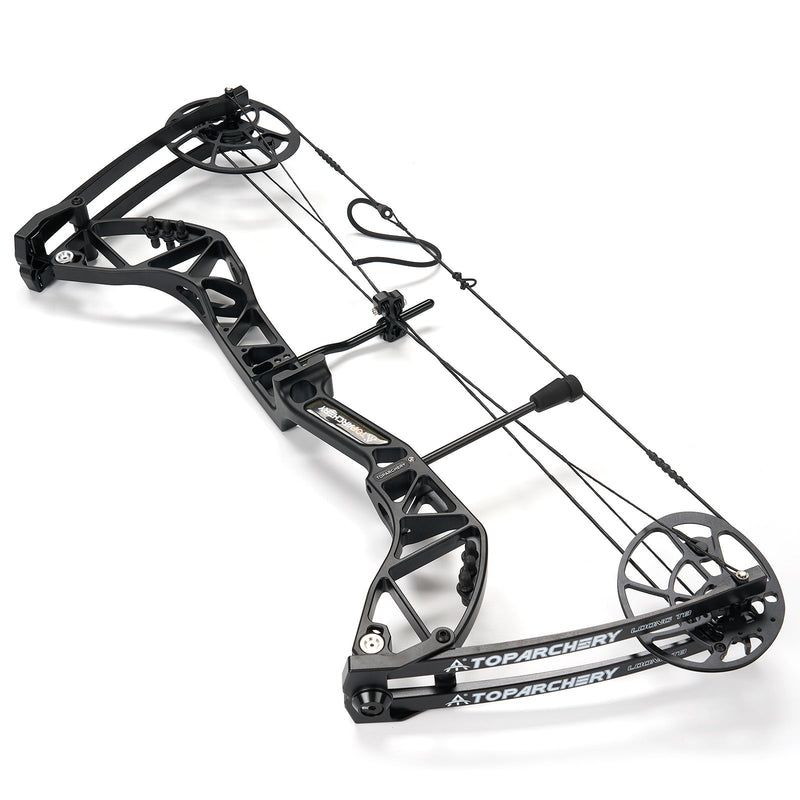
The 2026 compound bow market is louder than ever. This buying guide cuts past the spec-sheet noise and breaks down what every price tier actually delivers, the accessory costs first-timers always miss, and the specs that should drive your decision.
Spine, material, and fletching decide whether your arrows fly true or fight you. Here is how to match all three to your bow, your draw, and your goals.
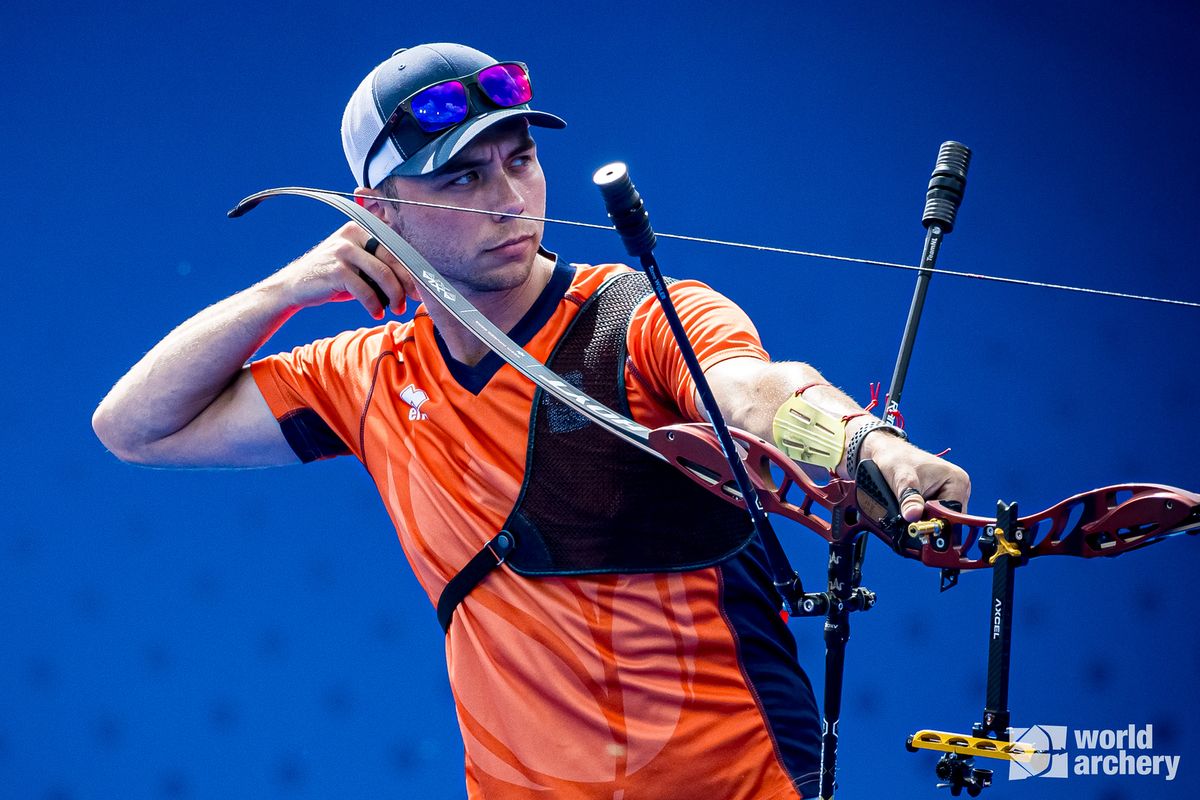
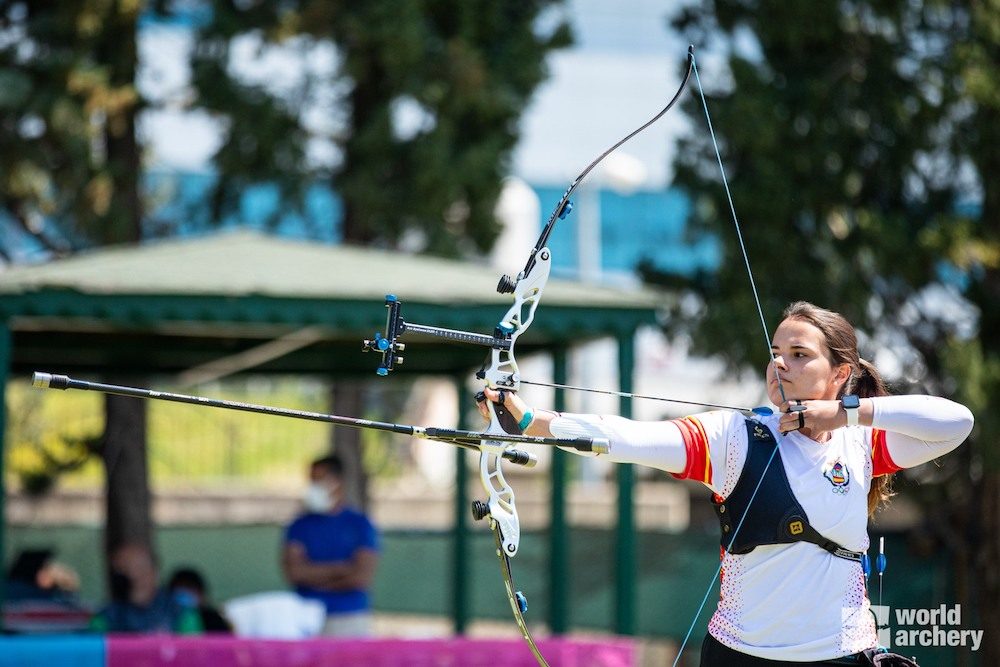
If you are comparing barebow vs recurve, the short answer is this: both use the same basic bow platform, but recurve adds aiming and stabilizing accessories while barebow strips them away and asks the archer to do more with body awareness, string walking, and repeatable form. That makes barebow feel simpler in the hand, but […]