
Archery Blog
Recurve vs Longbow: 7 Key Differences (2026 Guide)

Jun
Strip the marketing off both bows and you are left with one mechanical question: where does the string sit at rest? On a longbow it runs in a straight line from tip to tip. On a recurve, the limb tips curl away from the archer, so the string wraps along the belly of each limb before it leaves the nock. That single design choice ripples into everything else — speed, noise, forgiveness, and how much gear you have to carry. The recurve outsells the longbow roughly three to one in most beginner traditional setups, and the reasons are worth understanding before you spend a dime.
Recurve vs Longbow: The Core Difference in Limb Design
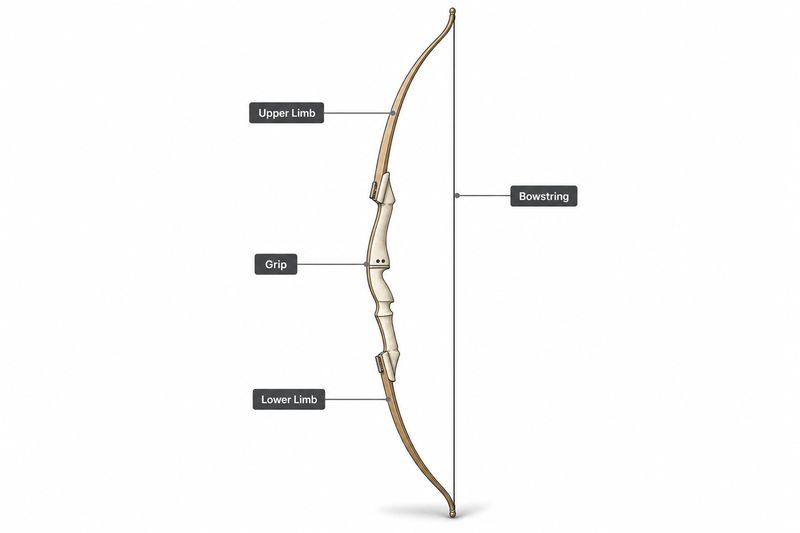
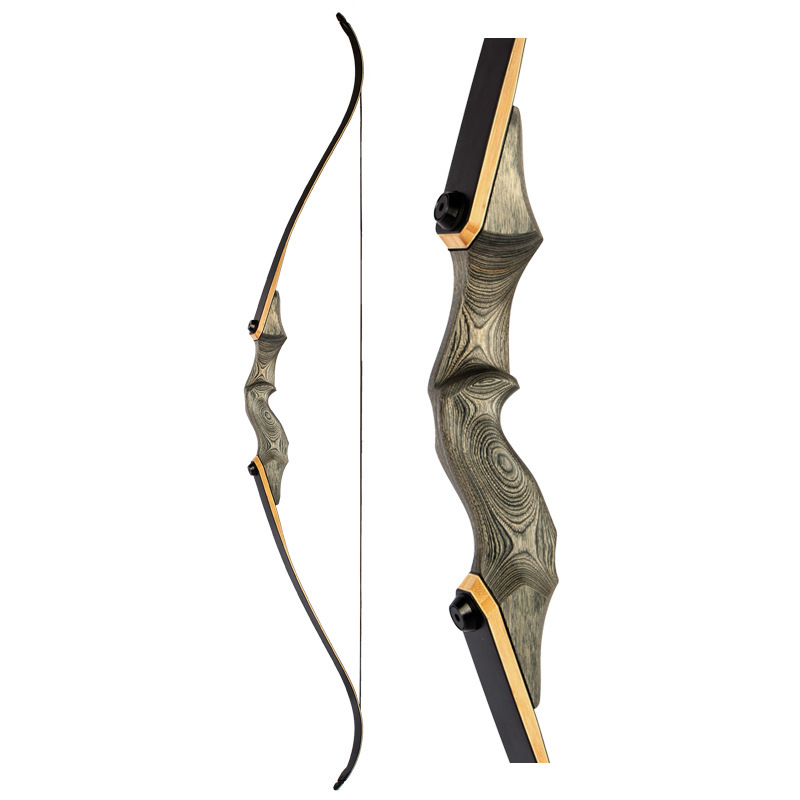
A longbow is essentially a long, gently curved stave that forms a shallow “D” when strung. The limbs bend along their whole length and the string never touches them except at the nocks. A recurve adds a hook at each tip. When you draw, those hooks straighten out and load extra energy, then snap back at release. You get more stored energy from the same draw length and draw weight — that is the entire performance argument in one sentence.
This is also why recurve limbs are shorter for the same power. A 58-inch recurve and a 68-inch longbow can pull the same 45 pounds, but the recurve packs that energy into a shorter, more aggressive limb. Shorter limbs maneuver better in a treestand or ground blind, which matters more to hunters than most beginners expect.
How a Longbow Shoots
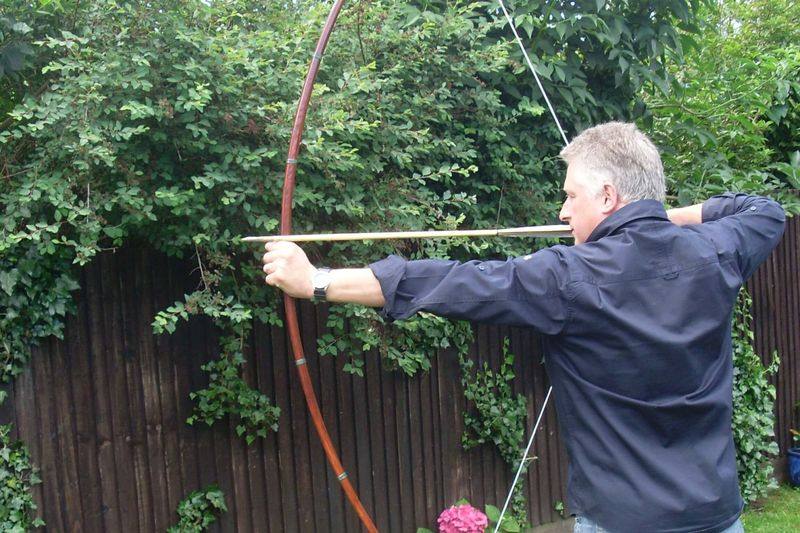
Pick up a longbow and the first thing you notice is the smooth, almost lazy draw. There is no aggressive stacking until you reach the very end of the draw cycle. The shot is quiet — straight limbs generate less string slap and fewer vibration points, so a well-tuned longbow whispers where a recurve can twang. Hunters who hate adding silencers appreciate that.
The tradeoff is hand shock. Because longbow limbs are thick and narrow, more vibration travels back into the grip after release. You feel it as a thump in the bow hand. The grip itself is usually straight and low, which sounds like a downside but is actually the longbow’s secret weapon: a straight grip is hard to torque, so it quietly forgives the small hand errors that throw a recurve off target. That forgiveness is the real reason traditional purists stay loyal to the stick bow.
How a Recurve Shoots
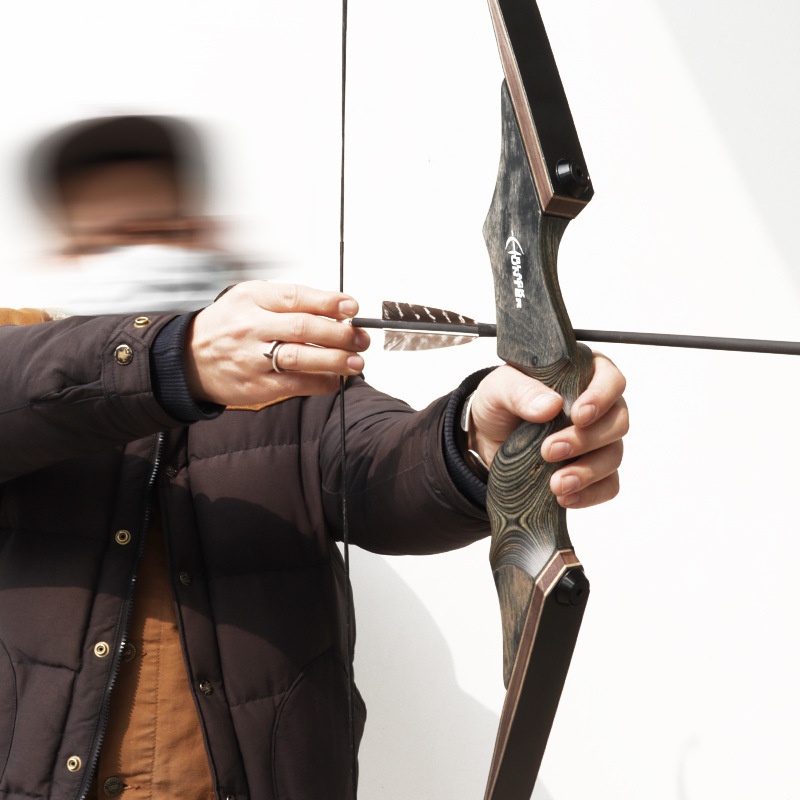
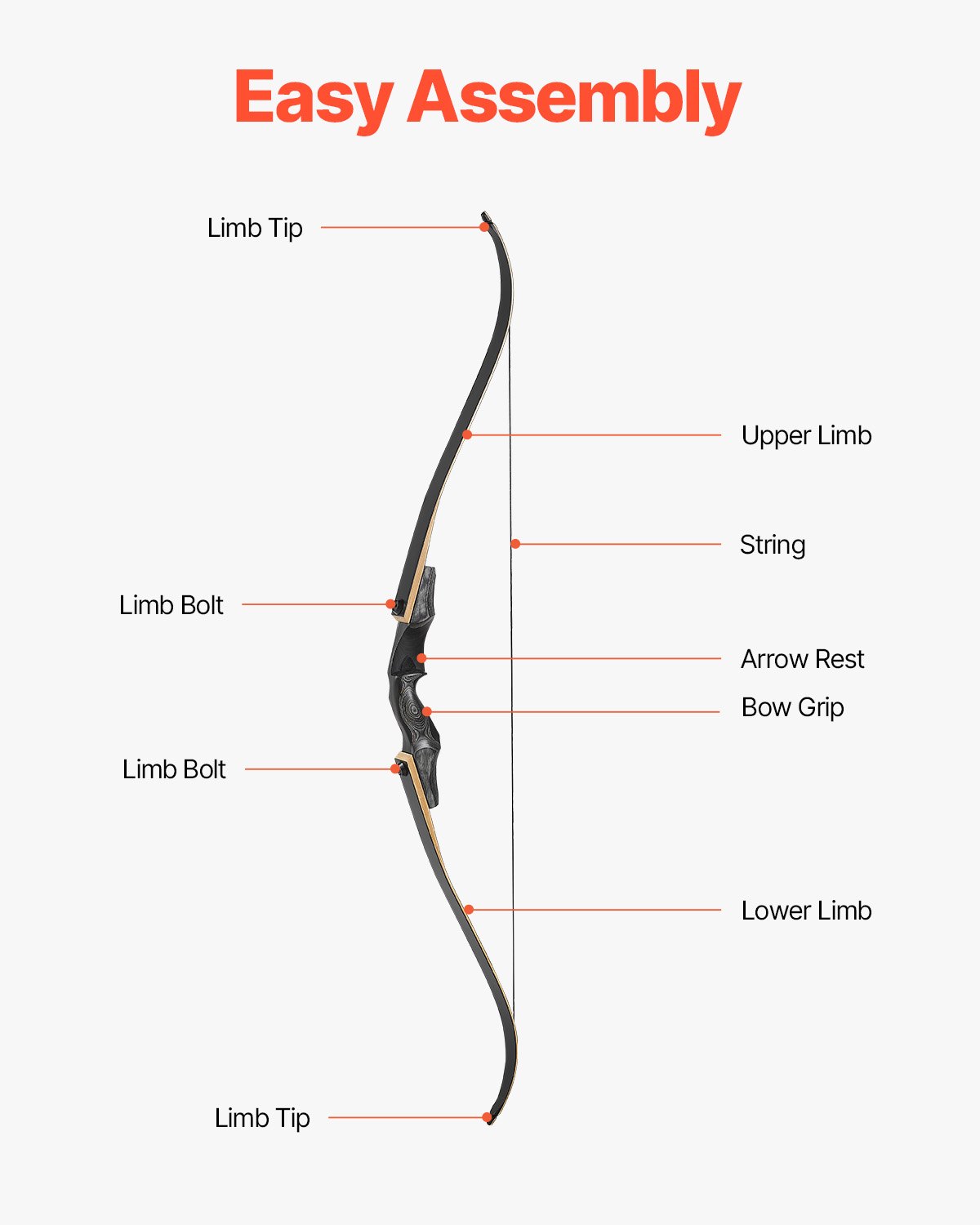
A recurve feels sharper and more energetic the moment you release. That stored energy in the limb tips launches the arrow faster — typically 5 to 10 feet per second quicker than a longbow of identical draw weight. You also get a crisper shot cycle, which many archers find easier to time and repeat. The deflex-reflex shape lets bowyers tune the bow to be both fast and reasonably stable.
Recurves also tolerate arrow spine mismatches better than longbows. If your arrows are slightly stiff or weak, a recurve will still group acceptably while a longbow punishes you with erratic flight. For a beginner who has not dialed in arrow spine yet, that tolerance shortens the frustrating early learning curve. If you are still deciding between traditional and modern gear, our recurve vs compound bow breakdown covers where each style fits.
Speed and Power: Which Bow Hits Harder?
All else equal, the recurve wins the power contest. The recurved tips act like a spring within a spring, so more of your draw energy ends up in the arrow instead of staying in the limbs. World Archery’s own equipment notes describe the recurve as the design that “stores more energy” for a given draw — which is exactly why it became the only traditional bow shot at the Olympics.
| Factor | Recurve | Longbow |
|---|---|---|
| Arrow speed (same draw weight) | Faster (+5–10 fps) | Slower |
| Noise | More string slap | Quieter |
| Hand shock | Lower | Higher |
| Forgiveness of form | Demands clean release | More forgiving grip |
| Arrow spine tolerance | Wider window | Narrower |
| Portability | Takedown into 3 pieces | Usually one piece |
Which Is More Accurate?
Accuracy lives in the archer, not the bow — but the recurve gives a careful shooter more to work with. Modern recurve risers accept sights, plungers, and clickers, and the geometry is engineered for repeatable target work. That is why every Olympic medalist shoots a recurve, not a longbow. If your goal is tight groups at known distances, the recurve is the more accurate platform once your form is sound.
The longbow answers differently. Most longbow archers shoot instinctively, with no sight, reading the gap between arrow and target by feel. At hunting ranges inside 25 yards, a practiced instinctive shooter is deadly. Past that, the longbow’s slower arrow and narrower forgiveness window start to show. So the honest answer to the recurve vs longbow accuracy question is: recurve for measured precision, longbow for close-range instinctive shooting.

Portability and Takedown: The Practical Edge
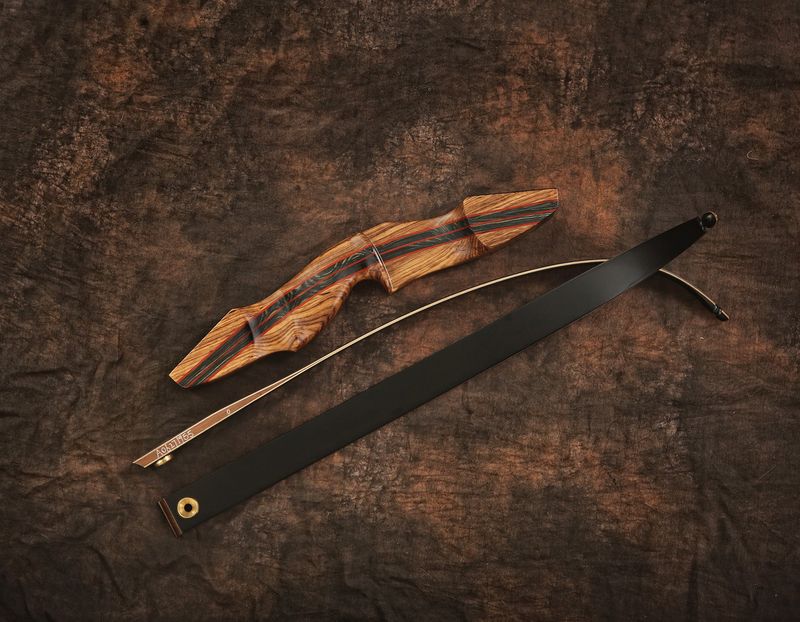
This is where the recurve quietly runs away with it. A takedown recurve splits into a riser and two limbs that drop into a backpack-sized case. Snap a limb on a flight and you replace one limb, not the whole bow. You can also bump up draw weight later by buying heavier limbs for the same riser — a real money-saver as your strength grows. Break a one-piece longbow and you are usually shopping for a new bow.
For travelers, bowhunters hiking into the backcountry, or anyone short on storage, the takedown recurve is simply more practical. The longbow’s one-piece build is part of its charm and its quiet, but it is luggage you cannot shrink.
Which Is Easier for Beginners?
Most coaches hand a new traditional archer a recurve, and the data backs the instinct: the wider spine tolerance, the takedown adjustability, and the larger selection of beginner kits all flatten the learning curve. You can start at 25 pounds, learn clean form, and step up limb weight without rebuying. Our guide to the best recurve bows for beginners walks through sensible starting weights.
That said, the longbow is not a bad first bow — it is just a different teacher. Its forgiving grip rewards a relaxed bow hand from day one, and the simplicity (no plunger, no sight, no rest fuss) keeps you focused on the fundamentals of draw, anchor, and release. If you are drawn to the meditative, gear-light side of archery, a longbow will teach you discipline faster than a tricked-out recurve. New to either? Start with our getting started with traditional archery basics.

Maintenance, Durability, and Cost
Both bows need the same basic care: wax the string every few weeks, store unstrung or with a slackened string, and keep them out of a hot car where heat can warp limbs. Wood-and-fiberglass laminates on either bow last for years with that routine. The difference is repairability. A takedown recurve’s modular limbs mean a single damaged limb is a cheap fix; a one-piece longbow is replace-or-nothing.
On price, entry kits land in the same neighborhood — a solid beginner recurve kit and a basic longbow both start around the cost of a decent pair of boots. The recurve’s hidden savings is the upgrade path: one riser, multiple limb sets, no second bow. For a deeper look at stick-bow value, see our longbow buying guide.
Recurve vs Longbow: Which Should You Buy?
Buy the recurve if you want speed, the option to add sights, easy travel, and room to grow your draw weight — it is the safer all-around pick and the better hunting tool in tight cover. Buy the longbow if you crave the quiet, the history, and a forgiving grip that lets you shoot relaxed and instinctive at close range. Neither choice is wrong; they reward different archers.
If you genuinely cannot decide, get the takedown recurve first. It teaches transferable form, packs small, and grows with you — then add a longbow later when you know what kind of archer you have become. Watch the two bows compared side by side below before you commit.
The recurve vs longbow debate has no universal winner, only a right answer for your shooting style, your space, and your budget. Pick the platform that matches how you actually want to shoot, start at a draw weight you can hold with control, and put in the arrows. Browse our full range of traditional recurve and longbow kits to get your first stick bow in hand this season.
Recurve vs Longbow: Common Questions
Is a longbow or recurve better for hunting? For most bowhunters the recurve edges it out — the faster arrow delivers more kinetic energy for a clean kill, and the shorter limbs clear treestand rails and blind windows. Longbows still take game every season, but they ask for closer shots and tighter shot discipline.
Can you put a sight on a longbow? Technically yes, but almost no one does. Longbows are built for instinctive shooting, and many traditional clubs and round formats bar sights on stick bows. If you want pins and a plunger, a recurve riser is designed to take them; a longbow is not.
Is a longbow harder to shoot than a recurve? Not harder, just less tolerant of mismatched arrows and slower to give feedback. The forgiving grip actually helps new shooters, but the narrower spine window means you need correctly matched arrows sooner than you would with a recurve.
Which is cheaper, a recurve or a longbow? Entry kits cost about the same. The recurve saves money over time because one riser accepts multiple limb weights, so you upgrade draw weight without buying a whole new bow.
Sources
- World Archery — Equipment and Bow Types — how recurve limb geometry stores energy.
- Archery 360 — Types of Traditional Bows — longbow vs recurve hand shock and design differences.
- Traditional Bowhunter Magazine — Longbow or Recurve? — real-world hunting comparison of the two bow styles.
Browse archery bows, arrows, and accessories at the Archery Supplier shop →
