
Archery Blog
Carbon vs Aluminum Arrows: Which Shaft Belongs in Your Quiver?

Jun
Walk into any pro shop and ask which arrow you should be shooting, and the conversation almost always lands on the same fork in the road: carbon or aluminum. It’s one of the oldest debates in modern archery, and it persists because there’s no universal winner. The right answer depends on what you’re shooting, what you’re shooting at, and how much you’re willing to spend replacing shafts. This guide walks through how the two materials actually behave on the shooting line so you can match a shaft to your setup instead of guessing.
A Quick History of the Two Materials
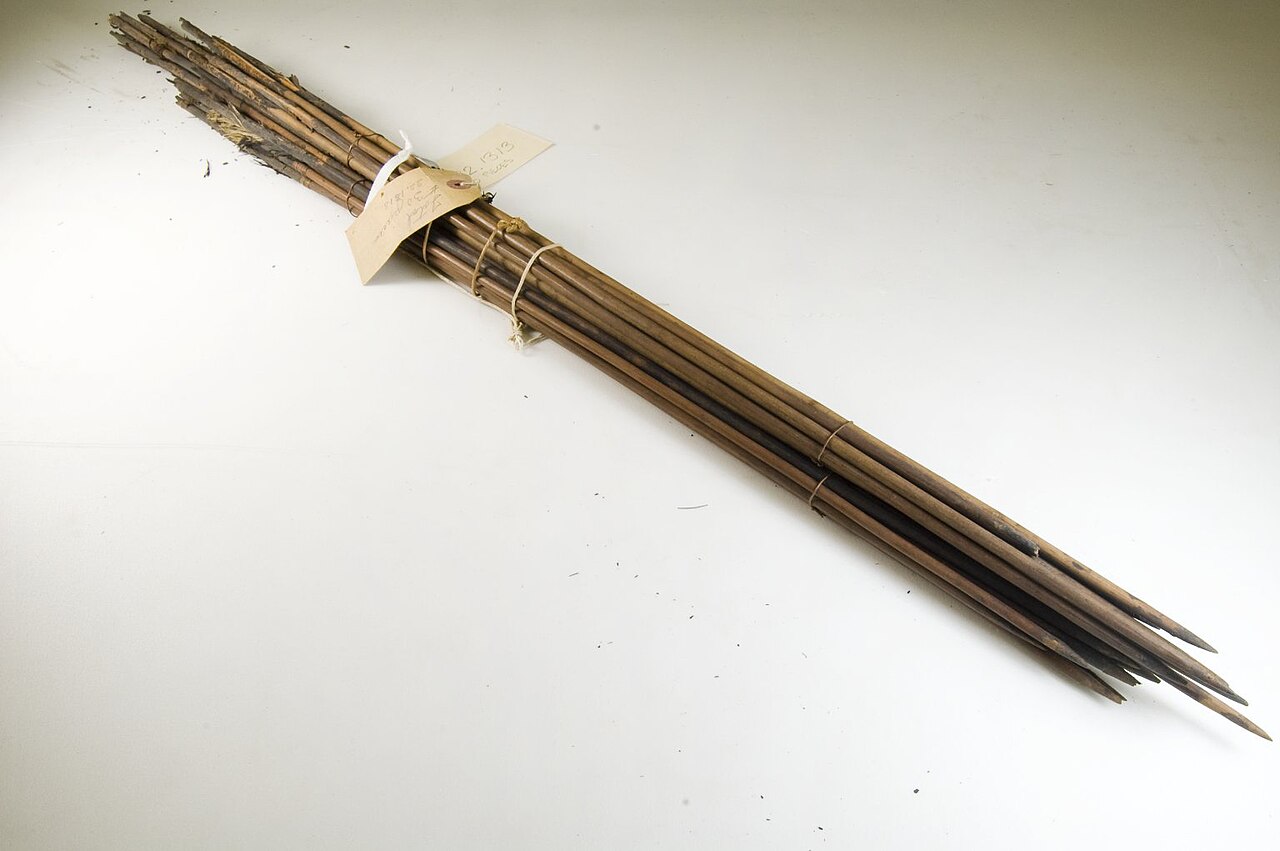
Aluminum arrows changed target archery in the 1940s. Before them, archers shot wood, which warped, varied wildly from shaft to shaft, and broke unpredictably. Aluminum brought something wood never could: consistency. Every shaft in a box measured the same diameter, the same spine, and the same weight within tight tolerances. For decades, aluminum was the gold standard, and Olympic records were set on it.
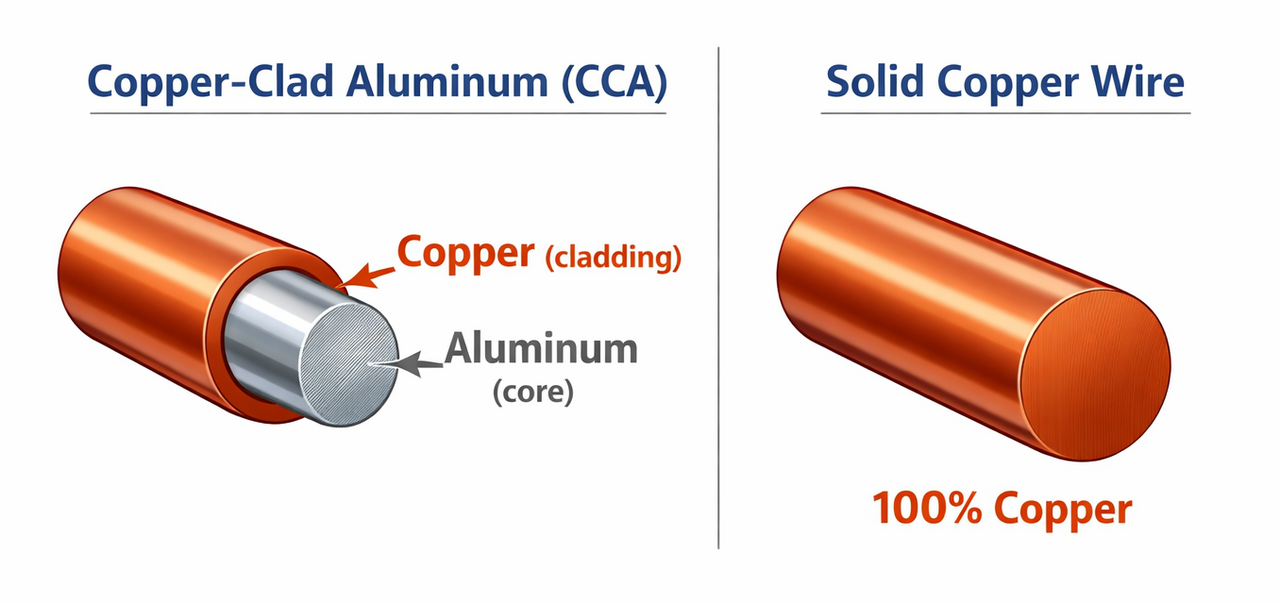
Carbon arrived later and rewrote the rules again. Pure carbon and carbon-aluminum hybrid shafts offered something aluminum struggled with: a thinner profile, lighter weight, and the ability to absorb impact without permanently bending. Today carbon dominates bowhunting and a large share of competitive target shooting, but aluminum never left — it simply found the places where it still wins.
Understanding Spine: The Number That Matters Most
Before comparing materials, you have to understand spine, because spine is where the carbon-versus-aluminum difference becomes real. Spine is the measure of how much an arrow flexes under load. When you release the string, the arrow doesn’t fly straight off the rest — it bends, oscillates, and recovers in flight. This is called the archer’s paradox, and getting spine right is what makes an arrow group instead of scatter.
Both materials are sold in a range of spine values matched to your draw weight, draw length, and point weight. The practical difference is how each material behaves once it’s spined correctly. Aluminum, if over-stressed, takes a permanent bend that quietly ruins accuracy. Carbon flexes and returns to true — until the day it fails. That single behavioral difference drives almost everything else in this comparison.
Durability: Bending vs Breaking
This is the heart of the decision, and it’s where a lot of new archers get the wrong impression. People assume carbon is simply tougher. It isn’t that simple — the two materials fail in completely different ways.
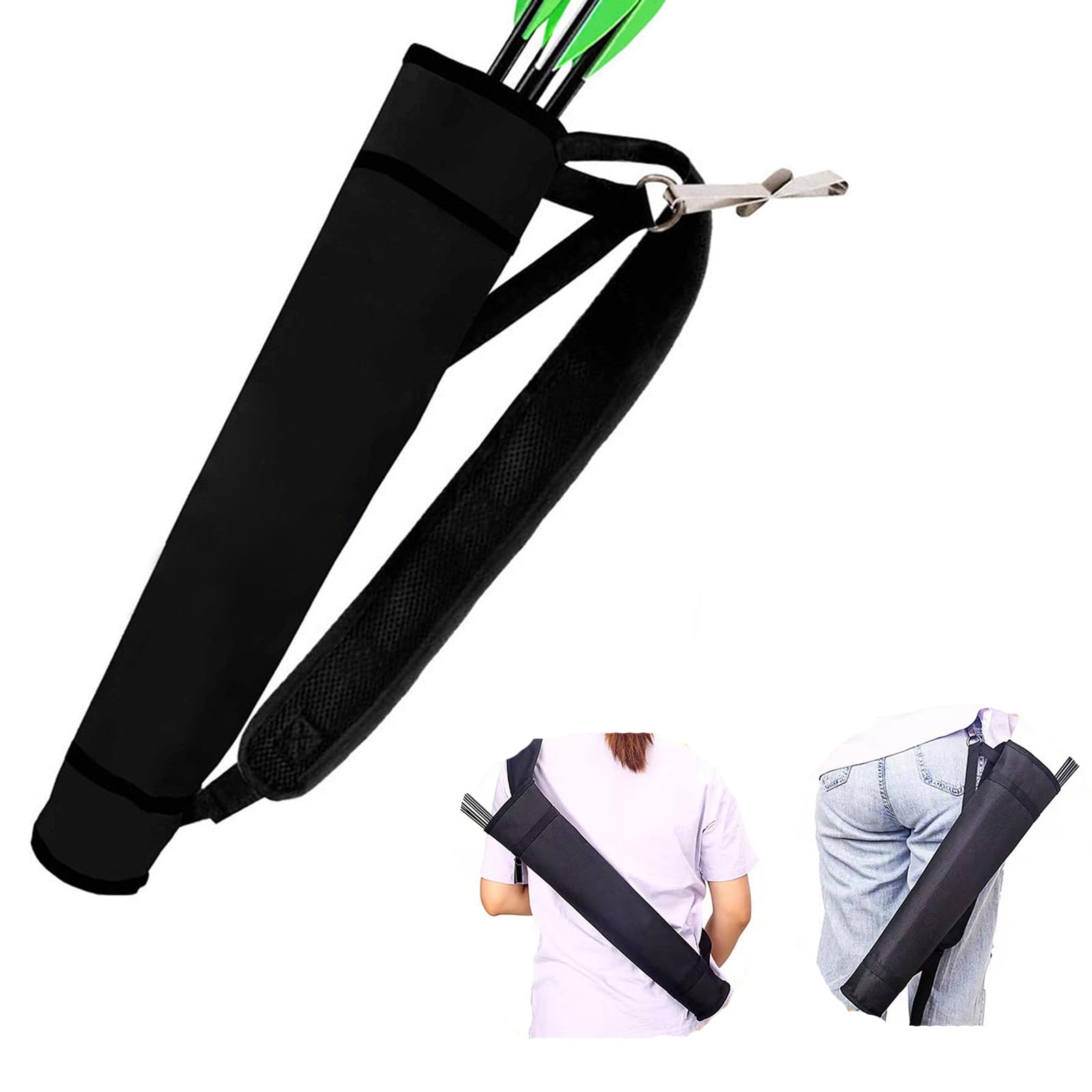
Aluminum bends. Hit a hard backstop, glance off a rib bone, or drop an arrow the wrong way, and the shaft can take a slight bow you may not even see. A bent aluminum shaft flies poorly and can’t be reliably straightened by hand. The upside is that the failure is visible and gradual — you can usually catch it before it becomes dangerous.
Carbon doesn’t bend; it cracks or splinters. A carbon shaft that survives an impact looking fine may have hidden fractures in the fibers. Shooting a compromised carbon arrow is genuinely dangerous — it can shatter on release and drive splinters into your bow hand. This is why every reputable source insists on the flex test before each carbon arrow goes back in the quiver: grip both ends, flex the shaft slightly, and listen for cracking or feel for grinding. If in doubt, retire it.
The rule of thumb: aluminum tells you it’s hurt, carbon hides it. Inspect carbon religiously and you neutralize its only real safety drawback.
Weight, Speed, and Penetration
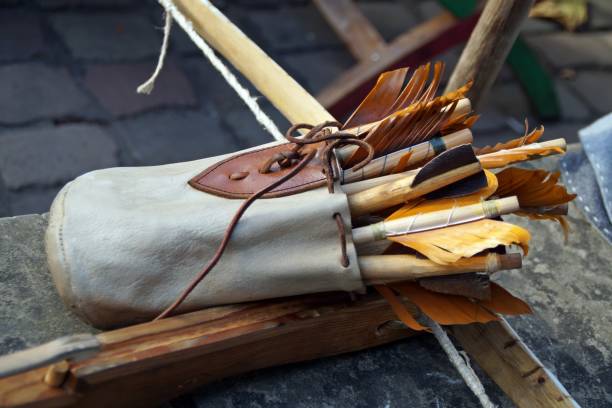
Carbon shafts are generally lighter than aluminum of the same spine, and that lighter mass translates to higher arrow speed and a flatter trajectory. For a bowhunter who wants a forgiving sight picture across uncertain yardages, or a 3D shooter judging distance on the fly, flatter flight is a real advantage.
But speed isn’t the whole story. A heavier arrow carries more momentum and tends to penetrate better and shoot quieter, with less of the bow’s energy left over to rattle the riser. This is why many traditional and hunting archers deliberately build heavier setups. Aluminum’s higher mass per spine can be an asset here, and it’s also why carbon-aluminum hybrid shafts exist — they pair a carbon core with a thin aluminum jacket to get a slim, heavy, micro-diameter arrow that punches through wind and game alike.
Diameter matters too. The thinner profile of carbon and hybrid shafts catches less crosswind and, on game, cuts a narrower entry. On a paper target, a fatter aluminum shaft can physically catch a line for a higher score — which is exactly why indoor target archers often choose large-diameter aluminum or fat carbon shafts on purpose.
Consistency and Tuning
Modern manufacturing has narrowed the old consistency gap, but it hasn’t closed it entirely. Premium aluminum is still prized for tight straightness tolerances and uniform weight, which is why it remains a benchmark for serious target shooters who weigh and spine-index every shaft. Carbon has caught up dramatically at the high end, where top-tier shafts are sorted and matched to extremely fine tolerances — but cheaper carbon can vary more than its price suggests.
The honest takeaway is that price tracks consistency more than material does. A premium carbon shaft and a premium aluminum shaft will both group beautifully once tuned. The difference shows up at the budget end, where aluminum tends to deliver more reliable consistency for the dollar.
If you want to go deeper on matching spine, point weight, and length to your bow, our setup references and the spine charts from major manufacturers should be your starting point before you ever cut a shaft.
Shop Carbon Hunting Arrows on Amazon →
Cost Over the Life of a Dozen
Sticker price tells only half the story. Entry-level aluminum is usually cheaper to buy than entry-level carbon, which makes aluminum attractive for beginners burning through arrows while they learn form and still missing the target now and then. A bent aluminum shaft is a cheap loss.
Carbon costs more upfront but can outlast aluminum in normal use because it shrugs off the impacts that would bend metal — provided you inspect it and it survives. The real budget killer for carbon is a single bad hit that cracks a shaft, because a compromised carbon arrow has to be thrown away entirely. Over a season, a careful target archer often spends less on carbon; a hunter shooting into rocky, root-filled ground may go either way.
Matching the Shaft to the Shooter
The new archer
If you’re just starting, affordable aluminum is hard to beat. It’s forgiving on the wallet, consistent enough to teach you good form, and when you bend one against the backstop you won’t wince at the cost. Many clubs hand beginners aluminum for exactly this reason.
The bowhunter
Carbon or carbon-aluminum hybrid is the default for most hunters. The flatter trajectory helps when range estimation isn’t perfect, the durability survives field abuse, and the slim hybrid shafts deliver the heavy, deep-penetrating arrows that ethical shots demand. Just commit to the flex-test habit on every arrow you recover.
The target shooter
Here it splits by discipline. Indoor shooters often want fat shafts to catch lines, and large-diameter aluminum or fat carbon both serve. Outdoor and field archers facing wind lean toward slim, fast carbon. At the elite level, both materials win medals — the choice comes down to the specific event and personal feel.
Shop Aluminum Target Arrows on Amazon →
The Honest Verdict
There is no single best arrow material, and any shop that tells you otherwise is selling, not advising. Carbon offers speed, a flat trajectory, impact resilience, and slim wind-beating profiles, at the cost of mandatory inspection and a higher entry price. Aluminum offers proven consistency, honest failure, line-catching diameter, and budget-friendly beginnings, at the cost of bending under abuse and shooting a touch slower.
The smartest move isn’t picking a side — it’s matching the shaft to your bow’s draw weight and length, your discipline, and your budget, then tuning whatever you choose until it groups. Get the spine right, build the arrow properly, and both materials will outshoot the archer behind them. The shaft is rarely the limiting factor; form is.
Shop Carbon Arrows on Amazon →
Sources
- Wikipedia — Arrow (construction and materials)
- Easton Archery — arrow shaft technology and spine charts
- World Archery — equipment standards and target archery rules
Browse archery bows, arrows, and accessories at the Archery Supplier shop →
