28
Jul
Jul
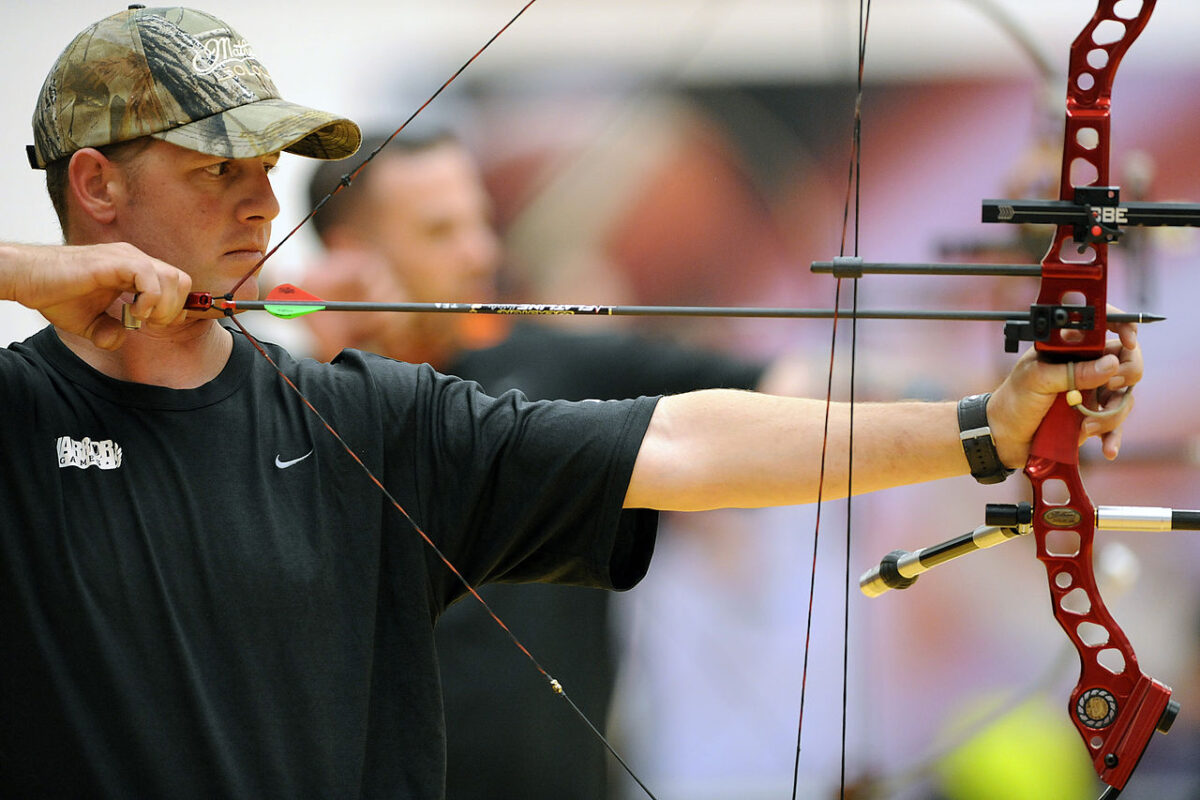
A practical guide to how compound bow stabilizers work, what length and weight to choose, and how to tune a front-and-back bar system for consistent shots at any distance.

A practical guide to how compound bow stabilizers work, what length and weight to choose, and how to tune a front-and-back bar system for consistent shots at any distance.
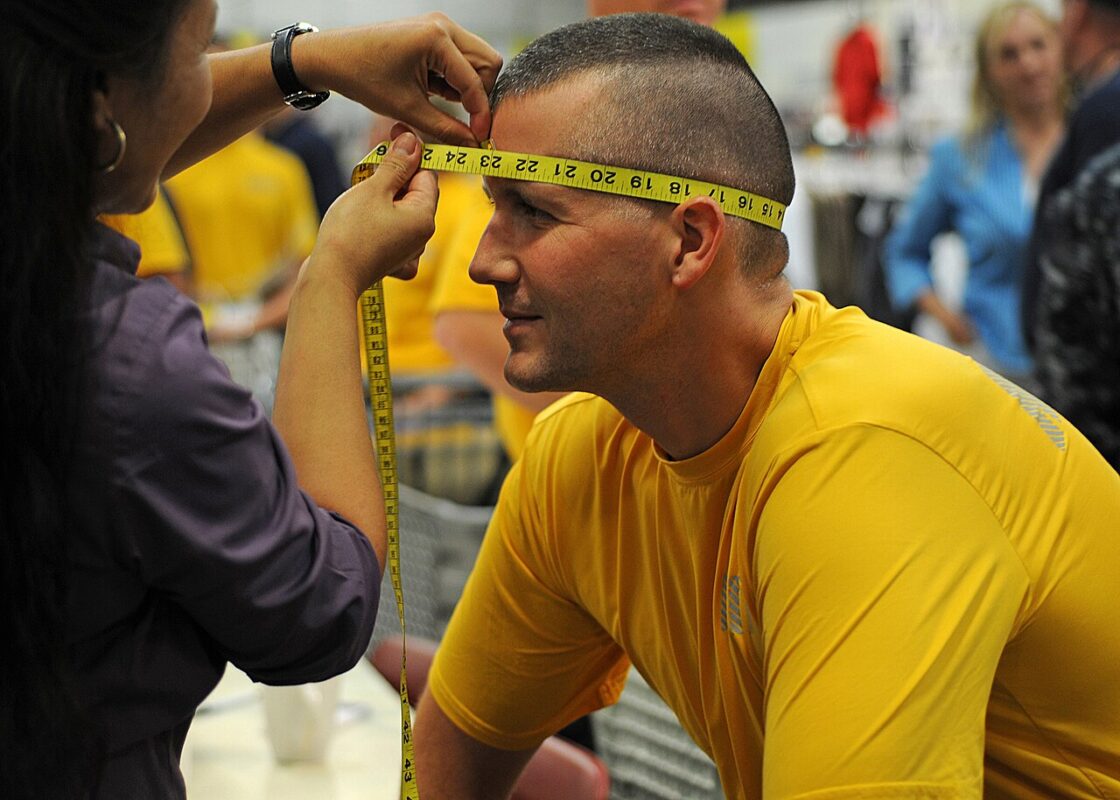
Learn how to measure draw length at home using the wingspan method, the wall trick, and a measuring arrow — no pro shop or expensive tools required.
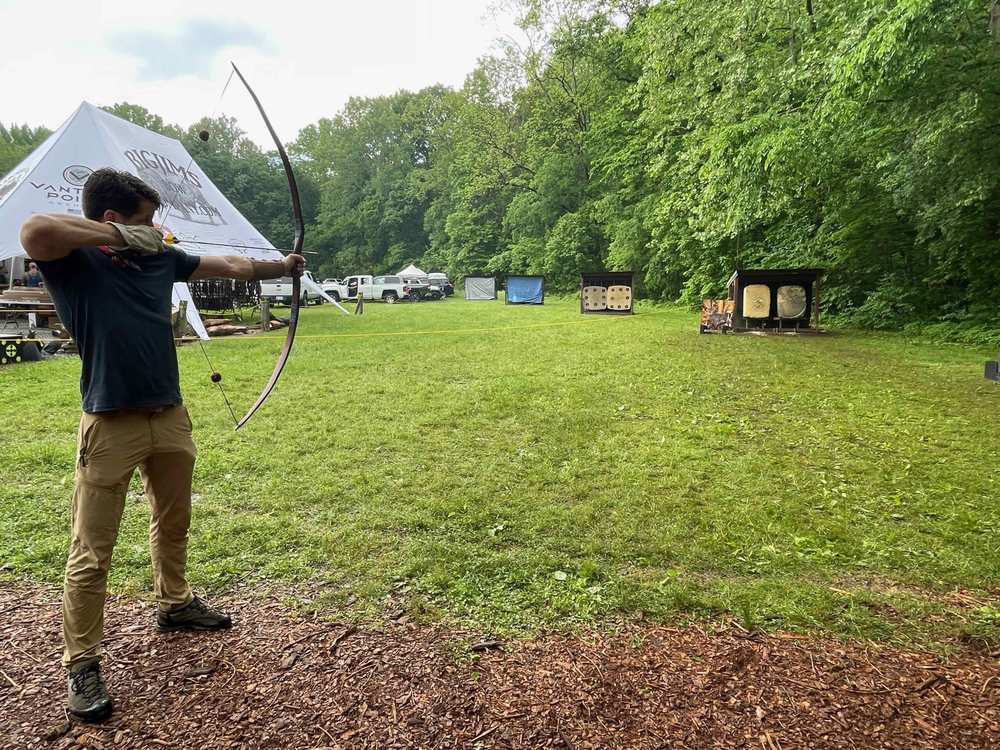
Quick Answer: Brace height is the distance from the deepest part of your bow’s grip to the string when the bow is strung but not drawn. A lower brace height gives you a faster arrow but punishes bad form; a higher one is slower, quieter, and more forgiving. You measure it with a bow square […]
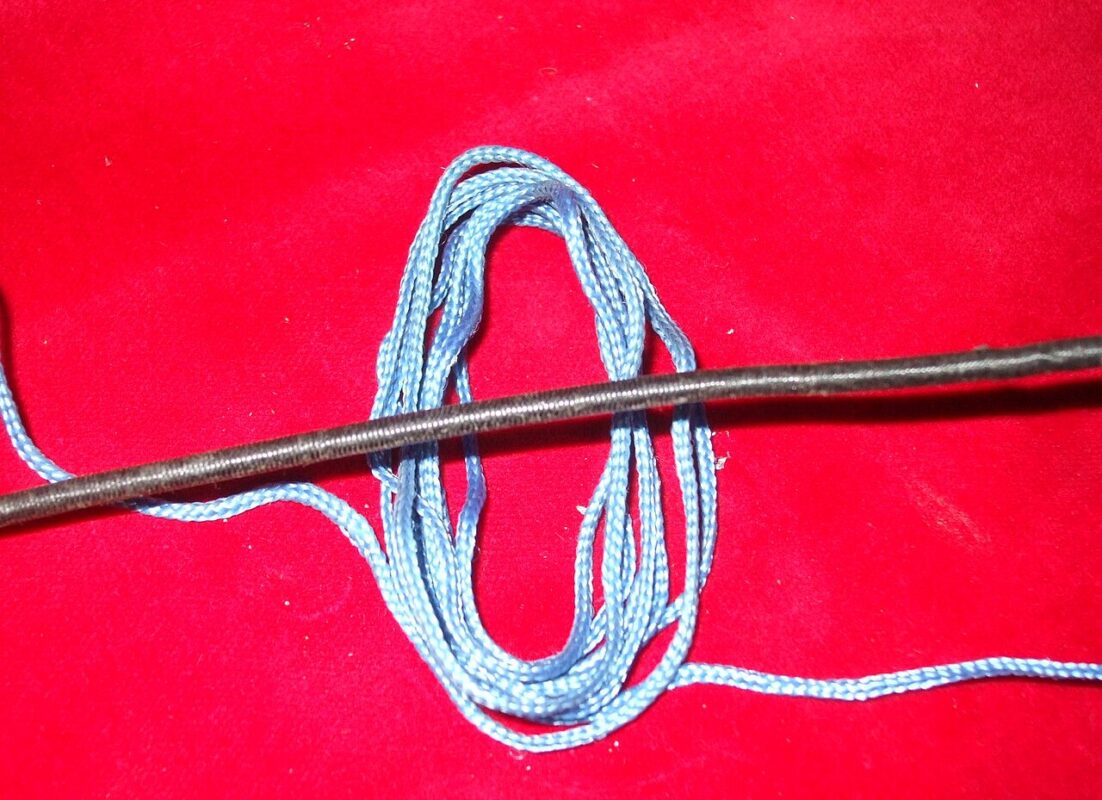
Your arrow meets the string at one tiny junction. Here’s how nocking points and D-loops work together to set arrow height, eliminate nock pinch, and keep every shot consistent.
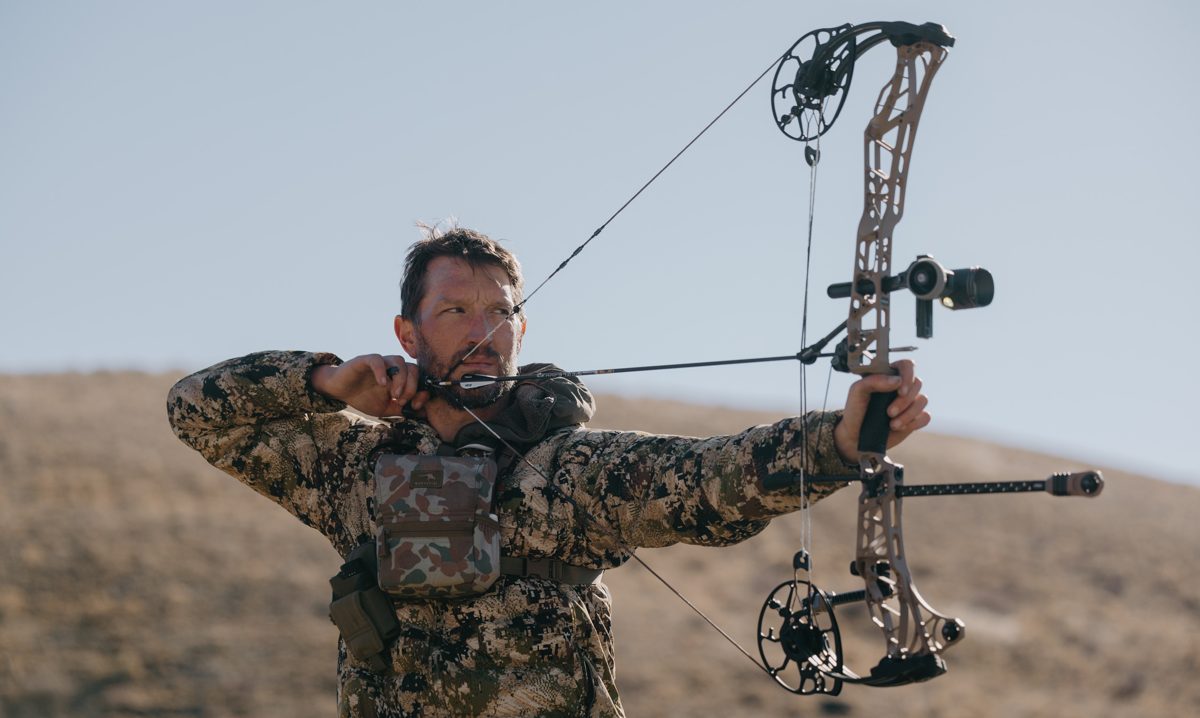
Learn how to tie a D-loop on a compound bow in 6 easy steps, with the right material, placement, length, and pro tips for a release-ready bowstring.
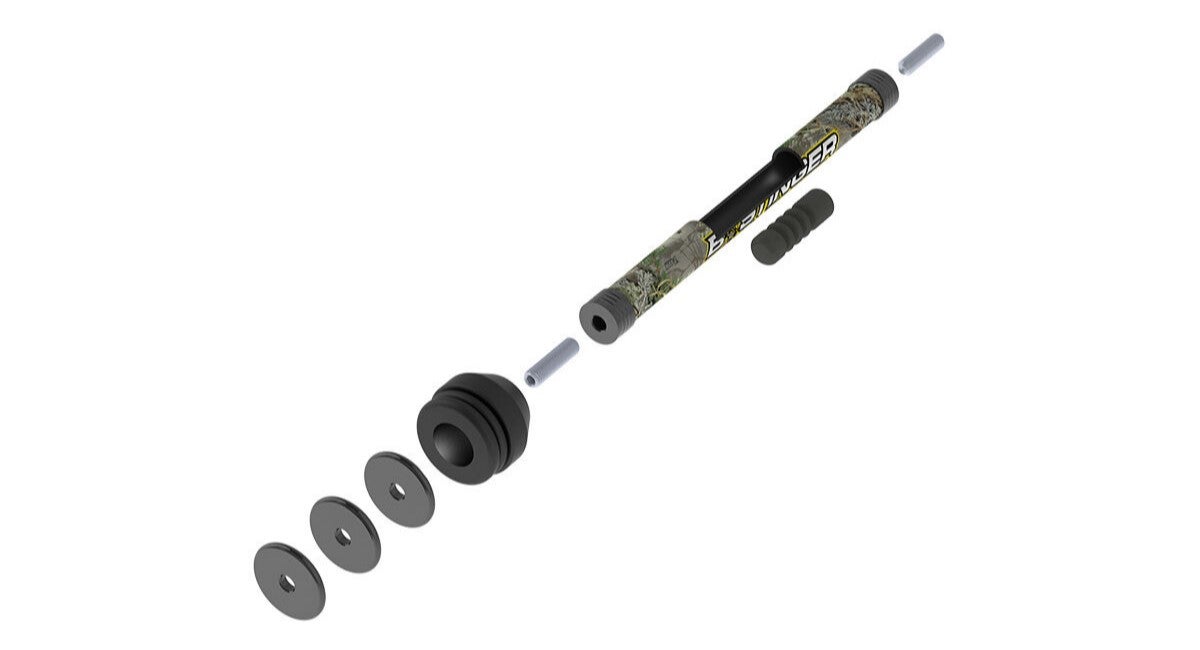
A practical bow stabilizer guide covering what the rod actually does, how to choose length and weight, side rod balance, and tuning the system so your pin floats steady and your bow falls clean on release.
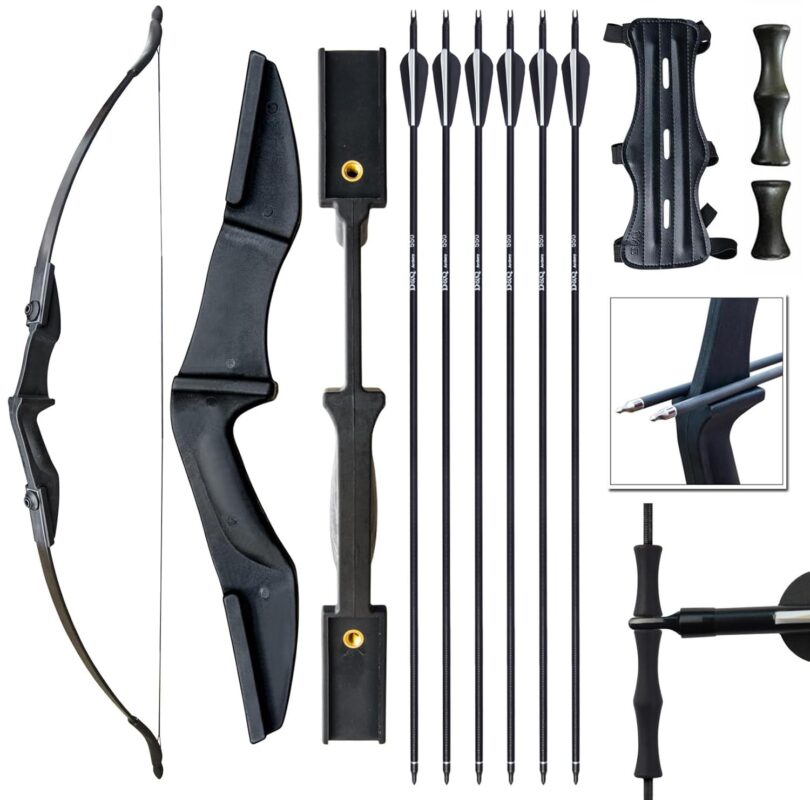
Recurve bow tuning made simple. Dial in brace height, tiller, nocking point, center shot, and bare shaft response for tight, repeatable groups.
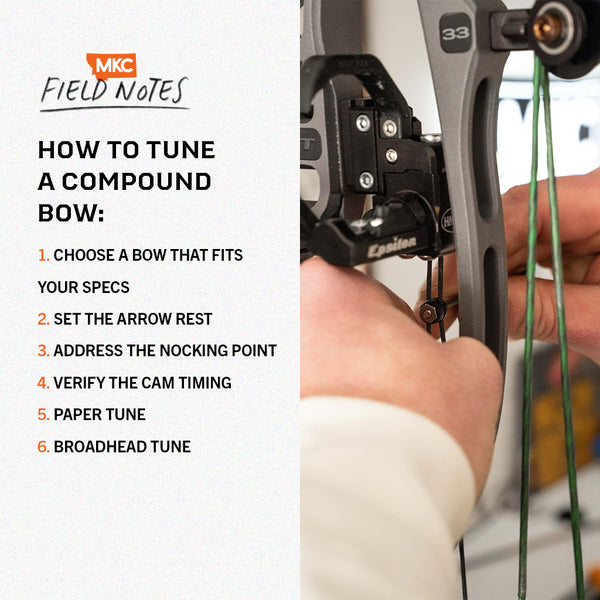
A step-by-step compound bow tuning guide covering cam timing, cam lean diagnosis, arrow rest centershot, and paper tuning so your bow shoots bullet holes.
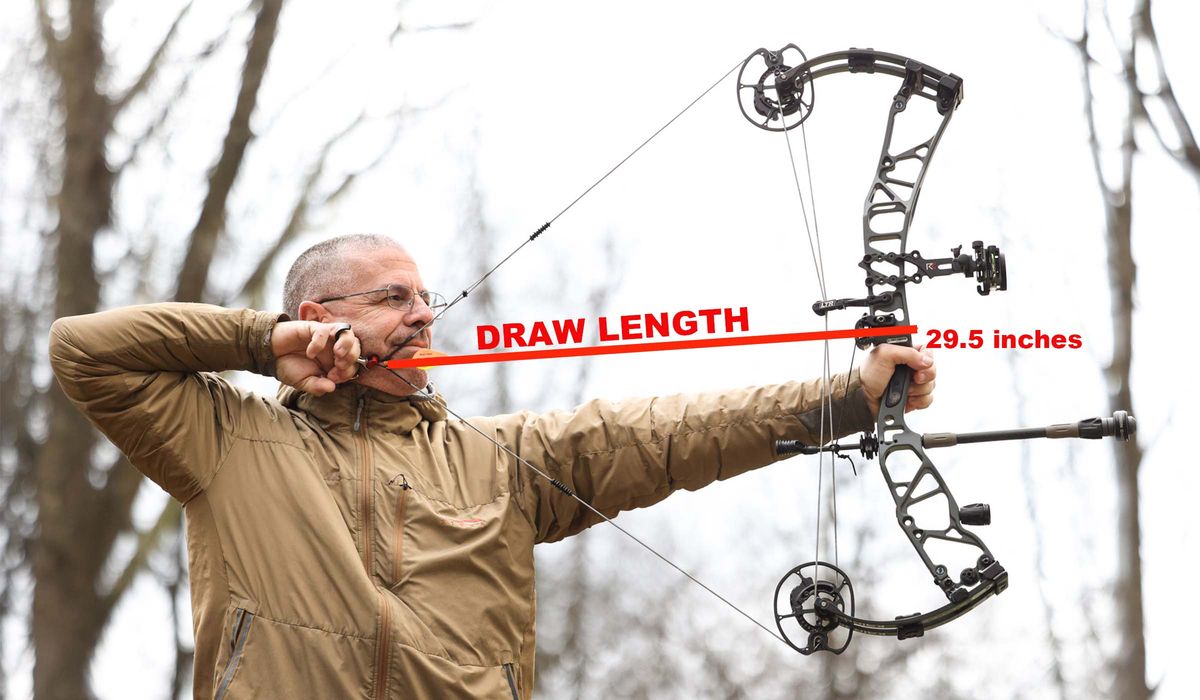
Four proven methods to measure draw length for a compound bow, the AMO formula, a wingspan-to-draw chart, and the body-language signs your current setup is wrong.
Arrow weight and FOC shape everything from flight stability to penetration. Learn how to measure, calculate, and tune both for your bow and your goals.