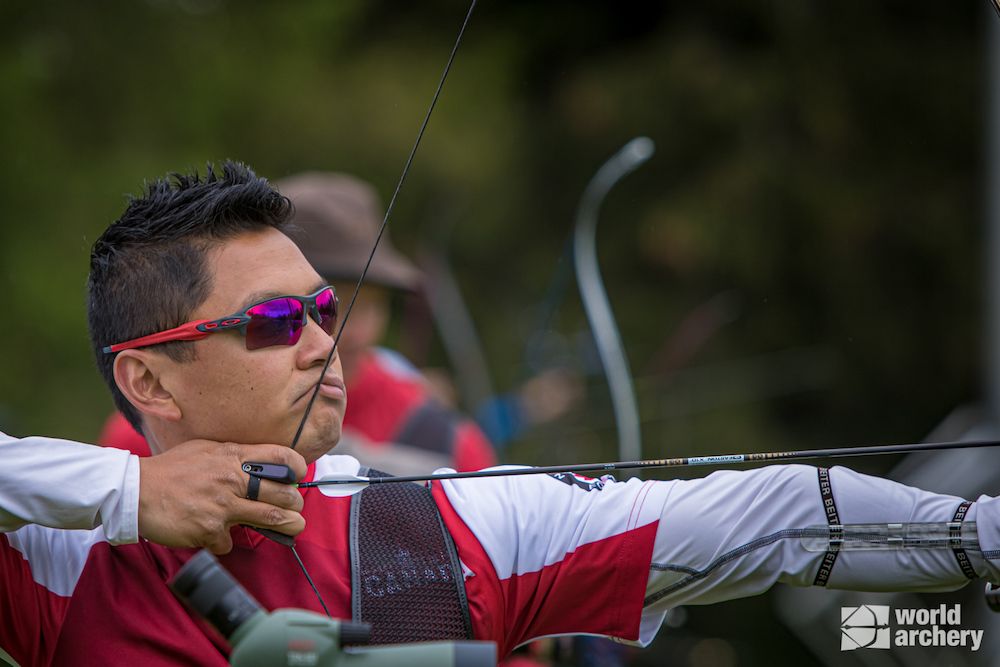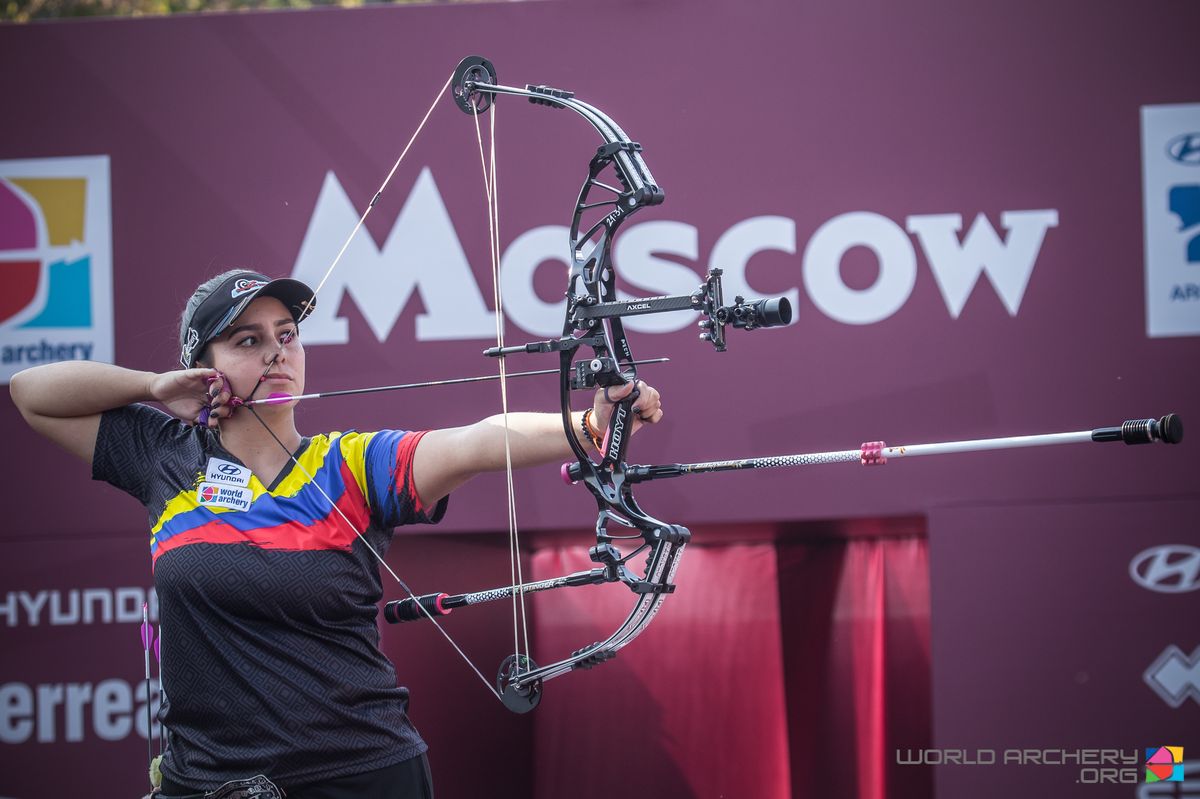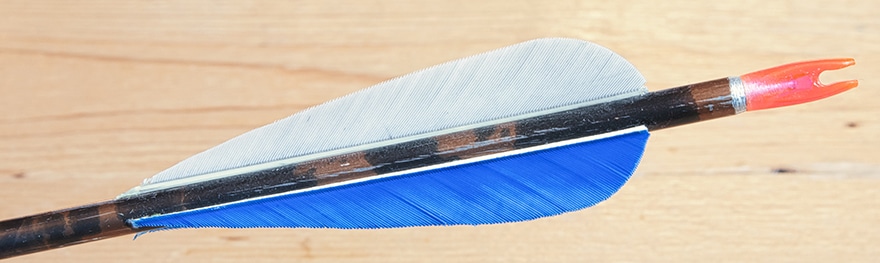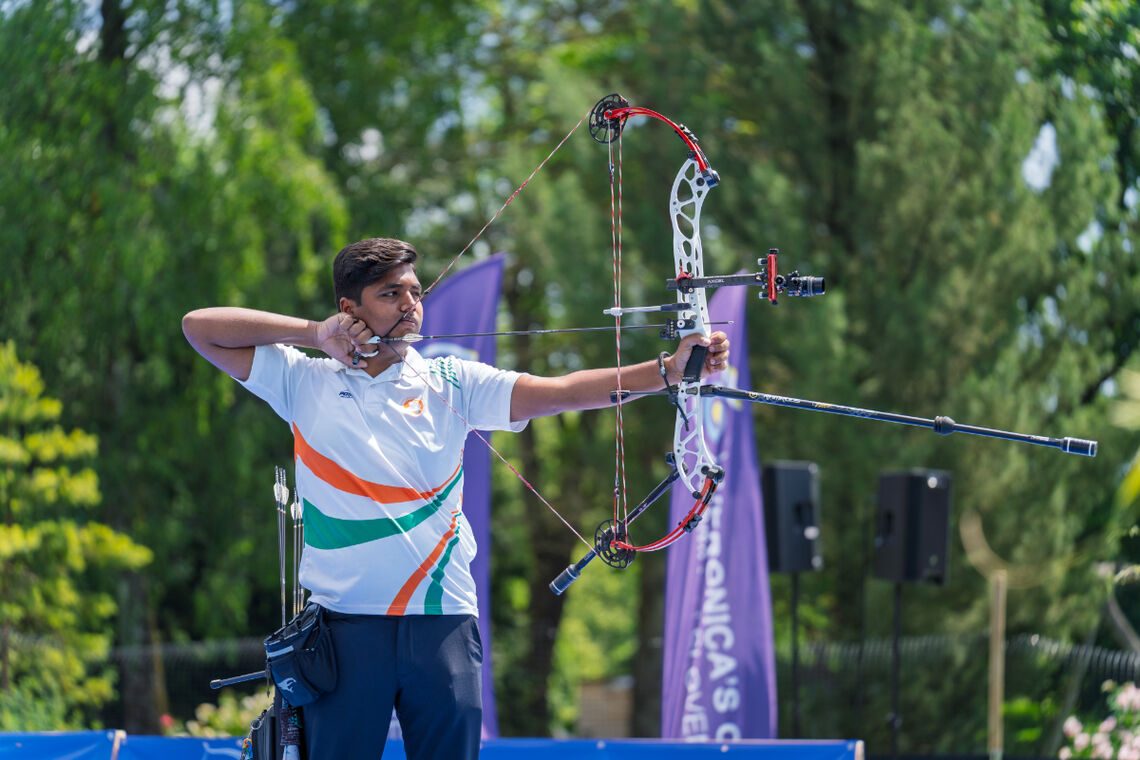
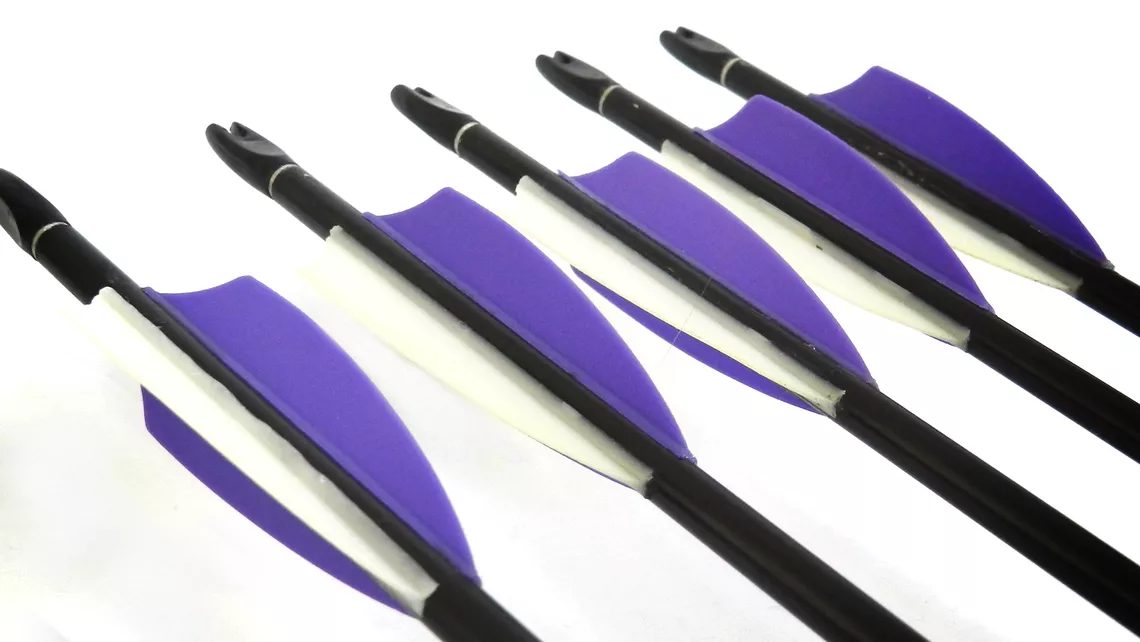
Quick Answer: To fletch arrows, clean the shaft with isopropyl alcohol, load it in a fletching jig, and glue on three vanes spaced 120 degrees apart. Set each vane about 1 inch from the nock, add a straight, offset, or helical orientation depending on your setup, and let the glue cure for a couple of […]
Tag Archives: arrow selection
Quick Answer: Arrow spine is the stiffness of your arrow shaft — how much it bends when force is applied. It matters because an arrow that flexes too much or too little on release won’t clear the bow cleanly, sending your groups left or right no matter how good your form is. Match spine to […]
Quick Answer: To choose arrows for a recurve bow, match arrow spine (stiffness) to your draw weight and draw length using a manufacturer spine chart, then set arrow length about 1–2 inches past your draw. Beginners do well with 500–600 spine aluminum or carbon arrows in the 26–29 inch range. Spine is the single most […]
Quick Answer: Arrow spine is the stiffness of your arrow shaft, written as a number like 340 or 500 — the lower the number, the stiffer the arrow. To choose the right spine, match your bow’s actual draw weight and your arrow length (not draw length) against a manufacturer’s spine chart, then adjust for point […]
Carbon vs aluminum arrows isn’t about which is ‘better’ — it’s about matching shaft material to your bow, budget, and goals. Here’s how to choose with confidence.
An arrow is the variable your bow can’t fix. This 2026 guide walks through spine, shaft material, fletching, and FOC so the arrows in your hand actually match the bow on your hip.
Read an arrow spine chart correctly: how draw weight, arrow length, and point weight set your spine — plus paper tuning, bare shaft, and broadhead checks.
Arrow spine charts confuse most archers because the numbers run backwards and depend on five hidden variables. Here’s how to actually read one.
Spine, material, and fletching decide whether your arrows fly true or fight you. Here is how to match all three to your bow, your draw, and your goals.
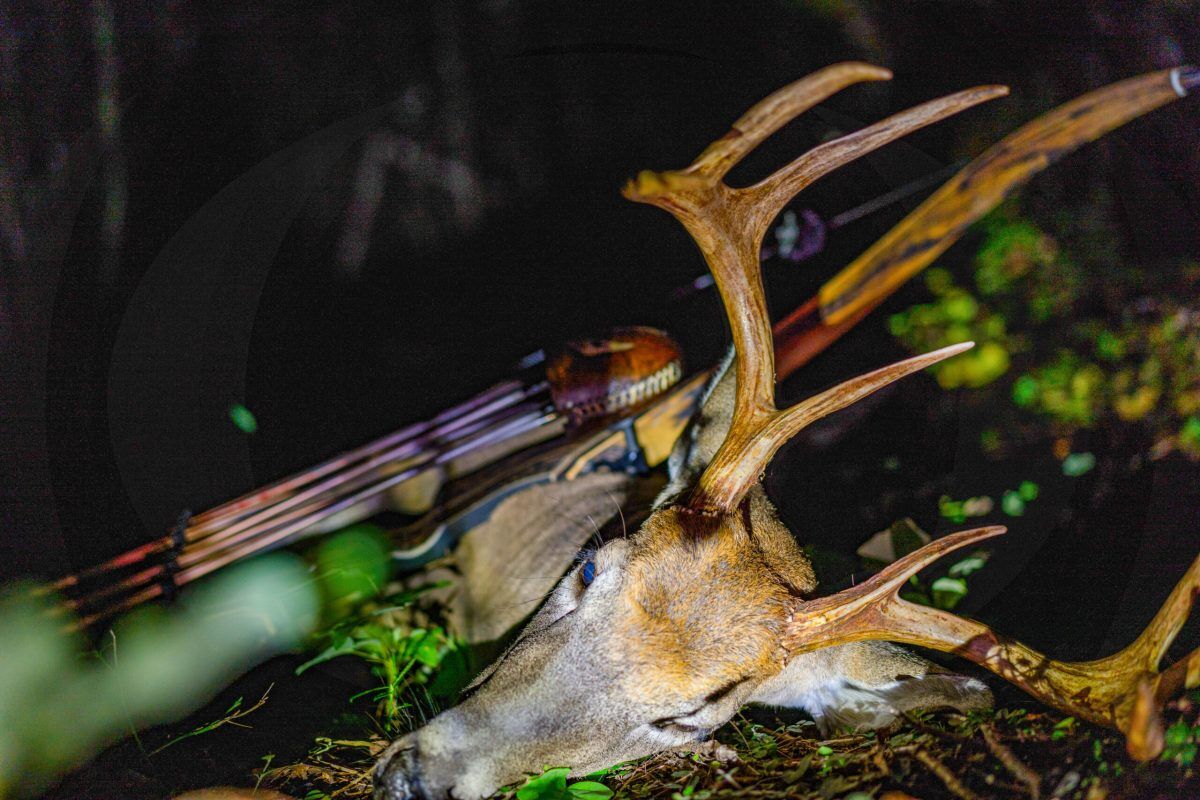
Getting your hunting arrow weight dialed in is the single biggest factor separating clean kills from disappointing blood trails. Whether you’re chasing whitetails from a treestand or spot-and-stalking elk in the Rockies, the total weight of your arrow — measured in grains — directly controls how much energy transfers into the animal on impact. Too […]
- 1
- 2