Tag Archives: archery accuracy

How to Measure Draw Length: 4 Methods + Compound Bow Chart

How to measure draw length on a compound bow with diagram showing 29.5 inch draw

Four proven methods to measure draw length for a compound bow, the AMO formula, a wingspan-to-draw chart, and the body-language signs your current setup is wrong.

Archery Aiming Methods Compared: Instinctive, Gap, String Walking & Sights

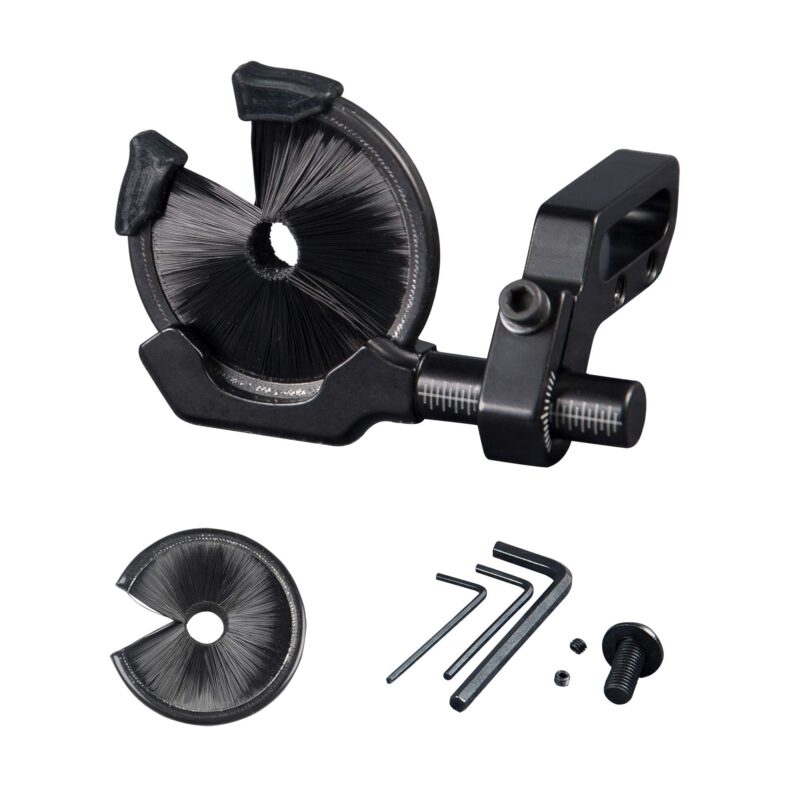
🎯62" ILF Recurve Bow 30-60lbs Barebow Archery Target-AMEYXGS Archery

Six archery aiming methods compared head-to-head: instinctive, gap shooting, string walking, face walking, point-of-aim, and sights. Find which one fits your bow, your eyes, and the distance you actually shoot.

Finger Release vs Mechanical: The Technique Differences That Decide Your Accuracy

finger tab archery

Finger and mechanical releases don’t just change what’s in your hand — they change anchor geometry, string path, and how the shot actually breaks. Here’s what each technique demands and where each one wins.

Eye Dominance in Archery: 5 Tests + Cross-Dominant Fix

Compound bow archer aiming with both eyes open to find dominant eye in archery

Eye dominance in archery decides which side of your face the bow ends up on, and roughly one archer in four has a dominant eye on the opposite side from their dominant hand. That single mismatch — called cross-dominance — is the hidden reason a beginner can hold textbook form, anchor cleanly, release without flinching, […]

Bow Sight Pin Diameter Explained: How .010, .019, and .029 Pins Change the Single vs Multi-Pin Decision

compound bow pins

Pin diameter quietly drives accuracy and target acquisition speed in every bow sight. Here is how .010, .019, and .029 fiber sizes shift the single pin vs multi-pin decision for compound archers.

Bow Sight Setup: Mounting, Calibration, and Yardage Tuning From Scratch

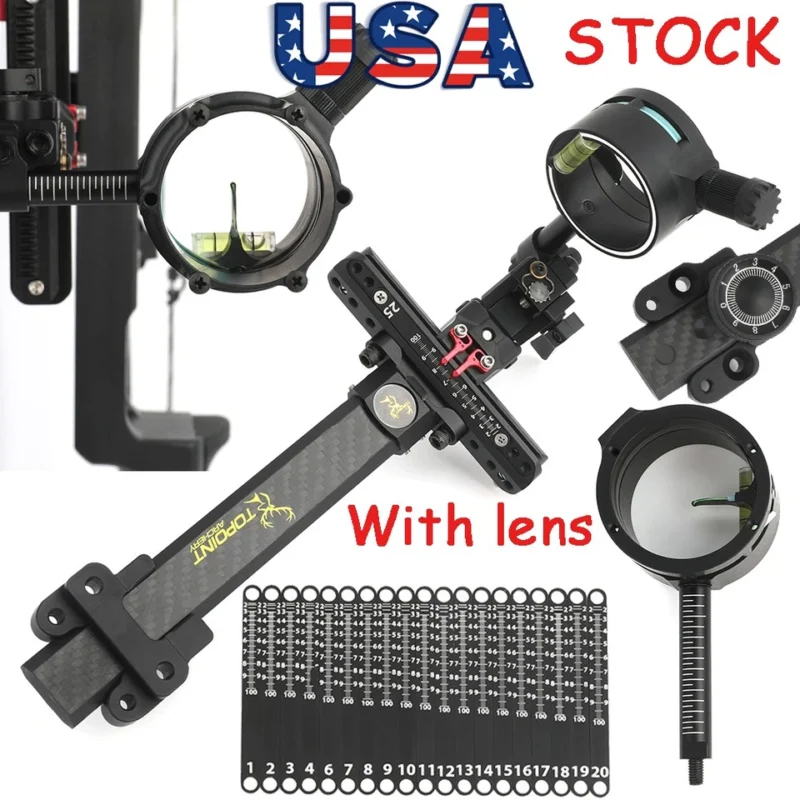
archery sight

A practical bow sight setup guide for compound archers — mounting, centering, second and third-axis calibration, yardage marking, and the maintenance habits that keep your sight true through a full season of shooting.

Nocking Points and D-Loops: How They Shape Arrow Flight

archery arrow

Most archers tie a D-loop and crimp a nocking point once, then forget both. But position, length, and material decide whether your bow forgives form errors or punishes every flinch.

Nocking Point and D-Loop Wear: When to Replace Them on Your Compound

compound bow archer

Most compound accuracy mysteries trace back to worn string hardware. Here’s how to diagnose nocking point and d-loop failure before it costs you a tournament.

How to Fix Target Panic: 7 Proven Steps for Archers

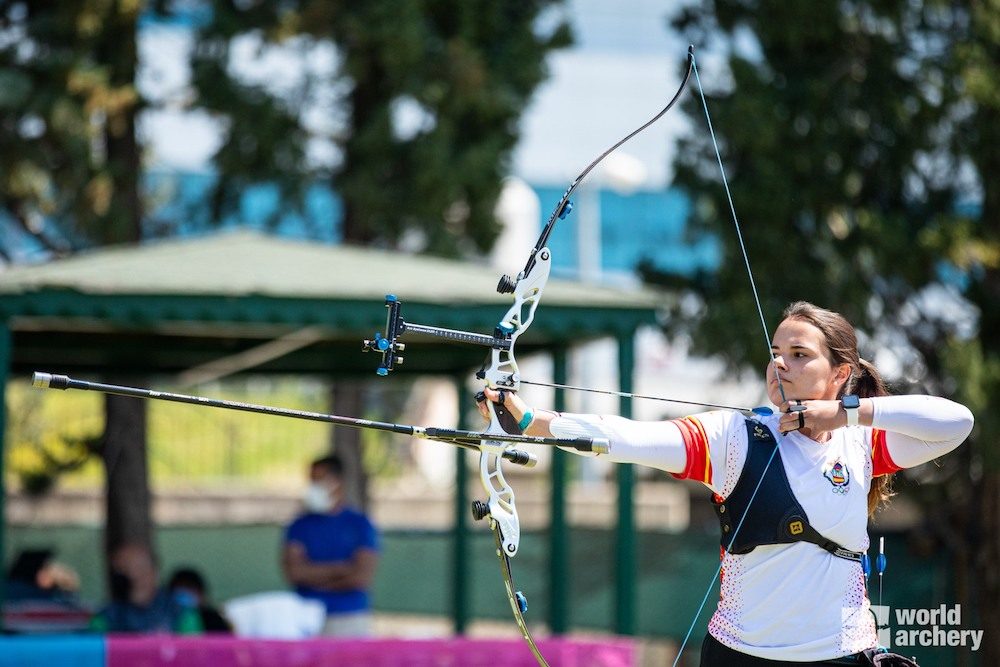
How to fix target panic archery — archer at full draw competing

How to fix target panic in archery with 7 proven steps: blank bale, hinge release, shot routine, hold-and-letdown drills, blind bale and a recovery timeline.

Archery Anchor Point: How to Find and Lock In Yours for Maximum Accuracy

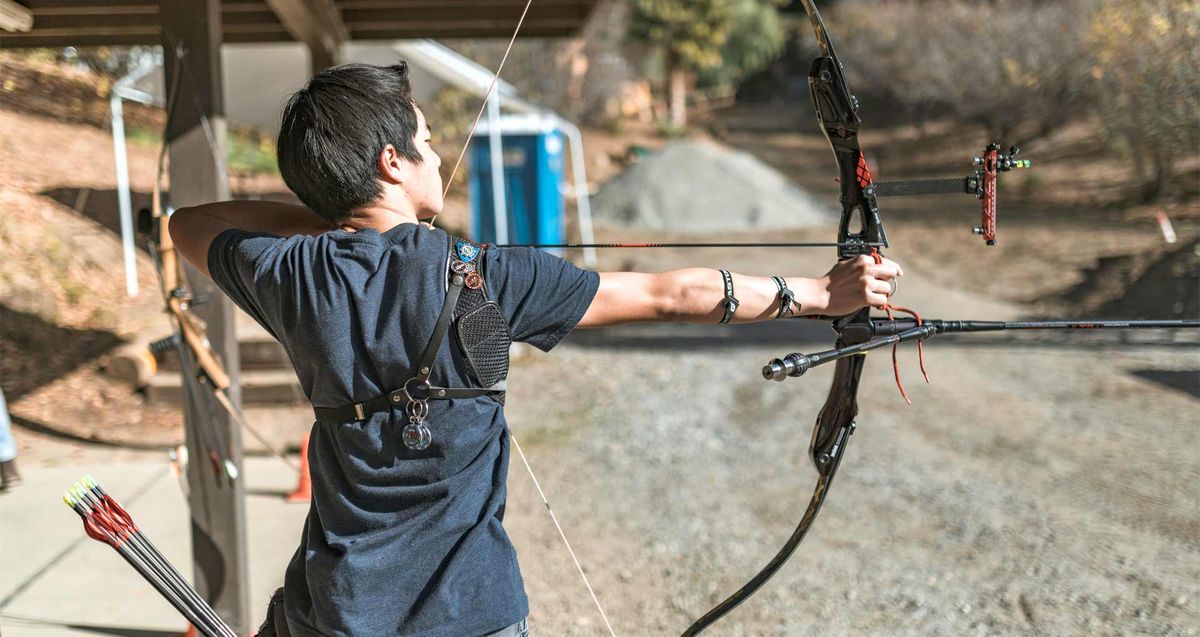
archery anchor point technique for consistent accuracy

The archery anchor point is the specific spot on your face where your draw hand, string, and anchor contacts meet at full draw — and mastering it is the single biggest factor in shooting consistent, accurate arrows. Once you establish and repeat a reliable anchor position every time, your groups will tighten dramatically regardless of […]