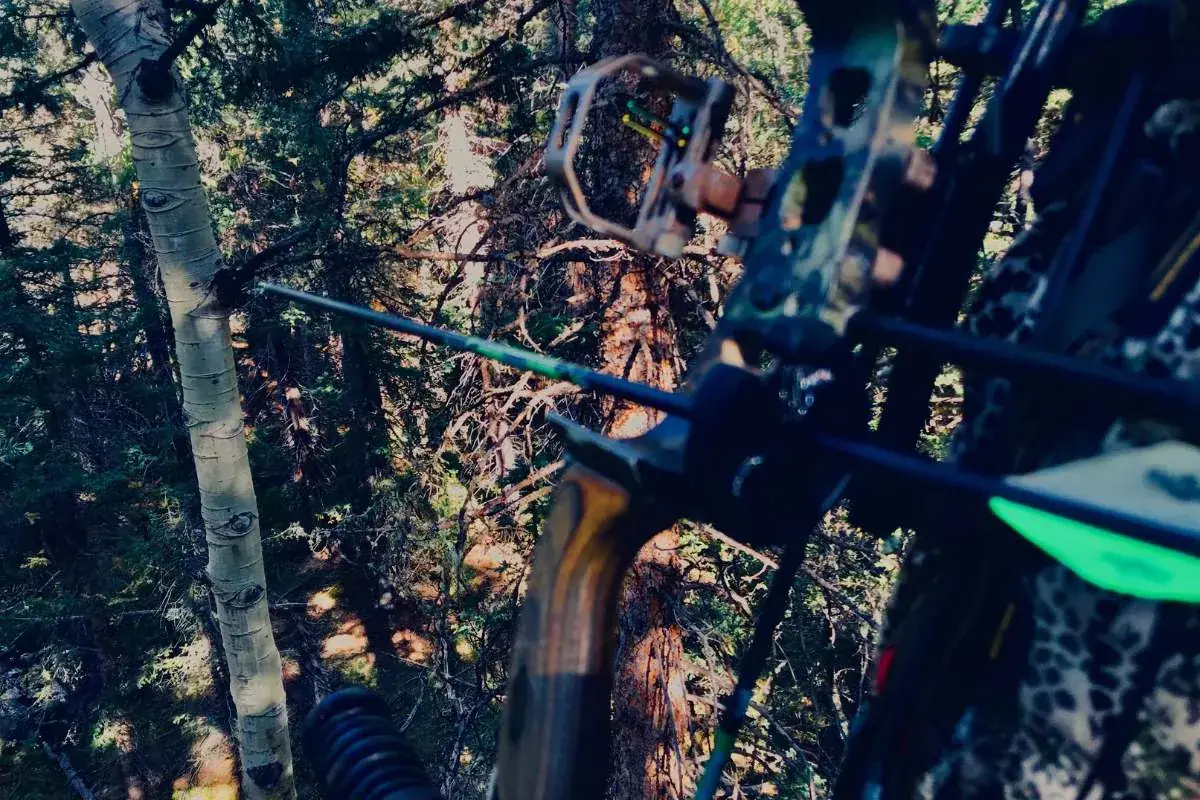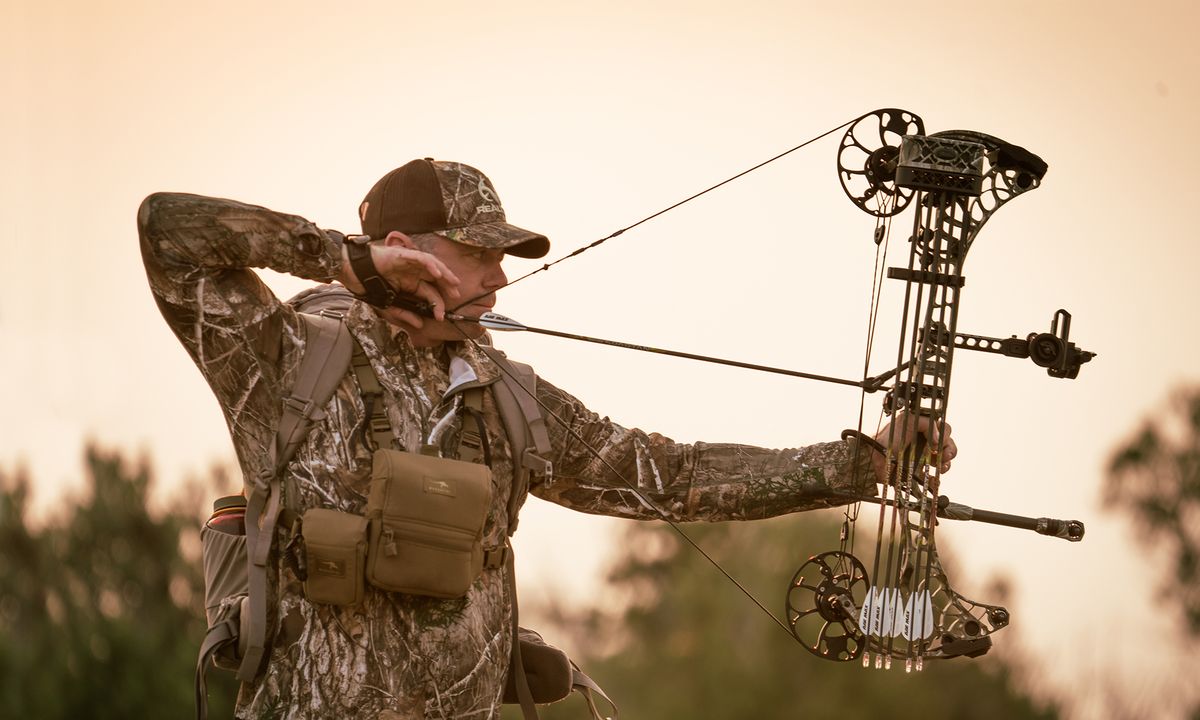

Bare shaft tuning shows you exactly what your bow is doing wrong. Follow these 7 steps to read the results and get perfect arrow flight and broadhead accuracy.
Tag Archives: arrow rest
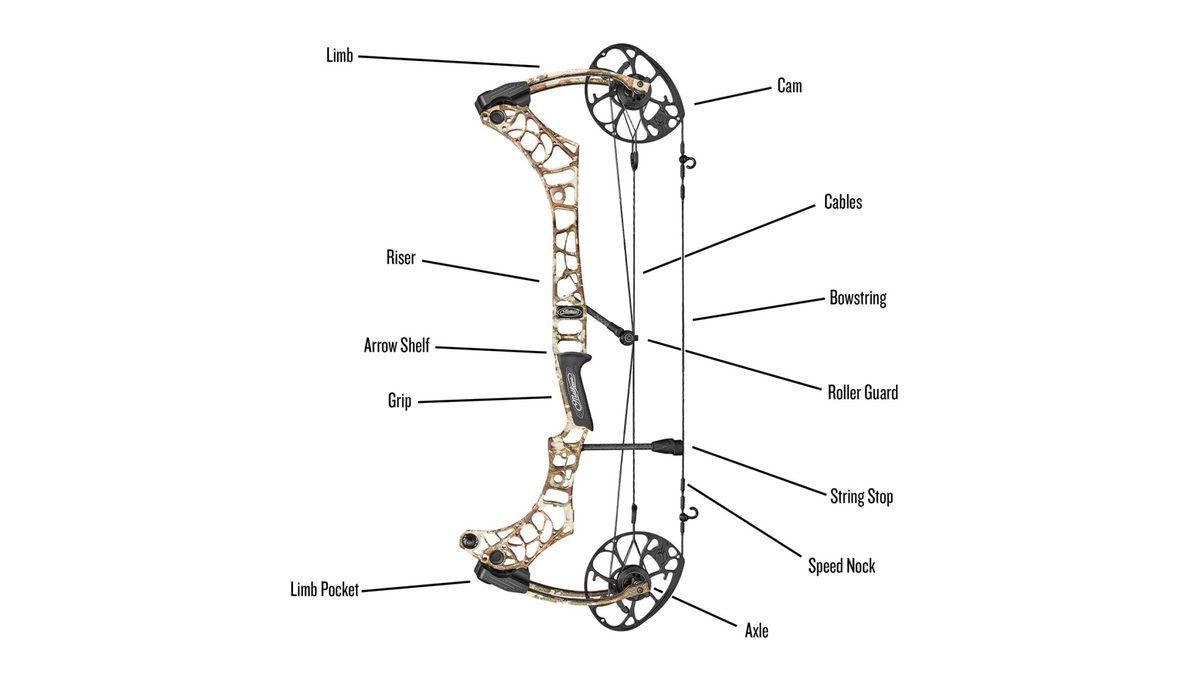
A clear, beginner-friendly breakdown of every part of a compound bow — riser, cams, limbs, string, sight, rest, peep, and more — and what each one does.
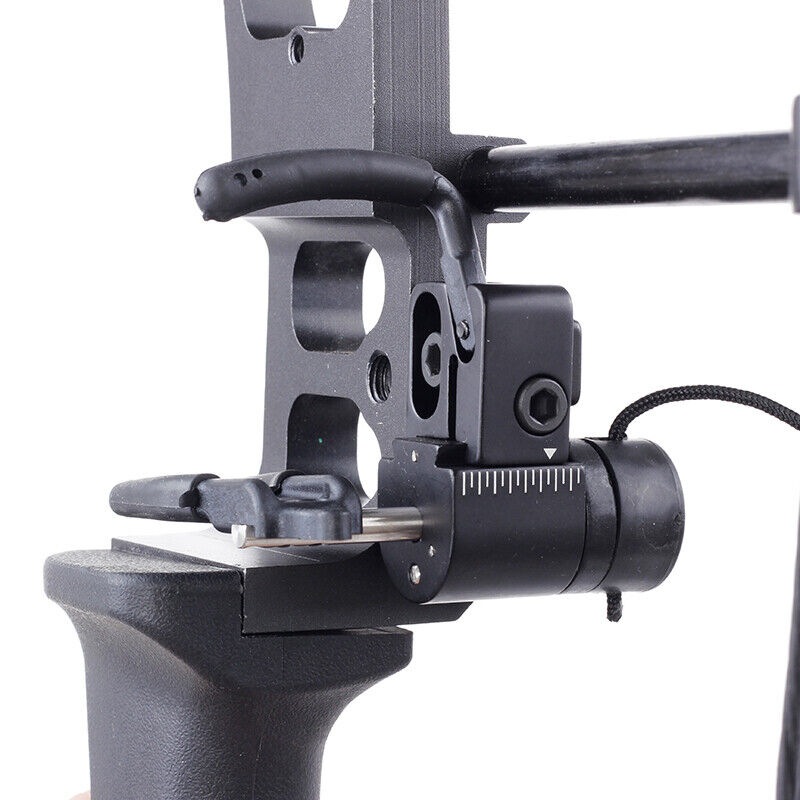
Arrow rests compared head-to-head: how drop-away, full-containment, and launcher rests actually differ, and which one belongs on your compound bow.
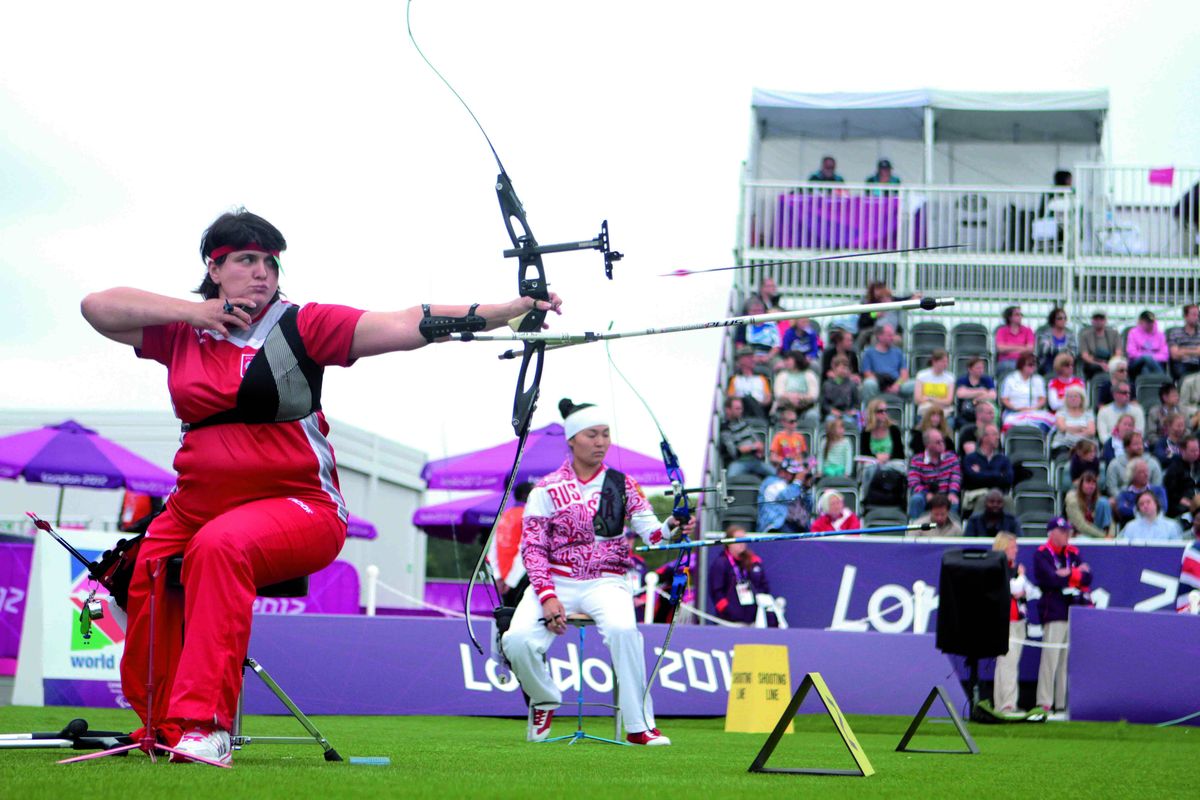
Quick Answer: The archer’s paradox is the fact that an arrow flies straight to the target even though, at full draw, it points slightly off to the side of the bow. It works because the arrow shaft bends and flexes as the string releases, wrapping around the riser and snapping back onto the intended line […]
Quick Answer: Paper tuning a compound bow means shooting an arrow through a suspended sheet of paper from about 6 to 8 feet away and reading the tear it leaves. A clean round hole means your arrow is flying straight. A tear with tails pointing up, down, left, or right tells you exactly which way […]
Whisker biscuit arrow rest pros, cons, setup and tuning — plus the honest accuracy gap vs drop-away rests every bowhunter should know in 2026.
Paper tuning a bow shows what’s wrong with arrow flight in 30 seconds. Master 7 steps, fix every tear pattern, and shoot bullet holes.
The four arrow rest types you actually need to know are full-containment (whisker biscuit), drop-away (cable-driven and limb-driven), launcher (prong), and blade. Pick the wrong one and your fletchings shred, your groups open up at 40 yards, and your $1,200 compound bow shoots like a pawn-shop special. Pick the right one and a $40 rest […]
Broadhead tuning made simple: a 6-step sequence to make hunting heads group with field points out to 50 yards before opening day.
Read an arrow spine chart correctly: how draw weight, arrow length, and point weight set your spine — plus paper tuning, bare shaft, and broadhead checks.
- 1
- 2