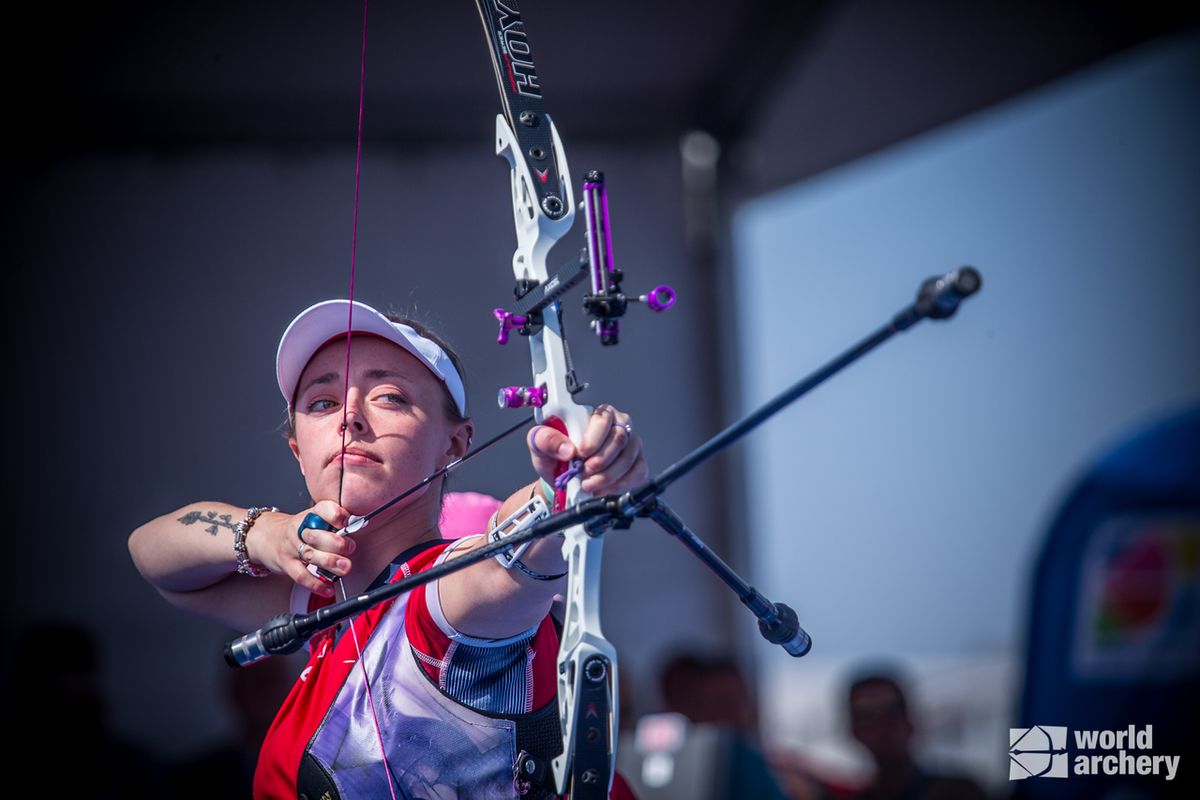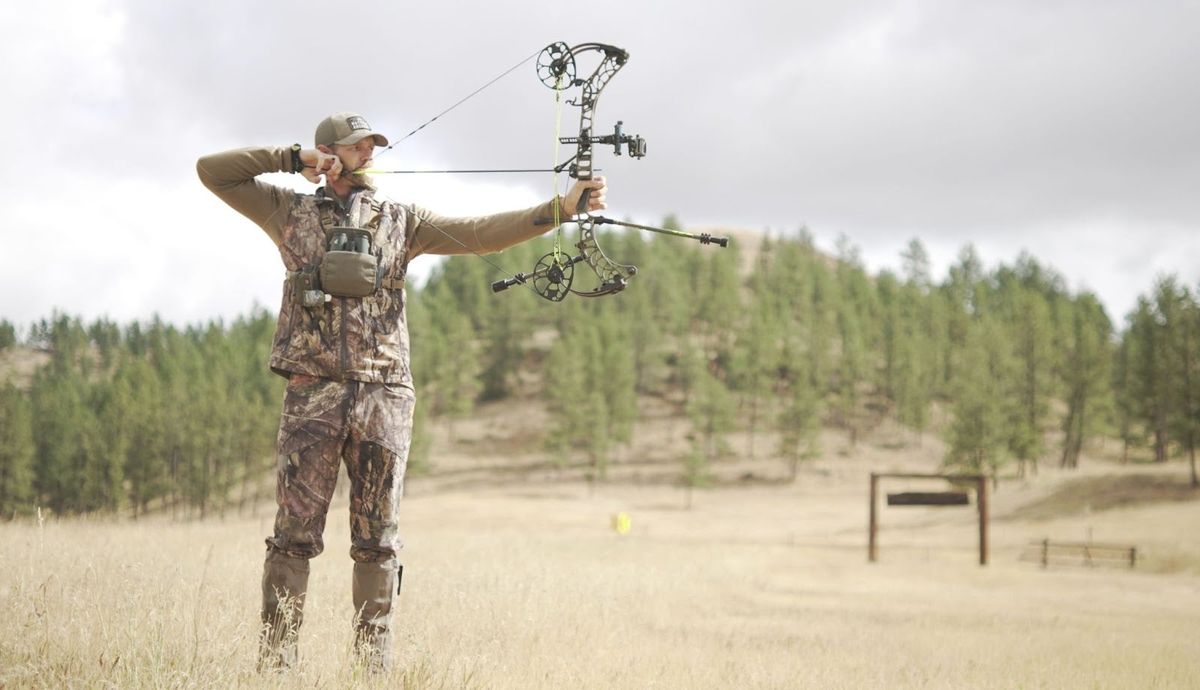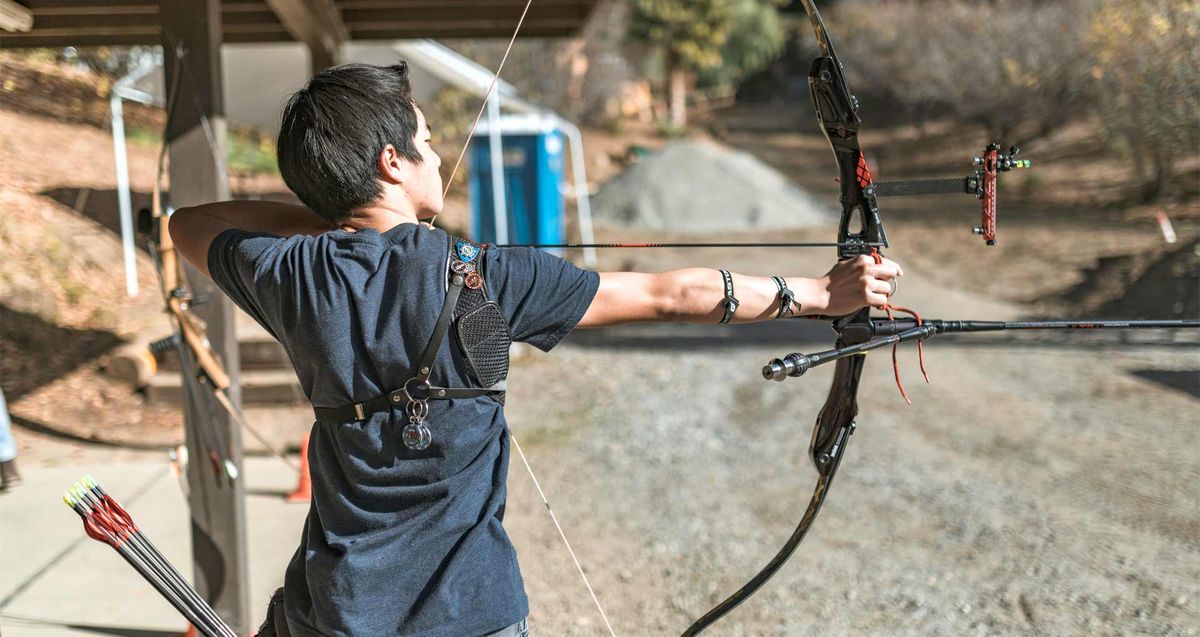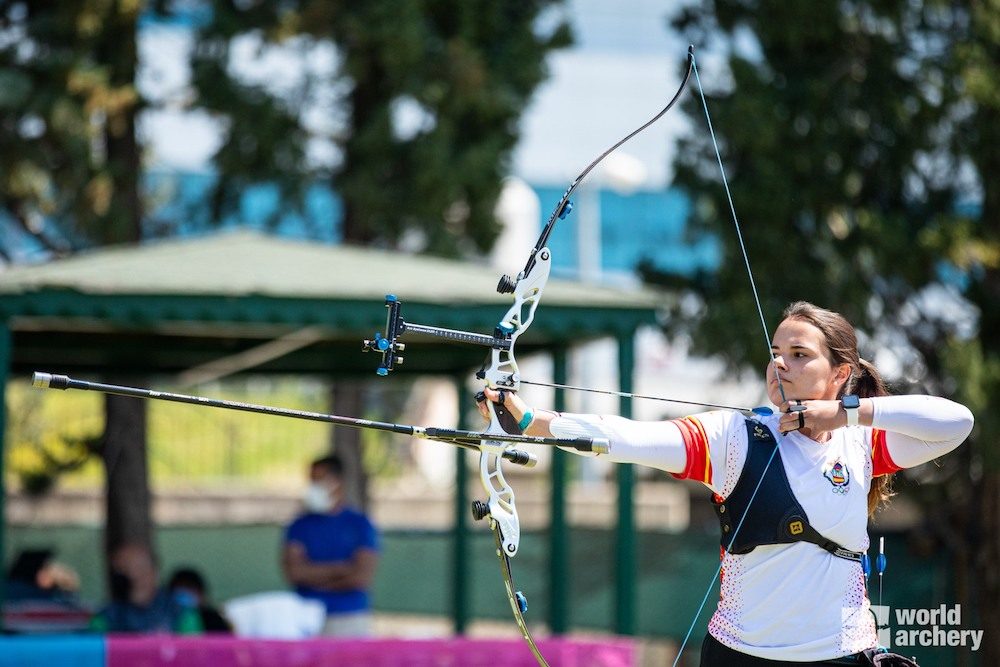

Master the recurve bow with these 12 essential beginner tips covering stance, grip, anchor point, back tension, release, and practice routines for improved accuracy.
Tag Archives: anchor point
Draw length measurement is the single spec that makes or breaks your shot. Learn how to measure it accurately, why it matters, and how to dial it in on a compound bow.
Learn instinctive archery the right way: how to aim a bow without sights, the 7-step shot sequence, the best bows, and drills that build accuracy fast.
Foot position is the most overlooked fundamental in archery. Get your stance right and everything above it — aim, anchor, release — becomes easier and more repeatable.
Quick Answer: To aim a recurve bow, build a repeatable shot first — a stable stance, relaxed grip, and an anchor point you hit the same way every time. Then pick an aiming method: use a bow sight for precision, the arrow tip for gap shooting, the string for string walking, or pure focus for […]
Bareshaft tuning is the fastest honest read you can get on a compound bow. Strip the fletching off two identical arrows, shoot them next to a fletched group at 10 yards, and the unfletched shaft tells you exactly which way the bow is fighting your form. Paper tuning catches gross errors. Bareshaft tuning catches the […]
Find your compound bow draw length with the wingspan and anchor-point methods, spot too-long and too-short symptoms, and adjust the right way.
Three out of every four wild misses inside thirty yards trace back to one fault: a sloppy archery anchor point. Coaches at Nock On call it the single most decisive piece of form in either style. If your release hand lands in a slightly different spot on every shot, your arrows will too — no […]
A hinge release fires by rotation, forcing back-tension shots and curing target panic. Here’s the 7-step process to master one in 90 days.
Paper tuning a bow shows what’s wrong with arrow flight in 30 seconds. Master 7 steps, fix every tear pattern, and shoot bullet holes.
- 1
- 2