
Tag Archives: bowstring

Kisser Button: 3 Reasons It Fixes Your Anchor Point

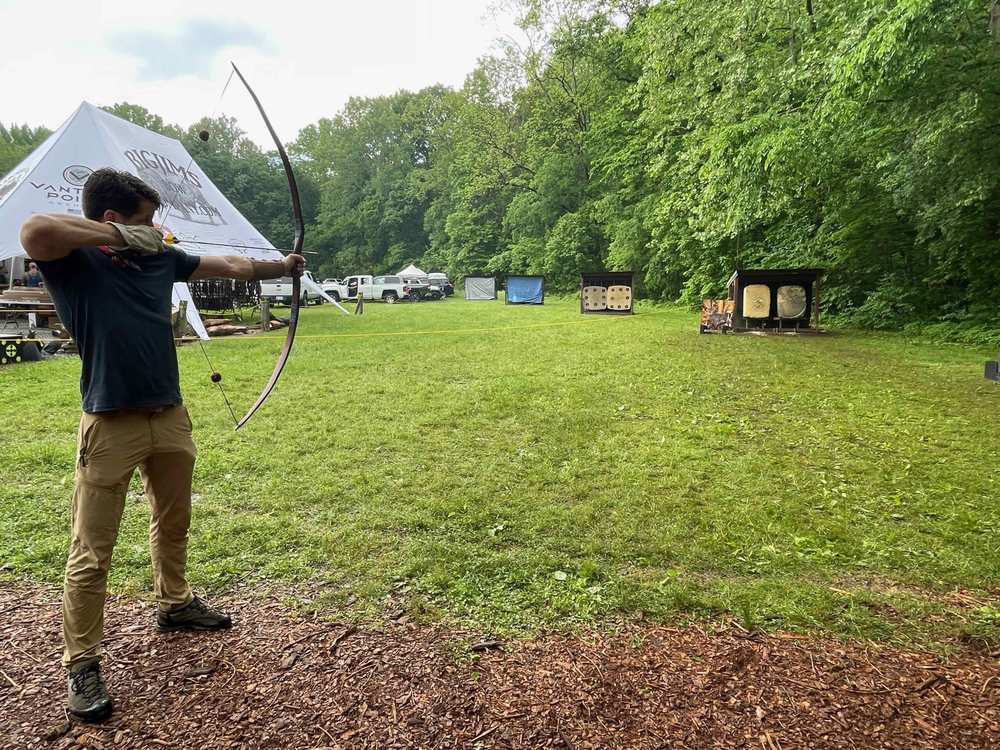
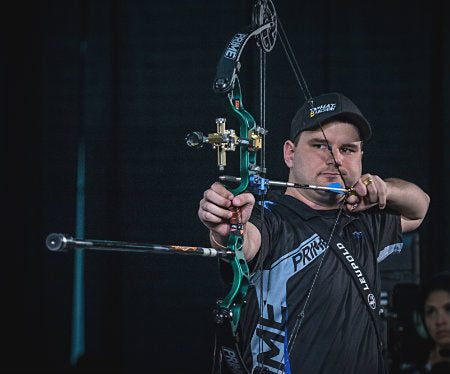
Recurve archer aiming with a bow sight at a World Cup final

Quick Answer: A kisser button is a small bead or disc mounted on the bowstring that touches the corner of your mouth at full draw, giving you a second fixed anchor reference beyond your hand position. It fixes vertical head position, which stops arrows from stringing high and low even when your hand anchor feels […]
Bowstring Material Guide: Dacron vs Fast Flight

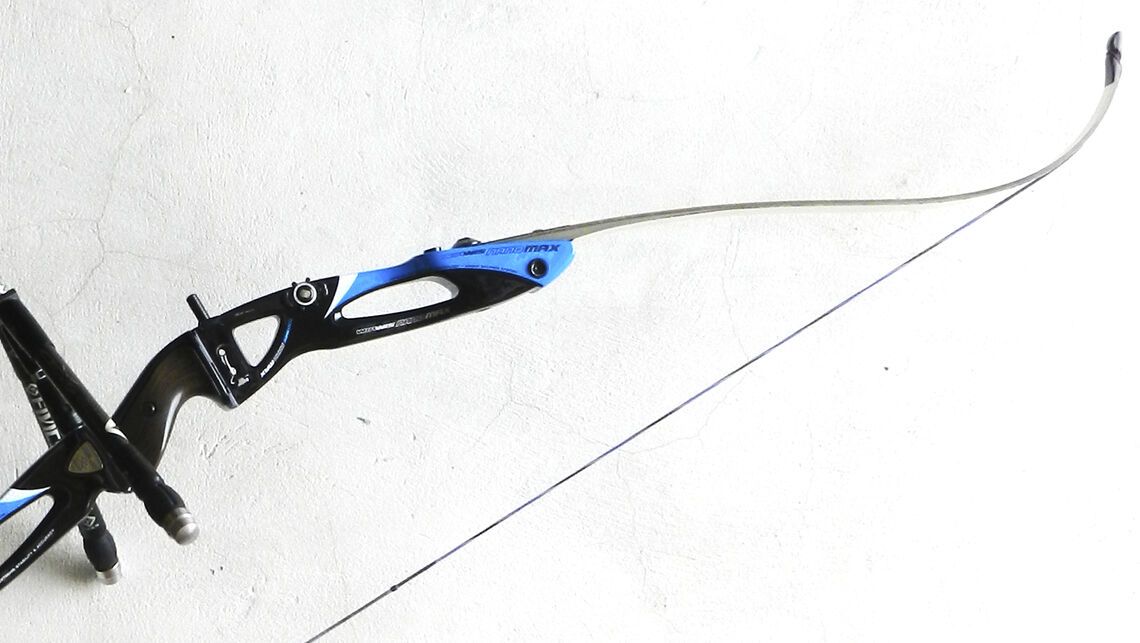
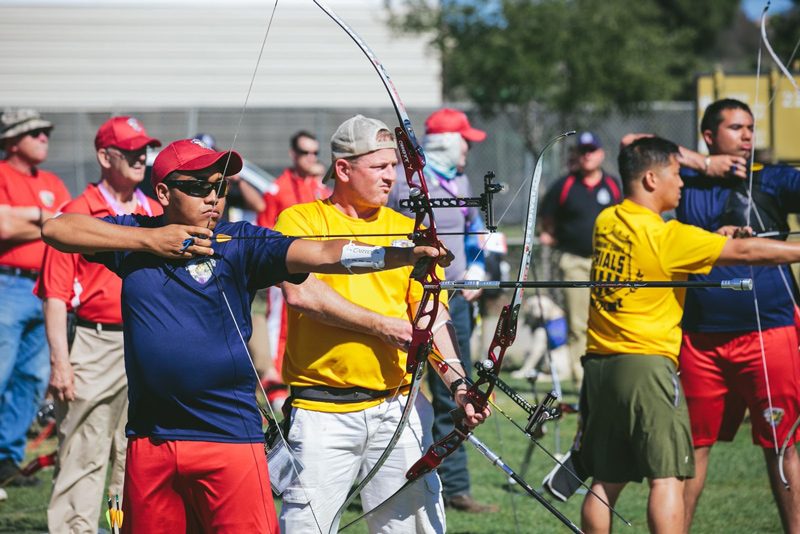
Archers at full draw showing bowstring material under load on recurve bows

A complete compound bow guide covering anatomy, draw weight, let-off, tuning, accessories, and the best models for hunting and target archery in 2026.

Parts of a Compound Bow: 12 Essential Parts Explained

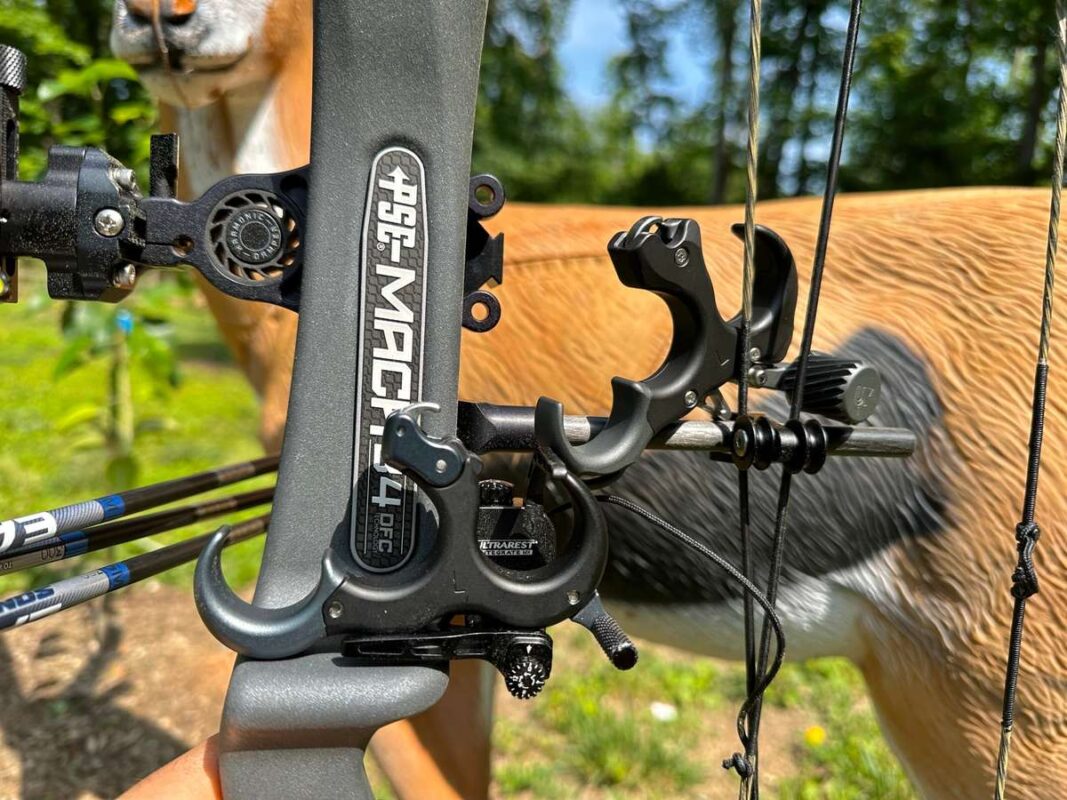
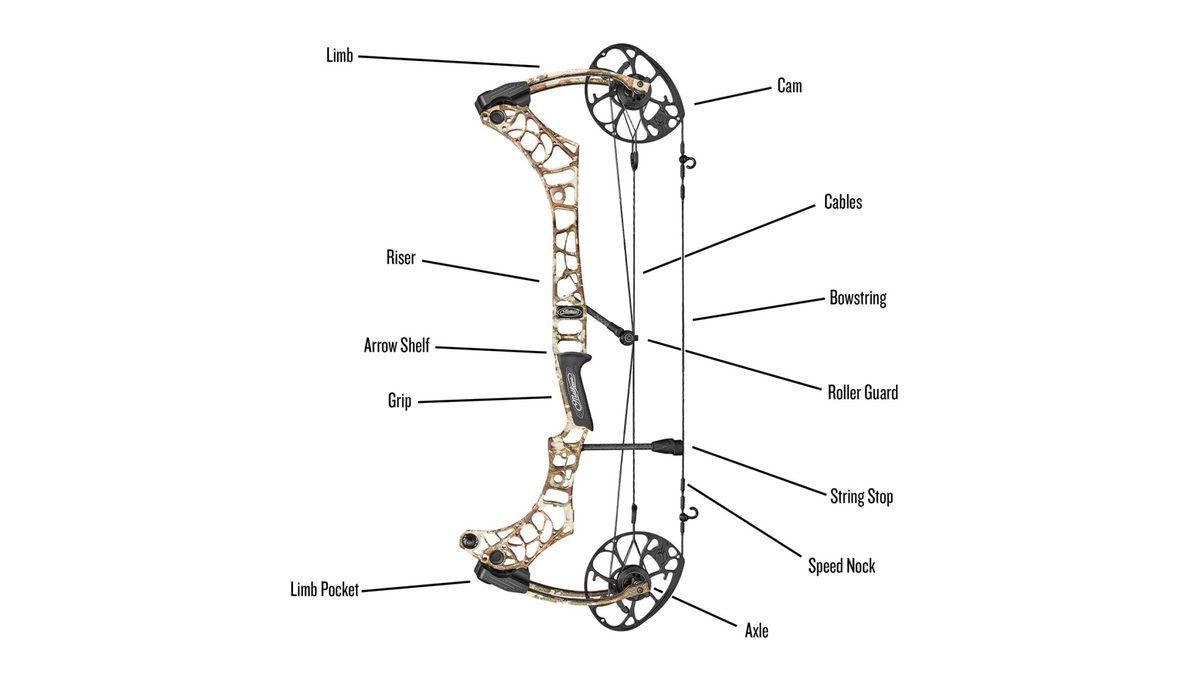
Parts of a compound bow labeled diagram showing riser, cams, limbs, and bowstring

A clear, beginner-friendly breakdown of every part of a compound bow — riser, cams, limbs, string, sight, rest, peep, and more — and what each one does.

Brace Height Explained: 5 Proven Ways to Tune It

Archer at full draw with a braced recurve bow at an outdoor range

Quick Answer: Brace height is the distance from the deepest part of your bow’s grip to the string when the bow is strung but not drawn. A lower brace height gives you a faster arrow but punishes bad form; a higher one is slower, quieter, and more forgiving. You measure it with a bow square […]

Dry Fire a Bow: 6 Costly Risks & How to Avoid Them

Compound bow release aid attached to a D-loop at full draw

Quick Answer: To dry fire a bow means to draw it back and release the string with no arrow nocked. Without an arrow to absorb the stored energy, that force slams back into the bow itself, and it can crack limbs, twist cams, snap the string, and send shrapnel toward your face. A single dry […]

How to Tie a D-Loop on a Compound Bow (2026 Guide)

Bowhunter at full draw using an archery release aid on a compound bow

Learn how to tie a D-loop on a compound bow in 6 easy steps, with the right material, placement, length, and pro tips for a release-ready bowstring.

How to String a Recurve Bow: 7 Safe Steps

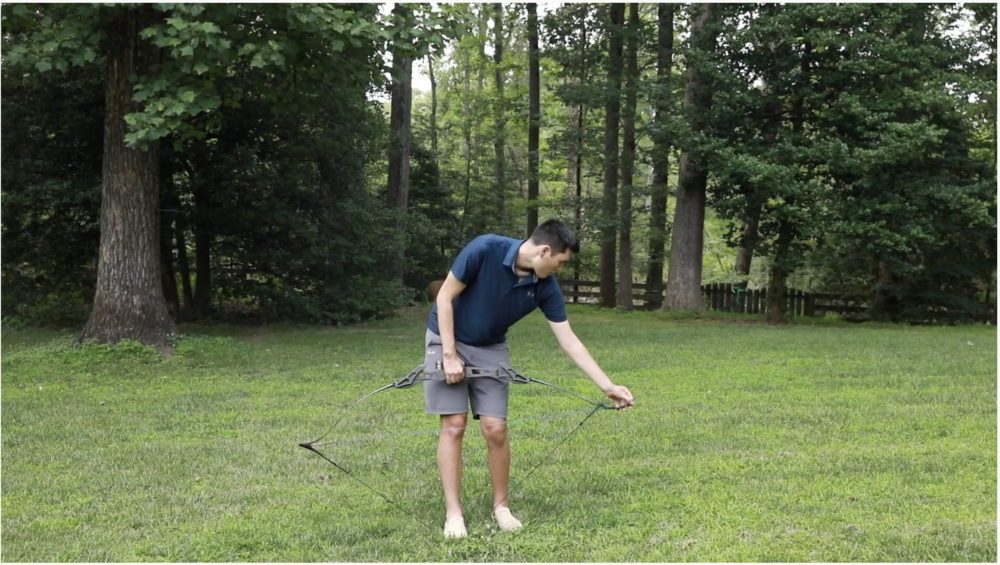
Archer using a bow stringer to string a recurve bow safely

Quick Answer: To string a recurve bow, slip the larger top string loop onto the upper limb and seat the bottom loop in the lower limb grooves, then attach a bow stringer — saddle on the top limb, pouch over the bottom tip. Step on the stringer cord with both feet, pull the bow straight […]

Bow String Wax: 7 Steps to Double Your String’s Life

Compound bow string and recurve limb close-up showing bowstring needing wax

Bow string wax keeps strands flexible, blocks moisture, and doubles string life. The 7-step routine, the right wax, and the mistakes that wreck strings.

Compound Bow Cam Timing: How to Check & Fix in 6 Steps

Archer at full draw on a compound bow with synchronized cams in the cam timing position

Cam timing is the single fix that turns an unexplained flier into a 3-inch group at 40 yards. On a compound bow, it means both cams (or the single cam plus the idler wheel) reach their stops at the same moment, so the string travels a straight, repeatable path on every shot. When timing slips […]

When to Replace a Bow String: 7 Signs You Need a New One

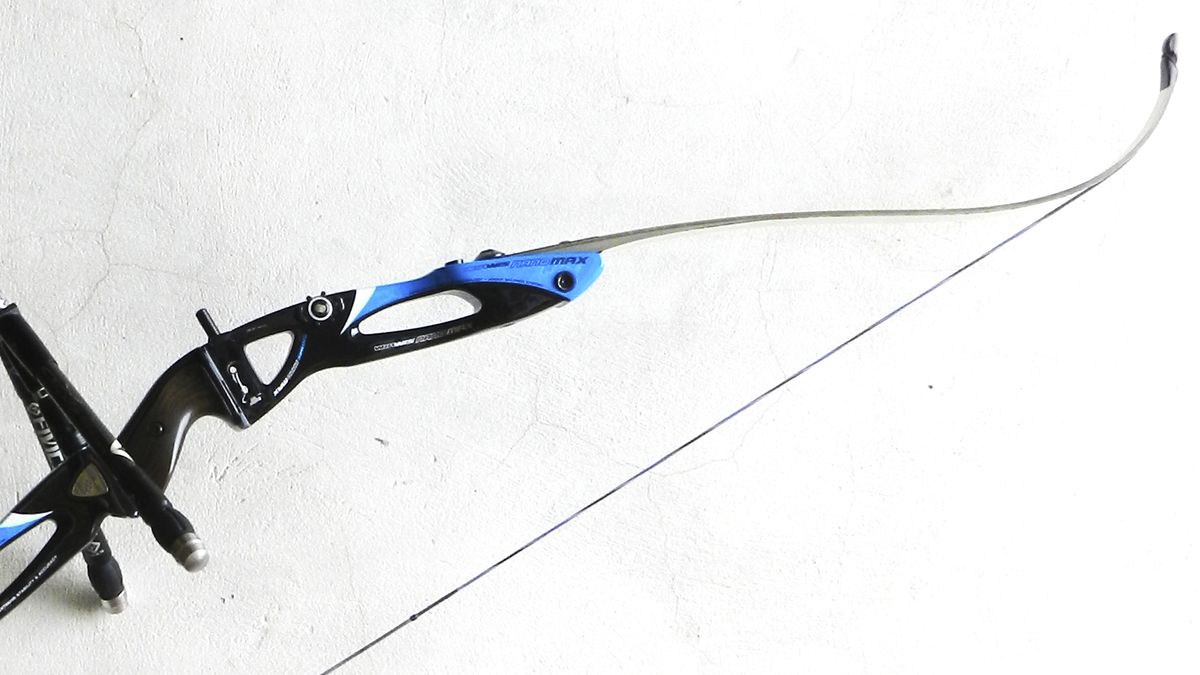
Archer with recurve bow and stabilizer leaned against wall — bowstring care equipment

A compound bow string that started life at 60 inches stretches roughly an eighth of an inch over its first 200 shots and then keeps creeping. The peep rotates. The center serving fuzzes out. Eventually a strand pops — and by then you should have already replaced the string. Knowing when to replace a bow […]