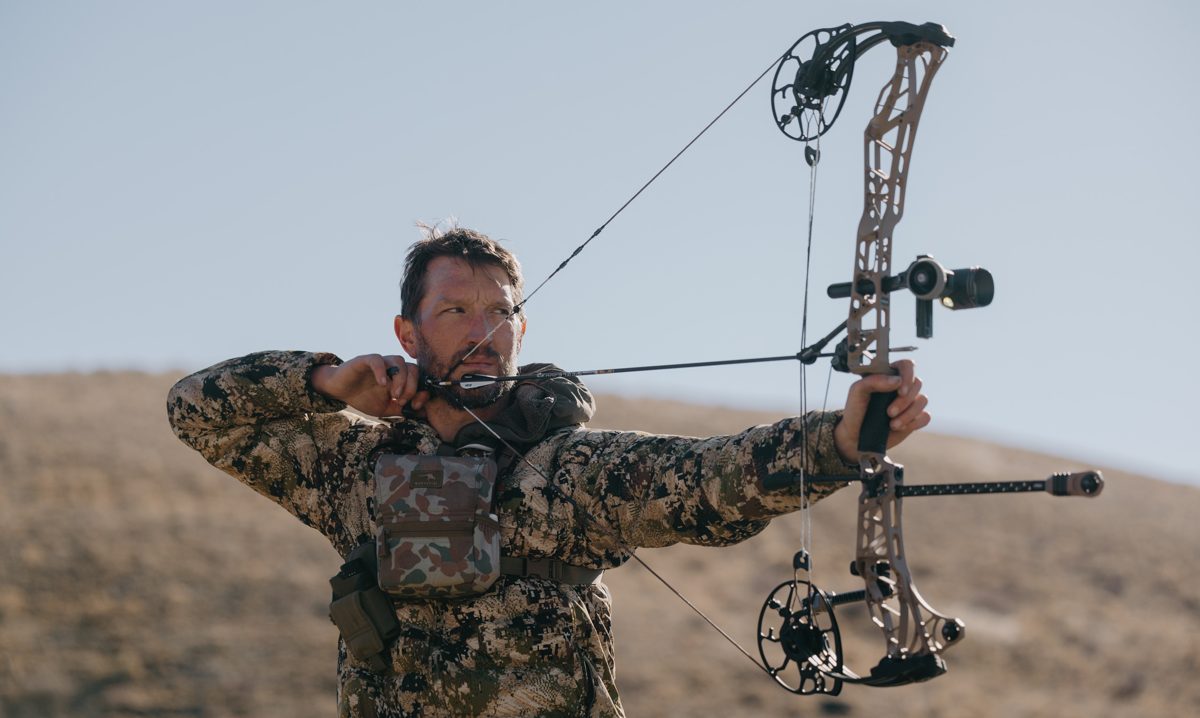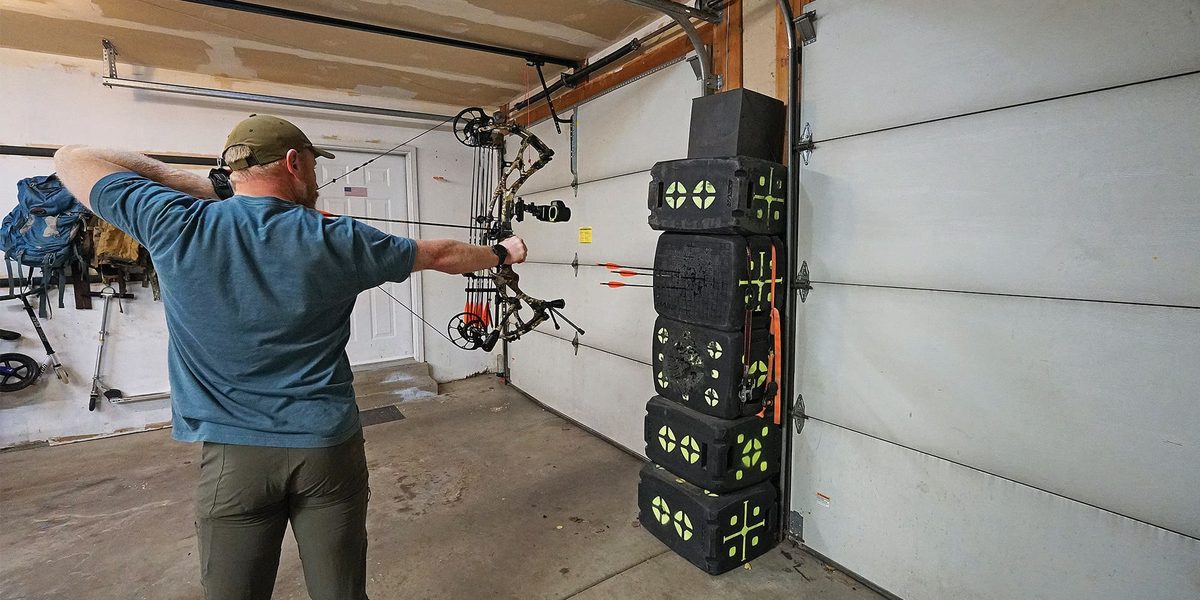
Quick Answer: To dry fire a bow means to draw it back and release the string with no arrow nocked. Without an arrow to absorb the stored energy, that force slams back into the bow itself, and it can crack limbs, twist cams, snap the string, and send shrapnel toward your face. A single dry […]
Tag Archives: archery tips
Learn instinctive archery the right way: how to aim a bow without sights, the 7-step shot sequence, the best bows, and drills that build accuracy fast.
Learn how to tie a D-loop on a compound bow in 6 easy steps, with the right material, placement, length, and pro tips for a release-ready bowstring.
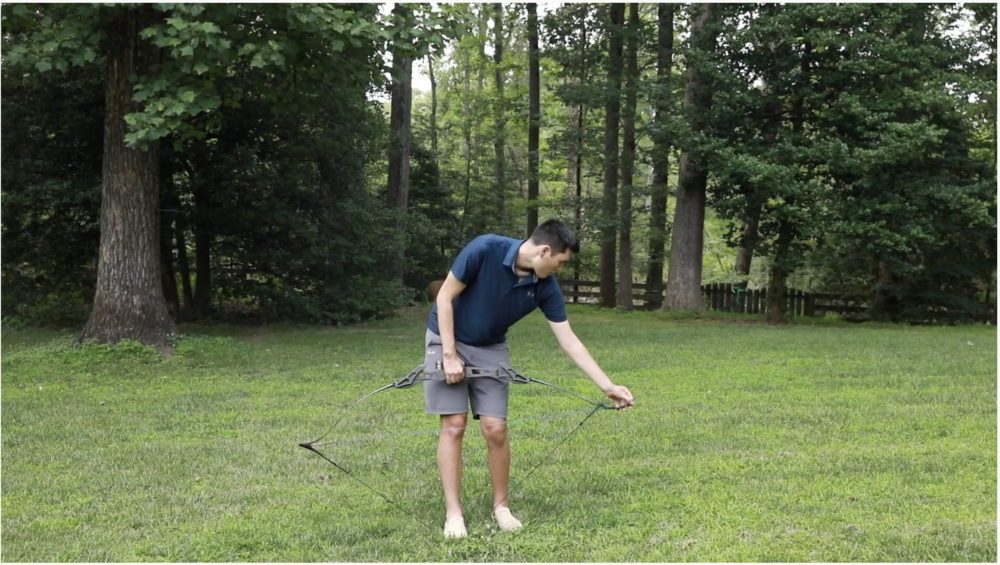
Quick Answer: To string a recurve bow, slip the larger top string loop onto the upper limb and seat the bottom loop in the lower limb grooves, then attach a bow stringer — saddle on the top limb, pouch over the bottom tip. Step on the stringer cord with both feet, pull the bow straight […]
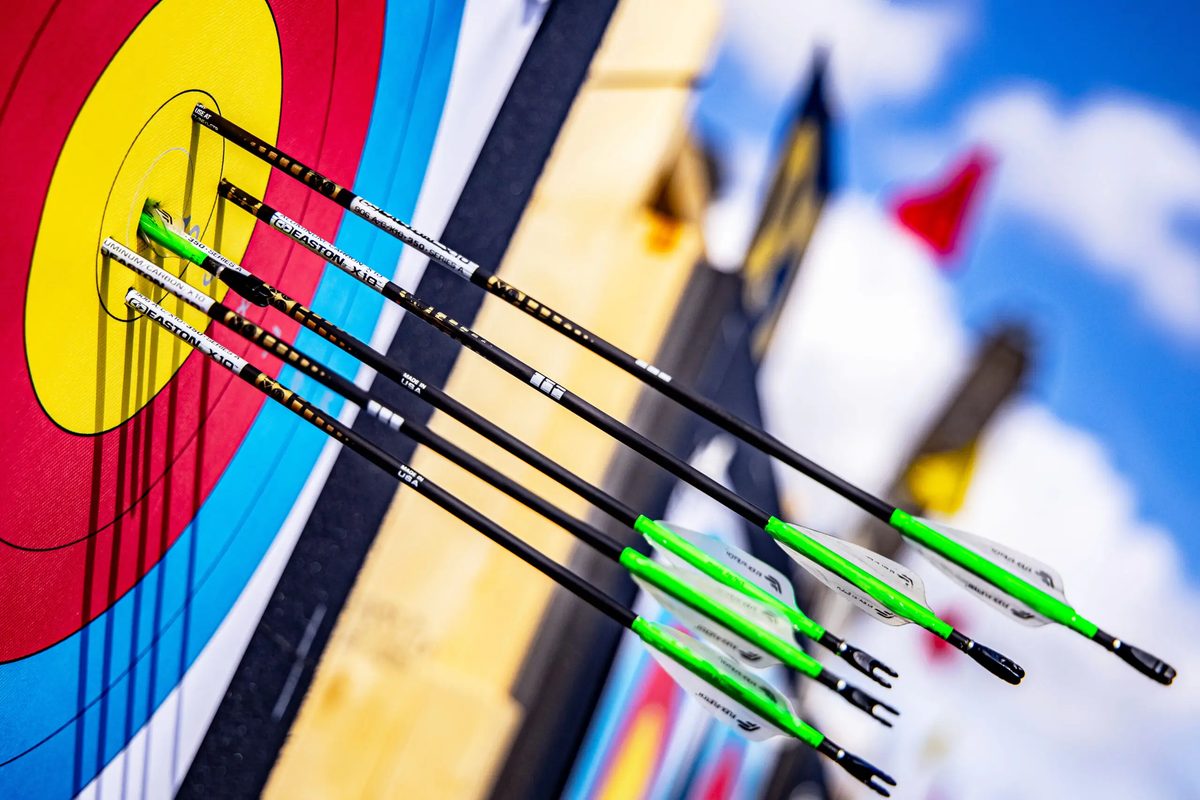
Arrow FOC controls accuracy and penetration. Here is the front of center formula, ideal FOC for hunting, and how to increase it.
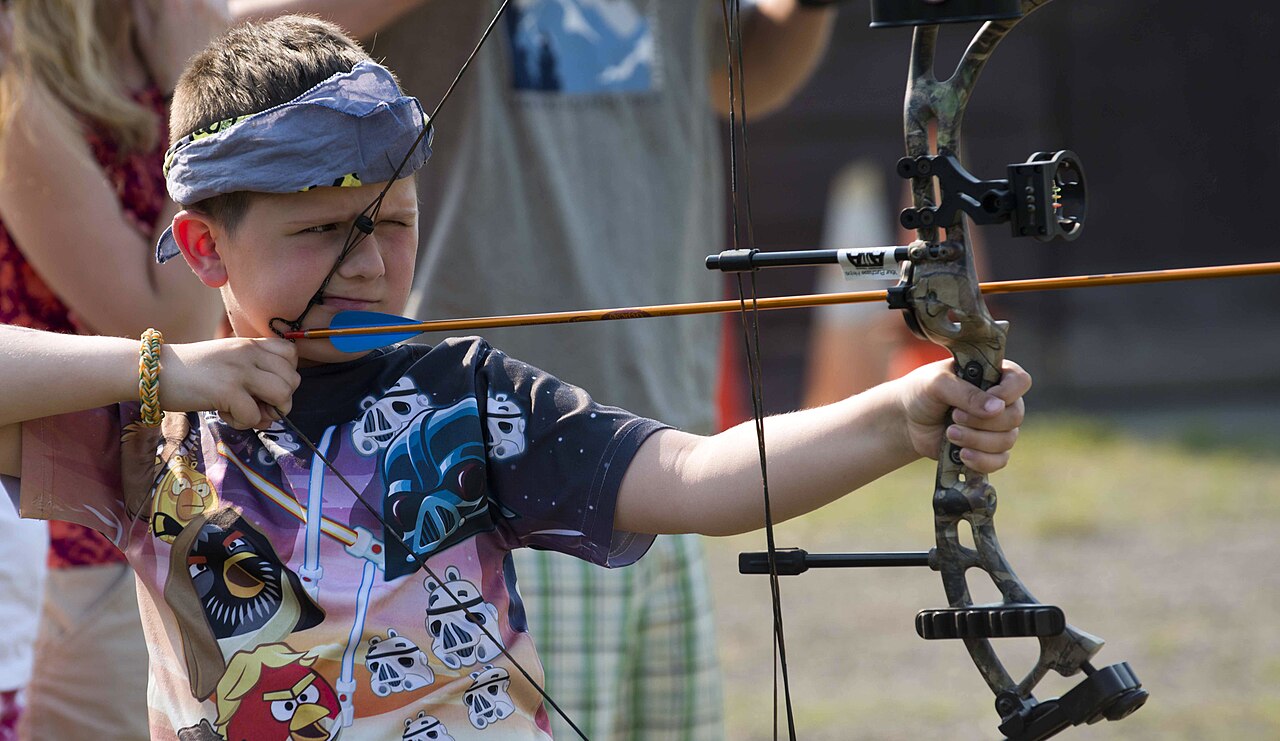
Master proper archery stance with this complete guide to square, open, and closed foot positions, seven setup steps, common mistakes, and stance drills.
Target panic in archery is fixable. These 7 drills—blank bale, back tension, and let-down work—rebuild a clean shot process in 4-6 weeks.
Single pin vs multi-pin bow sight durability compared — fiber fade, slider gear wear, housing cracks, bubble level drift, and the maintenance schedule that keeps either design hunting for a decade.
Single pin or multi-pin bow sight? A real-world breakdown of speed, accuracy, hunting fit, sight picture, and budget so you pick the right one the first time.
How to fix target panic in archery with 7 proven steps: blank bale, hinge release, shot routine, hold-and-letdown drills, blind bale and a recovery timeline.