
Archery Blog
How to Fix Target Panic: 7 Proven Steps for Archers
Apr
If you want to know how to fix target panic, the answer is rebuilding your shot from zero with blank bale practice, a back-tension or hinge release, and a written shot routine you execute on every arrow. Target panic is not a flinch, a bad day, or weak nerves — it is a hardwired neurological loop that hijacks your release the moment your sight picture meets the bullseye. The cure is real, the path is well-documented, and the archers who beat it permanently all walked through the same disciplined protocol. This guide breaks that protocol into seven proven steps that work on compound, recurve, and traditional bows.
What Is Target Panic in Archery?
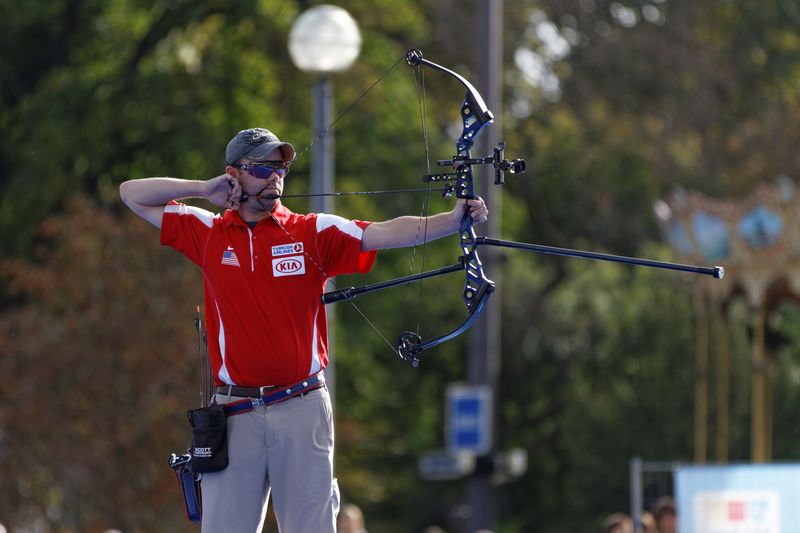
Target panic is a conditioned anticipation response in which an archer’s brain triggers the release the instant the sight pin touches — or even approaches — the intended point of impact. The result is a punched trigger, a blown shot, or a pin that drifts uncontrollably away from center because the subconscious refuses to let the pin settle. It shows up across every discipline: Olympic recurve, compound target, bowhunting, and traditional. Top coaches describe it as a shot-execution disorder — your aiming and your firing have fused into one reflex when they should be two separate processes.
The underlying mechanism is classic operant conditioning. Hundreds of shots ago, your brain noticed that pulling the trigger when the pin floated near the X usually scored well. It rewarded that timing pattern. Over time the reward loop shortcut your aim, until your hand fires on a visual cue rather than a controlled muscular intent. Once the loop is set, willpower alone cannot break it. Only deliberate retraining can.
How to Spot Target Panic Before It Wrecks Your Season
Most archers have target panic months before they admit it. Catching the symptoms early is the difference between a six-week reset and a two-year rebuild. Here are the warning signs that mean you should start the protocol now:
- You punch the trigger — your finger fires the moment the pin lands on the dot, instead of pulling through with back tension.
- You can’t hold the pin on center — the pin floats around the bullseye but refuses to settle, or it locks low and you can’t bring it up.
- Your draw collapses early — you reach anchor and the shot fires before you’ve finished aiming.
- You flinch at the moment of release — eyes blink shut, head turns, or your bow arm jerks.
- Your group sizes have inflated for no equipment reason — your tune is good, your form looks the same, but your scores are gone.
- You dread shooting — practice feels like a chore, not a release. That is target panic talking.
Step 1 — Blank Bale Shooting: The Foundation Cure
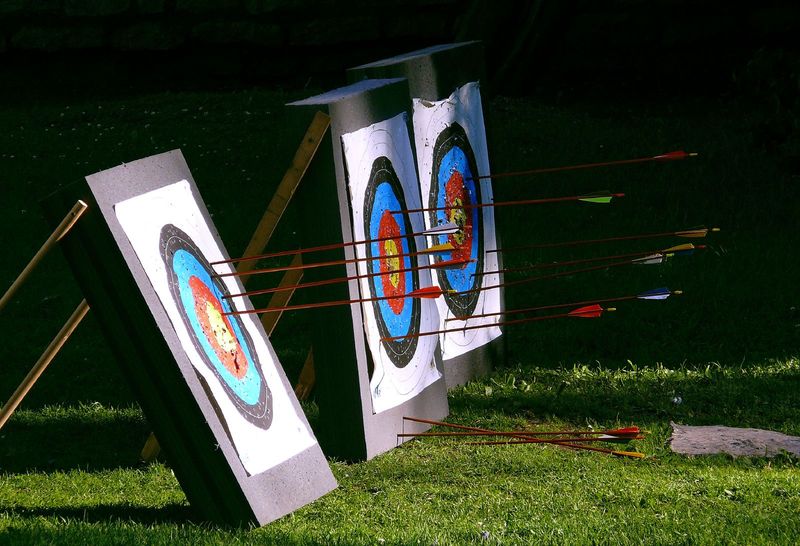
Blank bale practice is the single most effective tool for fixing target panic, and every credible coach builds the cure around it. The drill is brutally simple: stand within 5 yards of a target butt with no face on it, draw, anchor, and execute a clean shot with no visual aiming. According to Western Hunter’s blank bale guide, repeating this short-range routine teaches your nervous system to separate the act of aiming from the act of releasing — the exact connection that target panic has welded together.
Shoot 30 to 50 arrows of blank bale per session, three sessions a week minimum. Do not rush the reps. Each draw should feel identical: same grip torque, same anchor, same back-tension build, same release feel. You are not practicing aiming — you are reprogramming the muscular and neurological pattern of the shot itself. Reset between every arrow. If your form drifts, stop and reset rather than push more reps with bad technique.

Step 2 — Switch to a Back-Tension or Hinge Release
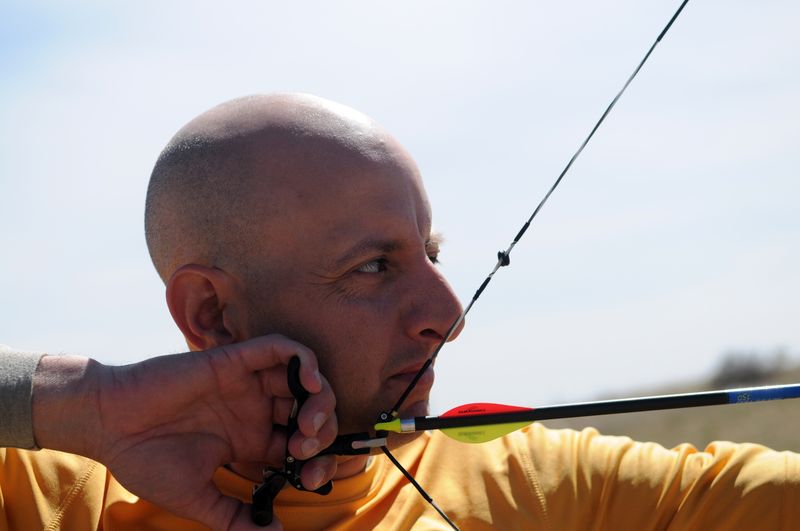
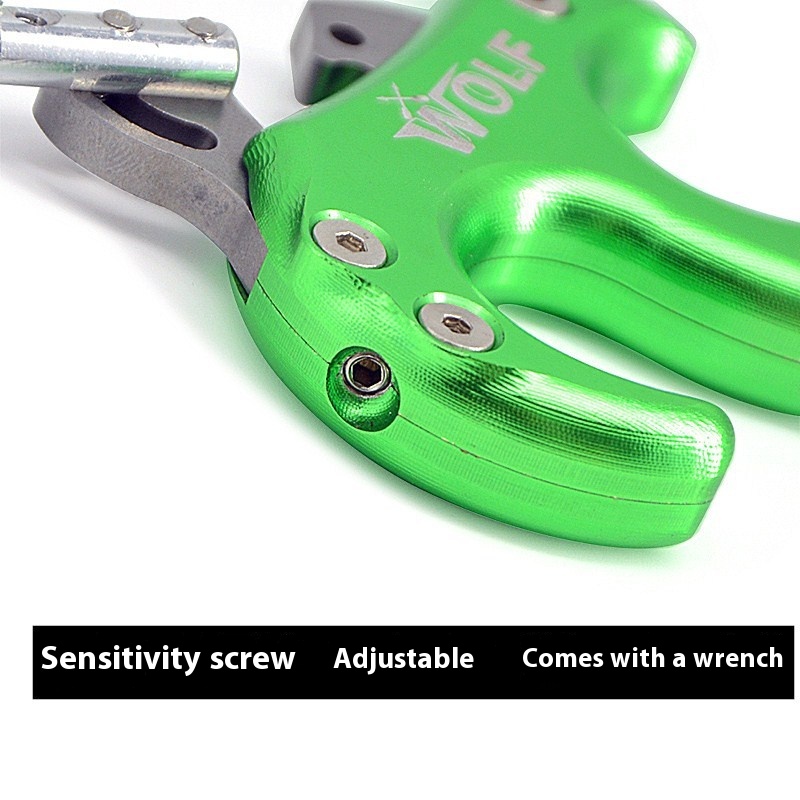
Most target panic sufferers shoot an index-finger trigger release, which is the very style most prone to triggering the punch reflex. The cure for compound shooters almost always involves switching — at least temporarily — to a back-tension or hinge-style release. With a hinge release, you cannot punch the trigger because there is no trigger. The arrow fires when rotational pressure builds beyond a set threshold, forcing you to pull through the shot with back muscles instead of slapping with your trigger finger.
Coaches at MeatEater’s target panic guide recommend running a hinge release for at least 90 days while you rebuild your shot, even if you eventually return to a thumb-button or index release for hunting. The mechanical impossibility of punching gives your brain time to relearn what a clean, surprise release feels like. If you have never used a back-tension release before, see our compound bow release aid guide for setup and adjustment basics.
Step 3 — Rebuild Your Shot Routine From Scratch
Target panic thrives in archers who shoot on autopilot. The cure is a written shot routine — a sequence of conscious steps that you execute identically on every arrow, no exceptions. A solid compound routine looks like this: stance, grip-set, hook, draw, anchor, peep alignment, level check, aim, back-tension build, surprise release, follow-through. A recurve routine adds string alignment and clicker pressure. Whatever your discipline, write it down on an index card and read it at the line.
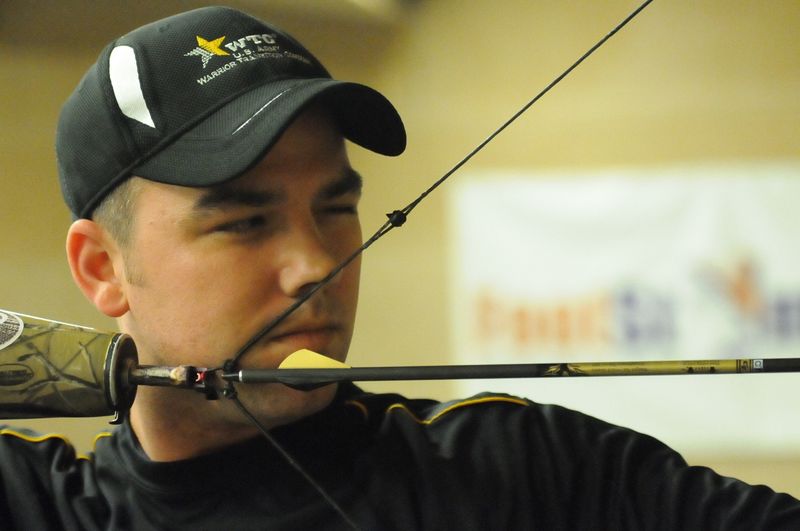
The point of the routine is not the steps themselves — it is the conscious execution. Target panic only fires when your brain is allowed to skip ahead to the release. A spoken or mentally rehearsed checklist forces every arrow through the full sequence and starves the panic loop of opportunities. Lock in your anchor point first, then add the rest of the steps around it. If any step ever gets skipped, let the bow down and start over. No exceptions, ever.
Step 4 — The Hold, Aim, Let-Down Drill
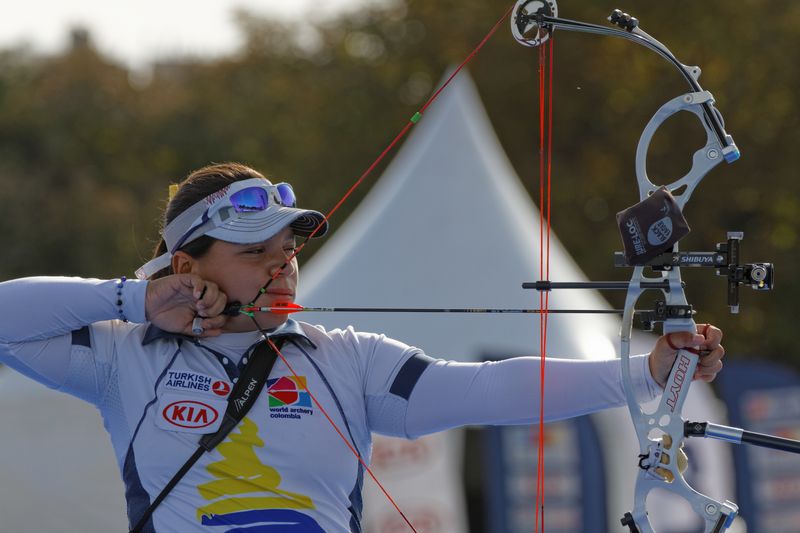
This drill rebuilds your ability to hold the pin on the bullseye without firing — which is the exact ability target panic destroys. Draw your bow, settle your anchor, aim at the dot, hold for five to ten seconds while the pin floats, then let down without shooting. Rest 15 to 30 seconds. Repeat 30 to 50 times per session before you ever release a single arrow.
Most archers find the first letdowns physically impossible — the urge to release is overwhelming. That craving is the panic loop screaming for its reward. Every letdown denies the reward and slowly extinguishes the conditioning. Plan for two to three weeks of this drill before you trust yourself to shoot live arrows at a target face again. According to GoHunt’s archery target panic guide, the hold-and-letdown protocol is what allowed Brady Miller and many top bowhunters to recover their shooting after years of failed quick fixes.
Step 5 — Close-Range Aiming and Slow Distance Build
Once blank bale and letdown drills feel automatic, you can reintroduce a target — but only at point-blank range. Move to 10 yards with a small dot face. Execute your full shot routine. If you punch, flinch, or freeze even once, drop back to blank bale for another week. If you complete 30 clean arrows with a settled pin and back-tension release, advance to 15 yards. Add five yards every two to three weeks, never sooner. Most coaches recommend staying inside 20 yards for the first month after symptoms disappear.
The temptation to skip ahead is the single biggest reason target panic comes back. Your nervous system needs time at each distance to confirm the new pattern. Rushing the build is how you end up back where you started six months later, swearing this time will be different. It will not be different unless the protocol is followed.

Step 6 — Add Blind Bale (Eyes-Closed) Reps
Blind bale shooting is the next layer beyond blank bale. Stand close to the bale, draw, anchor, settle, then close your eyes and execute the shot purely on feel. With the visual aiming loop completely removed, your nervous system is forced to log the muscular sequence — the exact pull-through, the back-tension build, the surprise release — without any temptation to anticipate.
Olympic and competition coaches at Elite Archery’s blind bale guide recommend 20 to 30 blind bale arrows after every blank bale session. The combination of blank and blind bale work is what world-class archers use as their maintenance routine — not just a cure, but a permanent practice tool that keeps the panic loop from re-forming. Shoot blind bale every week for the rest of your archery career and the odds of relapse drop dramatically.
Step 7 — Track Shots and Reset Your Mindset
Target panic has a mental component as much as a physical one. Keep a shot journal for the first 90 days of your recovery. After every session log the number of arrows, distance, what release you shot, how many shots felt like a true surprise release, and how many felt like an anticipated punch. The numbers will be ugly at first. They will get better, and seeing the trend on paper rebuilds the confidence the panic loop stripped from you.
Pair the journal with a clean mental cue. Many coaches use the phrase “aim, expand, surprise” repeated silently on every shot. The cue keeps your conscious mind anchored on the process and away from the score. Avoid scoring during the recovery phase entirely — competitive scoring re-engages the reward loop and risks rebuilding the panic. Score only after you have completed three months of clean execution. Solid archery form fundamentals are the foundation everything else sits on.

How Long Does It Take to Cure Target Panic?
Realistic timeline: 90 days minimum for moderate cases, six months for severe cases, and lifelong maintenance for everyone who has ever had it. Coaches at Hoyt’s target panic article estimate 3,000 to 6,000 dedicated reset shots before the new neural pattern overrides the old one. That sounds like a lot until you do the math: 50 arrows a day, six days a week, equals 1,300 a month — comfortably inside the recovery window if you stay consistent.
What does not work: hoping it goes away on its own, switching bows, blaming your release, taking a week off and trying again. Target panic is conditioning. Only deliberate counter-conditioning unwinds it. Stick to the protocol, log every session, and trust the process. Archers who follow the protocol come back stronger than they were before the panic ever started — because the discipline of the cure produces a more deliberate, more accurate shot than they had to begin with.
Watch a Coach Walk Through the Fix
Sources
- Western Hunter — Blank Bale Training — Detailed guide on blank bale as the primary cure for target panic.
- MeatEater Gear — How to Fix Target Panic in 3 Steps — Hinge release switch and shot process retraining.
- GoHunt — Target Panic: What to Do and How to Beat It — Brady Miller’s recovery protocol and timeline.
- Hoyt — So Long Target Panic — Manufacturer guide on shot execution and recovery rep counts.
- Elite Archery — Blind Bale Shooting — Eyes-closed practice protocols for elite archers.
- N1 Outdoors — 5 Steps to Curing Archery Target Panic — Step-by-step recovery framework.
Browse archery bows, arrows, and accessories at the Archery Supplier shop →
Shop on Amazon
Archery Targets on Amazon →
As an Amazon Associate we earn from qualifying purchases.
Shop on eBay
Archery Targets on eBay →
We may earn a commission when you shop through our eBay links.
