
Archery Blog
Target Panic Archery: 7 Drills That Actually Cure It
May
Target panic in archery is the involuntary breakdown of your shot process at the moment of aim — and it ends careers. Lanny Bassham, the 1976 Olympic gold medalist who built his coaching empire teaching shot psychology, put the prevalence at around 90% of compound shooters who have shot for more than two years. The fix is mechanical, not motivational. These seven drills rebuild a clean shot in four to six weeks of disciplined work.
What Target Panic Actually Is
Target panic isn’t nerves. It isn’t a confidence issue, and it isn’t something you “push through.” It’s a conditioned response — your brain has linked the sight picture (pin on target) to the firing command, and the link runs faster than your conscious decision to shoot. Once that connection forms, willpower alone won’t break it. You have to retrain the loop.
The three classic symptoms appear in roughly this order. Premature release: you can’t keep the pin on the target without the shot going off — it punches the moment the pin touches gold. Freezing off-center: the pin drifts low or to one side and refuses to come back into the dot. Premature anchor: you start trying to release before you’ve finished the draw cycle, and the bow feels suddenly heavier than it is. Most archers experience one symptom dominantly, with the other two hovering in the background.
The truth is, most archers who think they have a form problem actually have target panic — and most who think they have target panic are partly dealing with poor eye dominance setup or a release aid that doesn’t suit their shot style. Get those squared away before you commit to a full retraining program.
Drill 1: Blank Bale Shooting at 3 Feet
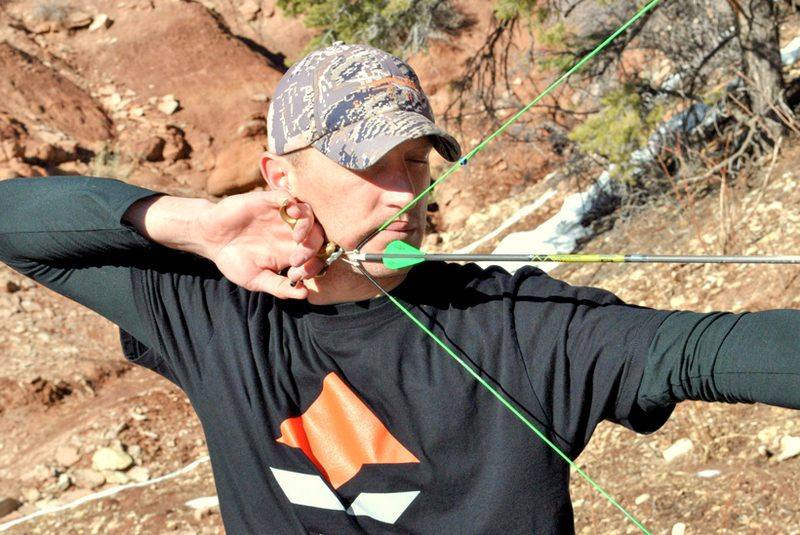
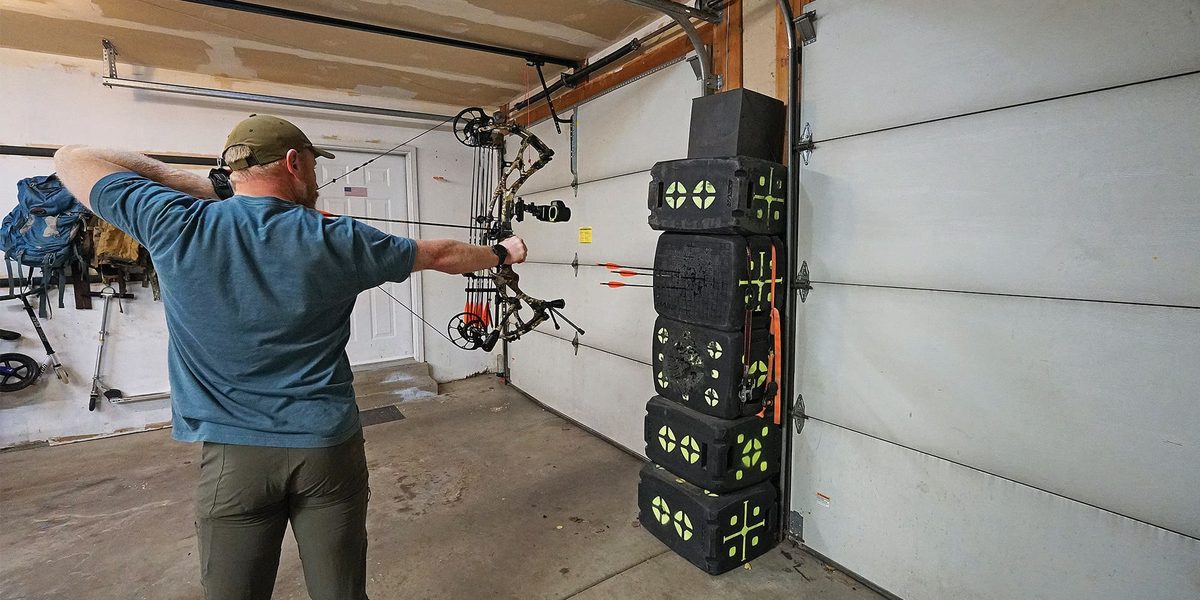
This is the foundation. Stand three feet from a blank backstop — no target face, no aiming point, just foam. Close your eyes after you draw. Run your full shot process: anchor, settle, build back tension, surprise release. The point is to feel the shot, not to hit anything. You’ll do this for ten to fifteen minutes a day before any other archery practice, every day, for at least three weeks.
The Western Hunter team — guides who shoot for a living — calls blank bale “the secret weapon” of archery proficiency. Their rule: if you’ve shot fewer than 200 blank-bale arrows on a given technique change, you haven’t owned it yet. Shoot fifteen to twenty arrows per session, not fifty. Quality of execution beats volume; sloppy reps reinforce the same broken pattern you’re trying to break.

Drill 2: Aim, Hold, and Let Down
Now you reintroduce the target — but you don’t shoot. Set up at 10 yards. Draw, anchor, settle the pin, count to seven, and let down. Repeat ten times. Then draw, anchor, settle, count to seven, and shoot — one arrow. Then back to nine let-downs and one shot. The ratio matters: roughly nine repetitions of holding the pin without firing for every one shot taken.
This is the drill nobody wants to do, and the reason it works. Your brain has learned that pin-on-target equals “fire.” Let-down practice teaches it that pin-on-target is just a thing that happens — sometimes a shot follows, usually one doesn’t. Within two to three weeks of this, the premature release reflex starts to fade. Stop the second you feel the pin trying to drag the shot off; let down and start over.
Drill 3: Switch to a Back Tension Release
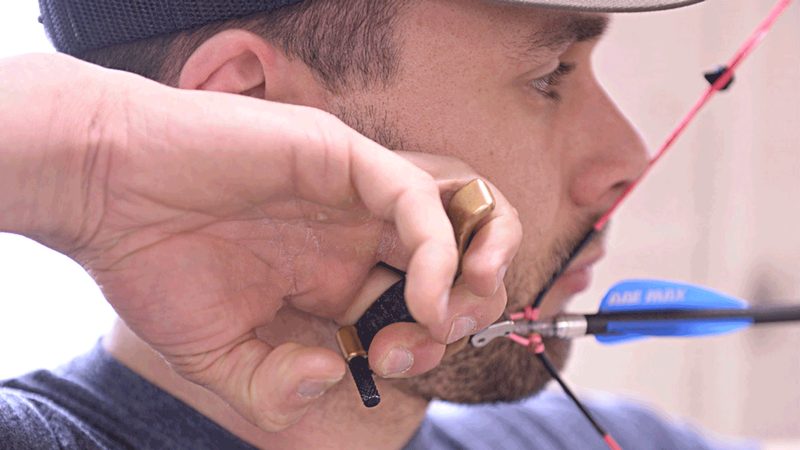
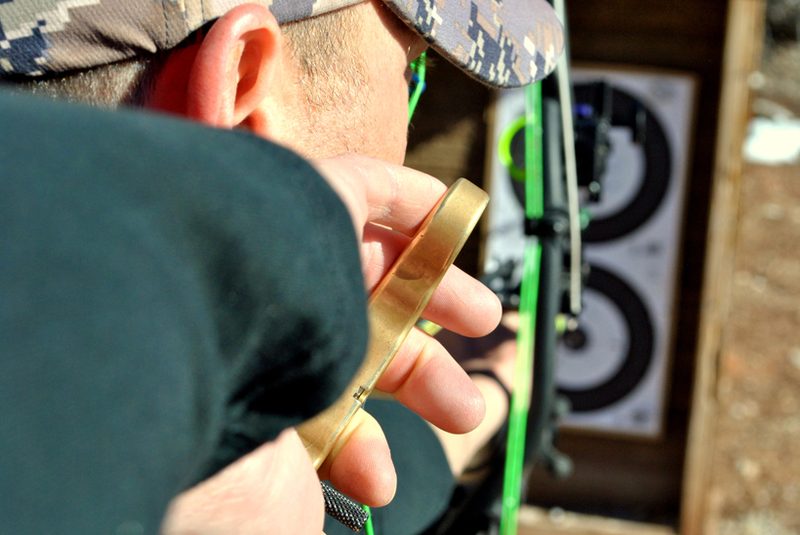
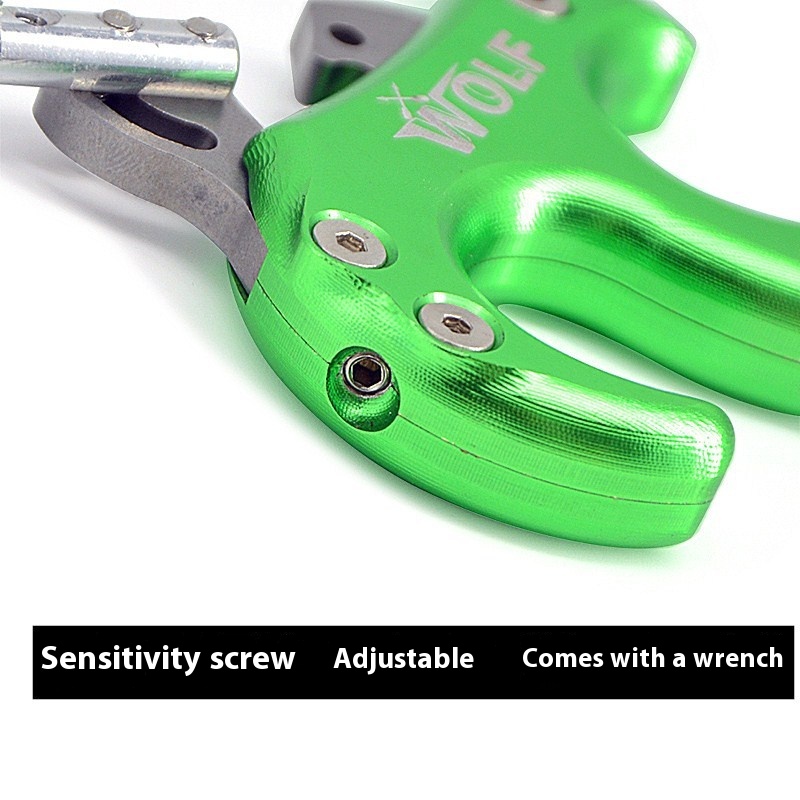
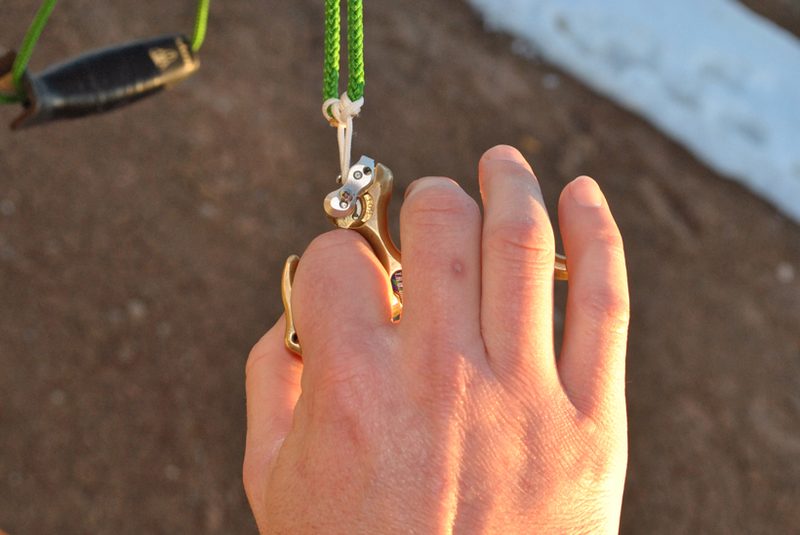
If your shot fires the instant your finger touches the trigger, you don’t need willpower — you need a release that physically cannot be triggered with your finger. Hinge-style back tension releases fire when rotation crosses a threshold, driven by the slow contraction of your rhomboid muscles. There’s no trigger to punch.
Indoor target archers and 3D pros have used hinges for decades because they remove the option to cheat the shot. The drawback for hunters: a hinge fires when it fires, and you need three to four months of practice before you trust one on game. For target panic recovery, that’s the point. Read our full release aid buying guide for trigger-style alternatives like tension-activated thumb releases, which give you more control during the transition.
Drill 4: Practice String With a Hinge
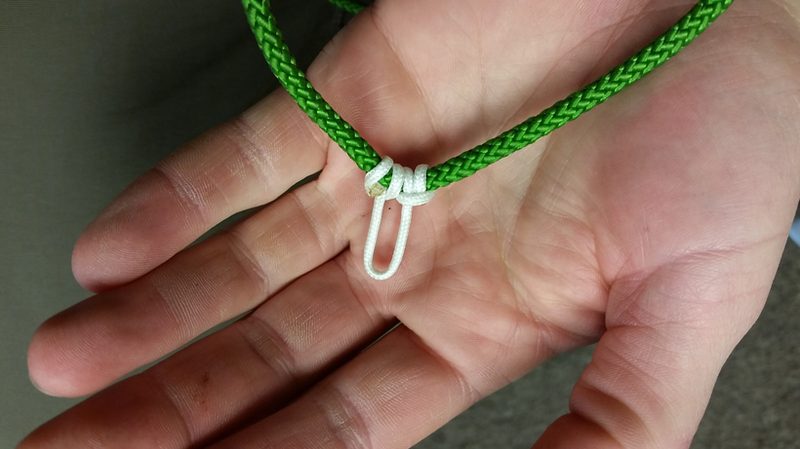
Buy a hinge release and don’t shoot it on your bow yet. Tie a short piece of paracord around a doorknob with a D-loop tied at the end, and practice the hinge motion at home — ten minutes a night while you watch TV. You’re learning how the release rotates under back tension without the consequence of an arrow flying.
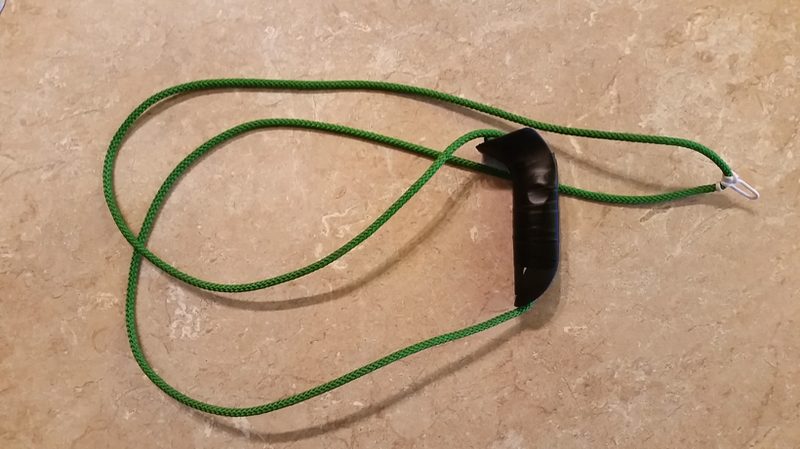
This sounds basic. It cures more cases of target panic than any drill on this list. The reason: the firing motion is a foreign movement pattern for an index-finger shooter, and grinding it in with no bow, no draw weight, and no target means the new pattern can be muscle-memorized cleanly before it ever has to compete with the broken one. After two weeks of practice-string reps, you’ll come back to the bow with a release you can actually trust.
Drill 5: The Bridge — Two Targets at 20 Yards
Set two target butts side by side at twenty yards, each with a 3-inch dot. Draw on dot one, settle, then float your aim deliberately across to dot two before shooting. The float teaches your brain that the pin can leave the gold without triggering a release. This drill mimics the controlled aiming float that competition archers describe as the “subconscious aim” — the pin drifts in a small pattern, the shot breaks when the back finishes the rotation, and the arrow lands where the pin was, on average.
Run 30 to 50 arrows of bridge drill per session. If the shot fires while the pin is between dots, that’s data, not failure — it means the trigger reflex hasn’t fully unwired yet. Drop back to blank bale for a week, then return to the bridge.
Drill 6: The 10-Shot Process Card
Write your shot process on an index card and tape it to your bow’s lower limb. List every step: bow up, hook, set the grip, draw, anchor, settle, aim float, build back tension, surprise release, follow through. Ten steps. Out loud, you say each one as you do it. Some target archers do this for a year before they trust themselves to stop reciting it.
Why it works: target panic is a process collapse. You stop thinking about steps two through nine and only think about step one (anchor) and step ten (release). The card forces you to walk through the middle steps that the panic skipped. After three weeks of process-card shooting, the middle steps automate themselves — and the shot stops collapsing.
Drill 7: Reset Yardage — Drop Back to 10 Yards
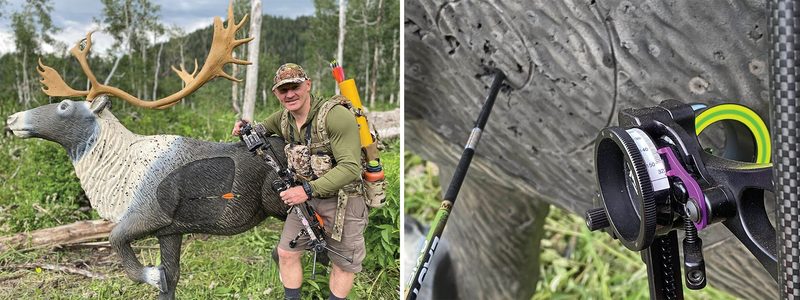
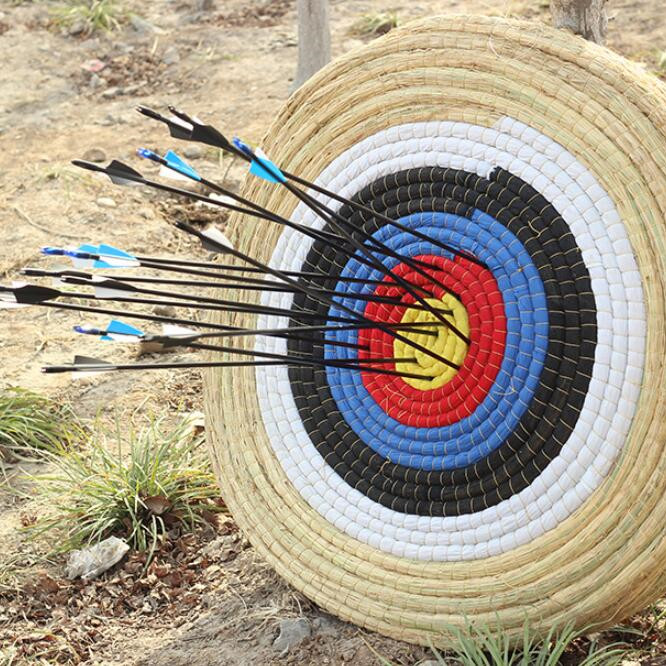
Most archers with target panic shoot at the distance where their panic appeared — usually 40 or 50 yards. That’s the wrong place to be. Drop everything back to ten yards. The dot is huge. The penalty for a punched shot is tiny. Your brain can rebuild the shot sequence without the stress of holding through a small pin gap.
Stay at ten yards for two weeks. Move to fifteen for a week. Then twenty. Each yardage jump waits until you’ve put a full week of arrows on the previous distance without a single punched shot. Rushing this is how the panic comes back. If you’re paper tuning during this period, check our paper tuning chart guide — clean bullet holes at short range remove arrow flight from the diagnostic puzzle while you rebuild the shot.
Watch a Pro Walk Through the Cure
Coach and competitor Chris Bee runs through the most common target panic patterns and the back-tension shot process he uses to fix them. Worth fifteen minutes if you’re convinced the problem is in your head — it’s almost never in your head.
How Long Until Target Panic Goes Away
Realistic timeline: four to six weeks of dedicated daily drill work for a mild case, three to six months for a severe one. Severe means you can’t draw on a target without the shot going off, can’t hold for more than half a second, or have started flinching at the shot. Severe cases sometimes need a coach because the patterns are too automated to break in solitary practice.
The biggest mistake during recovery: going back to scoring rounds too early. If you shoot a 3D tournament three weeks in, the competition pressure will collapse the new shot pattern and reinforce the old one. Skip competition for the whole recovery period. Skip 3D shoots, skip leagues, skip anything that puts a score on the line. Your brain needs to rebuild the pattern under low-stakes repetition before it can defend it under pressure.
When to See a Coach (Or Stop Shooting Temporarily)
If you’ve done four weeks of these drills and the shot is still collapsing, you need a coach who specializes in shot psychology. Lanny Bassham’s Mental Management Systems and Hinky Schloesser’s Iron Mind program are the two best-known curricula in the U.S. compound world. A few sessions with either are cheaper than years of frustration.
And if you can’t even draw a bow without the shot firing within a second, stop shooting for two weeks. The pattern needs to fade before you can rebuild it. Pick up a stretch band, work on form without the bow, and read about shot process. Coming back fresh is faster than grinding through panic for another six months. Target panic gets worse the more you fight it badly — and better the moment you start fighting it right.
Sources
- Target panic: what to do & how to beat it — GoHunt — Hunter-focused breakdown of symptoms and corrective drills.
- So Long, Target Panic — Hoyt Archery — Manufacturer’s overview of the mental and mechanical causes of target panic.
- The Secret Weapon of Archery Proficiency: Blank Bale Training — Western Hunter — Practical guide to blank bale rep counts and execution.
- 3 Keys To Proper Blank Bale Practice — Online Archery Academy — Coaching framework for getting the most out of close-range drill work.
- Back to a Back Tension — Bow International — Technical primer on hinge mechanics and the rotation that triggers a clean release.
Browse archery bows, arrows, and accessories at the Archery Supplier shop →
