26
May
May
Arrow spine charts confuse most archers because the numbers run backwards and depend on five hidden variables. Here’s how to actually read one.
Arrow spine charts confuse most archers because the numbers run backwards and depend on five hidden variables. Here’s how to actually read one.
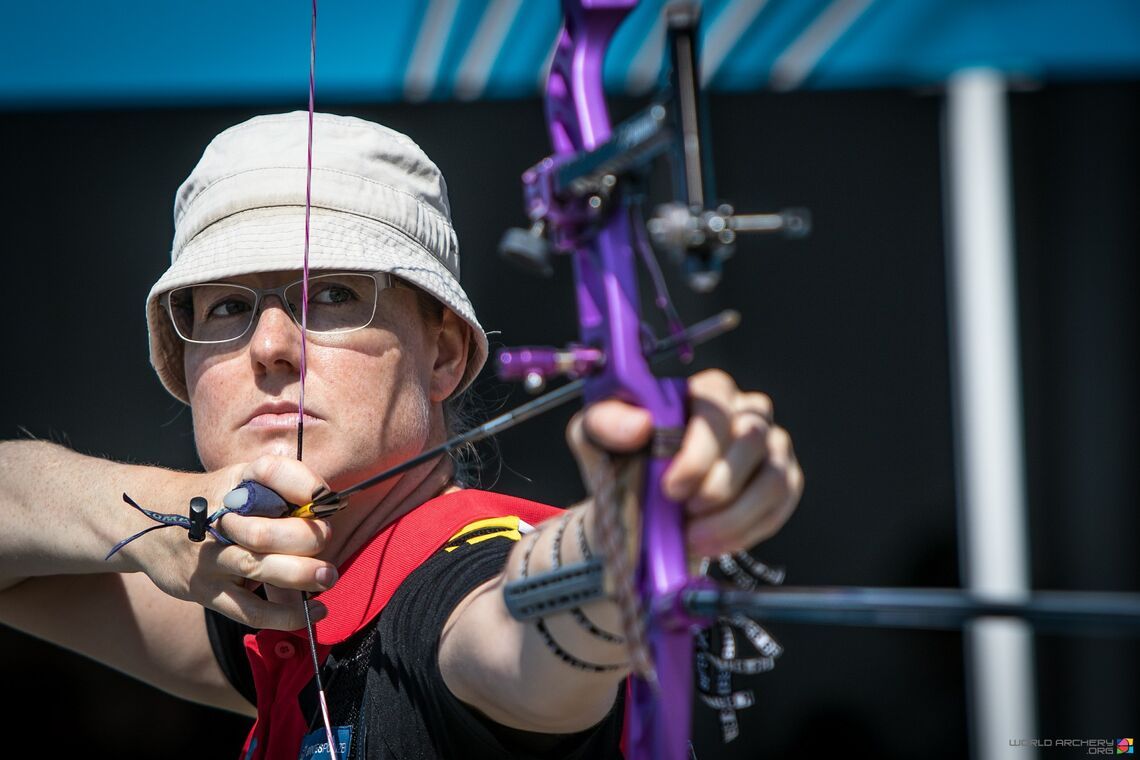
Eye dominance in archery decides which side of your face the bow ends up on, and roughly one archer in four has a dominant eye on the opposite side from their dominant hand. That single mismatch — called cross-dominance — is the hidden reason a beginner can hold textbook form, anchor cleanly, release without flinching, […]
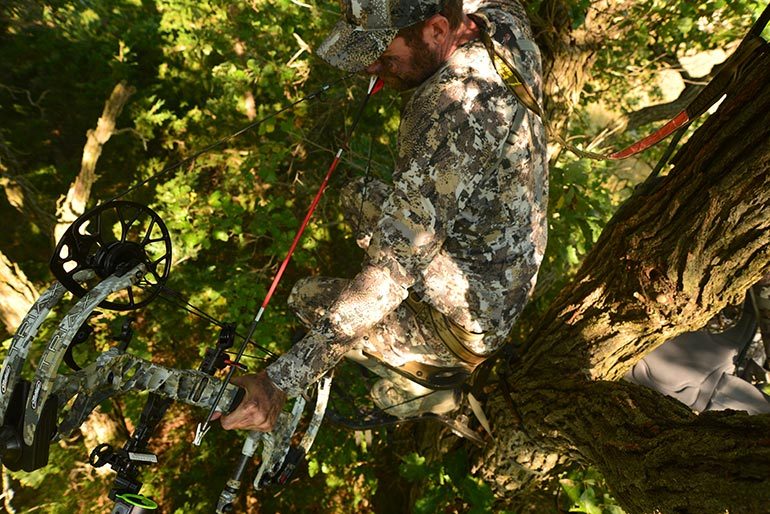
Fixed vs mechanical broadheads: real flight, penetration, and tuning tradeoffs no manufacturer admits. Pick the right head for your bow and game.

Türkiye sweeps both compound titles at Antalya 2026, Bakker wins first major in recurve as Germany claims both team golds, and three world records fall — your full archery week.
Arrow weight and FOC shape everything from flight stability to penetration. Learn how to measure, calculate, and tune both for your bow and your goals.
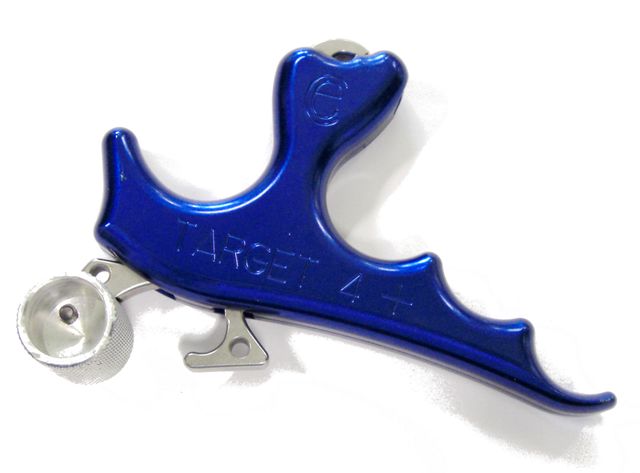
A practical release aid buying guide that walks through index, thumb, and hinge releases — and how hand size, draw length, and your shooting discipline should steer the choice.

A practical, hands-on comparison of whisker biscuit, drop-away, and blade arrow rests — strengths, weaknesses, tuning quirks, and the right pick for hunting, 3D, or target archery in 2026.
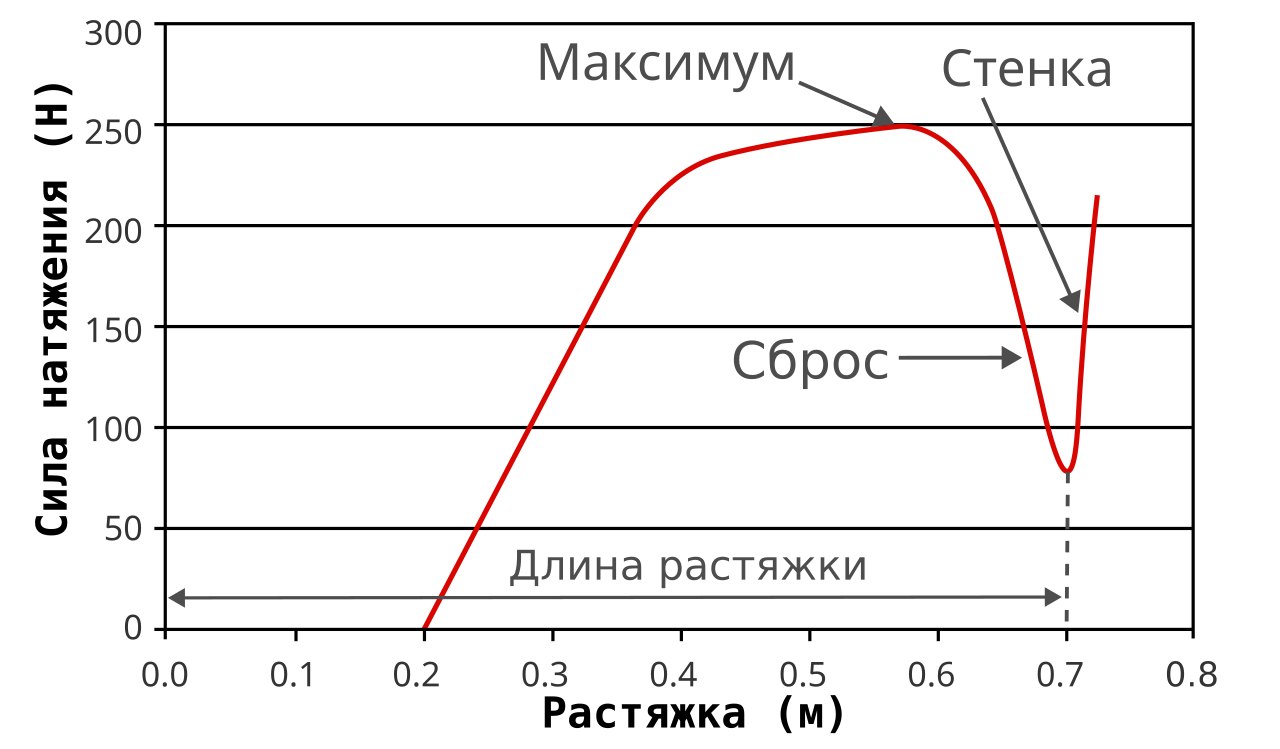
When legal shooting light fades, your bow sight stops being a spec-sheet comparison and becomes the deciding factor on whether you draw or let down. Here is how single pin and multi-pin sights actually perform when the woods go grey.
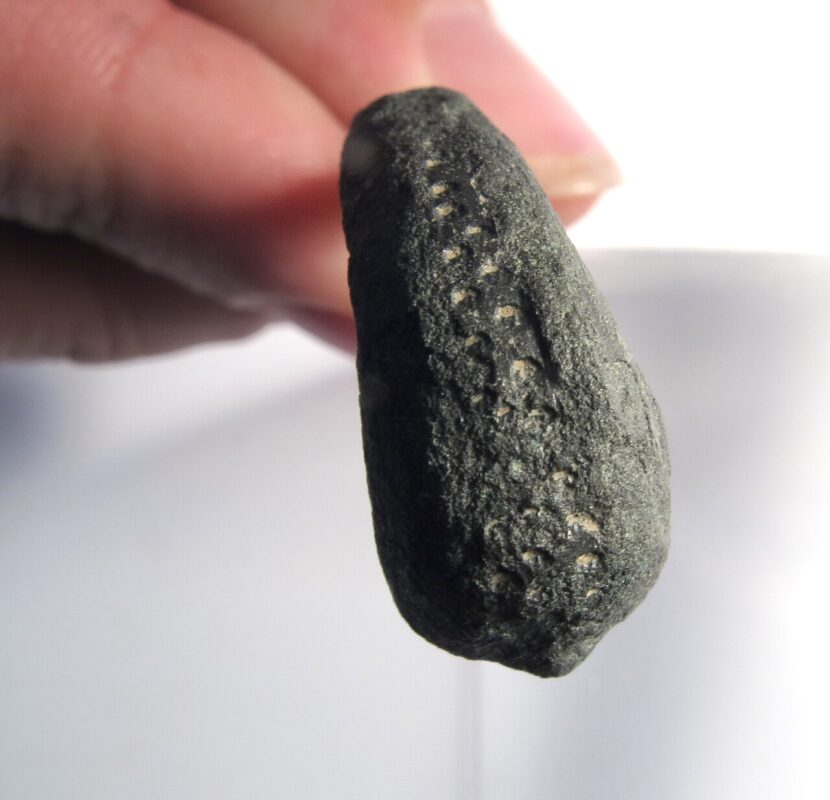
Pin diameter quietly drives accuracy and target acquisition speed in every bow sight. Here is how .010, .019, and .029 fiber sizes shift the single pin vs multi-pin decision for compound archers.

Single pin vs multi-pin bow sight durability compared — fiber fade, slider gear wear, housing cracks, bubble level drift, and the maintenance schedule that keeps either design hunting for a decade.