
Archery Blog
Arrow Rests Compared: Drop-Away, Whisker Biscuit, and Blade in 2026

May
Your bow sight gets all the attention. Your release earns nervous fiddling. But the small piece of metal or plastic your arrow actually sits on — the rest — quietly decides whether your shaft leaves the bow clean or wobbles off course. Pick the wrong rest for your shooting style and even a perfectly tuned sight cannot save the shot.
This guide compares the three rest categories that dominate compound shooting in 2026: the whisker biscuit (full-capture), the drop-away, and the blade rest. We will dig into how each one supports the arrow, where it shines, where it fails, and which one belongs on your bow.

Why the Rest Matters More Than Most Archers Realize
The rest is the last point of contact between your arrow and your bow. It controls how the arrow sits at rest, how the fletchings clear during the shot, and whether the shaft starts its flight straight or with a tail-wagging oscillation that no sight pin can correct. A great arrow on a poor rest is a coin flip past 30 yards.
Three things separate good rests from bad ones: arrow retention (does the shaft stay put when you draw, kneel, or twist?), fletching clearance (does anything brush the vanes as the arrow accelerates?), and consistency (does it hold the same launch position shot after shot?). Every design we will cover handles those three jobs differently, and that is where the trade-offs live.
Whisker Biscuit: The Full-Capture Workhorse
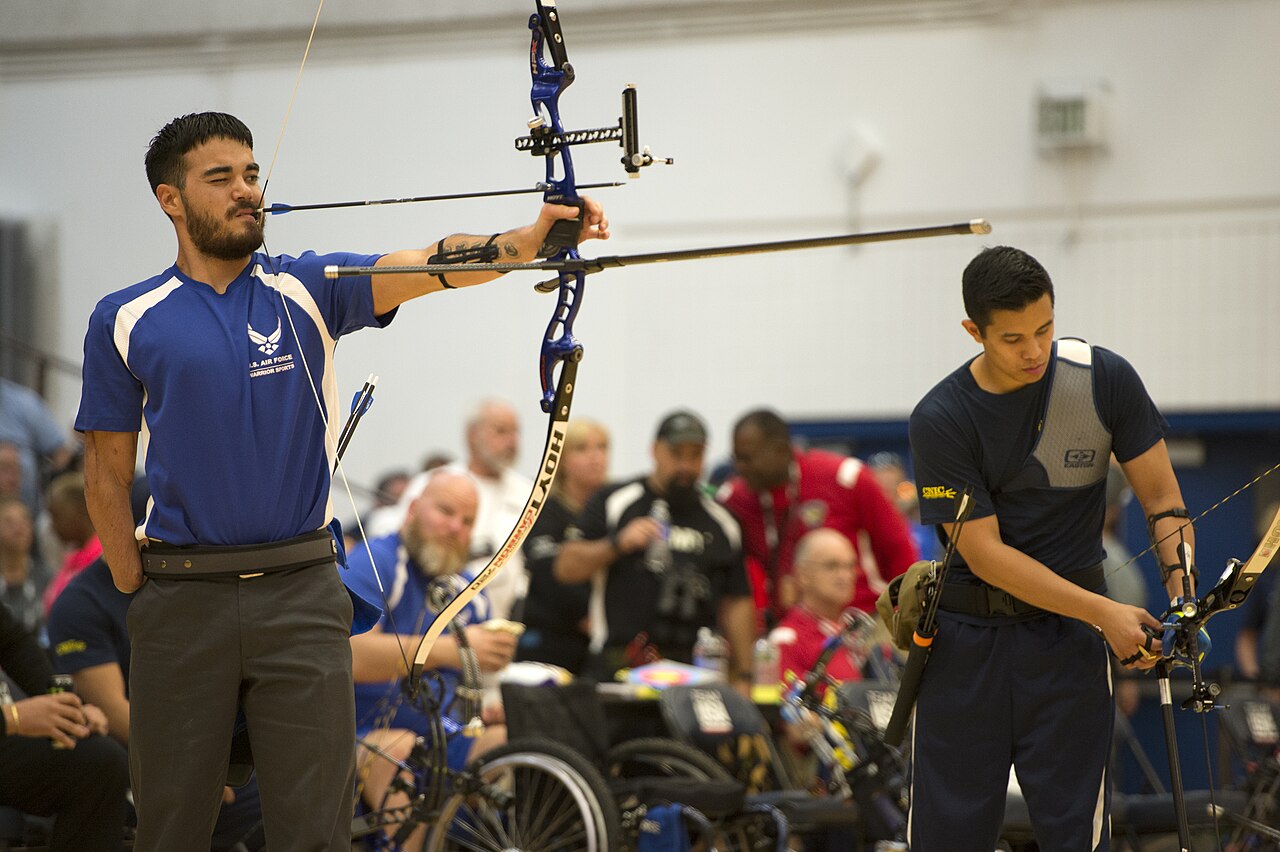
The whisker biscuit is the simplest design on the market and the easiest to live with. A ring of stiff bristles surrounds the arrow on all sides, keeping it captured no matter how you hold or angle the bow. You can shoot upside down, hang from a tree stand, or crawl through brush — the arrow stays put.
Where It Wins
Bowhunters love biscuits because there is almost nothing to fail. No moving parts, no cords, no launcher arms. Drop your bow on the way up the stand and the rest still works. For new compound archers, the captured arrow removes one variable from learning the shot — you can focus on form and release without babysitting the shaft.
Where It Loses
The bristles touch the fletchings every single shot. That contact wears vanes down, reduces arrow speed by a small but measurable margin, and can deflect fletching enough to affect groups at longer distances. Wet bristles compress and shift launch angle. For target archers chasing tight groups past 50 yards, the biscuit is usually the wrong answer.
Shop Whisker Biscuit Arrow Rests on Amazon →
Drop-Away Rests: Speed and Clearance in One Package
Drop-away rests hold the arrow up during the draw, then fall completely out of the way before the fletchings reach the rest position. Done right, the arrow flies with zero rest contact during the most violent part of the shot — total fletching clearance, every time.
Drop-aways come in two flavors. Limb-driven rests use a cord tied to the down-cable or limb that pulls the launcher up at draw and lets it fall as the bow returns to brace. Cable-driven rests connect to the downward-moving cable through a clamp, lifting and dropping with cam rotation. Each has a slightly different fall-timing window, and the limb-driven version is generally considered more forgiving because the cord is tied at a quieter point in the system.
Where It Wins
Better fletching clearance means better arrow flight, which means tighter groups — especially with small-diameter target shafts and stiff vanes. Drop-aways also recover the arrow speed lost to biscuit drag, often two or three feet per second on identical setups. Premium models like the QAD Ultrarest HDX, Hamskea Hybrid Hunter Pro, and Ripcord Code Red are quiet, repeatable, and field-proven.
Where It Loses
Drop-aways add moving parts, timing cords, and setup complexity. A loose tie-in or a worn return spring lets the launcher fall early or fail to lift, and your shot dumps the arrow into the riser shelf. Most modern designs include a full-containment cage to prevent fallout at full draw, but cheaper drop-aways skip this feature, leaving you exposed to lost arrows in awkward shooting positions.
Shop QAD Ultrarest Drop-Away on Amazon →
Blade Rests: The Target Archer’s Tool
Blade rests — sometimes called launcher-arm rests — hold the arrow on a single thin spring-steel finger that flexes as the arrow accelerates. There is no capture and no drop. The arrow sits on top of the blade and rides off the tip during the shot.

Blade thickness, length, and stiffness are tuned to arrow weight and spine. A heavier arrow needs a stiffer blade; a lighter target shaft works with a thinner, more forgiving one. This tunability is why blade rests dominate target compound and barebow recurve setups at the elite level — the shooter can fine-tune the launch dynamics to a degree no captured rest allows.
Where It Wins
The simplest possible support means the most consistent launch. Zero capture means zero parasitic drag. For indoor target lines, field rounds, and outdoor 70-meter shooting where fractions of an inch matter, a properly tuned blade is hard to beat.
Where It Loses
The arrow falls off the rest the second you tilt the bow or let off the string carelessly. Take a blade rest hunting and you will dump an arrow on every other stalk. Blades also bend if abused and need periodic replacement. They are tools for archers who shoot from a known body position, not field hunters managing terrain.
Containment Cages: The Compromise Most Hunters Pick
Modern drop-away rests increasingly come with full-containment cages — wire arms that surround the arrow on all sides until the launcher drops. You get the arrow security of a biscuit at rest and full clearance during the shot. Hamskea, QAD, and Trophy Ridge all offer caged drop-away models that have become the default upgrade for serious bowhunters.
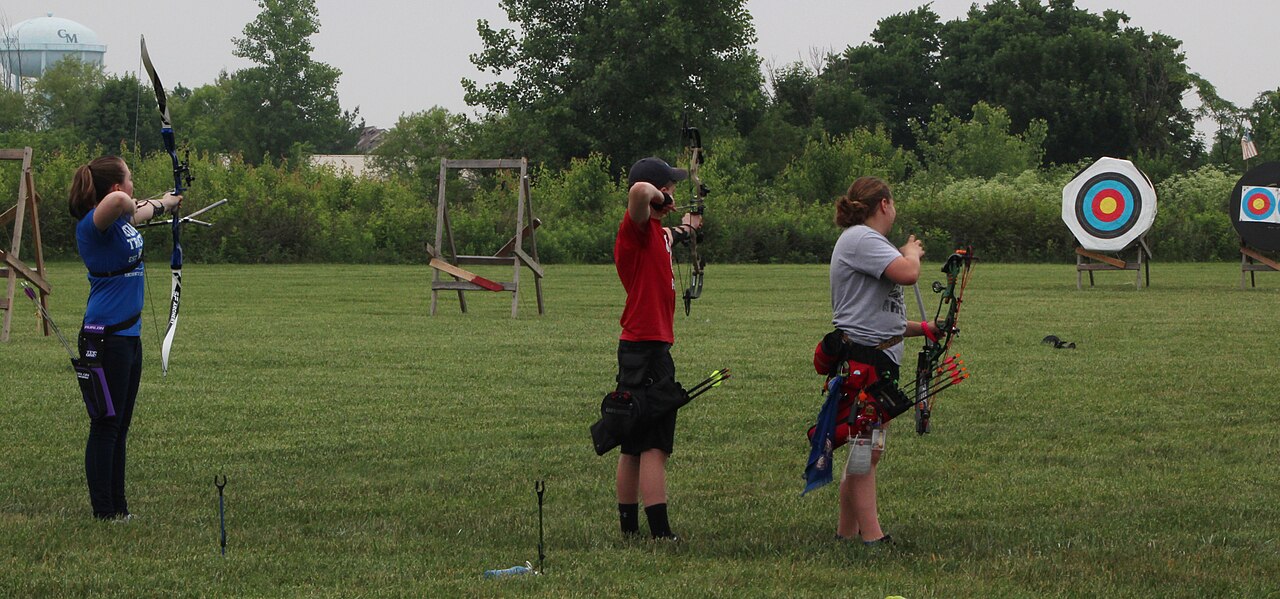
If you hunt out of a stand, hike with a nocked arrow, or shoot tournament classes that require carrying the bow uphill between targets, a caged drop-away gives you the best of both worlds. The trade-off is weight and price — full-containment caged drop-aways run two to three times the cost of a basic biscuit, and the cage itself adds a few ounces to a sight-end of the bow that some target shooters obsess about balancing.
Shop Hamskea Hybrid Hunter Pro on Amazon →
How to Choose by Discipline
Bowhunting
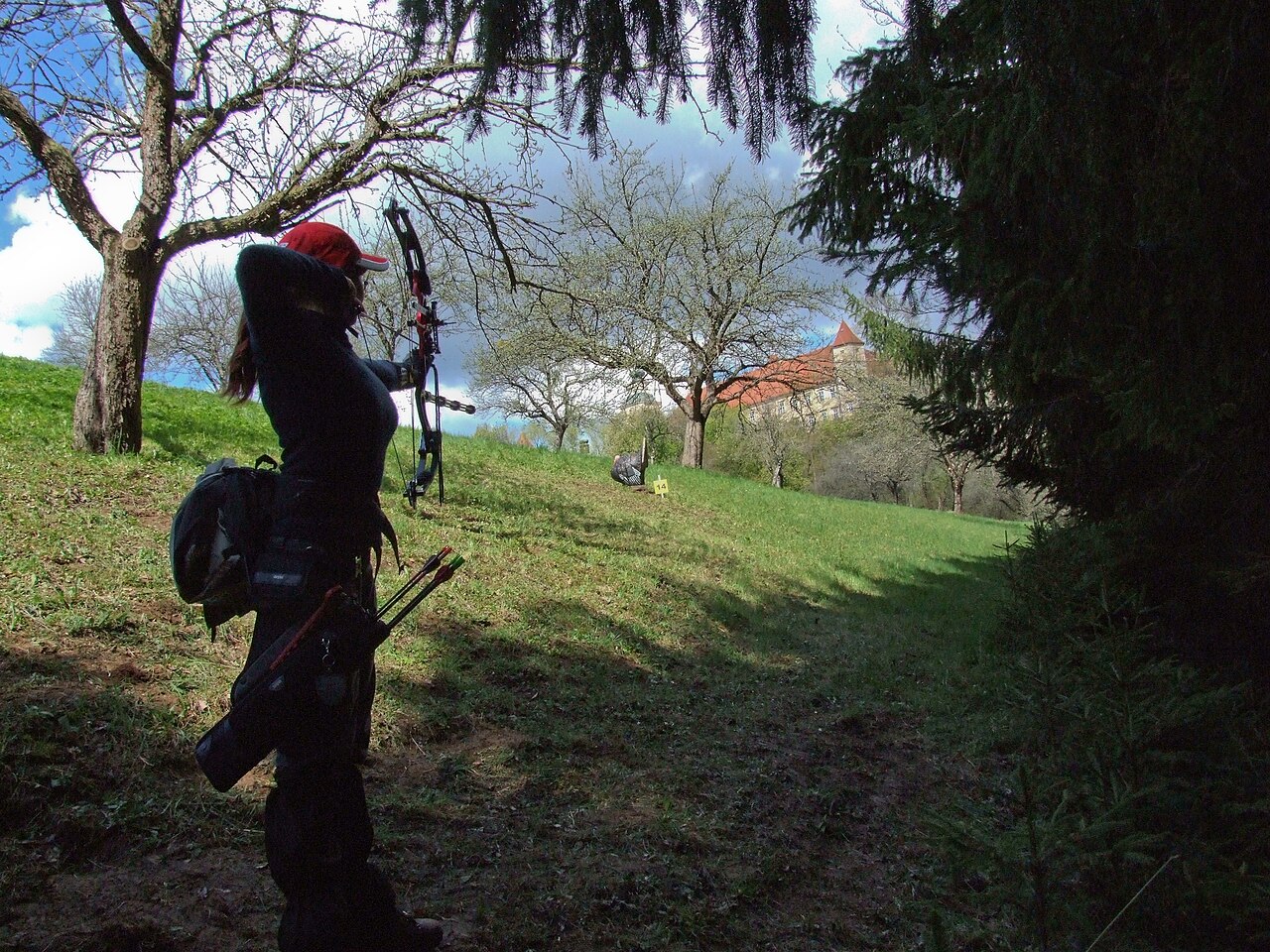
A caged drop-away if budget allows, a whisker biscuit if it does not. Tree-stand angles, brush, and the long wait at full draw demand arrow containment. Speed and tight 3-inch groups at 70 yards are not the deciding factors here — confidence that the arrow is still on the rest when the deer steps clear is.
3D Archery
Drop-away with containment, every time. You will walk between targets, kneel to read distance, and shoot at downhill angles where blade rests dump arrows. The clearance pays off at the longer unknown distances 3D courses include, where small launch errors stack up fast.
Target and Indoor Spots
Blade rest. A tuned blade with the right thickness for your arrow weight gives the cleanest launch available, and you are shooting from a fixed line where containment does not matter. Most podium compound shooters at major outdoor and indoor events run blades.
Casual Backyard Shooter
Whisker biscuit. It is cheap, it is bombproof, and you can mount it once and forget about it. The small group penalty does not matter when you are plinking foam from 20 yards.
Price Ranges and What You Actually Pay For
Whisker biscuits start around $35 and top out near $80 for the brass-housing models. There is not much to spend money on — a bristle ring is a bristle ring, and the premium versions mostly buy you a sturdier housing and finer micro-adjust knobs.
Drop-aways span the widest range. Budget cable-driven models start around $70 and work fine for casual use, while flagship limb-driven rests from Hamskea, QAD, and Vapor Trail run $180 to $280. What you are paying for: precision micro-adjust, vibration damping, lockout features for travel, and consistent return springs that do not fade after a heavy season.
Blade rests are the cheapest serious option at $40 to $120, but you will burn through blades. Plan on $8 to $15 per replacement blade and expect to swap two or three per heavy tournament season.
Tuning Differences You Need to Know
Each rest type tunes differently. Whisker biscuits use the center of the bristle ring as a fixed reference — you adjust the entire housing to align with the nocking point and Berger hole. There is no launcher timing to worry about, just centershot and elevation.
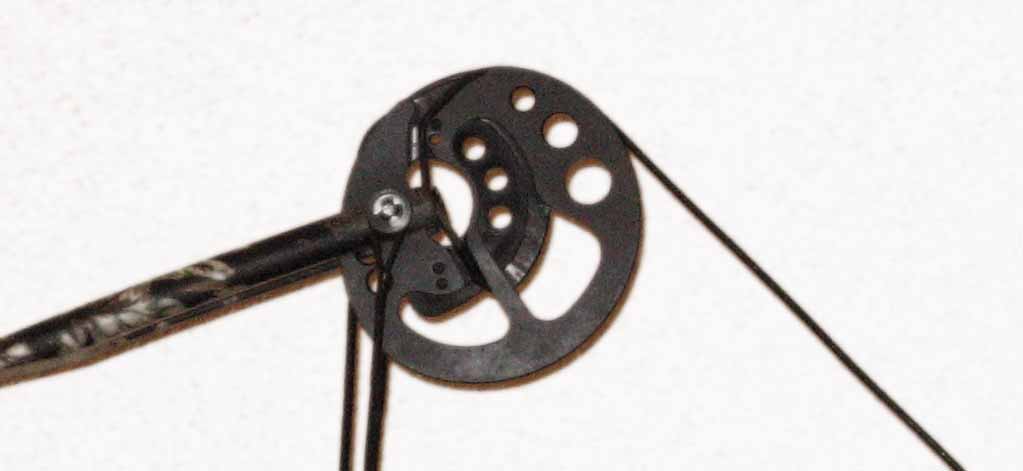
Drop-aways add launcher timing as a tuning variable. The launcher should be fully up and supporting the arrow well before the string reaches brace, then fall before the fletchings arrive. Cord length adjustments and clamp position on the cable both affect timing — get it wrong and you will see vertical nock travel issues that no amount of paper tuning fixes.
Blade rests demand spine and blade-stiffness matching. Too stiff a blade with a weak arrow shows tail-left for a right-handed shooter; too soft a blade with a heavy arrow shows the opposite. Bare-shaft tuning at 20 yards is essential to dial in the combination, and the blade itself becomes part of your tune card.
Common Mistakes When Switching Rests
- Re-using old launcher timing measurements when changing rest brands — every design has different ideal timing.
- Skipping paper tuning after the swap. A new rest moves the arrow’s launch point even if center-shot looks identical by eye.
- Forgetting to re-zero the sight. The rest position is the foundation; everything else stacks on top.
- Buying a target blade for hunting because a YouTube video showed tight indoor groups. Discipline mismatch wastes money and arrows.
- Ignoring fletching contact marks. A lipstick or marker test on the vanes after a few shots tells you exactly what is brushing during launch.
Maintenance and Replacement
Whisker biscuit bristles wear flat and develop a permanent compression channel after a thousand or so shots. When the arrow starts sitting noticeably lower than when new, replace the rest. Drop-aways need periodic inspection of the activation cord — a fraying tie-in will eventually let go mid-shot, usually at the worst possible moment. Blades are consumables in serious target use; many top shooters carry spares to events.
Whichever style you pick, recheck timing and tune after any string or cable replacement. New strings stretch slightly, cam timing shifts, and a rest that was perfect last week may need fresh adjustment before your next session.
The Bottom Line
Match the rest to the shooting you actually do, not the shooting you wish you did. Hunters need containment first and clearance second — a caged drop-away or a quality biscuit covers that. Target archers need clearance first and containment never — a blade tuned to their spine delivers the highest-end performance. Do not overthink the brand; tune what you have before you upgrade, and the rest you already own will probably surprise you.
Sources
Browse archery bows, arrows, and accessories at the Archery Supplier shop →
