
Archery Blog
Fixed vs Mechanical Broadheads: The Honest 2026 Guide
May
The fixed vs mechanical broadheads argument has cost more deer than any other gear debate in archery. The honest answer is that both designs work — but they work for different bows, different shot windows, and different definitions of “good enough.” A 100-grain fixed three-blade and a 100-grain expandable cut very different holes, fly very different paths, and punish very different mistakes. Pick the wrong one for your setup and you trade meat for a tracking job.
This guide walks through the physics, the tradeoffs, and the tuning steps that decide whether your broadheads pass through clean or wobble off into the brush. By the end you should know which design fits the bow you actually shoot — not the bow in the magazine ad.
What “Fixed Blade” and “Mechanical” Actually Mean
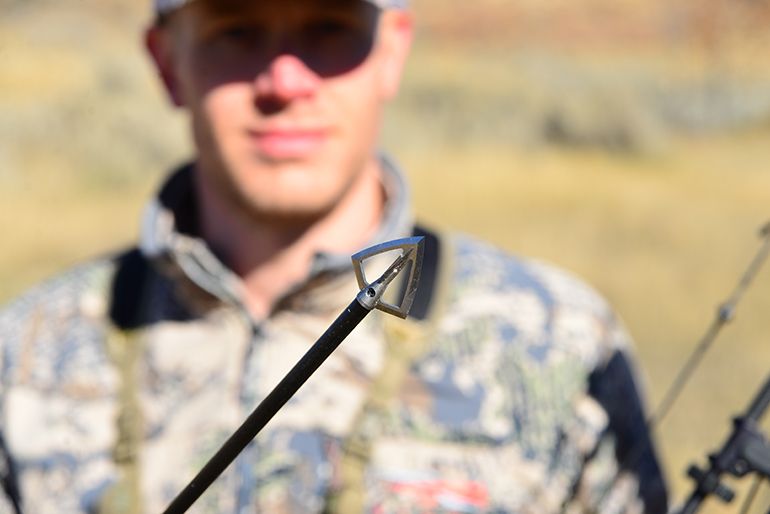
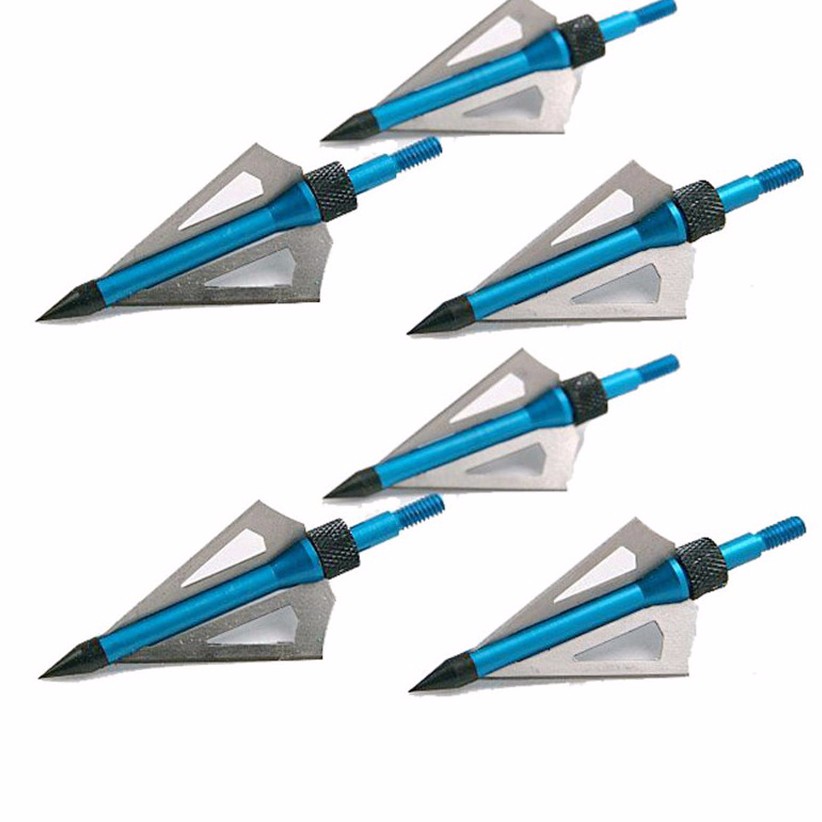
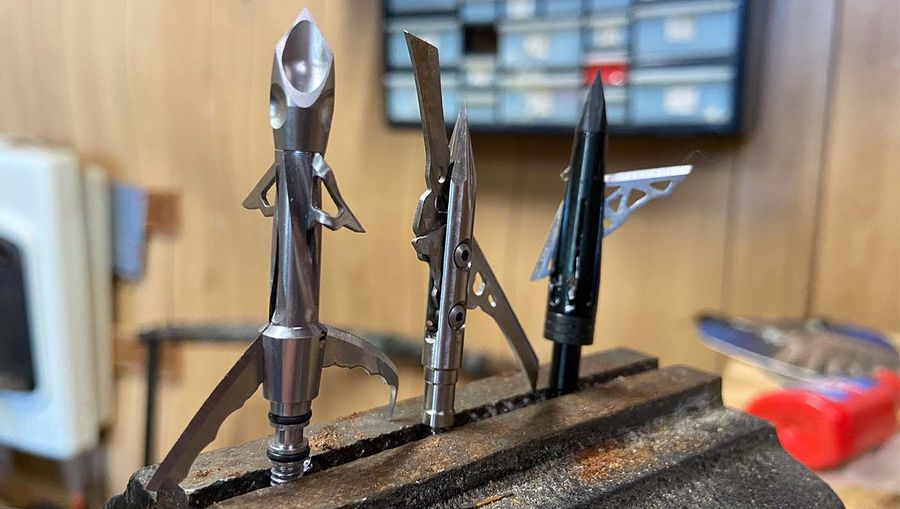
A fixed-blade broadhead is exactly what it sounds like: two, three, or four sharpened blades mounted permanently to a ferrule. There are no moving parts. What you see in the package is what hits the animal. Cut on contact (COC) designs sharpen the leading edge of the blade itself; chisel-tip designs use a hardened steel point to punch the entry hole and let the blades follow.
Mechanical broadheads — also called expandable broadheads — keep their blades folded against the ferrule during flight, then deploy on impact. Rear-deploying mechanicals swing blades from front-folded to rear; front-deploying styles push blades outward as the ferrule meets resistance. The deployed cutting diameter is almost always larger than any fixed head of comparable weight.
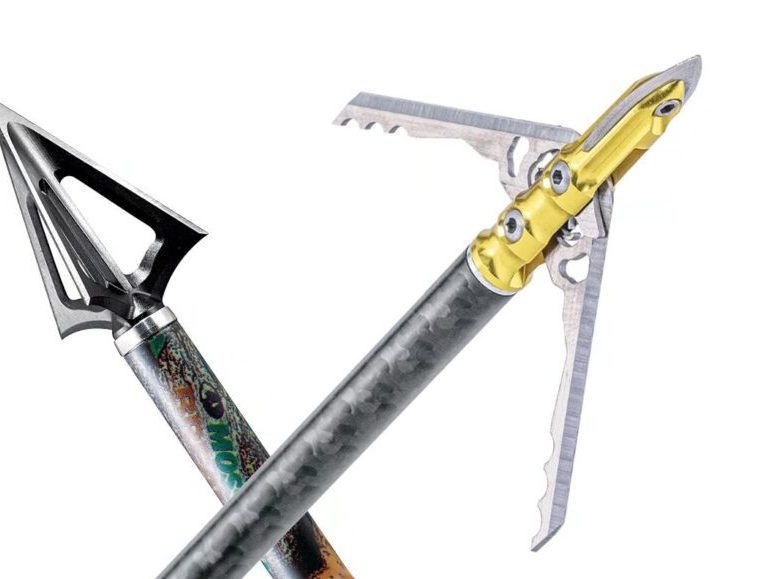
Both categories now include hybrids — a mechanical with a small fixed bleeder blade up front, or a fixed head with rear-deploying expandable cutters. Iron Will, Sevr, Slick Trick, NAP, Rage, and G5 all have offerings in multiple categories. The label on the box matters less than the answer to a single question: how much energy does my bow deliver, and how much of that energy am I willing to spend on deployment instead of penetration?
Accuracy and Forgiveness — Which Flies Like a Field Point?
Out of the box, mechanicals win on flight. The folded profile catches almost no air, so a properly tuned bow shooting a mechanical can put broadhead groups inside field-point groups at 40 yards. That’s the marketing claim, and it’s mostly true. The catch is the word “properly.”
Fixed blades expose surface area to the wind from the second the arrow leaves the rest. Any clearance issue, any cam lean, any nock-point error, any spine mismatch — the broadhead steers the arrow off-line and you see the result downrange. That’s not a flaw of fixed blades. It’s a feature. The broadhead is doing your arrow rest and bow tuning diagnostic for you, for free.
Mechanicals hide tuning problems. The arrow flies straight because the head is aerodynamically inert in flight — but the same poorly tuned setup that pushed your fixed head 6 inches off at 30 yards is still pushing on the arrow. When the mechanical deploys, that crooked entry can pop blades open at weird angles and rob you of cutting efficiency. Translation: a mechanical that “flies like a field point” can still bury into a deer at a bad angle. You just won’t see the error until you cut the animal open.
Penetration — The Bone-and-Hide Math
Penetration is where fixed blades earn back their accuracy disadvantage. Every blade a mechanical deploys is energy spent — energy that’s no longer available to drive the arrow through ribs, scapula, or off-side hide. Iron Will’s scientific test report ran fixed and mechanical heads through ballistic gel, layered hide, and synthetic bone. The fixed COC designs out-penetrated comparable mechanicals by 20–40% in tests that included any bone contact.
That number drops on pure flesh shots. If you’re confident in a perfect double-lung behind the shoulder, a mechanical’s penetration disadvantage rarely matters — both designs blow through ribs and lung tissue with margin to spare. The penetration argument only matters at the edges: quartering-to angles, shoulder hits, off-side bone, low-light shots where you guess wrong on body position. Fixed blades forgive those errors. Mechanicals punish them.
Cut Diameter vs Cut Length — Two Different Damage Stories
A 1.5-inch fixed head and a 2-inch mechanical both kill deer. They do it differently. The fixed head cuts a smaller wound channel but cuts it the full length of the wound — entry, through-the-vitals, exit. The mechanical cuts a bigger hole but the deployment process itself robs some cutting energy from the back half of the wound channel.
Cut diameter sells broadheads on the shelf. Cut length kills animals in the woods. A 1.25-inch fixed head with a clean pass-through that leaves two holes and a wound channel through both lungs will out-trail a 2.5-inch mechanical that lodges in the off-side ribs and leaves only an entry wound. Blood trails come from exit wounds at ground level. No exit, no trail. That’s the math.
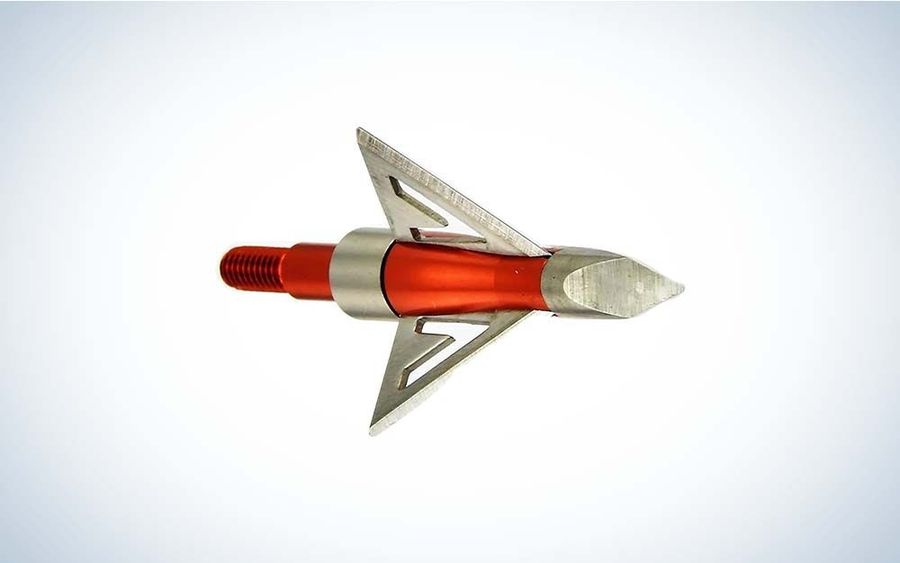
Kinetic Energy Threshold — Why Light Bows Should Avoid Most Mechanicals
Mechanicals need energy to deploy. Pushing blades through hide while they’re swinging open costs kinetic energy that a fixed head never has to spend. The general rule from GoHunt’s broadhead breakdown is straightforward: under 60 lbs of draw weight with a 400-grain arrow, you’re already on thin ice for most mechanicals. Drop to a 55-lb compound or 50-lb traditional bow and the math gets grim — you’re betting on full blade deployment with no margin.
Fixed blades scale down. A 50-lb recurve pulling a 480-grain arrow with a 125-grain fixed COC head will pass through whitetail ribs on broadside shots reliably. The same setup with a 100-grain expandable risks blades that only partially deploy, which then turn into giant kinetic-energy sinks that bury the arrow in the off-side ribcage.
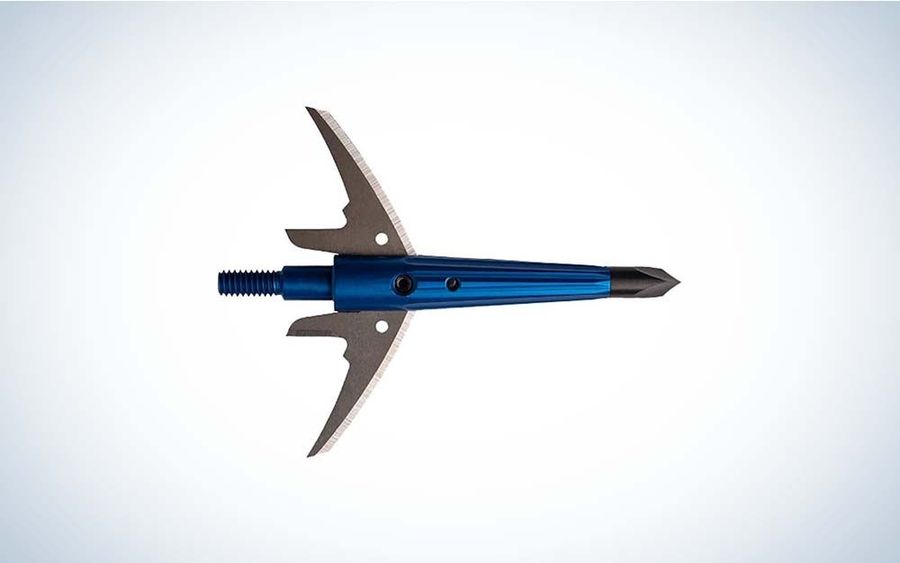
The threshold flips above 70 lbs of draw weight with arrows at 450 grains and faster than 285 fps. At that point, you have enough surplus energy that the deployment cost rounds to zero, and you can shoot the bigger-cutting mechanical with full confidence in penetration. The kinetic energy budget is the single most important variable in this entire conversation.
Fixed vs Mechanical Broadheads for Whitetail Hunting
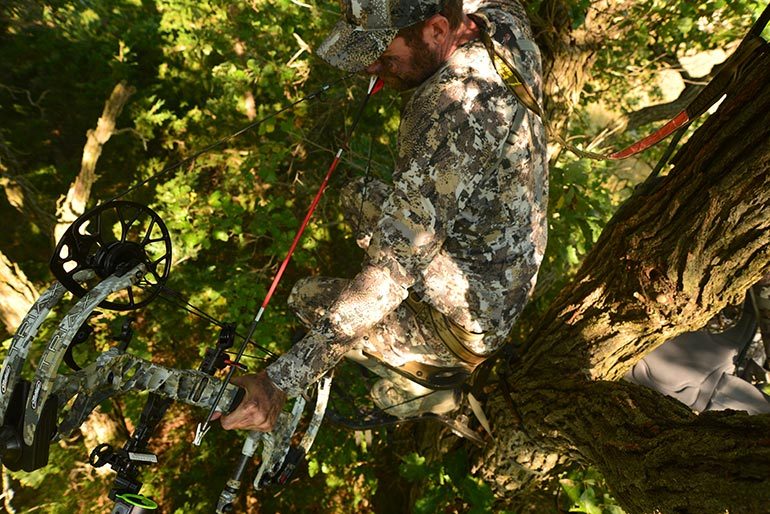
Whitetail are thin-skinned, light-boned animals shot at average ranges of 18 to 25 yards from elevated stands. The hide is forgiving. The ribs are forgiving. The shot angle from a treestand drops the arrow through the chest cavity into the off-side shoulder area, which is the most penetration-friendly geometry in bowhunting.
This is the playing field where mechanicals shine. Wide-cutting 2-inch expandables leave devastating wound channels and short blood trails. North American Whitetail’s broadhead breakdown puts the recovery rate for properly placed mechanicals at the top of the category, especially for hunters shooting modern compounds at 65 lbs or more.
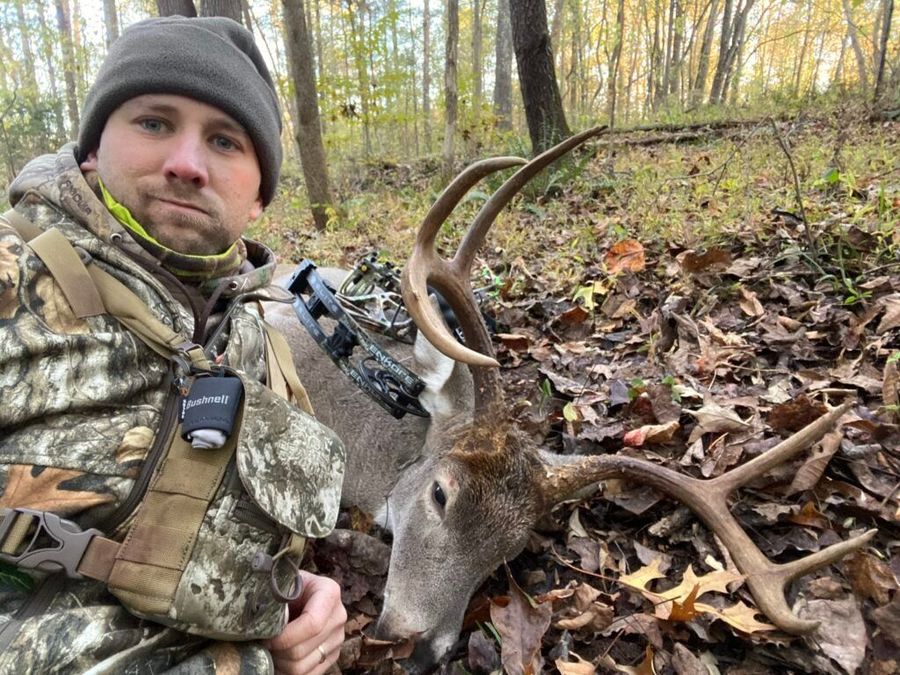
Fixed blades still belong on a whitetail setup if your bow is below the energy threshold, if you hunt from the ground where shot angles get awkward, or if you regularly shoot quartering-to deer in spot-and-stalk situations. Stick-bow and traditional archers should default to fixed COC heads for whitetail without much debate.
Broadheads for Elk and Heavy Game — Where Fixed Blades Win
Elk change every variable. They’re four to six times the body mass of a whitetail. Their ribs are denser. Their scapula plates are wider. A shot you’d take all day on a whitetail becomes a marginal opportunity on a 700-pound bull. The penetration math from earlier sections becomes the only math that matters.
The traditional wisdom — fixed-blade COC heads, 150+ grain weights, narrow cutting diameters, single-bevel grinds — exists because elk testing kept producing the same outcome: fixed heads put more elk in the freezer than mechanicals when the shot was anything other than picture-perfect broadside. Outdoor Life’s elk broadhead testing notes that even archers who shoot mechanicals on whitetail switch to fixed for western elk hunts. It’s not superstition. It’s a 70-pound bow pushing a 500-grain arrow into 2 inches of muscle and rib.
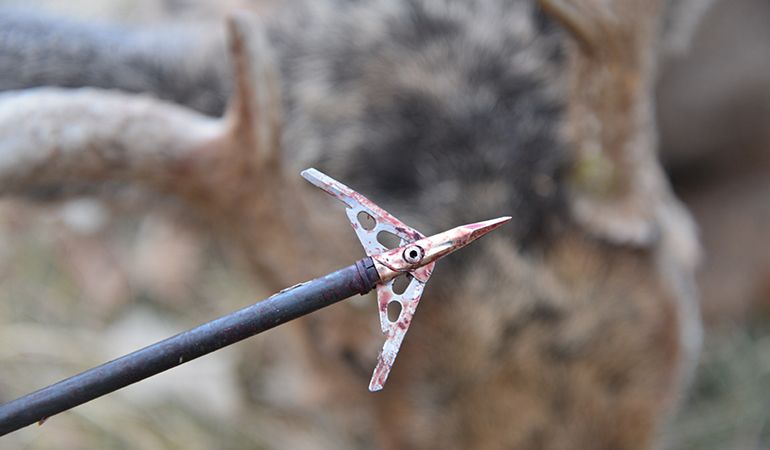
The exception is hunters running heavy-arrow / heavy-bow setups — 75+ lb compounds, 550+ grain arrows, kinetic energy north of 90 ft-lbs at the bow. At those numbers, modern bone-tested mechanicals like the SEVR Ti 1.5 or Iron Will mechanicals will pass through elk on broadside shots and still leave the larger-diameter wound channels mechanicals are known for. Most hunters aren’t at those numbers. Plan accordingly.
Broadhead Tuning — The Step Most Hunters Skip
The broadhead you choose is half the equation. The other half is whether your bow shoots that broadhead the way it shoots field points. Broadhead tuning is the process of confirming that — and fixing the gap when it doesn’t.
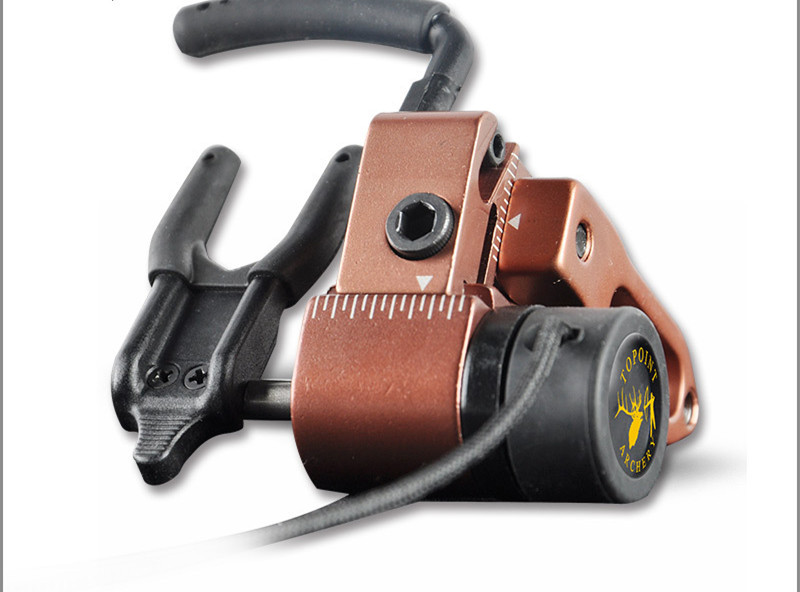
The sequence that actually works: paper-tune the bow at six feet with field points until you get a clean bullet hole, bare-shaft tune at 10 yards to expose any remaining spine or rest issues, then walk-back tune at 20 and 30 yards. Only after those three steps does it make sense to shoot broadheads. Most flight problems people blame on broadheads are bare-shaft tuning problems they never bothered to find. Argali’s bareshaft tuning guide is the cleanest walkthrough of the process if you want a checklist.
When you finally shoot broadheads alongside field points at 30 yards, the broadhead group should land within 2 inches of the field-point group. If it’s farther — and it almost always is the first time — move your rest toward the broadhead group in small increments. Yes, toward, not away. Counterintuitive, but that’s how the geometry works. Repeat until the groups overlap. Your arrow spine and FOC balance matter as much as the broadhead itself — fixed blades especially won’t fly clean from an under-spined arrow.
Hybrid Broadheads and the Middle Path
The last five years have produced a wave of hybrids that try to split the difference. A hybrid head usually pairs a fixed forward bleeder or chisel point with rear-deploying mechanical blades. The marketing pitch is bone-breaking penetration up front and wide cutting diameter behind it. Sometimes the marketing matches reality. Sometimes the head ends up being mediocre at both jobs.
If you want one head for both whitetail and a once-a-decade elk hunt, a hybrid is a reasonable answer. If you only hunt one species seriously, pick the design optimized for that species. Hybrids are insurance — and insurance has a premium.
How to Decide for Your Setup
Skip the brand loyalty and run the numbers on your own setup. Three questions get you 90% of the way to the right answer.
One: What’s your kinetic energy at the bow? Multiply arrow weight in grains by velocity squared in fps, divide by 450,240. Above 80 ft-lbs you can shoot anything. Between 65 and 80 ft-lbs, you’re a fixed-head or small-diameter mechanical hunter. Below 65 ft-lbs, fixed COC heads only.
Two: What’s the hardest shot you’ll realistically take? If it’s a 20-yard broadside whitetail from a treestand, mechanicals are fine. If it’s a 45-yard quartering-to elk in fading light, you want the most penetration-friendly fixed head you can find.
Three: Have you actually broadhead-tuned the bow? If the answer is no, the head you pick matters less than the half-hour with a tuning rest, a paper frame, and a couple of bare shafts. Tuning is the single highest-ROI investment in archery accuracy. Skip it and the best broadhead in the world flies like the worst.
The honest summary: most modern compound hunters at 65+ lbs with 425+ grain arrows are well-served by either category, and the choice becomes preference and shot-window expectation. Light-bow hunters and elk hunters should default to fixed. Heavy-bow whitetail hunters who want bigger blood trails should look at quality mechanicals. Anyone planning to skip tuning should stay home.
Sources
- Iron Will Outfitters — Fixed vs Mechanical Broadheads Scientific Report — Penetration and bone-test data comparing fixed and mechanical broadheads through ballistic media.
- GoHunt — What Broadhead Design Is Best to Hunt With — Kinetic energy thresholds and matching broadhead designs to bow setups.
- North American Whitetail — Fixed vs Mechanical Broadheads for Deer — Whitetail recovery rate data and shot-placement analysis for both broadhead designs.
- Outdoor Life — The Best Broadheads for Elk of 2026 — Elk-specific broadhead testing and recommendations for heavy game.
- Argali Outdoors — Broadhead Tuning 101 — Step-by-step bareshaft tuning method that produces broadhead flight matching field points.
- ShootingTime — Broadhead Tuning a Compound Bow the Correct Way — Paper tuning and rest-adjustment process for compound broadhead alignment.
Browse archery bows, arrows, and accessories at the Archery Supplier shop →
