
Archery Blog
Back Tension in Archery: How to Shoot With Your Back
Jul
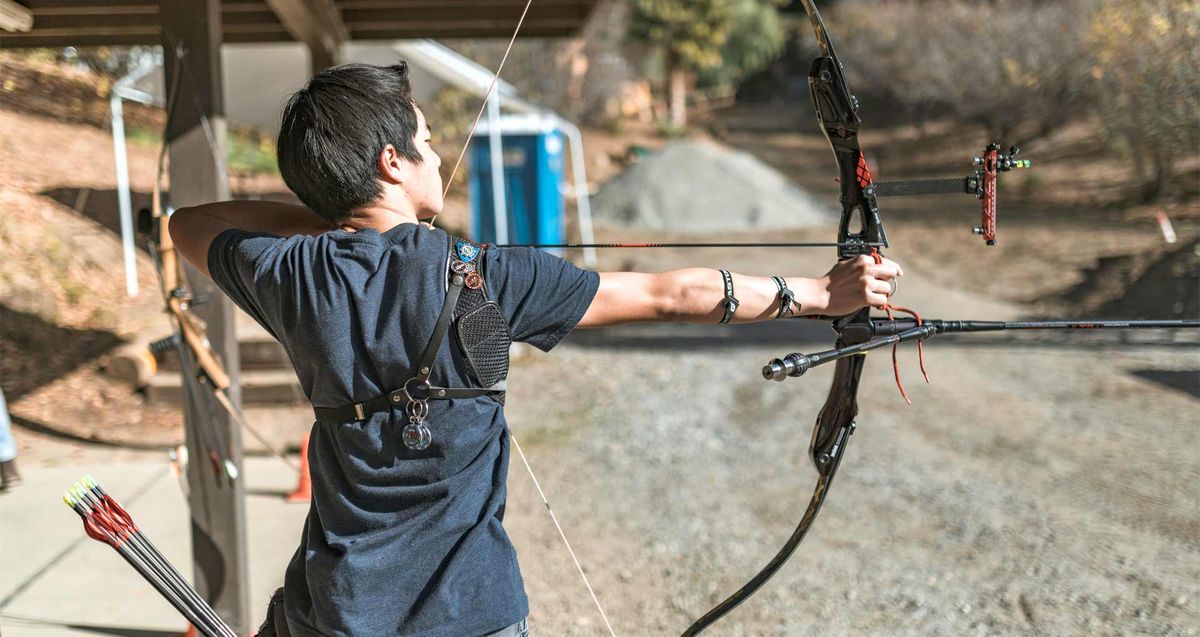
Ask any national-team coach what separates a 280 indoor shooter from a 300 shooter and the answer usually comes down to one thing: who is finishing the shot with their back. Back tension is the least visible part of archery form and the hardest to fake. You can copy a stance in an afternoon, but learning to feel the muscles between your shoulder blades finish a shot can take a season. It is also the single biggest jump in accuracy most archers ever make, which is why it is worth getting right early.
What Back Tension in Archery Actually Is
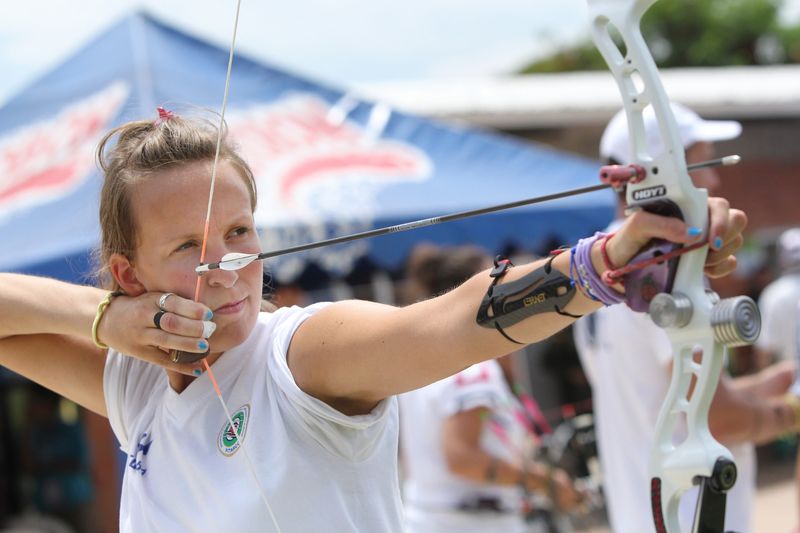
Back tension is the process of using your back muscles — not your arm — to hold the bow at full draw and drive the shot to completion. When you reach anchor, most beginners keep pulling with the bicep and the front of the shoulder. Those muscles tire fast, shake under load, and give you a grabby, inconsistent release. Back tension shifts that holding job to the rhomboids, the lower trapezius, and the lats: bigger, slower-twitch muscles built to hold a load without trembling.
Here is the mental picture that helped me most. At full draw, imagine your drawing-side shoulder blade sliding toward your spine, as if you were trying to pinch a coin between your shoulder blades. That motion is small — a few millimetres — but it keeps the arrow moving backward through the shot instead of stalling. A stalled shot is a dead shot, and dead shots drift off the middle.
Why Back Tension Beats Shooting With Your Arm
The honest truth is that arm-and-shoulder shooting works fine for a dozen arrows. The problem shows up on arrow 60, or on the last end of a tournament, when the bicep is cooked and the groups open up. Your back does not fatigue the same way. Olympic recurve archers shoot several hundred arrows a day in training precisely because their back is carrying the weight, not their arm.
There is a second reason, and it matters more than stamina. A shot finished with the hand invites you to make the release happen — to punch it. That conscious command is where target panic is born. When the back keeps pulling through a fixed anchor, the release becomes a result of the motion rather than a decision. That is what coaches mean by a “surprise” break, and it is the cure for flinching.
The Muscles Doing the Work
You do not need an anatomy degree, but knowing what should be firing helps you find the feeling. The main players are the rhomboids and the middle and lower trapezius, which pull the shoulder blade in toward the spine, supported by the latissimus dorsi underneath. A quick self-test: if your bicep and the front of your deltoid ache after a session, you are holding with your arm. If you feel it across your upper back the next morning, back tension is switching on.
6 Steps to Shoot With Back Tension
Back tension is a feeling before it is a technique, so treat these steps as a way to build the feeling in order. Work through them at close range on a blank target with no aiming — blank-bale shooting — until the motion is automatic.
1. Set the foundation first
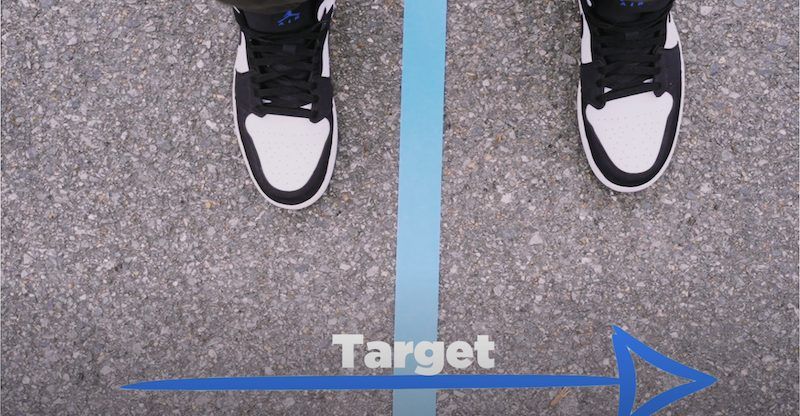
Back tension cannot fire from a collapsed posture. Stand tall, weight even through both feet, chest neither puffed nor slumped. A stable base is what gives your shoulder blade something to pull against. If your setup is shaky, fix that before anything else — start with a repeatable proper archery stance.
2. Draw with your shoulder, not your hand
Start the draw by rotating your drawing shoulder around, keeping the hand and forearm relaxed — the fingers are a hook, nothing more. If you grip the string tight and yank with the bicep, the back never gets a chance to engage. Think of the draw as the shoulder leading and the hand simply going along for the ride.
3. Reach a solid, repeatable anchor
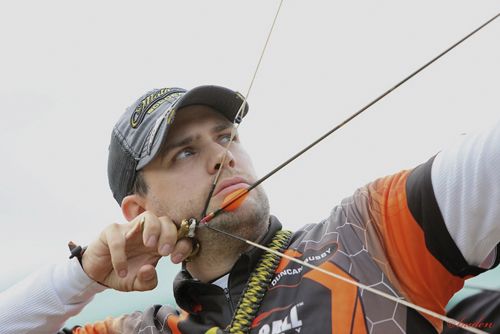
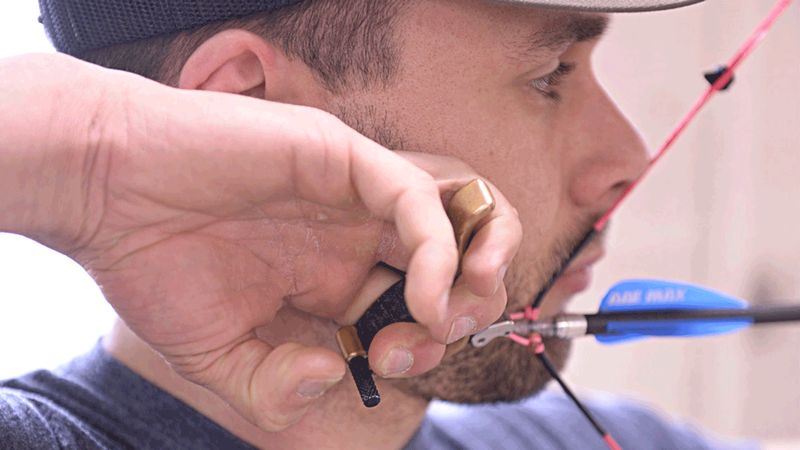
The transfer to your back only works against a fixed point. Bring the string to the same spot every time — index finger under the jaw and string to the lip and nose for recurve, or the release hand tucked firmly against the jaw for compound. Nail down a consistent archery anchor point before you worry about the finish, because a floating anchor makes back tension impossible to feel.
4. Transfer the load to your back
At anchor, consciously let go of the tension in your hand, forearm, and bicep, and let your back take the full holding weight. This is the moment everything hinges on. When you relax the small muscles, the big ones have to hold, and you will feel the load settle across your upper back. Your drawing elbow should sit in line with the arrow or a touch behind it — if it drops low or points out, the pull is coming from the arm again.
5. Keep pulling through the shot
Back tension is motion, not a static hold. Keep squeezing the shoulder blades together so the elbow continues to rotate around behind your head. On a recurve this movement runs you through the clicker; on a compound it slowly loads a hinge or tension release. The arrow should feel like it is still being pulled backward at the instant of release. Learning to run the clicker with the back is exactly what our archery clicker guide drills.
6. Let the release surprise you
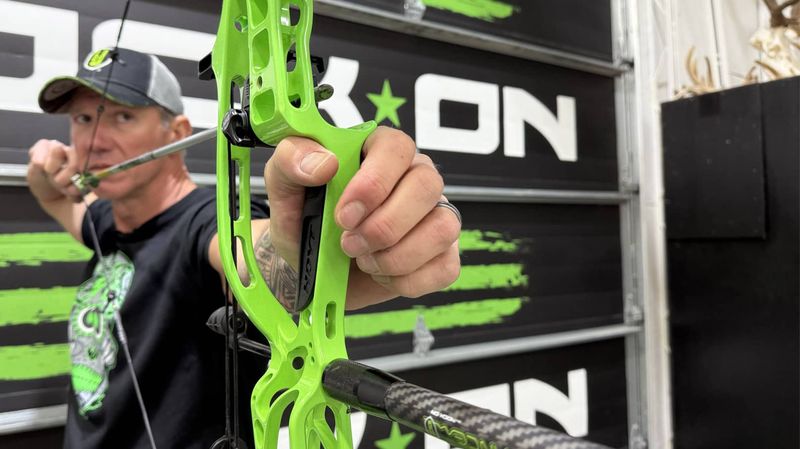
Do not command the release. Keep the back working and let the shot break on its own. It feels alien the first hundred times — you want to make it go — but a release you did not consciously trigger is a release you cannot flinch on. Hold your follow-through and let the drawing hand travel back along your neck. Where your hand ends up tells you whether the back finished the job.
Back Tension on a Recurve vs a Compound
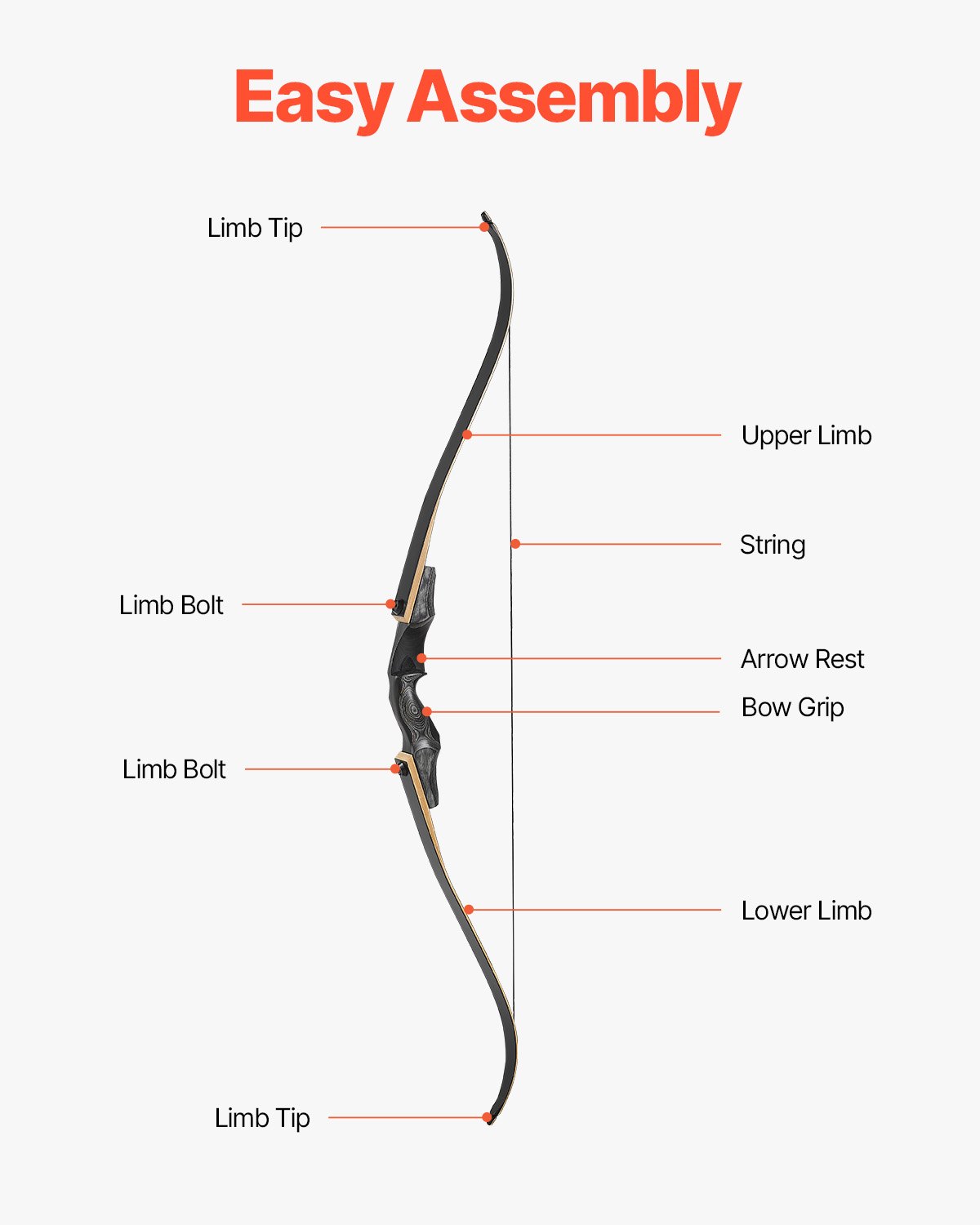
The muscles are the same on both bows, but the feedback is different. On a recurve there is no let-off, so the back is under constant heavy load the whole time you are at full draw — the clicker is your signal that the back has pulled the arrow the last couple of millimetres. On a compound, the let-off means you are holding far less weight at the wall, so back tension is subtler and easier to fake by simply parking the release against the wall.
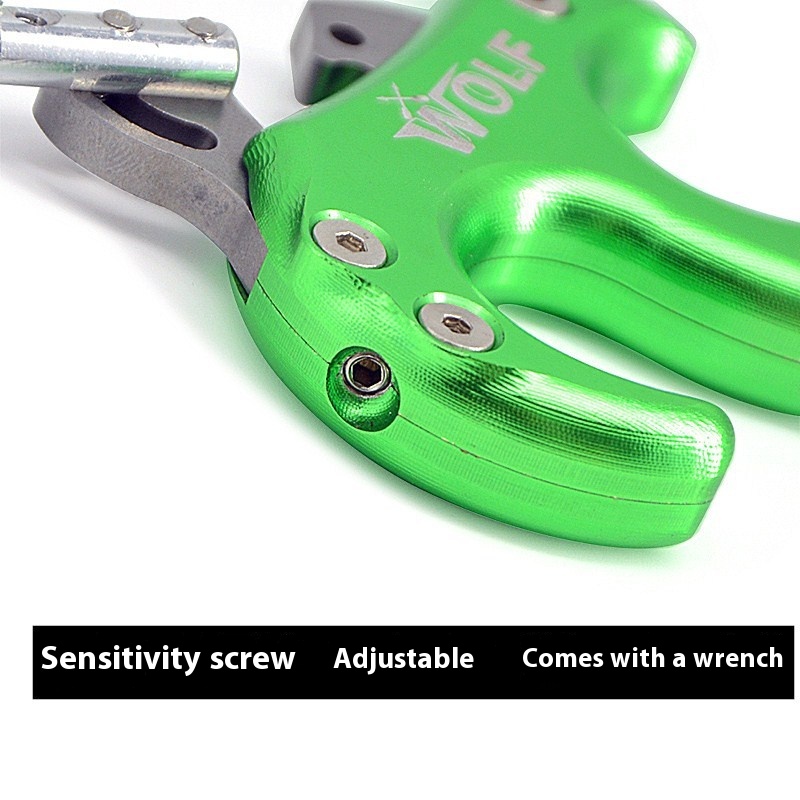
That is why many compound target archers shoot a hinge or a resistance-activated release: the tool only fires when the back keeps working, forcing the habit that a recurve clicker enforces naturally. Whatever you shoot, the principle holds — the shot finishes with the back, and the hand is only a connection.
Drills That Build Back Tension
Feeling beats theory here, and a few simple drills speed it up. The best-known is blank-bale shooting: stand two metres from a target butt, close your eyes, and shoot with no aiming so your entire attention is on the transfer and the back squeeze. Do it for ten minutes a session and the feeling starts to stick.
Away from the range, a rowing machine or a resistance band trains the exact motion. Start each pull by drawing your shoulder blades together first, then complete the row — that initiation is the movement you want on the shot line. A formaster or draw-check band that clips to the string is another coach favourite for grooving the pull without loosing arrows.
Common Back Tension Mistakes
The most frequent error is never actually transferring — archers add a back squeeze on top of a tight arm instead of relaxing the arm so the back takes over. You end up fighting yourself. A second trap is over-rotating the elbow so far that the shoulder collapses forward; the elbow should travel behind your head, not wrap around it. Third is punching the release the instant back tension gets uncomfortable, which throws away the surprise break you worked to build.
Watch your drawing elbow on video from behind. If it stays high and in line with the arrow and drifts backward through the shot, your back is working. If it sags or stops moving, the arm has taken back over.
See It in Motion
Olympic silver medallist Jake Kaminski breaks down how the transfer should feel on a recurve in this short walkthrough — worth watching a few times with your own bow in hand.
Where to Go From Here
Back tension is not a switch you flip — it is a feeling you build one blank-bale session at a time, and it will quietly rebuild every other part of your shot around it. Spend two weeks shooting up close with your eyes closed, chasing nothing but the squeeze between your shoulder blades, before you go back to scoring. Your groups will tighten, your last end will look like your first, and the flinch that has haunted your release will start to disappear. Pair it with a rock-solid stance and posture and you have the two habits every accurate archer is built on.
Sources
- World Archery — 5 Recurve Techniques You Should Study — governing body guidance on recurve shot execution.
- Bow International — Back to a Back Tension — technique feature on loading the back through the shot.
- Archery 360 — Tips for Back Tension — drills and coaching cues for building back tension.
- Bowhunting.com — Back Tension Releases — how back-tension release aids reinforce the motion.
