
Archery Blog
Release Aid Buying Guide: Matching the Trigger to Your Shot
Jul
The release aid is the smallest piece of gear hanging off your compound setup, and it does more to shape your accuracy than the bow itself. It is the only part of the system your body touches at the exact instant the arrow leaves the string, which means a mismatched release quietly sabotages every shot no matter how well the bow is tuned. Yet most archers buy one almost by accident — whatever came bundled with the bow, or whatever the pro shop had on the peg. This release aid buying guide is built to fix that, walking through how the major designs actually behave in the hand so you can choose the one that suits the way you shoot rather than the way a catalog photo looks.
Why a Mechanical Release Changes the Shot
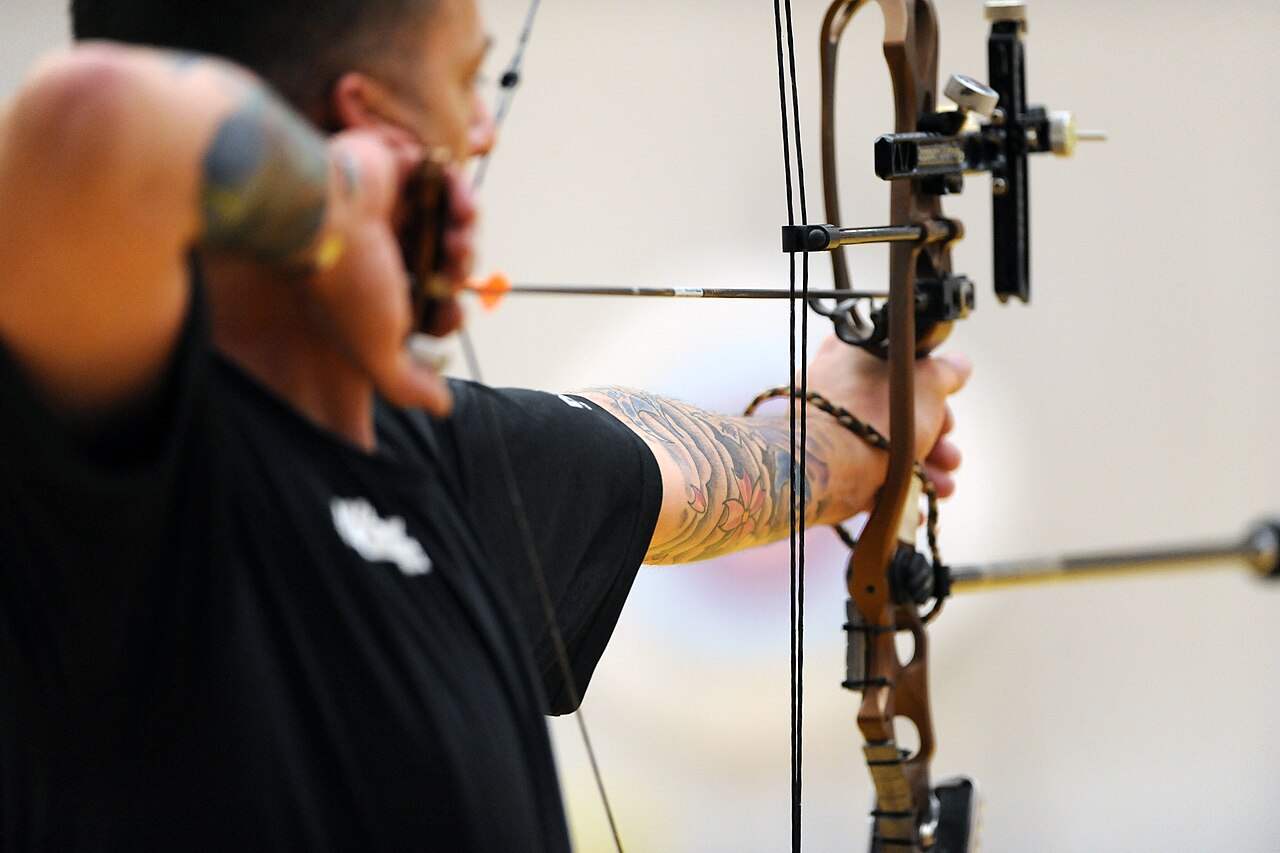
A compound bow stacks a heavy draw weight against a wall and then holds it there at low let-off, which is a difficult load to release cleanly with bare fingers. Fingers roll the string sideways as they open, adding torque that a short, stiff carbon arrow punishes. A mechanical release aid clamps or hooks the string — almost always onto a D-loop tied to the serving — and lets go through a small, repeatable mechanism instead of skin and tendon. The result is a straighter, more consistent string launch and dramatically less hand-induced torque.
Just as important is what a release does for the mind. Because the firing mechanism is separated from your grip, the better designs let the shot break as a slight surprise, which is the single most reliable cure for target panic and punching. Understanding that principle is the foundation of choosing well: some releases hand you a crisp trigger you consciously command, while others are engineered so the shot fires almost on its own. Neither is objectively better, but they demand very different things from the archer.
The Wrist-Strap Index-Finger Release
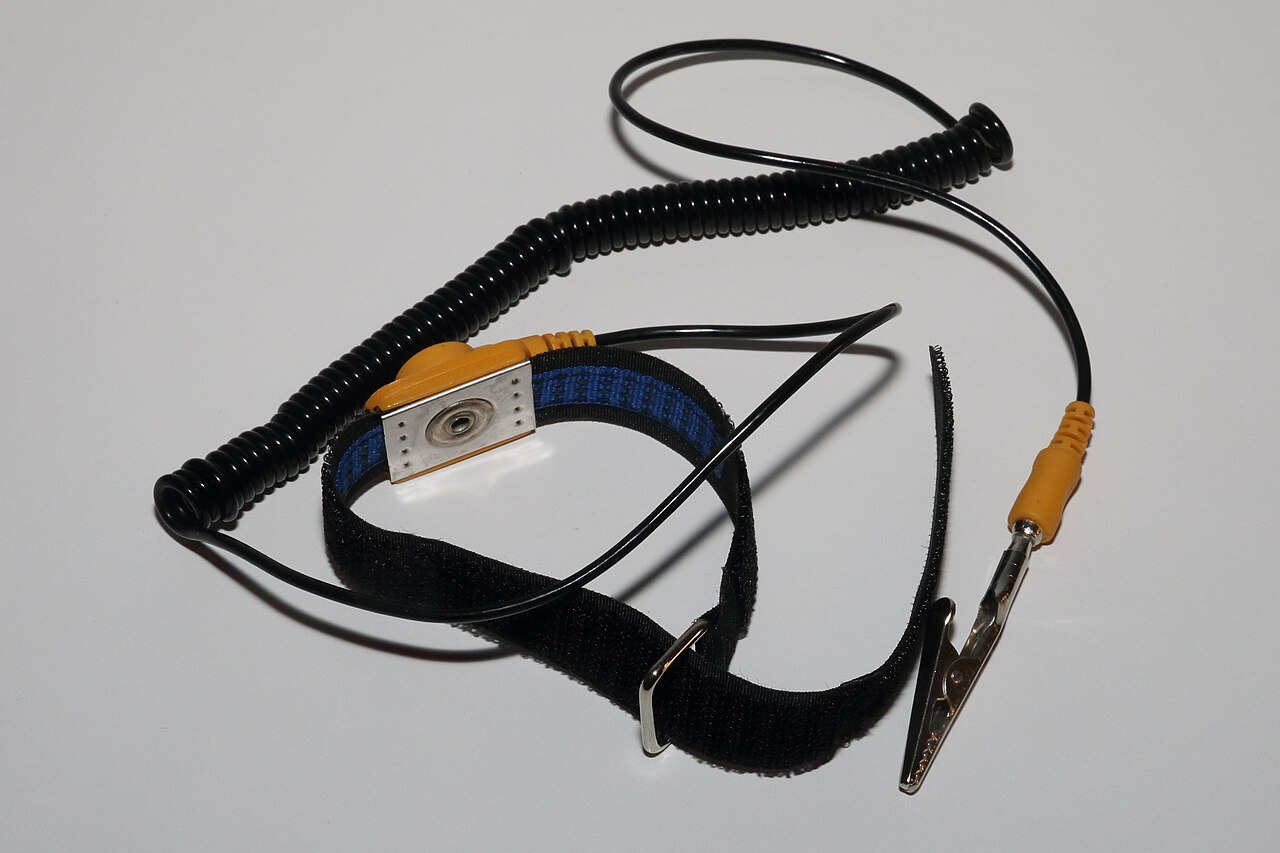
The wrist-strap release, fired by the index finger, is where nearly every compound archer starts and where most bowhunters happily stay. A padded strap buckles or Velcros around the wrist, a rigid or connected head extends into the palm, and a caliper or single-hook jaw grabs the D-loop. You draw using the strength of your whole arm and back rather than your fingers, then touch off the shot with a light pull of the index finger against a trigger.
Its advantages are obvious in the field. The release hangs from your wrist, so it can never be dropped from a treestand and is always attached and ready. Drawing against the strap keeps tension off your fingers, and the connection to the loop is instant. For a hunter who needs to come to full draw quietly on a moving animal and fire on a heartbeat, that immediacy is hard to give up.
What to Check Before You Buy One
The details that separate a good index release from a frustrating one are subtle. Look for adjustable trigger travel and trigger tension — a heavy, creepy trigger encourages the very punching you are trying to avoid, while a clean break helps the shot surprise you. A head that swivels and extends on a flexible connector lets the release settle naturally behind the loop instead of fighting your anchor. And the caliper should close around the D-loop with no play, because a jaw that rattles telegraphs into the shot.
If you are buying your first release, this is the category to shop, and a well-reviewed model with an adjustable trigger will serve for years.
Shop Wrist-Strap Index Releases on Amazon →
The Handheld Thumb-Button Release
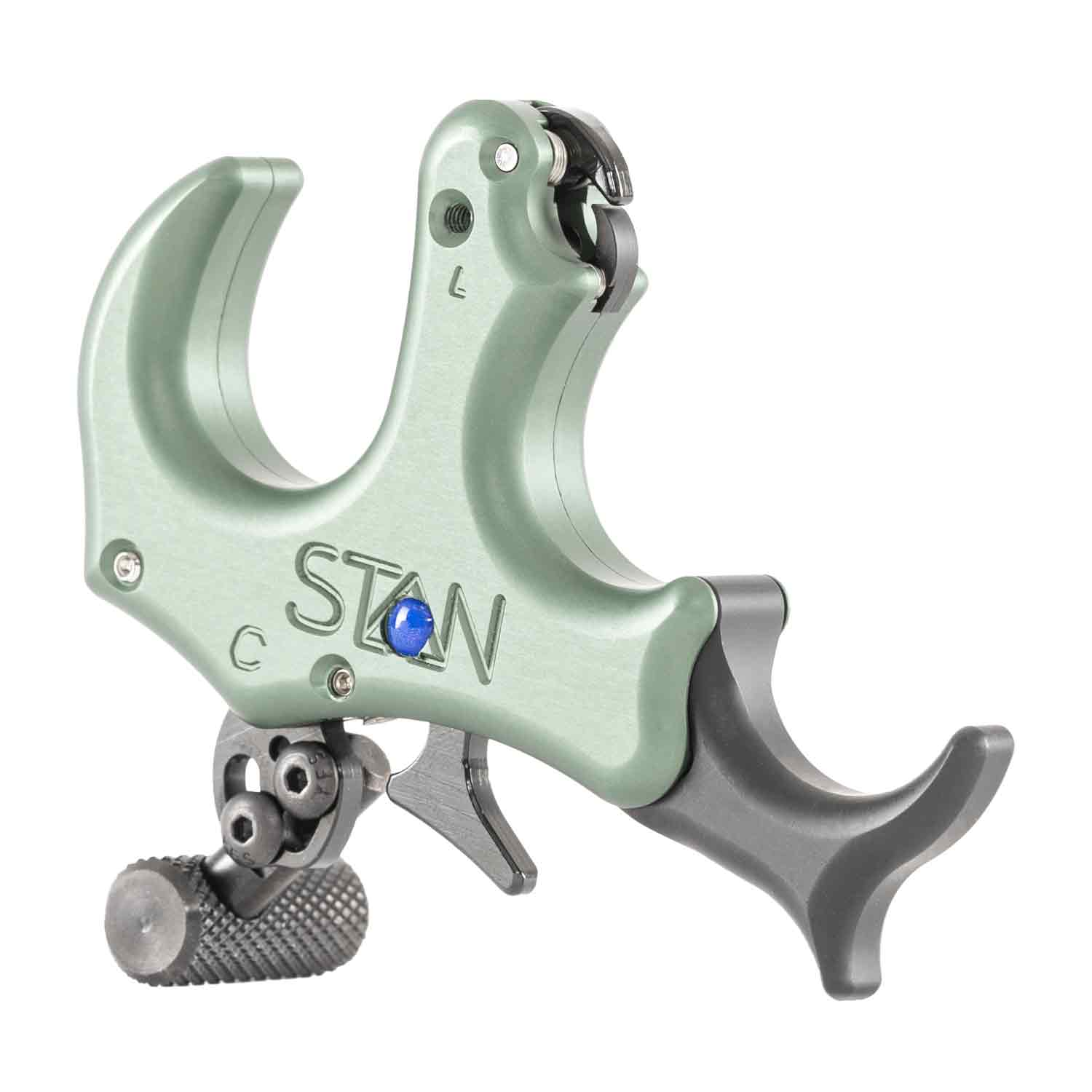
Move toward the target line and you will see far more handheld thumb releases. Instead of a wrist strap, you hold a compact head — usually with three or four finger holes — and fire it with a barrel-style thumb trigger. The grip wraps your fingers around solid metal, which gives many archers a more repeatable anchor and hand position than a strap allows, and the release can be held loosely in a pocket or on a wrist lanyard between shots.
The thumb button sits somewhere between a pure trigger and a back-tension device. You can command it deliberately, but most shooters learn to load the thumb against the barrel and let the shot break through steadily increasing pressure and back tension rather than a sudden punch. That blend is why thumb releases have crossed over from the target range into serious bowhunting: they offer target-grade consistency while still giving you conscious control of when the arrow leaves.
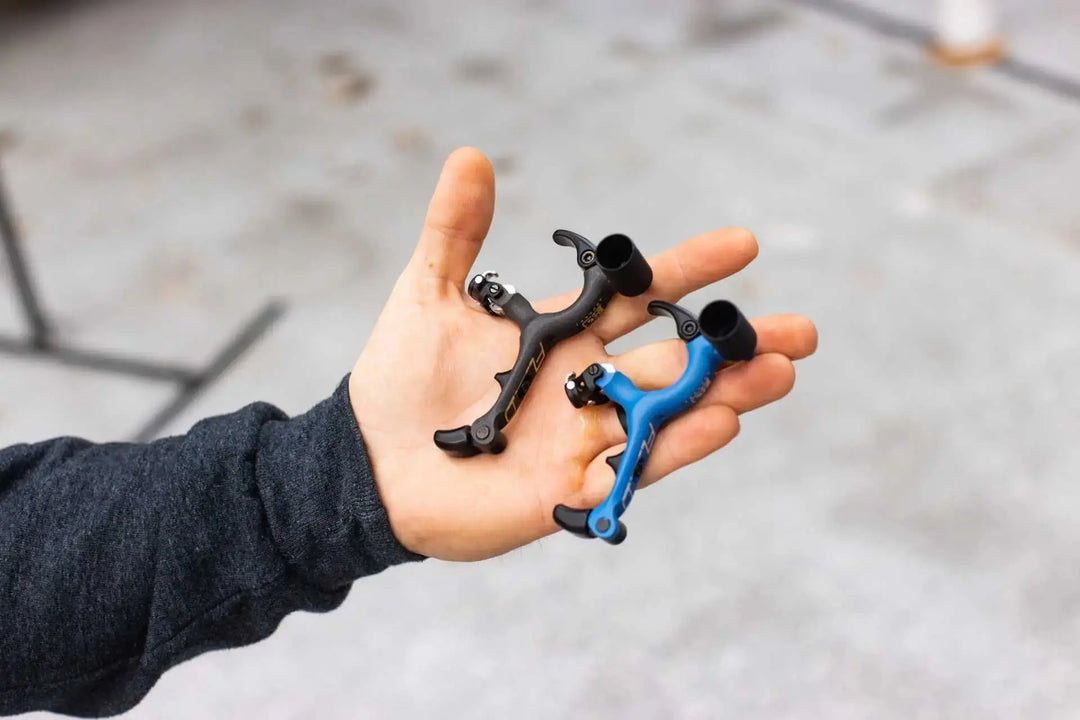
Hook Versus Closed Jaw
Handheld releases commonly use an open hook rather than a closing caliper. An open hook lets you attach to the loop by feel without a click, which is invaluable when you do not want to look down or spook game, and it releases with a little less friction. The trade-off is that the loop can slip off a hook if you let the bow go slack, so hook releases reward disciplined tension from draw to shot. Many models let you adjust both trigger travel and the tension required to fire, and the good ones can be dialed almost to a hair or backed off to a safe, deliberate pull.
Shop Handheld Thumb Releases on Amazon →
Hinge and Resistance Releases for the Surprise Break
At the far end of the spectrum sit the releases with no trigger at all. A hinge release — often called a back-tension release — fires when the head rotates past a tipping point as you slowly increase pull and shift pressure across your hand. A resistance or tension release fires when the pulling force crosses a set threshold. In both cases you never consciously decide the exact moment the shot breaks, which is precisely the point.
These tools are the classic prescription for target panic and the gold standard for indoor and outdoor target competition, where a genuinely unanticipated release removes the flinch that ruins scores. They also make superb training aids even for hunters: spend a few weeks shooting a hinge and your trigger-release form usually improves. The caution is real, though. Learned carelessly, a hinge can fire before you are on target or during the draw, so they must be learned close to a bassbutt with a low draw setting and treated with respect. For that reason a hinge or resistance release is rarely a first purchase and almost never the tool you carry hunting.

Matching the Release to How You Shoot
With the families understood, the buying decision comes down to an honest look at your own shooting. A bowhunter who values a release that is always attached, instantly ready, and simple under pressure should center the search on a quality wrist-strap index release and stop worrying about the exotic options. A target archer chasing the last few points, or anyone fighting a punch, is better served by a handheld thumb release for competition and match play, ideally supported by a hinge for practice and form work.

Plenty of experienced archers own two or three releases for exactly this reason, and there is nothing wasteful about it — an index release for the woods, a thumb release for the range, and a hinge for training is a common, rational kit. If you can only justify one, buy for the shooting you do most, not the shooting you aspire to.
Fit, Length, and Adjustment
Whatever style you land on, fit decides whether it shoots well. Release length has to match your anchor: a release set too long pushes your anchor forward and stretches your form, while one too short crowds your face and forces a cramped hand. Most quality releases offer length adjustment, and a proper fit lets you reach a solid, repeatable anchor without straining. Test it drawn, not just held in the shop — a release that feels perfect at rest can fight you at full draw.

Pay attention to the jaw or hook and the D-loop too. Every mechanical release should attach to a loop rather than directly to the served string, both to protect the serving and to give the release a clean, straight pull. Match the loop material and diameter to the jaw so the connection is snug and quiet. And once you settle on trigger travel and tension, leave them alone — consistency in the release is worth more than any single perfect setting, and constant tinkering is its own form of self-sabotage.
The Bottom Line
A release aid is not an accessory you upgrade for bragging rights; it is the interface between your intention and the arrow, and the right one disappears in the hand. Start with the shooting you actually do, choose the family that fits it, then insist on adjustable tension, a clean break, and a length that matches your anchor. Do that and the smallest tool in your kit stops being an afterthought and starts being the reason your groups tighten. Shoot the release enough to trust it, resist the urge to keep changing it, and let the surprise break do its quiet work.
Sources
Browse archery bows, arrows, and accessories at the Archery Supplier shop →
