
Archery Blog
Hunting Compound Bows: How to Match a Rig to Your Quarry
Jul
Ask ten bowhunters for the best compound bows for hunting and you’ll get ten different answers — because “best” only means anything once you know what you’re chasing, where you’re chasing it, and how you draw. A treestand whitetail hunter and a backcountry elk hunter need almost opposite rigs, yet both walk into the same pro shop and see the same wall of bows. This guide skips the brand horse race and instead walks through the specs that actually decide whether an animal drops in sight or runs off wounded. Get these right and almost any modern flagship will serve you; get them wrong and the priciest bow on the rack will still let you down.
Start With the Animal, Not the Bow
Every spec decision flows from one question: what are you hunting? Ethical bowhunting is about delivering enough kinetic energy and penetration to punch through hide, muscle, and bone and reach the vitals. A 125-grain broadhead sailing into a whitetail’s chest needs far less horsepower than the same shot angling through an elk’s heavy shoulder. Match your rig to the toughest animal you realistically expect to face, not the easiest.
As a rough field benchmark, whitetail deer and similar-sized game are cleanly taken with around 25 to 40 foot-pounds of kinetic energy. Larger animals — elk, moose, big feral hogs — climb into the 40 to 65 foot-pound range for reliable pass-throughs. Those numbers aren’t magic thresholds, but they explain why a bow spec that’s overkill for suburban deer might be marginal for a bull elk quartering away at 40 yards.
Draw Weight: Enough Punch, Honestly Held
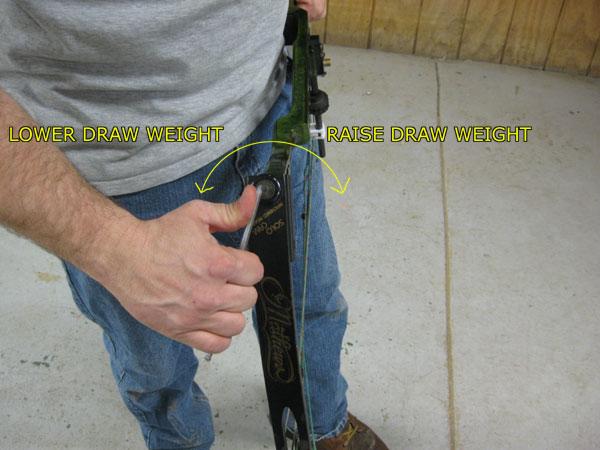
Draw weight is the single spec hunters most often get wrong, usually by choosing too much. The temptation is to max out — 70 pounds sounds serious — but a bow you can only draw by pointing it at the sky and heaving is useless in the field. The real test is whether you can draw it slowly, smoothly, while seated, cold, and half-hidden behind a tree with an animal watching. If you can’t draw it without movement that spooks game, it’s too heavy.
For most adult hunters, 60 to 70 pounds covers virtually all North American big game when paired with a properly weighted arrow and a sharp broadhead. Plenty of deer fall every season to bows set at 50 to 55 pounds. Many legal minimums for big game sit around 40 pounds precisely because arrow and broadhead choice can compensate for modest poundage. The smart move is to buy a bow whose weight range brackets your target — a bow adjustable from 50 to 70 pounds lets you build strength and dial in over time rather than being stuck.
Shop adjustable hunting compound bows on Amazon →
Speed Sells, But Forgiveness Kills
Marketing loves IBO speed ratings — 340, 350, 360 feet per second splashed across the riser. Speed does matter for hunting: a faster arrow shoots flatter, which forgives small errors in range estimation, and it reaches the animal sooner, giving less time to “jump the string” and duck the shot. But speed is bought with aggressive cams, and aggressive cams are less forgiving of a sloppy release and often harsher to hold at full draw.
For a treestand deer hunter shooting inside 30 yards, raw speed is nearly irrelevant — a smooth, quiet, accurate bow matters far more than shaving milliseconds. For a Western hunter reading terrain and stretching shots past 40 yards, a flatter trajectory earns its keep. Don’t chase the top IBO number for its own sake. A bow in the 320 to 340 fps range with a comfortable draw cycle will out-hunt a 360 fps speed demon that you flinch through every time.
Axle-to-Axle and Brace Height: The Terrain Trade-Off
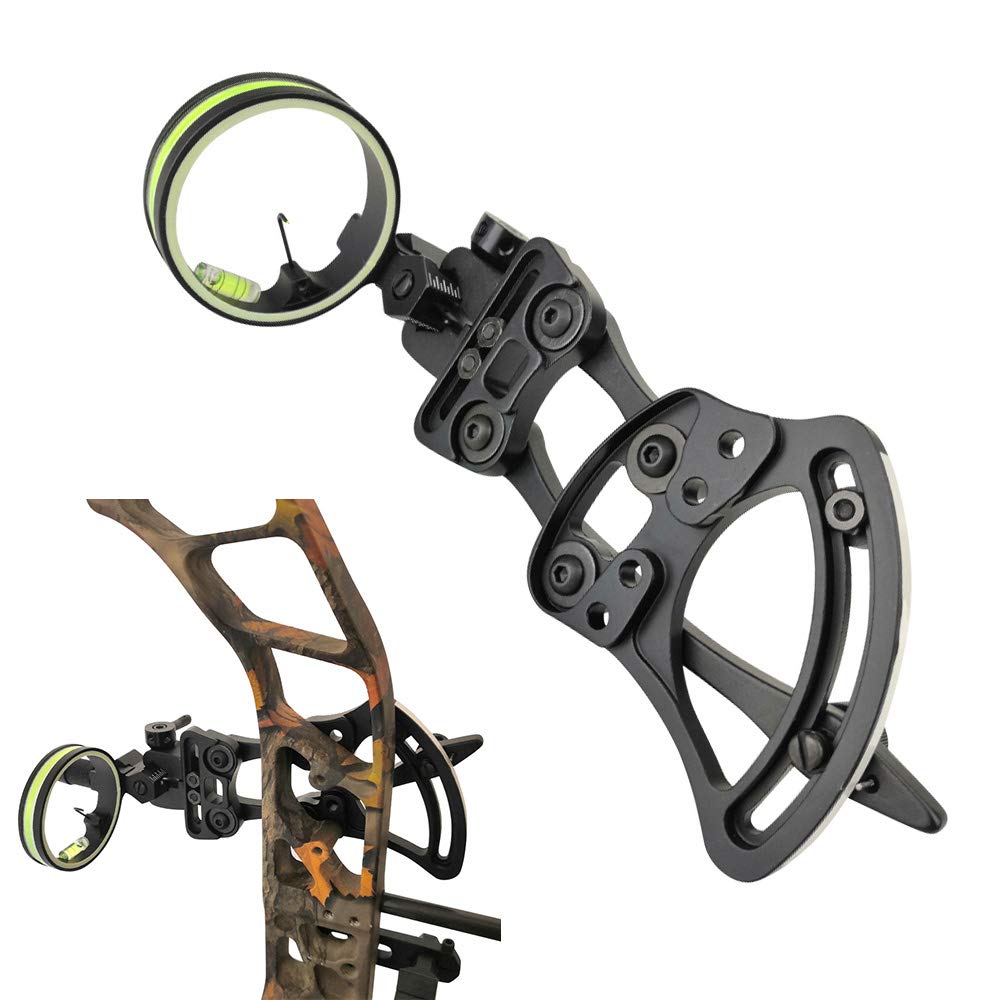
Axle-to-axle length — the distance between the cams — quietly shapes how a bow behaves in the field. Longer bows, roughly 32 inches and up, hold steadier on target and are more forgiving of hand torque, which is why target archers love them. Shorter bows, in the 28 to 31 inch range, are more maneuverable in a cramped treestand or a tangled ground blind and easier to pack through timber.
Brace height — the gap from the string to the grip — is the forgiveness dial. A taller brace height (around 7 inches) keeps the arrow on the string for less time, reducing how much your form flaws imprint on the shot, at a small cost in speed. A short brace height (6 inches or less) squeezes out more velocity but punishes imperfect technique. A whitetail hunter is usually better served leaning toward a taller, more forgiving brace height; a seasoned shooter hunting open country might trade some of that away for reach.
Let-Off and the Long Wait at Full Draw
Let-off is the compound bow’s signature trick — once you break past peak weight, the cams roll over and you hold only a fraction of the draw weight at the wall. Most hunting bows offer 75 to 90 percent let-off, meaning a 70-pound bow might feel like holding 7 to 17 pounds at full draw. For hunting, that holding weight is everything. When a buck steps out and hangs up behind a screen of brush, you may need to sit at full draw for a genuinely uncomfortable stretch of seconds, waiting for a clear lane.
Higher let-off makes that wait bearable and steadier, which is a real ethical advantage. The trade-off is a slightly mushier “back wall” and marginally less stored energy. Some competition classes cap let-off at 65 percent, but hunters have no such rule — for time spent at full draw over a live animal, more let-off is almost always the hunter’s friend.
Fit Beats Flagship Every Time
A bow that doesn’t fit your body is a bad bow no matter what it costs. The most critical fit dimension is draw length — the distance the string travels to full draw, set to match your arm span and anchor point. A draw length that’s too long forces you to overextend and lean back, wrecking consistency; too short and you’re cramped with no back tension. Modern hunting bows adjust draw length in small increments, but confirm the model covers your measurement before you fall in love with it.
This is why buying blind online is risky for your first serious hunting rig. A good pro shop will measure your draw length, set the bow to it, and let you shoot a few arrows before you commit. If you’re an experienced archer who already knows your numbers cold, ordering online is fine — but you’re taking on the setup work yourself. Either way, the bow that fits and feels dead-in-hand at full draw will out-hunt the more expensive one that doesn’t.
Shop ready-to-hunt compound bow packages on Amazon →
The Arrow and Broadhead Finish the Job
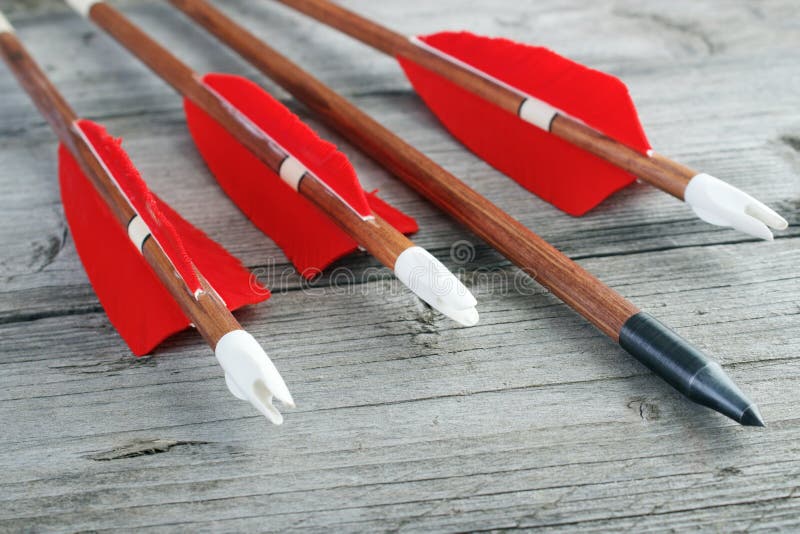
No discussion of hunting bows is complete without acknowledging that the bow only launches the projectile — the arrow and broadhead do the killing. A perfectly spec’d bow paired with an underweight arrow or a dull broadhead is a wounding machine. Total arrow weight, spine stiffness matched to your draw weight and length, and front-of-center balance all determine how deeply that energy drives home.
As a starting point, most deer hunters do well with finished arrows in the 400 to 480 grain range, heavier for elk and big game where penetration is king. Broadhead choice — fixed-blade for bone-crushing reliability, mechanical for larger cutting diameter and flatter flight — should be tuned and test-shot with your specific bow before opening day. A razor-sharp head flying true out of a well-tuned bow will drop game that a faster, sloppier setup would only wound.
Shop 100-grain hunting broadheads on Amazon →
Building the Rig That Fits You
Put it together and the “best” hunting compound bow stops being a name and becomes a specification list built around you and your quarry. A treestand whitetail hunter wants a shorter, forgiving bow at 55 to 65 pounds with high let-off and a comfortable draw cycle. An elk hunter wants more kinetic energy, a heavier arrow, and enough speed to flatten a longer trajectory. Both want a bow that fits their draw length and holds steady while they wait out the shot.
Spend your money on fit, tuning, and practice before you spend it on the last five feet per second. Shoot the bow year-round, not just before the season. The hunter who knows exactly where their arrow lands at every practiced distance, out of a bow that feels like an extension of their arm, will fill more tags than the one who bought the flashiest rig on the wall. That confidence — not any single flagship — is what “best” really means in the field.
Sources
- Wikipedia — Compound bow
- Wikipedia — Bowhunting
- U.S. National Park Service — hunting regulations reference
Browse archery bows, arrows, and accessories at the Archery Supplier shop →
Shop on Amazon
Compound Bows on Amazon →
As an Amazon Associate we earn from qualifying purchases.
Shop on eBay
Compound Bows on eBay →
We may earn a commission when you shop through our eBay links.
