
Archery Blog
Compound Bow Maintenance: A Season-Long Care Routine
Jul
A compound bow is a system of parts under enormous tension, and every shot you take works those parts a little harder. Strings stretch, servings loosen, cam bearings collect grit, and the accessories you bolted on slowly rattle their way out of true. Left alone, none of this announces itself with a bang. It shows up quietly as arrows that drift left, a top pin that no longer holds zero, or a bow that suddenly feels louder than it did last month. Good compound bow maintenance is less about fixing problems and more about noticing them early, when they are still a five-minute job instead of a trip to the pro shop.
This guide walks through a care routine you can actually keep up with across a full season. Some of it happens every time you shoot, some monthly, and some only when the calendar or a press-based job forces the issue. The goal is a rig that stays quiet, holds its tune, and never surprises you at full draw.
Start With a Habit, Not a Checklist
The archers who almost never have equipment failures are not the ones with the most tools. They are the ones who look at their bow the same way every single time they pick it up. Before you nock the first arrow of a session, run your eyes down the string and cables, glance at the cam faces, and give the stabilizer and sight a light wiggle. Ten seconds. You are looking for anything that changed since last time: a fuzzy spot on the string, a screw that moved, a limb tip that looks off-center in the pocket.
This pre-shoot glance matters because a compound stores tremendous energy. A frayed string or a hairline crack in a limb is not just an accuracy problem; it is a safety problem. A limb or string that lets go at full draw can injure you and destroy the bow. Treat the quick look as non-negotiable, the way a climber checks a knot.
Caring for the String and Cables
The bowstring and cables are the shortest-lived parts of your rig and the ones that most directly affect where the arrow goes. Modern strings are built from blended synthetic fibers that resist stretch, but they still rely on wax to bind the strands together, shed moisture, and reduce friction. A dry, gray, fuzzy-looking string is a string that is wearing out faster than it should.
How to Wax Correctly
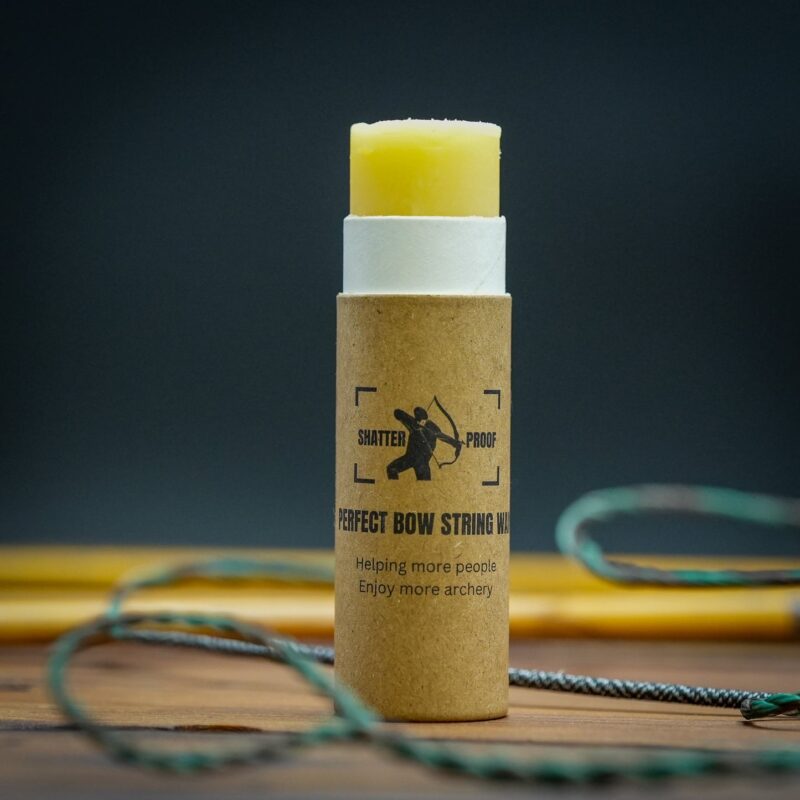
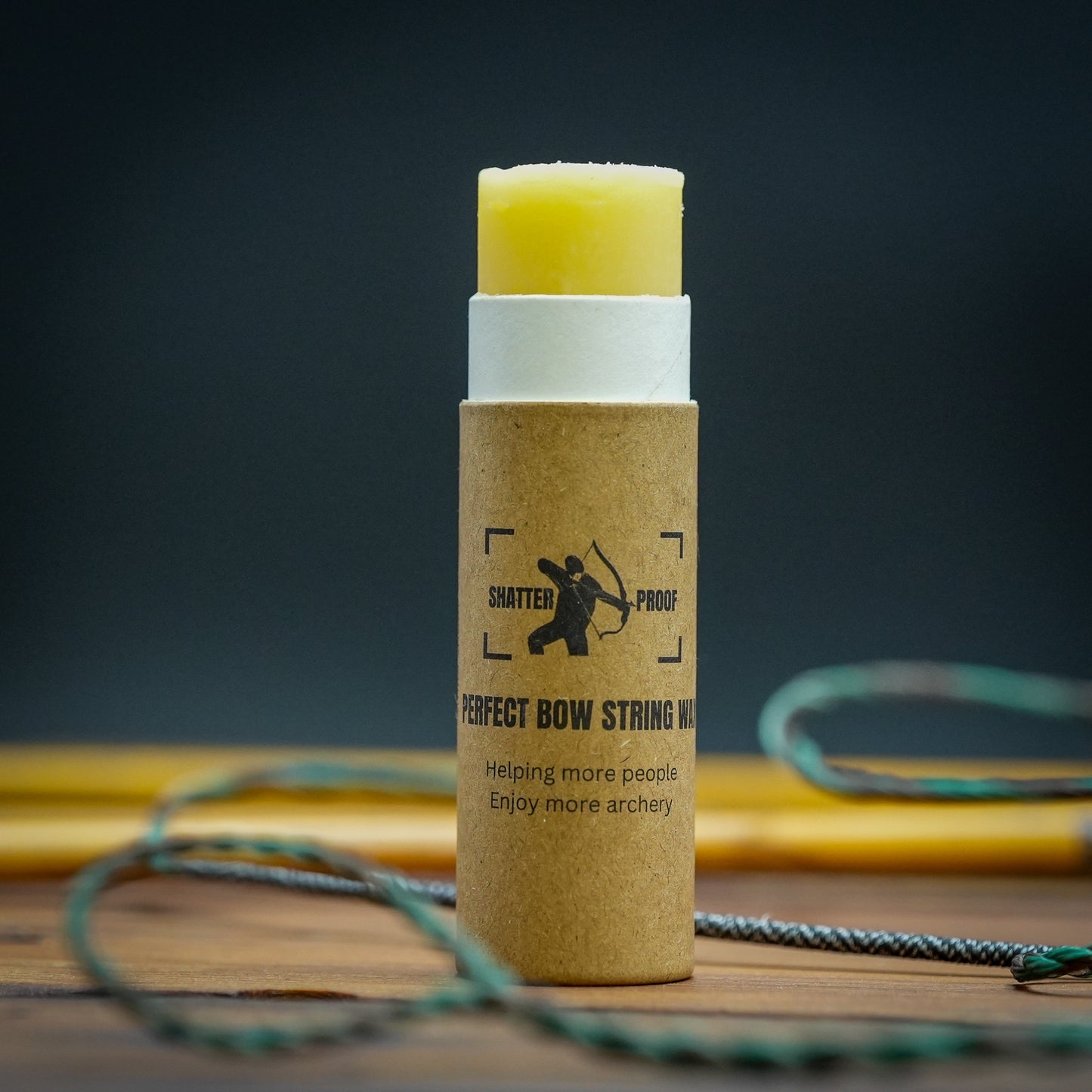
Wax the string sections roughly every two weeks of regular shooting, or whenever it starts to look dry. Run a bit of bowstring wax over the string, then pinch it between your finger and thumb and work it back and forth. The friction warms the wax and pulls it down into the strands rather than leaving it sitting on the surface. Do not wax the served areas: the tightly wrapped center serving where you nock the arrow, or the end servings on the cams. Those are already protected, and extra wax there just attracts grit.
While you have the string in hand, inspect the serving. If you see a gap where the wraps have separated or the serving has started to slide, that is a job for a bow press and possibly a pro shop; a shifting serving changes your nocking point and your peep alignment. Speaking of the peep, check that it still rotates to face you cleanly at full draw. A peep that has started to twist usually means the string has taken on a set or a strand has shifted.
Even a well-maintained string does not last forever. Most shops recommend replacing strings and cables somewhere in the range of every two to three years for a recreational shooter, sooner if you shoot heavy volume or hunt in harsh weather. If your bow suddenly needs re-tuning for no obvious reason, a string that has finally finished stretching is a common culprit.
Shop Bowstring Wax on Amazon →
Cams, Axles, and Timing
The cams are the engine of a compound bow, and they are more forgiving than the string as long as you keep them clean and let a shop handle anything that needs a press. Your job during routine maintenance is to keep grit out of the axles and to watch for signs that the cams have drifted out of sync.
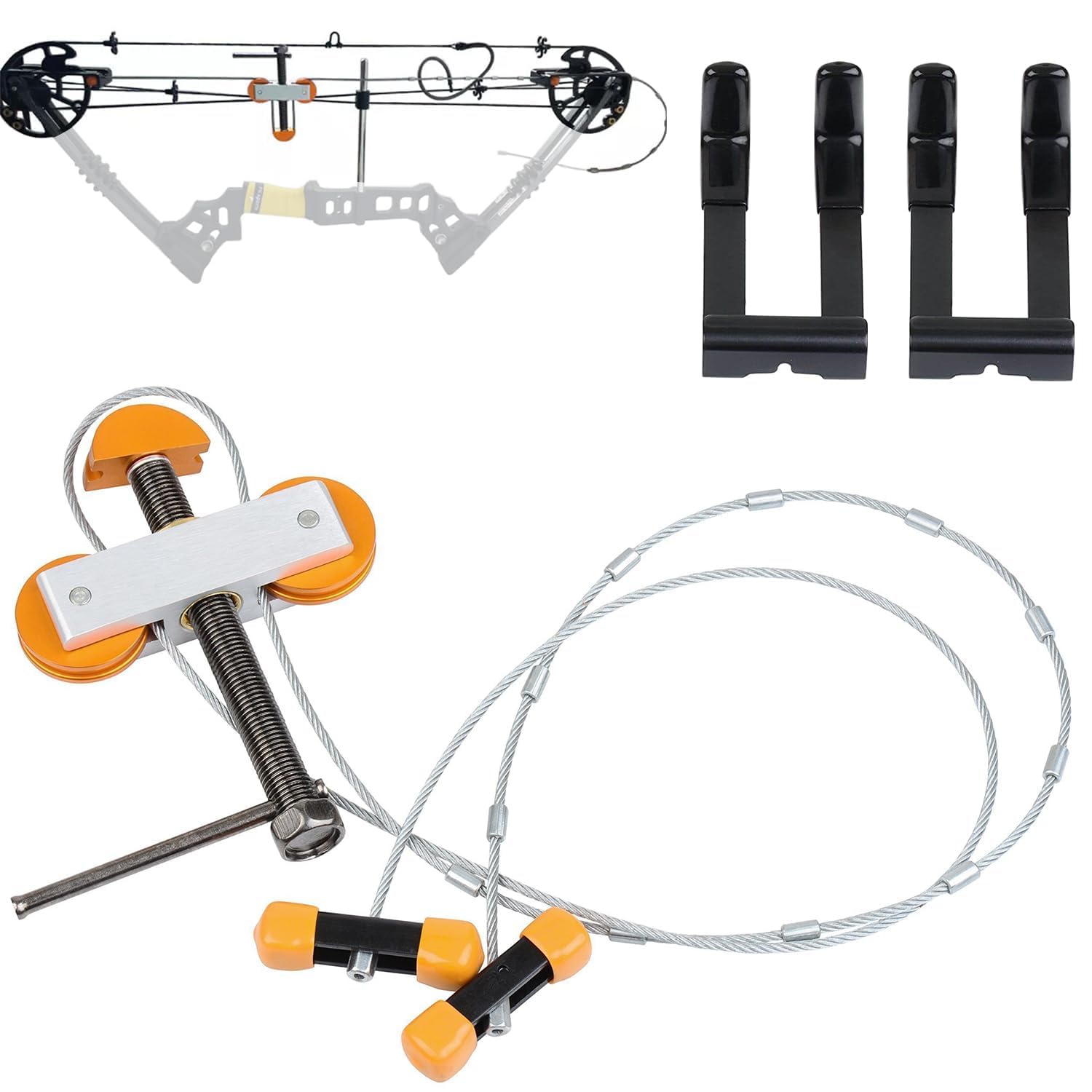
Wipe the cam faces and the exposed axle ends with a dry cloth after dusty or wet sessions. A tiny amount of light dry lubricant on the axles can keep them turning smoothly, but go sparingly; oil is a magnet for dust, and a gummy axle is worse than a dry one. Never try to press the bow or remove an axle at home unless you own a proper press and know exactly what you are doing. The limbs are storing hundreds of pounds of force, and a slip can turn violent.
Cam timing is the relationship between the two cams reaching the end of their rotation at the same instant. When timing slips, one cam rolls over before the other, your nock travel gets erratic, and groups open up no matter how well you shoot. You can spot suspected timing issues by watching the cams at the wall, or by drawing on a friend and having them check that both cams hit their stops together. Correcting it means twisting cables in a press, which is shop territory for most people. The maintenance lesson is simpler: if your bow was tuned and grouping well and then quietly went sour, add cam timing to your list of suspects.
Limbs, Riser, and Hardware
Limbs deserve a slow, careful look at least once a month and after any hard knock, drop, or dry fire. Run a cotton ball or a piece of pantyhose along each limb from tip to pocket. If it snags, you have found a splinter or crack that needs professional evaluation before you shoot again. On modern split-limb bows, check that both halves of each limb sit evenly in the pocket and that no gap has opened up. A hairline crack in a limb is one of the few compound problems that can end a shooting day permanently and dangerously.
The riser is the stable center of the bow, and most riser maintenance is really hardware maintenance. Every accessory bolted to it, the sight, the rest, the stabilizer, the quiver, works loose over time from vibration. Once a month, go around with the correct hex wrenches and check that each mounting screw is snug. Snug, not gorilla-tight; over-torquing strips threads in an aluminum riser fast. A drop of removable threadlocker on the sight and rest screws is cheap insurance against a pin that mysteriously walks off zero between range trips.
Do not forget the small consumables. The D-loop, that little rope you clip your release to, wears from the constant bite of the release jaws. Inspect it for fraying and replace it before it becomes questionable, because a D-loop failure at full draw is effectively a dry fire. Nock points, kisser buttons, and rest launcher arms all wear too, and all are inexpensive to replace long before they fail.
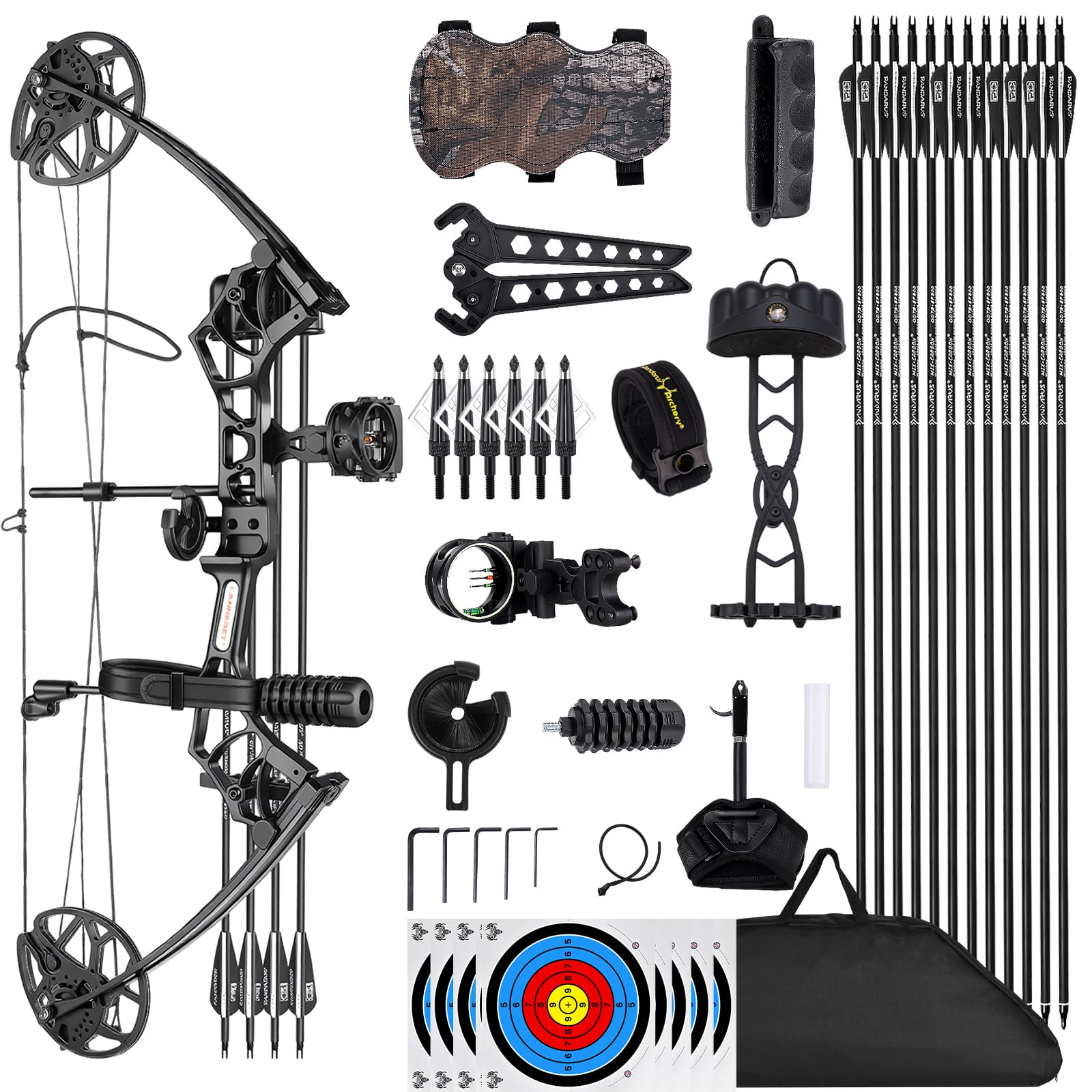
Shop Archery Bow Maintenance Kit on Amazon →
Keeping It Quiet and Vibration-Free
A bow that has grown louder is often a bow that is telling you something. New noise usually traces back to a loose accessory, a worn or missing dampener, or string components that have shifted. When you notice extra sound or hand shock, work through the obvious suspects: press on limb dampeners and string silencers to confirm they are intact, check that nothing on the riser has backed out, and make sure the stabilizer is tight against its mount.
The rubber and gel dampeners scattered around a modern compound do a real job, and they perish with age and sun exposure. A cracked, hardened limb dampener has stopped damping. These parts are cheap and easy to swap, so treat them as wear items rather than permanent fixtures. Quieting a bow back down is often just a matter of replacing a two-dollar piece of rubber you had stopped noticing.
Cleaning, Storage, and the Off-Season
How you store a bow between sessions matters as much as how you shoot it. Wipe the riser and limbs down after wet or muddy outings so moisture does not sit against metal and carbon. A dry microfiber cloth handles most of it; for stubborn grime, a barely damp cloth is fine, but dry everything afterward.
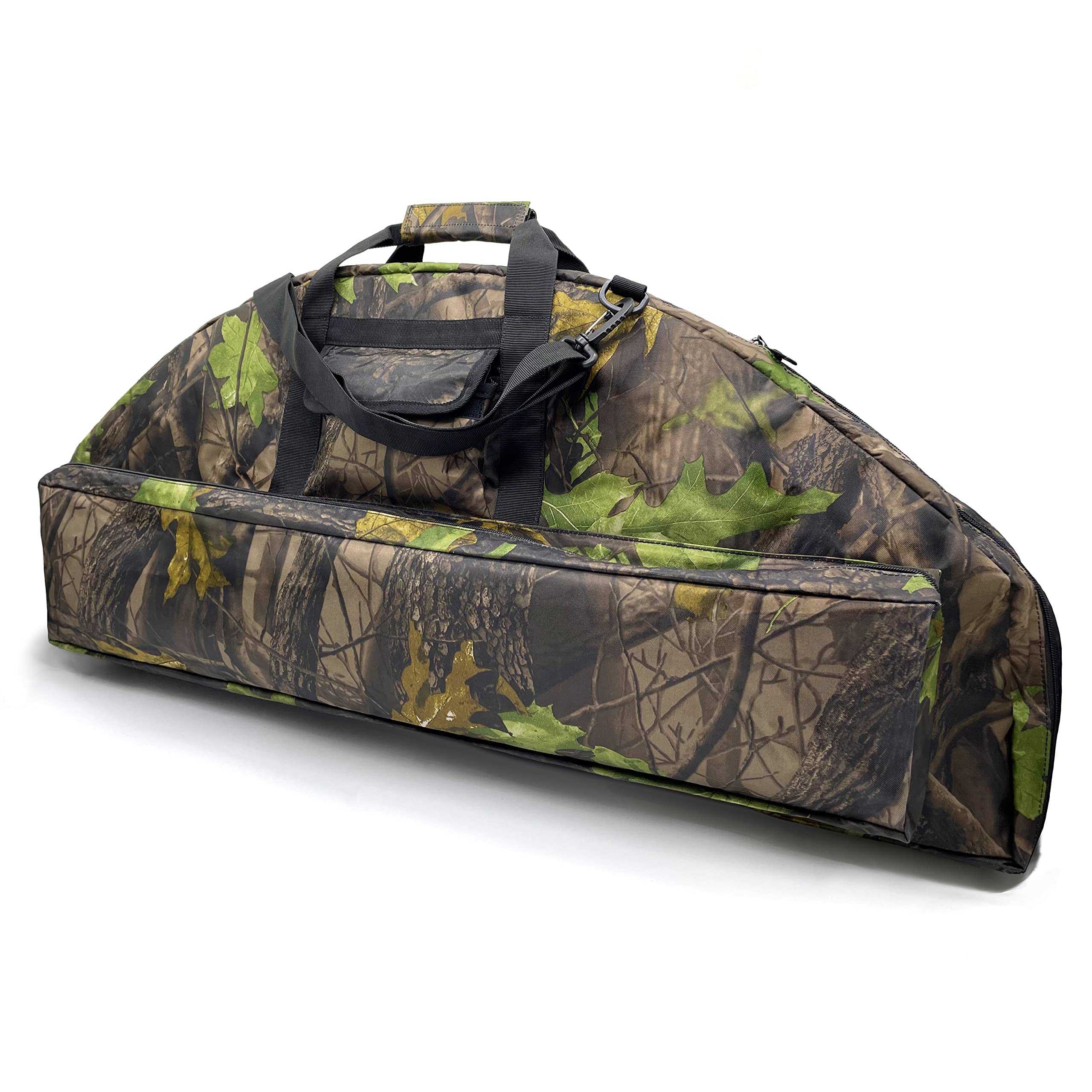
Store the bow in a case, out of temperature extremes. A hot car trunk or a sun-baked garage is the enemy: sustained heat degrades string material, softens dampeners, and can even affect adhesives and cam serving. A closet or gun safe at room temperature is ideal. Contrary to old myths, a compound bow can be left strung between uses; that is its normal resting state, and there is no need to de-string it like a recurve. What you should not do is leave it drawn or store it under any unusual load.
If your bow goes into true off-season hibernation, give it one thorough going-over before it sleeps: wax the string, wipe everything down, snug the hardware, and inspect the limbs. Then when you pull it out weeks or months later, shoot a few arrows into a close target to confirm nothing shifted before you trust it at distance.
When to Hand It to a Pro
A confident owner can handle the vast majority of routine care: waxing, cleaning, hardware checks, D-loop and dampener swaps, and general inspection. The line to respect is anything that requires a bow press or anything involving the stored energy of the limbs. String and cable replacement, cam timing corrections, draw-length or draw-weight changes beyond the limb bolts, and any suspected limb crack all belong on a pro shop bench. It is worth building a relationship with a good shop and letting them do a full annual service, replacing strings on schedule and checking timing and tune, even if you handle everything else yourself.
The payoff for all of this is not just longevity, though a well-kept compound easily lasts many years. It is confidence. When you know your string is waxed, your hardware is tight, your limbs are sound, and your cams are clean, you can put your full attention on the shot instead of wondering whether the equipment will hold. That quiet trust in your gear is what compound bow maintenance is really buying you.
Shop Compound Bow D-Loop Rope on Amazon →
Sources
- USA Archery — governing body resources on equipment and safety.
- Wikipedia: Compound bow — overview of cam systems, limbs, and construction.
- World Archery — technical and equipment reference.
