
Archery Blog
Arrow Vanes vs Feathers: Which Fletching Should You Use?
Jul
Most beginner archers are handed a set of vane-fletched arrows and never ask why. The truth is that fletching choice has a measurable effect on accuracy, clearance, and how long your arrows hold up in the field. Understanding the difference between arrow vanes vs feathers is one of those decisions that looks minor on paper but shows up in your groups at 40 yards.
Arrow vanes (left) versus natural feather fletching (right) — the two dominant fletching options in archery.
What Arrow Fletching Actually Does
Fletching exists to solve a physics problem. The moment an arrow leaves the bow, it’s wobbling. The back of the shaft fishtails, the front yaws, and without stabilization the arrow would tumble before it reached 20 yards. Fletching creates aerodynamic drag at the rear of the arrow, which dampens that oscillation and straightens the flight path fast.
Both vanes and feathers do this through the same basic mechanism: surface area behind the center of gravity. More surface area means more drag and quicker stabilization — but also more speed loss. The material, shape, and angle of the fletching all affect how that drag is applied and whether the arrow spins as it travels.
Spin is the secondary function. When fletching is angled — either offset or helical — the airflow across the vanes or feathers creates rotation, like a rifle bullet. A spinning arrow is inherently more stable and resists wind deflection better than one flying straight. The trade-off is a small loss in velocity, typically 2–4 fps per degree of helical angle depending on vane size.
Both materials stabilize arrows effectively. Where they differ is in how they interact with the bow, the rest, and the environment around them. According to Lancaster Archery Supply’s testing, feather-fletched arrows fly at 276 fps versus 267 fps for vanes at 29 yards — feathers win on speed up to roughly the 50-yard mark, after which the lower drag of vanes lets them fly faster and flatter.
Plastic Vanes: Reliable, Weatherproof, Consistent
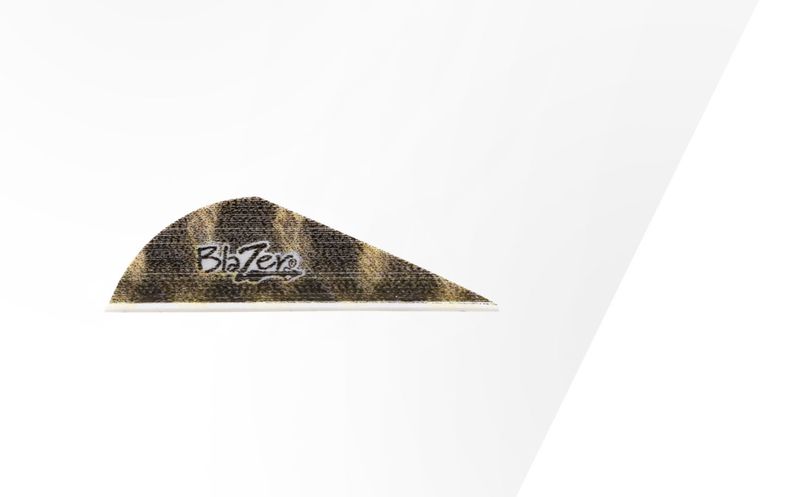
Plastic vanes are the default fletching for compound archery, and for good reason. They’re injection-molded from thermoplastic urethane or polyethylene, which means they don’t absorb water, hold their shape in humidity, and cost almost nothing per dozen. Bohning Blazer Vanes run roughly $0.35–0.40 per vane in packs of 100 — less than a single set of premium feathers buys you.
Vane weights vary by size. A standard 2-inch vane weighs about 5–7 grains. A 4-inch vane runs 8–11 grains. That weight affects your front-of-center balance and your total arrow weight, both of which matter for compound tuning. But for most shooters, the weight is manageable and the consistency is unmatched — every vane off the same mold is identical, which matters when you’re fletching a dozen arrows and want them to fly the same.
The main weakness of plastic vanes is contact sensitivity. On a drop-away rest this is a non-issue — the rest falls away before the fletching passes. But on a full-capture rest or a whisker biscuit, vanes can drag against the rest housing if the arrow isn’t tuned perfectly. That contact deflects the arrow. It’s not a catastrophic problem, but it requires attention to tuning that feathers largely avoid.
Rain doesn’t faze plastic vanes at all. You can shoot in a downpour, pull arrows from wet grass, and the fletching performs identically to dry conditions. For bowhunters sitting in a tree stand through a Pacific Northwest drizzle, this matters more than most indoor shooters realize.
Best for: Compound archers, bowhunters, outdoor target shooters, anyone using a drop-away rest.
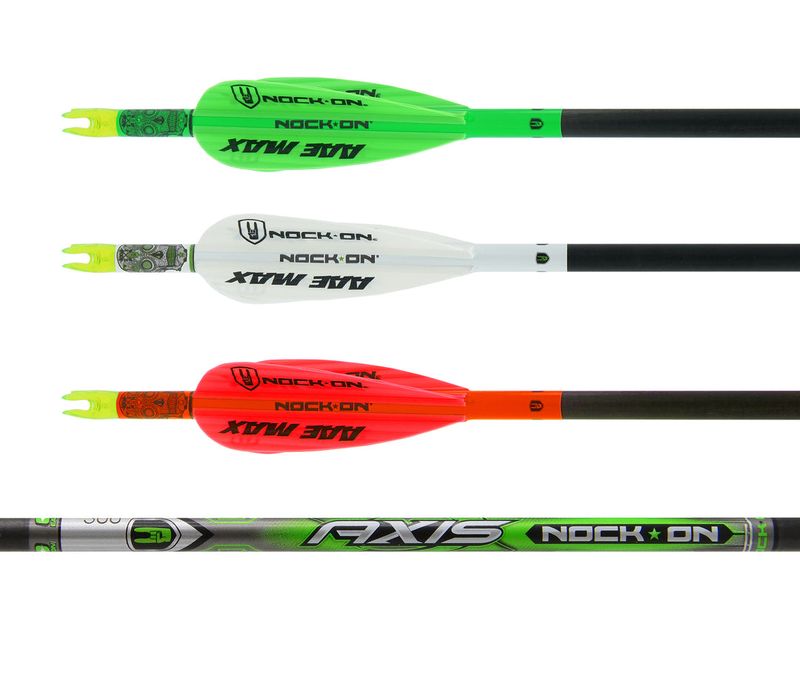
Plastic vanes on a compound bow arrow — waterproof, consistent, and the standard for mechanical rests.
Natural Feathers: Forgiveness Built In
Turkey feathers have been fletching arrows for thousands of years, and they haven’t been replaced for traditional archery because they do something plastic simply can’t: they collapse on contact and spring back instantly. Run a feather-fletched arrow across a shelf rest or through your fingers, and the feather flattens, passes cleanly, and re-expands into full shape without deflecting the arrow. That self-clearing property is why recurve and longbow archers still reach for feathers.
Natural feather fletching in archery has a weight advantage too. Feathers are lighter than most vanes — a standard 5-inch shield-cut turkey feather weighs around 3–4 grains, roughly half the weight of an equivalent plastic vane. That lighter rear weight pushes your front-of-center ratio forward slightly, which generally improves arrow flight consistency at distance.
Feathers also produce a distinctive sound — almost silent in flight compared to the faint hiss of plastic vanes. This matters to traditional hunters who need every quiet advantage they can get close to game.
The downsides are real. Feathers absorb water. Even a light rain makes them droop and lose their profile, which affects stabilization and groups. Left wet, they can permanently lose shape. You can apply silicone spray to slow moisture absorption, but you can’t make feathers truly waterproof. They also wear faster than plastic — expect to refletch every 6–12 months with regular shooting, versus 2–3 years for plastic vanes under similar use. And they cost more: quality barred turkey feathers run $20–$35 per 50, versus $8–$10 for 100 plastic vanes.
Best for: Recurve barebow shooters, traditional longbow archers, instinctive shooting, archers using shelf or finger-shooting setups without a modern arrow rest.
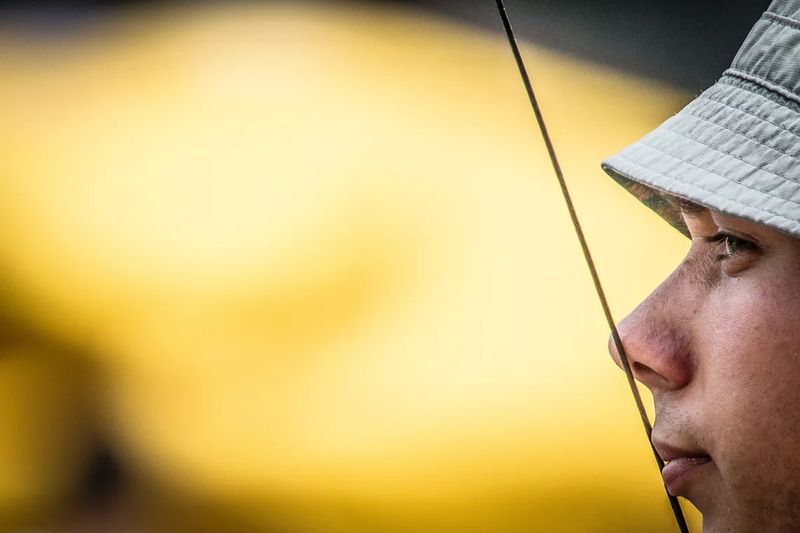
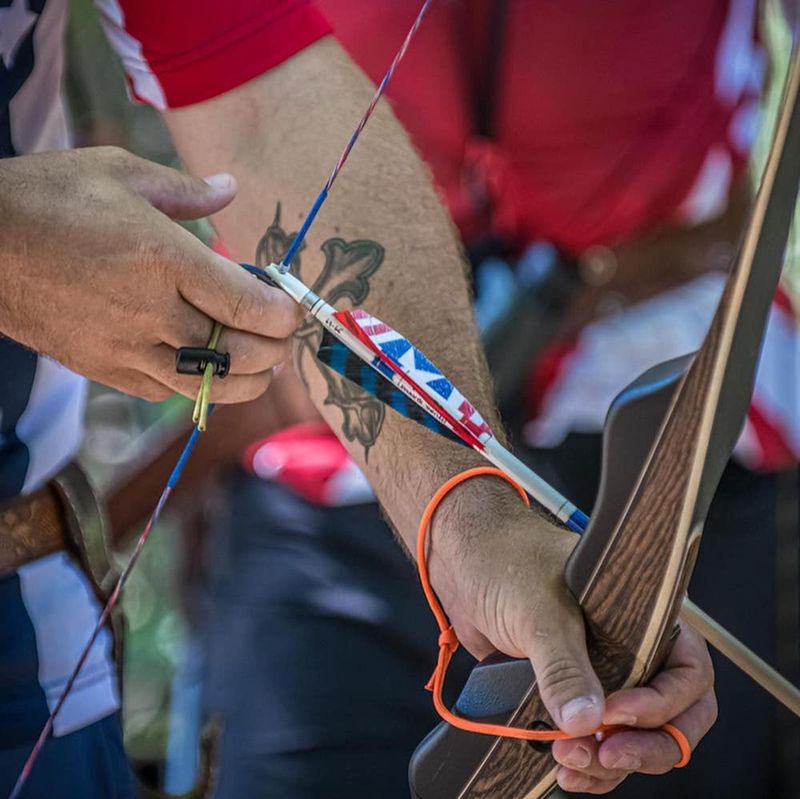
Feather fletching clears a recurve shelf or finger tab without deflecting the arrow — a physical property no plastic vane replicates.
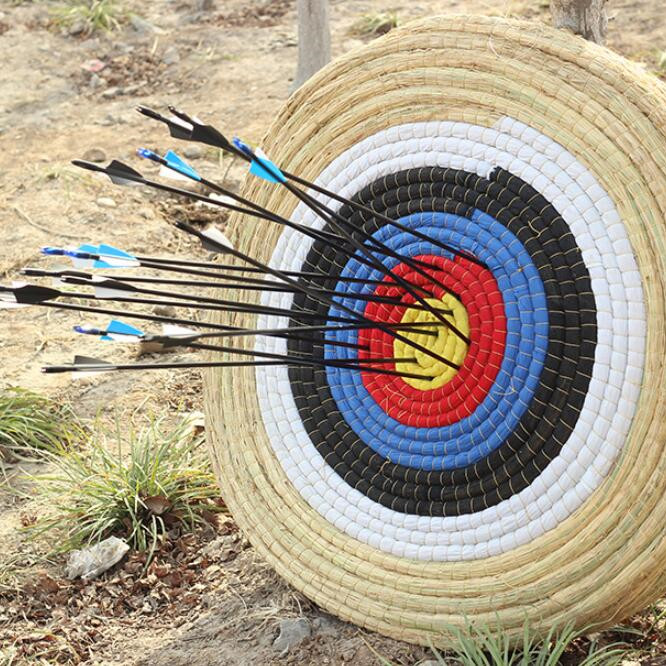
Helical vs Straight vs Offset Fletching
Fletching angle is a separate question from material — you can run helical vanes or helical feathers, straight plastic or straight feathers. But the angle matters enough to cover on its own.
Straight fletching runs parallel to the arrow shaft. It creates the least drag and the fastest arrow speed, but also provides the least stabilization and zero spin. Straight works for short indoor distances where speed loss would be minimal and wind deflection isn’t a factor. It’s common on indoor target arrows shot at 18 meters.
Offset fletching twists the vane or feather slightly — typically 1–3 degrees — relative to the shaft centerline. This generates spin without the sharp helical curl of a true helical fletch. A 3-degree offset is arguably the sweet spot for most compound shooters: you get meaningful arrow rotation, improved stability, and manageable speed loss. The difference in speed compared to straight fletching at 3 degrees is roughly 2–3 fps — almost undetectable in field conditions.
Helical fletching uses a curved clamp during application, imparting a spiral shape to each vane or feather. This creates the most spin and the most stabilization. For broadhead-tipped hunting arrows, helical is often the right call — broadheads plane in flight and need more rotational correction than field points. The speed penalty is real (4–7 fps versus straight), but the accuracy gain with fixed-blade broadheads more than compensates. According to Archery360, helical fletching is the top recommendation for any archer shooting fixed-blade heads at distances beyond 30 yards.
Straight (top), offset (middle), and helical (bottom) fletching — each trades speed for stabilization.
Which Bow Type Points You to Which Fletching
Your bow type is the single biggest factor in this decision. The rest type, draw method, and intended use all flow from what bow you’re shooting.
Compound bows with mechanical drop-away rests pair naturally with plastic vanes. The rest clears before the fletching passes, so contact isn’t an issue. Shoot a 2-inch Blazer vane with 2–3 degrees of offset for target work, or switch to a 4-inch helical vane for hunting with broadheads. If you’re running a full-capture rest like a Whisker Biscuit, keep vanes under 2 inches high to reduce contact drag, or use low-profile vanes specifically designed for full-capture use.
Recurve bows shot with fingers — which includes Olympic-style recurve and barebow — benefit from feathers if you’re shooting off the shelf or using a simple stick-on rest. The fletching must pass the arrow rest on release, and feathers collapse and clear. If you’re shooting a recurve with a modern elevated plunger rest and a finger tab, low-profile plastic vanes (1.75–2 inches, under 0.4 inches high) can work, and many Olympic recurve archers use them. Check your clearance before committing. If you need guidance on matching arrows to your recurve setup, see our guide on how to choose arrows for your recurve bow.
Traditional longbows almost universally call for feathers. Longbows shoot off the hand or a simple shelf, and without feather clearance, the contact vane problem becomes severe. Three 4–5 inch feathers in a shield or parabolic cut is the traditional standard, and it works.
Indoor shooting at 18–25 meters favors smaller, lower-drag fletching regardless of material. At short distances, stabilization time is short and every fps counts. Outdoor shooting at 60–90 meters favors larger or more aggressive fletching for wind resistance and consistent grouping in variable conditions.
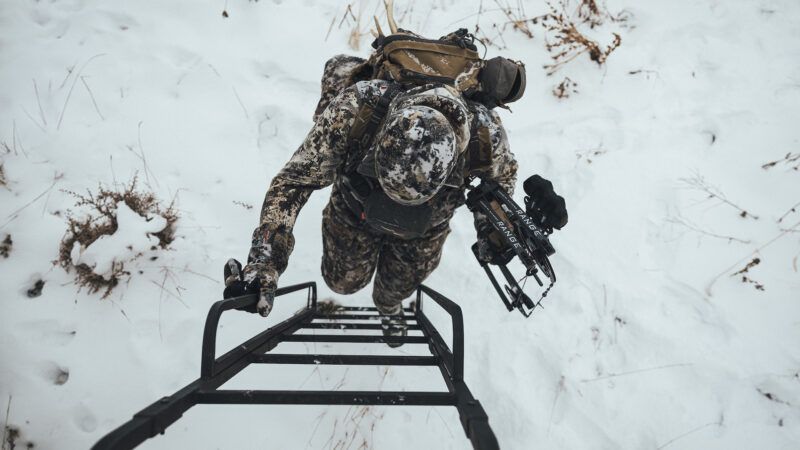
Compound archers shooting outdoors benefit from plastic vanes — consistent profile, weatherproof, and tuned for mechanical rests.
Understanding your arrow spine is equally important here — the wrong spine combined with aggressive helical fletching can create paradox issues that no amount of fletching angle will fix. Our breakdown of arrow spine and why it matters for accuracy covers that side of the equation.
When Vanes Die and Feathers Shed: Maintenance Reality
Fletching doesn’t last forever, and knowing when to refletch saves you from shooting inconsistent arrows without realizing it.
Plastic vanes fail in specific ways. The most common is delamination — the vane lifts at the base where it was glued to the shaft. You’ll see a gap between the vane foot and the shaft when you roll the arrow on a flat surface. A delaminated vane doesn’t fly true even if it looks attached. The second failure mode is cracking or crushing, usually from contact with a target face at close range or from being dropped. A cracked vane loses its shape and creates unpredictable drag. Third is UV degradation — after 2–3 years of outdoor use, some plastics become brittle and micro-crack along the leading edge.
Feathers show their age differently. They fray at the tip first, then the individual barbs separate and don’t zip back together the way a healthy feather does. A healthy feather is smooth along its length; a worn one looks ragged and asymmetrical. Wet feathers that haven’t dried properly develop a permanent droop that ruins the fletching profile. If you run your finger along a feather and it doesn’t spring back immediately, it needs replacing.
For either material, refletch when you see any of these signs rather than waiting until the arrow starts missing. A single damaged vane in a three-fletch setup is enough to throw your arrow off the group — you won’t always be able to identify the problem arrow visually at distance.
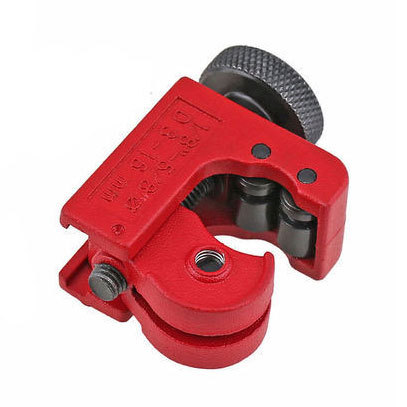
If you refletch your own arrows — which is straightforward with a fletching jig and a good adhesive — a sharp cutter for trimming shafts to consistent length makes the whole process cleaner and more repeatable. See our full walkthrough in the how to fletch arrows DIY guide for the full process, including adhesive selection and clamp timing.
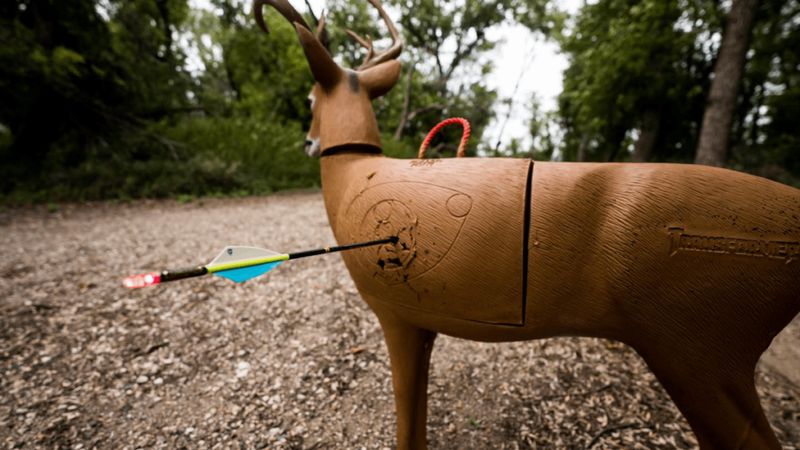
A missing or delaminated vane is easy to miss until you’re at the target. Check all three fletchings before every session.
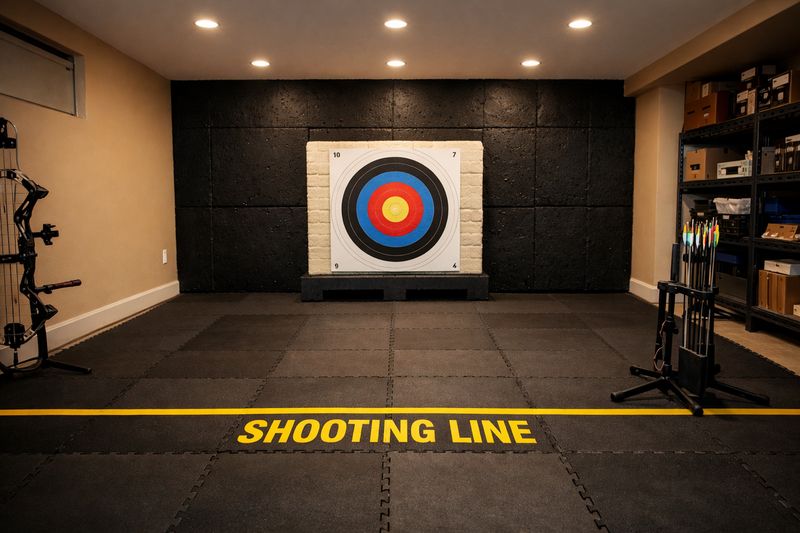
Indoor ranges at 18–25 meters reward smaller, low-drag fletching — the opposite of what you’d choose for outdoor broadhead hunting.
The Bottom Line
The arrow vanes vs feathers debate has a clear answer most of the time. Shoot a compound bow with a drop-away rest? Use plastic vanes, 2–4 inches depending on whether you’re hunting or target shooting, with 2–3 degrees of offset as your starting point. Shoot a recurve or longbow off the shelf or with fingers? Use feathers — the clearance advantage alone is worth the extra cost and the moisture limitation.
Where it gets interesting is in the overlap. Some recurve archers successfully run low-profile plastic vanes with a properly tuned plunger rest and have the clearance data to prove it. Some compound hunters use feather-fletched arrows for traditional-feel back-tension practice. These aren’t mistakes — they’re intentional choices made with full information.
Start with the conventional option for your bow type. Shoot it long enough to have groups to compare. Then experiment if you want to. The fletching change that matters most is the one you make based on watching your own arrows fly, not a chart someone else made for a different setup.
Sources
- Lancaster Archery Supply — Feathers vs. Vanes — Speed testing data and practical breakdown from one of North America’s largest archery retailers.
- Archery 360 — Understanding Arrow Fletchings — Fletching types and recommendations from the Archery Trade Association’s consumer education platform.
- Bohning Archery — Vane Specifications — Technical specs and weights for Blazer and other leading plastic vane products from the leading fletching manufacturer.
- Archery 360 — Vanes vs. Feathers: Which Is Right for You? — Accessible bow-type breakdown of fletching selection from the ATA consumer platform.
