
Archery Blog
When to Replace a Bow String: 7 Signs You Need a New One
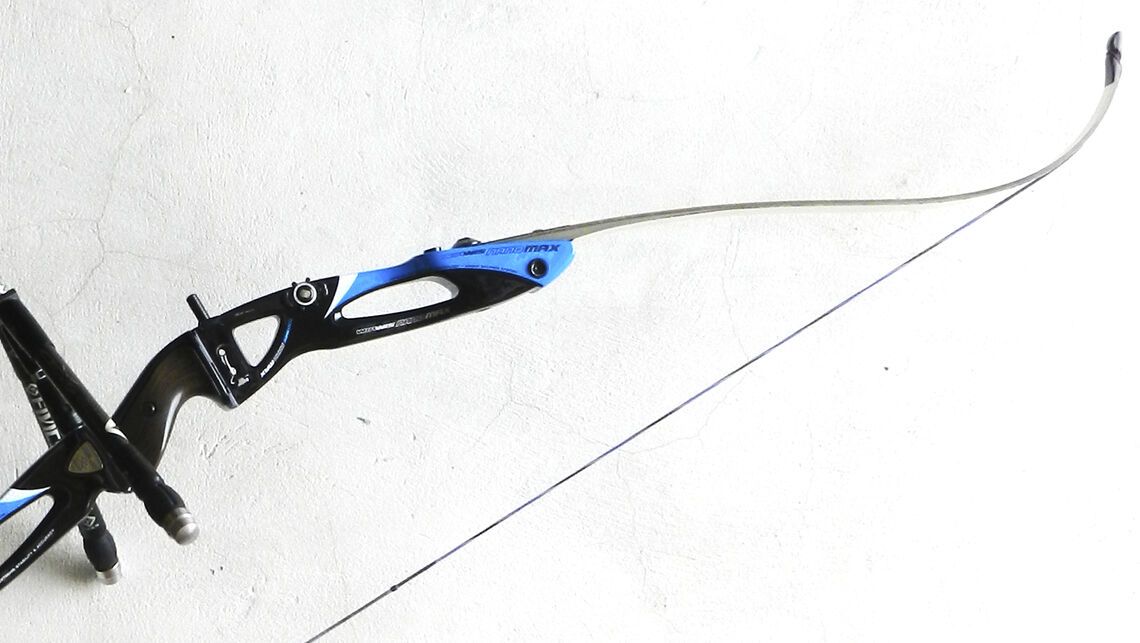
May
A compound bow string that started life at 60 inches stretches roughly an eighth of an inch over its first 200 shots and then keeps creeping. The peep rotates. The center serving fuzzes out. Eventually a strand pops — and by then you should have already replaced the string. Knowing when to replace a bow string is the difference between a tuned bow that hits 1-inch groups at 30 yards and one that flings arrows somewhere in the vicinity of the target.
This guide walks through the seven warning signs every archer needs to recognize, how long a string actually lasts on a compound versus a recurve, what bow string replacement costs in 2026, and whether you can swap one yourself or need to hand it to a shop.
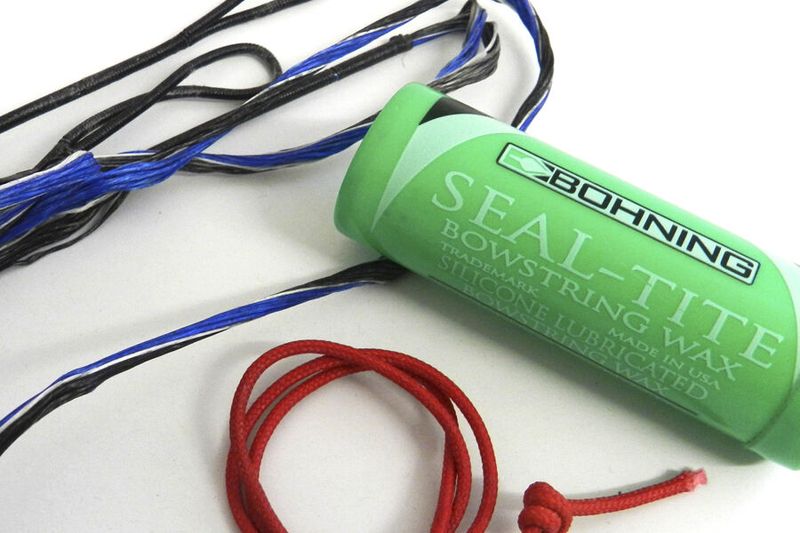
A waxed string buys you time. A worn one buys you a lost arrow.
How Long Does a Bow String Last?
A compound bow string lasts roughly 2,500 to 3,000 shots under normal use, or about two to three years for the average bowhunter shooting a few hundred arrows per season. For a competitive 3D shooter putting 100 arrows downrange every week, that same string is done in eight to twelve months.
Recurve strings on Olympic-style bows tend to last longer in shot count but shorter in calendar time — many top recurve archers replace strings every six to nine months regardless of wear, because creep alone shifts the brace height enough to throw tune off. A Dacron string on a beginner recurve will outlast a modern Fast Flight string by years, but it also delivers slower arrows and more hand shock.
The 2,500-shot benchmark comes from Bowhunter Magazine’s long-running maintenance survey, which tracks bow shop replacement intervals across the US. Manufacturers like Hoyt and Mathews recommend annual replacement on hunting rigs regardless of shot count, primarily because UV exposure and humidity degrade the fibers even when the bow sits in the case.
7 Signs Your Bow String Needs Replacement
Here is what to look for during your monthly inspection. Any one of these on its own is a yellow flag. Two or more, and you should already be ordering a replacement.
1. Visible Strand Damage
A modern compound string is built from 18 to 24 individual strands of BCY-X or 8125 material. If you can see even one strand that is cut, frayed through, or hanging loose, the string is done. There is no repair — the load that strand was carrying is now distributed across the remaining strands, which accelerates their failure too.
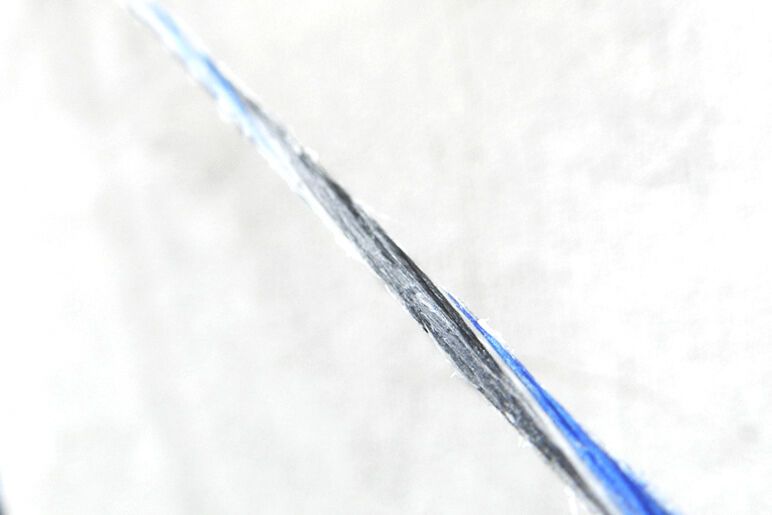
Healthy strands lie tight and parallel. Frayed individual strands mean replacement, not repair.
2. Center Serving Separation
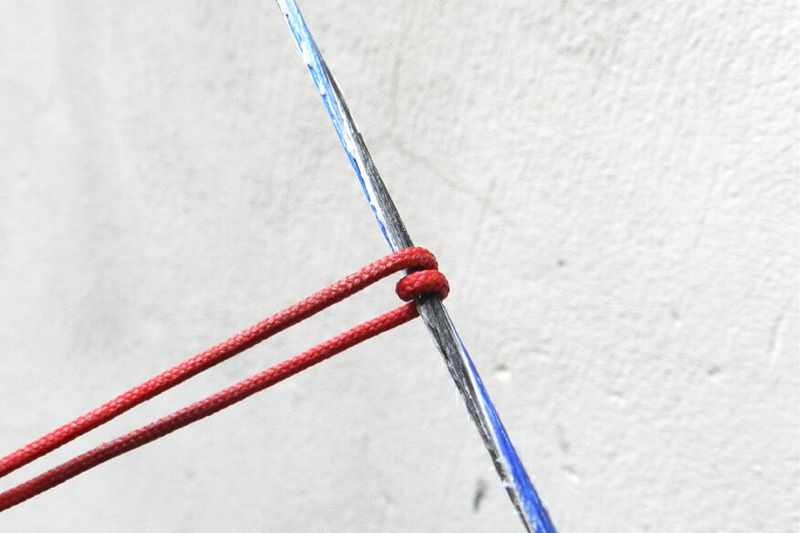
The serving is the tightly-wound thread that wraps the main string at the nock point. When you see gaps appearing between coils, or the serving spins independently of the string when you twist it, the underlying string fibers have stretched past the point where the serving can hold position. Re-serving buys a few weeks. A new string is the real fix.
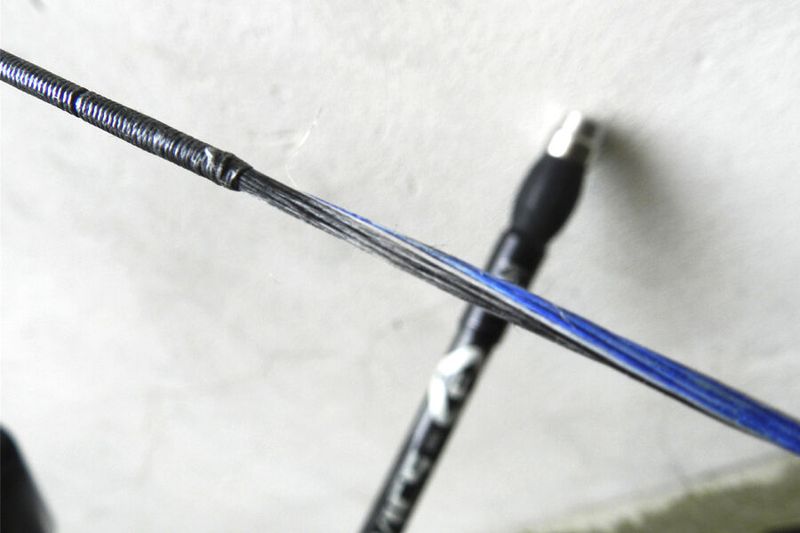
Center serving separation — the gap between coils is the warning sign.
3. Peep Sight Rotation
If you find yourself twisting the string at the cam to bring the peep back into alignment more than once or twice a year, the string has lost the ability to hold twist. That is fiber fatigue, and it gets worse fast. Once a string starts rotating between sessions, it will not stabilize again.
4. Fuzzing That Wax Can’t Fix
A waxed string should feel smooth and slightly tacky. When fuzz keeps returning within days of waxing — especially on a string less than two years old — the outer fibers have given up. The wax has nothing to bond to anymore.
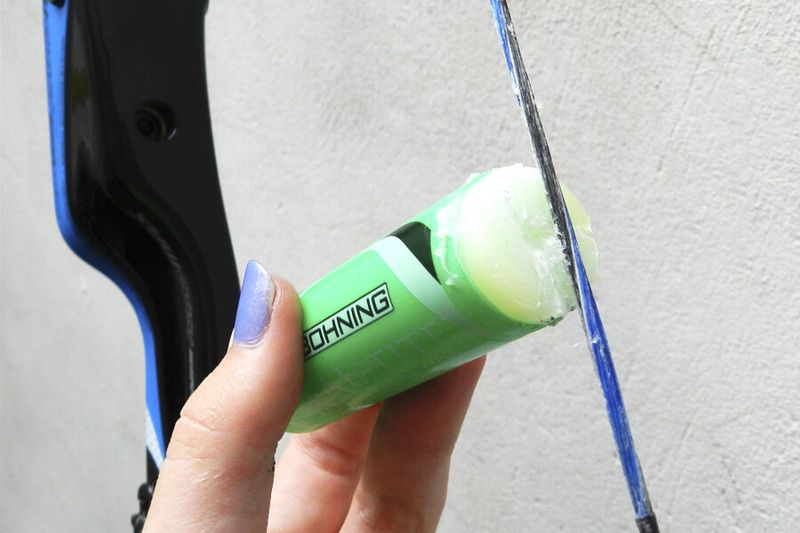
Wax restores a tired string for a few hundred shots. After that, the fibers are too far gone.
5. Loss of Brace Height or Draw Length
String creep shows up as a falling brace height. Measure brace height every time you wax. When it drops more than a quarter inch from the original measurement and twisting will not bring it back without distorting the cams, the string has stretched too far. Draw length will shift with it, throwing arrow flight off and pushing point-of-impact down at distance.
6. Cracking or Hardening Near the Cams
The string takes its sharpest bend at the cam tracks. UV exposure and heat — that is, leaving a bow in a hot truck — make the fibers brittle right at those bends. If you flex a section near the cam and hear a faint crackle, or see the fibers refuse to lay flat, replace immediately. A cam-track break under draw is the most dangerous string failure a compound can have.
7. Age, Even With No Visible Wear
Three years is the upper limit for any bowhunting setup. Five years is the absolute limit for a target-only bow stored in climate control. Beyond that, fibers degrade chemically whether you’ve shot the bow or not, and a string failure under a 70-pound draw can put a cam through your face.
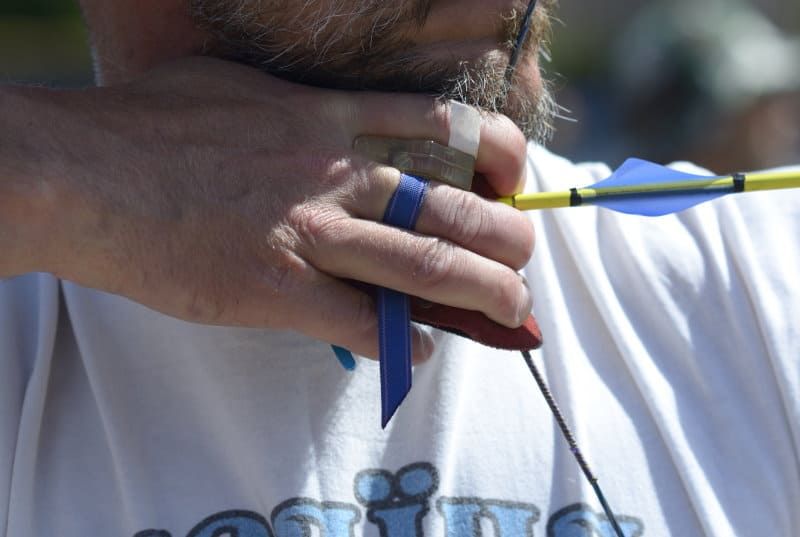
Every shot puts micro-stress on the string. Calendar age matters even when shot count is low.
Compound vs Recurve String Replacement Timelines
Compound and recurve strings wear differently because they live different lives. A compound string spends most of its time at full tension, wrapped tight around hard cam edges, with a peep sight, D-loop, and nock point all clamped onto it. A recurve string takes a gentler curve over the limb tips and carries far less hardware — but it sees more raw shot count in a competitive season.
Compound: Replace at the earlier of 2,500 shots, three years of age, or any single sign from the list above. If you also see cable wear (the cables on a compound take more abuse than the string itself), replace cables and string together — never one at a time, since matched components stretch differently and re-tuning a mismatched pair is its own headache.
Recurve: Olympic shooters change strings every six to nine months for tune consistency. Recreational recurve archers can go two to three years if the string is Dacron, less if it is Fast Flight or a modern endless-loop string. Recurve strings rarely fail catastrophically — they just slowly lose performance until you wonder why your groups opened up.
What About Cable Replacement on a Compound Bow?
The two cables on a compound bow run from cam to cam and handle the cam-rotation load. They wear faster than the string in two specific areas: where they pass through the cable guard or roller, and where they wrap the cam grooves. A worn cable can fail with the same consequences as a worn string, and a stretched cable will throw cam timing off — which throws nock travel off — which throws arrow flight off.
Best practice: order a matched string-and-cable set from the manufacturer that built your bow. Replace all three at the same press visit. The 30-dollar premium over buying string alone saves the labor of pressing the bow twice within a year.
Bow String Twist: Adjustment vs Replacement
Adding or removing twists in your bow string adjusts brace height and tunes the bow. This is a normal tuning step and does not indicate a problem. The replacement signal is when twisting no longer produces a stable result — when the string slowly rotates back over the next 50 shots, or when you’ve added so many twists trying to recover brace height that the string looks rope-wound rather than parallel.
A healthy modern string should hold twists indefinitely after a brief settle-in period of 50 to 100 shots. If yours doesn’t, the fibers are fatigued.
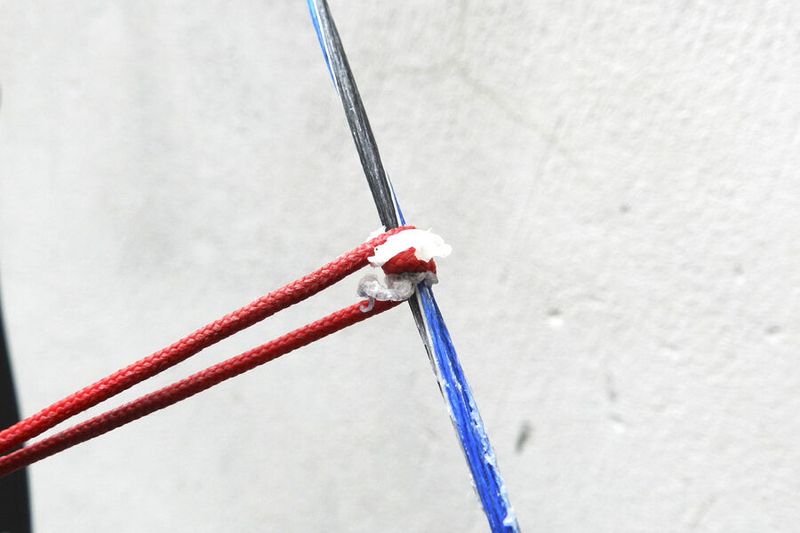
A cord buffing pass embeds wax and reveals which strands are still straight.
Can You Replace a Bow String Yourself?
For a recurve bow, yes — string replacement is a five-minute job using a bow stringer. Unstring the bow, slide the old string off the limb tips, slide the new one on with the loops seated in the grooves, restring with the bow stringer, and check brace height with a T-square. Bare-bow shooters do this in the field with a spare string clipped to the quiver.
For a compound bow, you need a bow press, and unless you already own one, the math favors paying the shop. A decent portable press runs $200 to $400. A shop string replacement runs $25 to $60 in labor on top of the $80 to $150 string-and-cable set. If you only replace strings every two years, the press will not pay for itself.
That said, a press is the single best investment for any compound archer who tunes seriously. Once you own one, you can adjust timing, swap peeps, restore lost twist, and tune at home instead of driving to the shop every time something needs a small change. Our complete compound bow guide walks through the full setup workflow including press use.
Cost of Bow String Replacement in 2026
Here is what you should expect to pay this year, broken out by bow type:
- Recurve string only: $15 to $40 for a Dacron or Fast Flight string. Olympic-grade endless-loop strings run $50 to $90.
- Compound string only: $50 to $100 for a stock replacement; $90 to $180 for a custom build from a quality shop like Winner’s Choice or GAS Bowstrings.
- Compound string + cable set: $80 to $200 depending on brand and material.
- Shop labor (compound): $25 to $60 for the press time and re-tune.
For a typical bowhunter on a Hoyt or Mathews compound, budget about $150 every two years for a full string and cable refresh including labor. For a recreational recurve shooter, $25 every two to three years covers it.
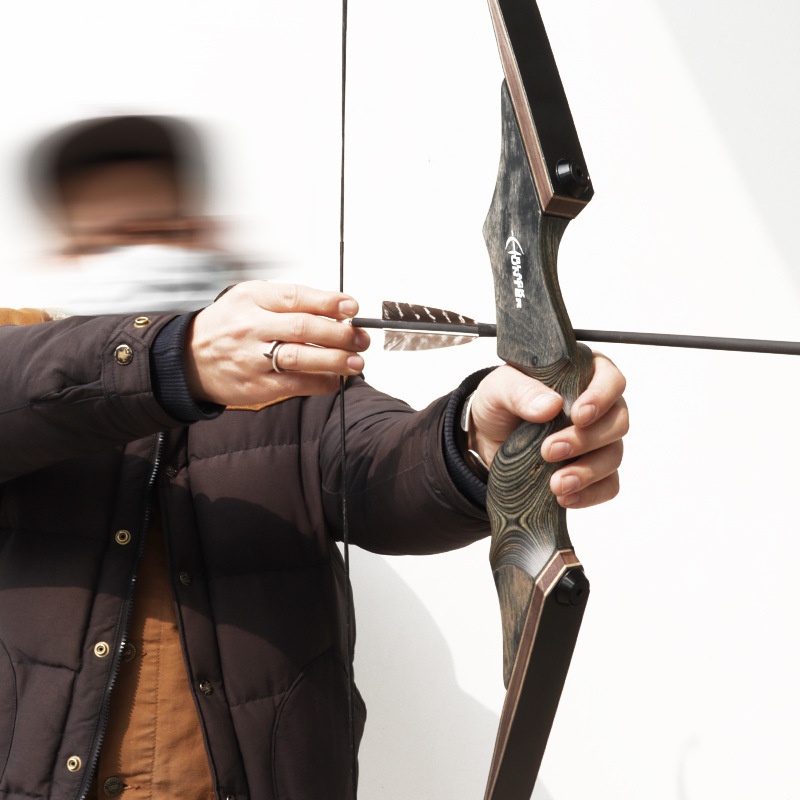
Extending the Life of a New String
You will get more shots out of a fresh string by treating it right from day one. Wax it before the first shot — not after. Shoot 50 to 100 settling rounds before final tune. Keep the bow out of hot vehicles. Never leave it strung and propped against a wall in direct sun. Cover the string with a bow sock when storing in soft cases, and check serving condition every time you wax.
The single biggest extender of string life is staying current on waxing. Our step-by-step bow string wax guide covers the technique and recommended products. Pair regular waxing with a clean storage environment and you will hit the upper end of the lifespan range rather than the lower.
Cord buffing every 200 shots is more important than buying premium wax.
What Happens If You Don’t Replace?
An overdue string is not just a tuning problem — it is a safety problem. The most common failure mode on a compound is a strand break at the cam under draw, which dumps the limb load asymmetrically and can crack the limb itself. At a 70-pound draw weight, that puts shrapnel at face level.
The Archery Trade Association’s safety briefing flags string failure as one of the top three preventable injury sources in the sport. Not because strings fail often — they don’t — but because the failures that do happen tend to occur in archers who ignored every warning sign because the string still looked basically okay.
Watch the Technique
This World Archery tutorial covers the inspection and re-waxing routine that catches replacement signals early. Worth two minutes of your time before your next session.
Building the Replacement Habit
The archers who never have string-failure surprises are the ones who replace on schedule, not on symptom. Mark a date on the calendar two years from purchase. Order a fresh string and cable set a month early so it arrives before the deadline. Schedule the press visit. Done.
Treat the bow string the way you’d treat tires on a motorcycle: a wear part that decides whether everything else works. The $80 string upgrade you do on time is cheaper than the cam you replace because the string failed mid-draw.
If you’re starting fresh and want to skip the guesswork, our recurve setup guide for beginners covers the seven essentials including string selection, and the nocking point guide walks through the hardware that lives on the string itself.
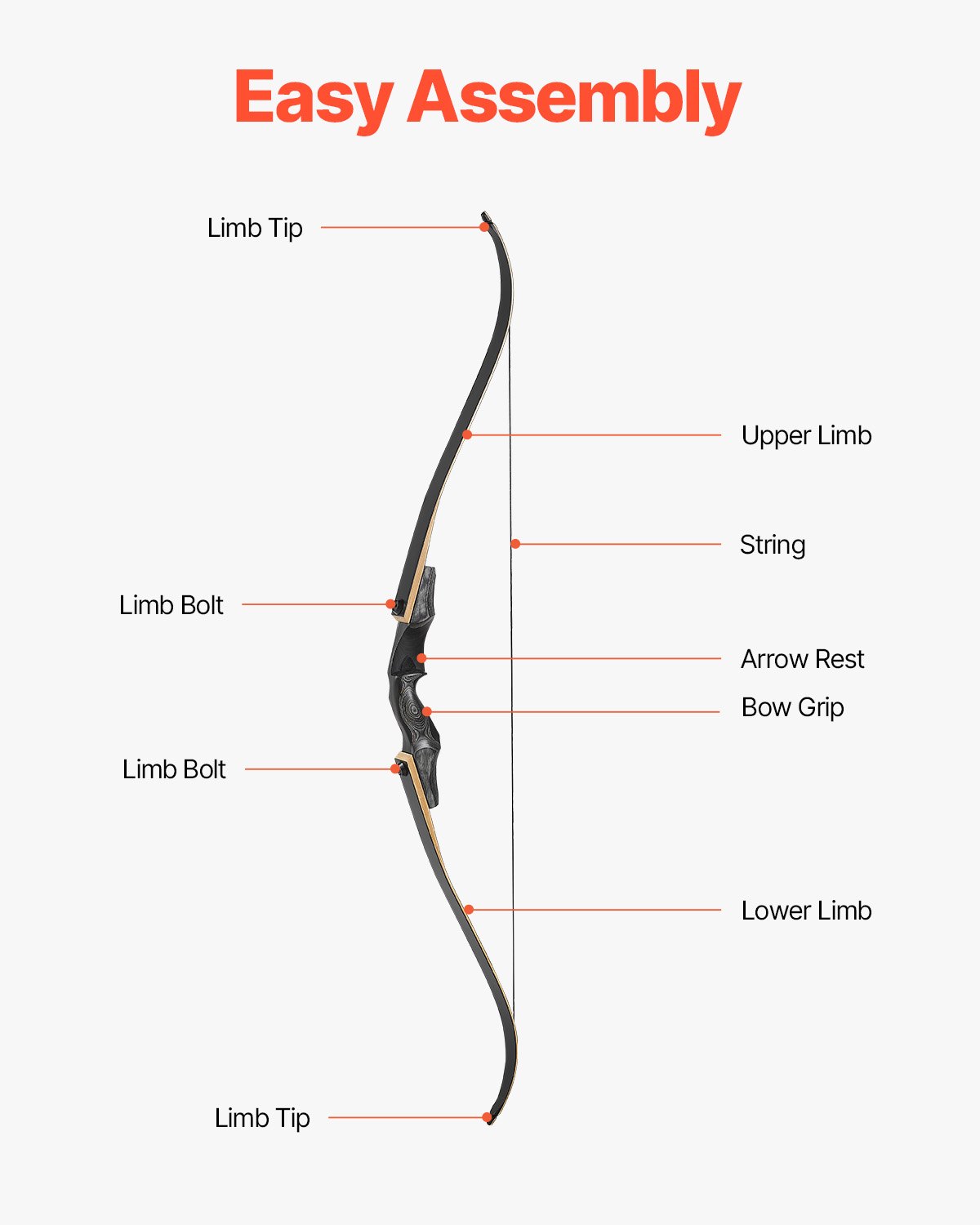
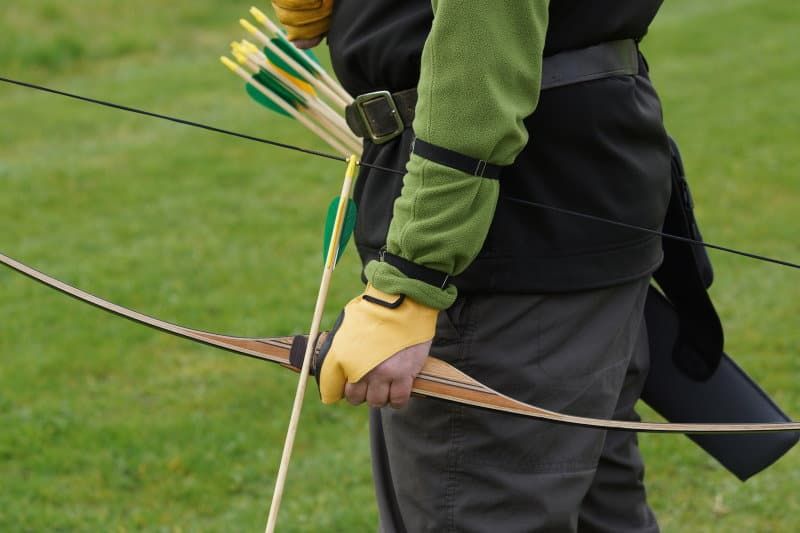
Traditional setups run Dacron and last for years. Modern materials demand more attention.
Sources
- World Archery — Archery 101: How to Wax a Bowstring — The international federation’s maintenance reference for serving care, waxing frequency, and string inspection.
- Bowhunter Magazine — When to Replace Your Bowstring — Long-form replacement survey covering shot count benchmarks and shop intervals.
- Archery Trade Association — Industry body publishing safety briefings on string-related injury prevention.
- Bohning Archery — Bowstring Wax Reference — Manufacturer guidance on application frequency and wax chemistry.
Browse archery bows, arrows, and accessories at the Archery Supplier shop →
