
Archery Blog
Bowstring Material Guide: Dacron vs Fast Flight
Jul
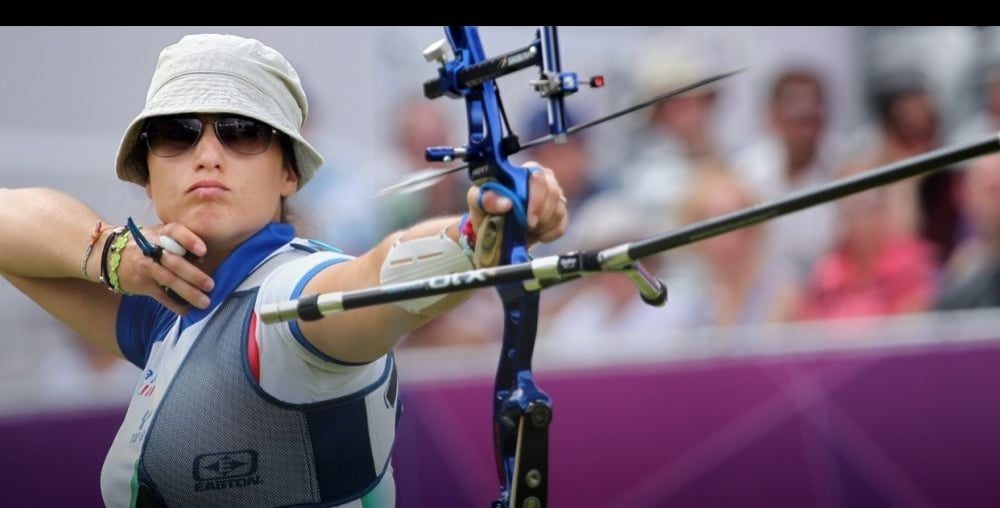
On a modern recurve, the bowstring material does more work than most archers realize.
A cheap bowstring will cost you more than an expensive one. Snap a string mid-draw on a recurve that isn’t rated for a low-stretch material and you can split a limb tip that cost ten times what the string did. That single fact is why bowstring material is worth ten minutes of reading before you click “add to cart.” The string is the one component that touches every shot, wears out on a schedule, and quietly decides how fast, how quiet, and how consistent your bow is.
There are really only two families of material you need to understand, plus a handful of strand-count and serving decisions that ride on top of them. Get the material right and everything downstream — tuning, arrow flight, brace height stability — gets easier.
What Bowstring Material Actually Does
Every time you draw, the string stores the energy your muscles put into the limbs and then dumps it into the arrow at release. The material determines how much of that energy survives the trip. Two properties do almost all the work: stretch and creep.
Stretch is the temporary elasticity — how much the string lengthens under load and springs back. Creep is the permanent version — how much the string slowly, irreversibly lengthens over hundreds of shots. Dacron has plenty of both. High-performance strings have almost none. That difference is the entire debate, and it explains why one material can feel like a rubber band and another like a steel cable.
Less stretch means more of your draw energy reaches the arrow, which shows up as arrow speed — often 5 to 10 feet per second between an identical bow strung with Dacron versus a modern HMPE string. Less creep means your brace height and tuning stay put instead of drifting after every shooting session.
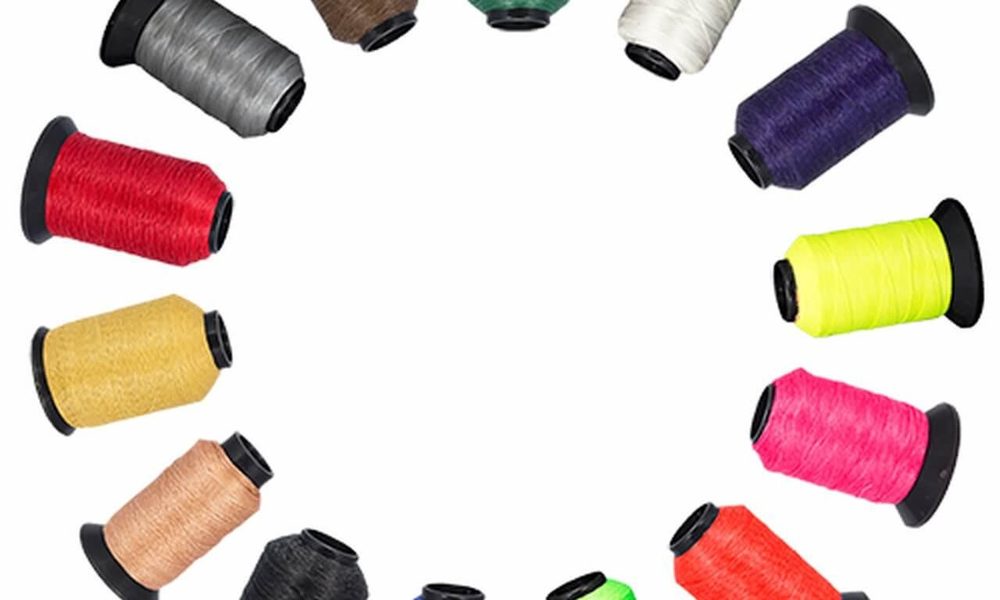
Bowstring material comes on spools of individual strands, twisted together to build a finished string.
Dacron (B50/B55): The Forgiving Classic
Dacron is polyester, and it has been the default traditional bowstring since the 1950s. BCY B50 and its more consistent cousin B55 are the two names you’ll see most. It stretches — roughly 2.6% under load — and that stretch is the whole point. The give acts like a shock absorber, cushioning the limbs at the moment of release.
That cushioning is why every reputable seller ships wooden longbows, older recurves, and entry-level takedown bows with a Dacron string. Vintage limbs and glued-tip designs were never engineered for a string that refuses to stretch, and forcing a low-stretch string onto them is how tips crack. Dacron is also cheap, easy to make, and shrugs off abuse from beginners who drop their bows in the dirt.
The trade-offs are speed and consistency. That same forgiving stretch bleeds energy the arrow never sees, and it means your brace height wanders more between tuning sessions. For a beginner learning form, none of that matters. For a target archer chasing tens, it does.
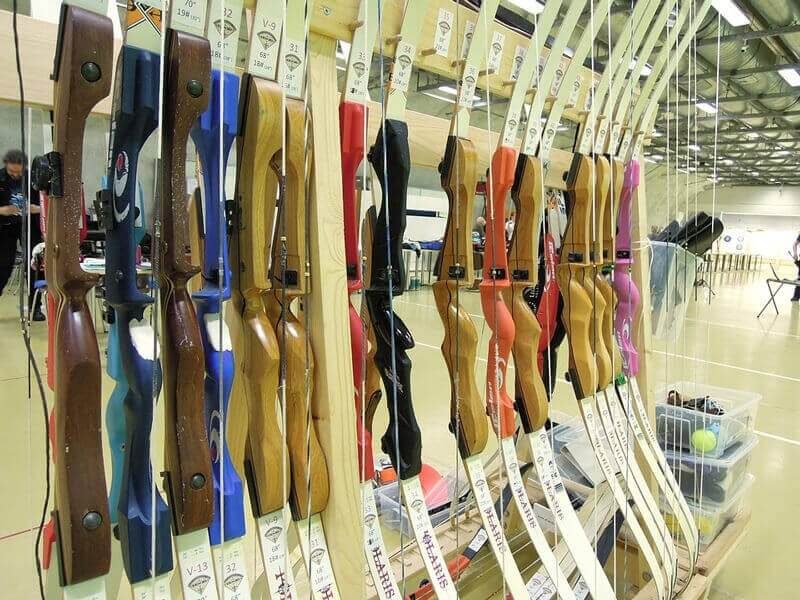
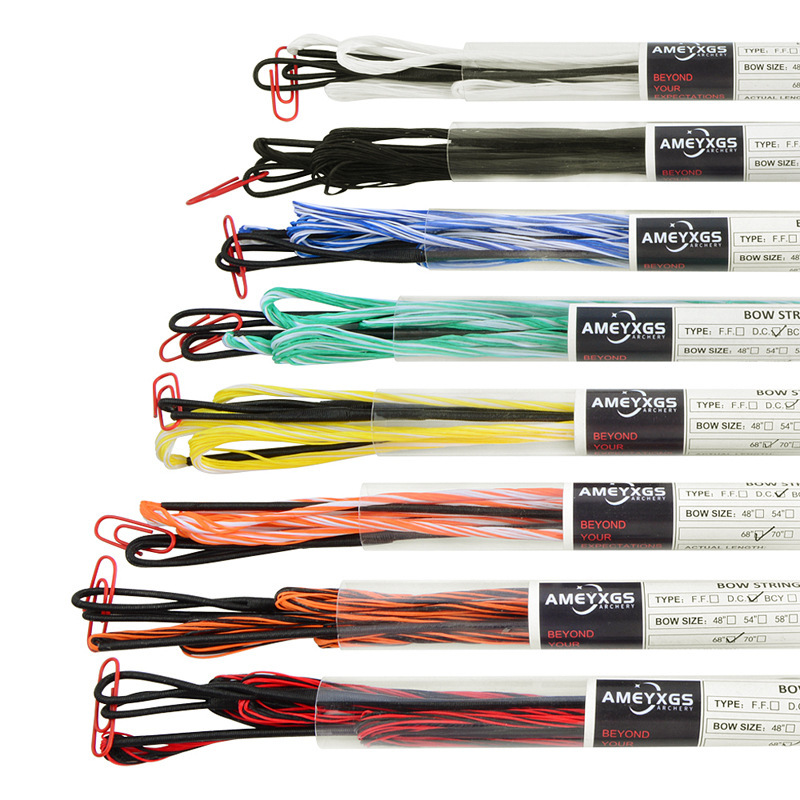
A tournament rack of strung recurves — the string on each was chosen to match its limbs.
Fast Flight and HMPE: The Performance Strings
“Fast Flight” started as a specific product name and became shorthand for an entire category: strings built from HMPE — high-modulus polyethylene, sold under trade names like Dyneema and Spectra. Modern blends such as BCY 8190, 452X, and Trophy add a second fiber (often a liquid-crystal polymer called Vectran) to kill creep while keeping stretch near zero.
These strings barely move. Stretch runs well under 1%, and good blends creep so little you can shoot a season without re-tuning brace height. You get faster arrows, a firmer back wall on a compound, less string noise, and tuning that holds. Every modern compound bow ships with an HMPE string because the cam system was designed around exactly that behavior.
The catch is the reason Dacron still exists: a string that won’t stretch transmits the full shock of release straight into the limb tips. Put one on a bow with an unreinforced tip and you invite a crack or an outright limb failure. The rule is simple — only use an HMPE string if your bow’s manufacturer says the limbs are Fast Flight compatible. Most recurves made in the last two decades are; most wooden longbows and budget beginner bows are not.
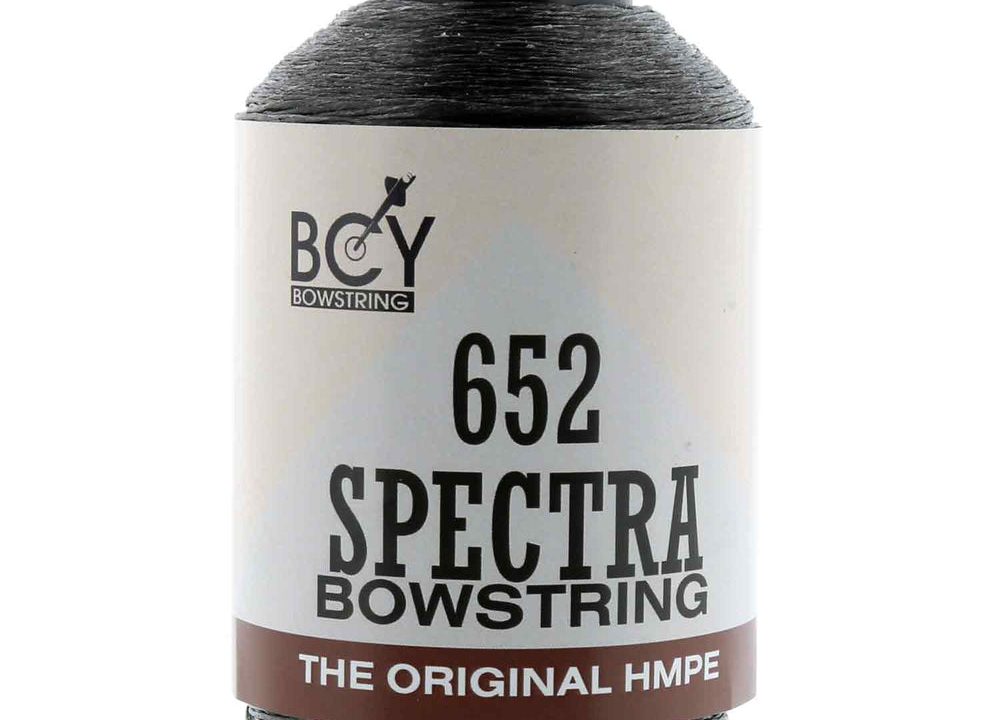
BCY 652 Spectra — the HMPE material that made the “Fast Flight” name a category.
Dacron vs Fast Flight: The Honest Comparison
Neither material is “better.” They solve different problems. Here’s how they stack up on the factors that actually change your shooting.
| Factor | Dacron (B50/B55) | HMPE / Fast Flight |
|---|---|---|
| Stretch | High (~2.6%) | Very low (<1%) |
| Arrow speed | Slower | 5–10 fps faster |
| Creep / tuning stability | Drifts more | Holds tune |
| Limb stress | Gentle | High — needs rated limbs |
| Best for | Longbows, vintage & beginner recurves | Modern recurves, all compounds |
| Price | Cheapest | Moderate |
The pattern is clear once you see it laid out: Dacron trades performance for safety and cost, HMPE trades cost and forgiveness for speed and stability. Where you land depends entirely on the bow underneath the string.
Which Bowstring Material Should You Choose?
Start with your bow, not your goals. The limbs set the ceiling, and no amount of wanting more speed makes an unrated wooden longbow safe with a low-stretch string.
Wooden longbow or vintage recurve: Dacron, no debate. The tips were never built for anything else. Beginner takedown recurve: Dacron for now — it’s forgiving while you learn, and it’s what the bow shipped with. Modern recurve rated for Fast Flight: an HMPE string is a genuine upgrade in speed and consistency, and it’s the standard choice for Olympic-style shooters. Any compound: HMPE is the only correct answer; the cams were engineered for it.
If you own an older bow and can’t find its rating, call the maker or default to Dacron. The downside of an unnecessary Dacron string is slightly slower arrows. The downside of the wrong Fast Flight string is a destroyed limb. That’s not a close call. If you’re still deciding between bow styles entirely, our recurve vs compound comparison covers how each platform handles strings differently.
Strand Count: The Setting Most Archers Ignore
Material is half the decision; strand count is the other half. A string is a bundle of individual strands, and how many you twist together changes both durability and speed. More strands mean a thicker, tougher, slightly slower string. Fewer strands mean a thinner, faster string that wears out sooner.
Dacron strings typically run 12 to 16 strands because the fiber is thinner and needs the bulk to handle draw weight safely. A 16-strand Dacron string is a sensible, durable default for most recurves up to 45 pounds or so. HMPE strings use far fewer — often 14 to 18 for a lighter fiber, but the material is so strong that even a thin string handles heavy weight.
The number that has to match is nock fit. The string has to sit snugly in your arrow nocks without pinching or falling off, and serving thickness plus strand count controls that. If you switch material or strand count, expect to re-check nock fit before you trust the setup.
How Long Does a Bowstring Last?
A well-maintained string is good for roughly 1,500 to 2,000 shots, or about a year of regular practice, whichever comes first. HMPE strings often outlast that; abused Dacron strings die sooner. The material doesn’t so much snap without warning as tell you it’s dying: fuzzing, broken strands in the serving, a brace height that keeps dropping no matter how you twist it.
Waxing is what stretches that lifespan. A string is dozens of fibers rubbing against each other every shot, and wax keeps them bonded and sealed against moisture. A dry, fuzzy string is a string wearing itself out from the inside. Run a bar of string wax down the string every few hundred shots and work it in with your fingers. For the full routine, see our bow maintenance guide.
Serving: The Wear Layer That Protects the Material
The serving is the tight wrap of thread around the center of the string and around each loop. It’s a sacrificial layer — it takes the abrasion from your release, your nocks, and the string groove so the load-bearing strands underneath stay intact. Center serving wears first because that’s where the arrow nock and your fingers or release live.
When serving separates or starts to unravel, you don’t necessarily need a whole new string — but you do need to fix it before a strand slips and your nock point moves. A shifting nock point quietly wrecks arrow flight. If you’re setting up a fresh string from scratch, the interface between serving, nock point, and D-loop is worth getting right the first time.
Common Bowstring Material Mistakes
The expensive errors cluster around a few predictable places. The worst is putting a Fast Flight string on limbs that aren’t rated for it — covered above, but worth repeating because it’s the one that breaks bows. Close behind is buying purely on advertised speed. A string that adds 8 fps but chews through your limb tips or won’t hold tune isn’t a bargain.
The quiet, everyday mistake is neglect. A string that never gets waxed will fuzz, fray, and fail in a fraction of its rated life regardless of what it’s made of. And skipping brace height re-checks after a new string — especially a low-creep HMPE string that’s still settling in its first hundred shots — leaves free accuracy on the table. Twist the string to bring brace height into your bow’s spec and your groups tighten with no other change. New to stringing entirely? Start with our guide on stringing and unstringing a recurve safely.
The Bottom Line on Bowstring Material
Buy the string your bow was built for, then buy wax and use it. A rated modern recurve or any compound wants a low-stretch HMPE string for the speed and the tuning stability; a longbow, a vintage recurve, or a beginner’s first takedown wants Dacron for the forgiveness. The fastest string on the shelf is the wrong string if your limbs can’t take it — and the only way to know is to check your bow’s rating before you order. Get that one decision right and the string becomes the last thing you have to think about.
Sources
- Lancaster Archery Supply — technical guides on string materials and bow setup
- Bow International — engineering background on how strings interact with cams and limbs
- 60X Custom Strings — BCY B55 Dacron material specifications
