Quick Answer: Arrow spine is the stiffness of your arrow shaft — how much it bends when force is applied. It matters because an arrow that flexes too much or too little on release won’t clear the bow cleanly, sending your groups left or right no matter how good your form is. Match spine to […]
Tag Archives: arrow tuning
Quick Answer: To choose arrows for a recurve bow, match arrow spine (stiffness) to your draw weight and draw length using a manufacturer spine chart, then set arrow length about 1–2 inches past your draw. Beginners do well with 500–600 spine aluminum or carbon arrows in the 26–29 inch range. Spine is the single most […]
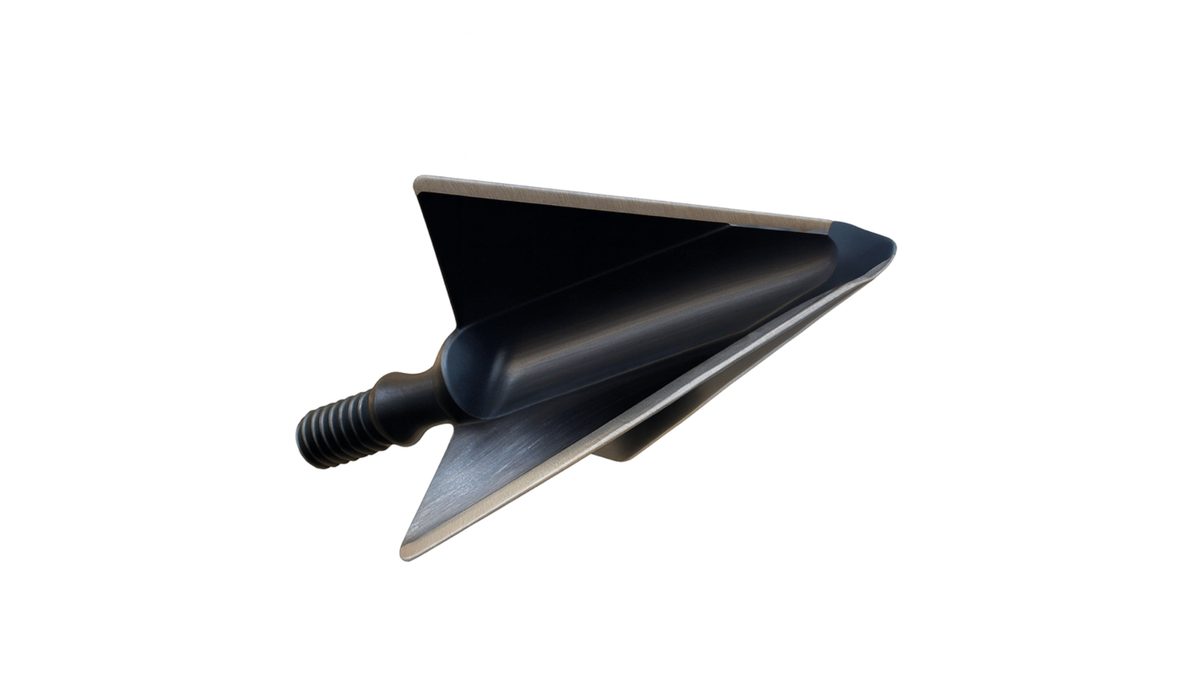
How broadhead grain weight affects arrow speed, FOC, and penetration — and how to choose between 100 and 125 grain heads for your setup.
Bare shaft tuning shows you exactly what your bow is doing wrong. Follow these 7 steps to read the results and get perfect arrow flight and broadhead accuracy.
Quick Answer: Cut arrows to length by matching your shaft to your draw length, usually adding about 1 inch past the front of the riser at full draw so the point clears the rest. Mark the cut with tape, use an abrasive arrow saw for carbon and a tube cutter for aluminum, and trim in […]
Arrow weight and FOC aren’t separate settings — they pull against each other. Here’s how mass and forward balance work together to shape speed, penetration, and forgiveness.
Total arrow weight and FOC decide how deep an arrow drives and how forgiving it flies. Here’s how balance point works, how to calculate it, and how to tune it.
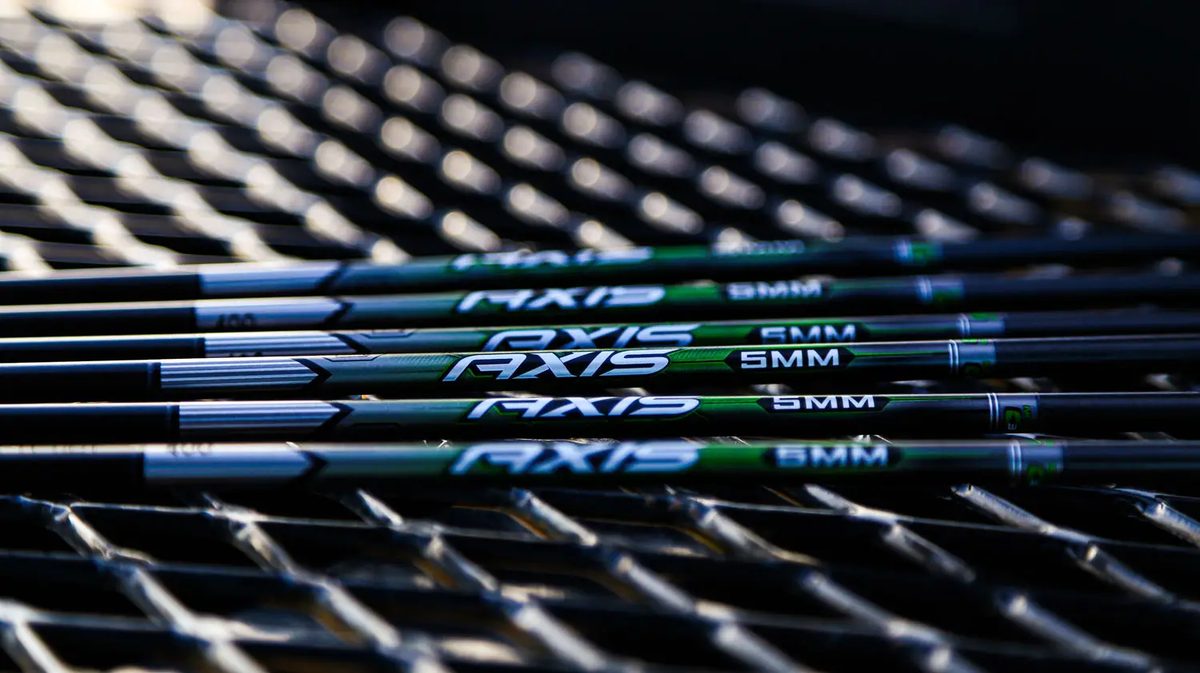
Quick Answer: Arrow spine is the stiffness of your arrow shaft, written as a number like 340 or 500 — the lower the number, the stiffer the arrow. To choose the right spine, match your bow’s actual draw weight and your arrow length (not draw length) against a manufacturer’s spine chart, then adjust for point […]
Quick Answer: The archer’s paradox is the fact that an arrow flies straight to the target even though, at full draw, it points slightly off to the side of the bow. It works because the arrow shaft bends and flexes as the string releases, wrapping around the riser and snapping back onto the intended line […]
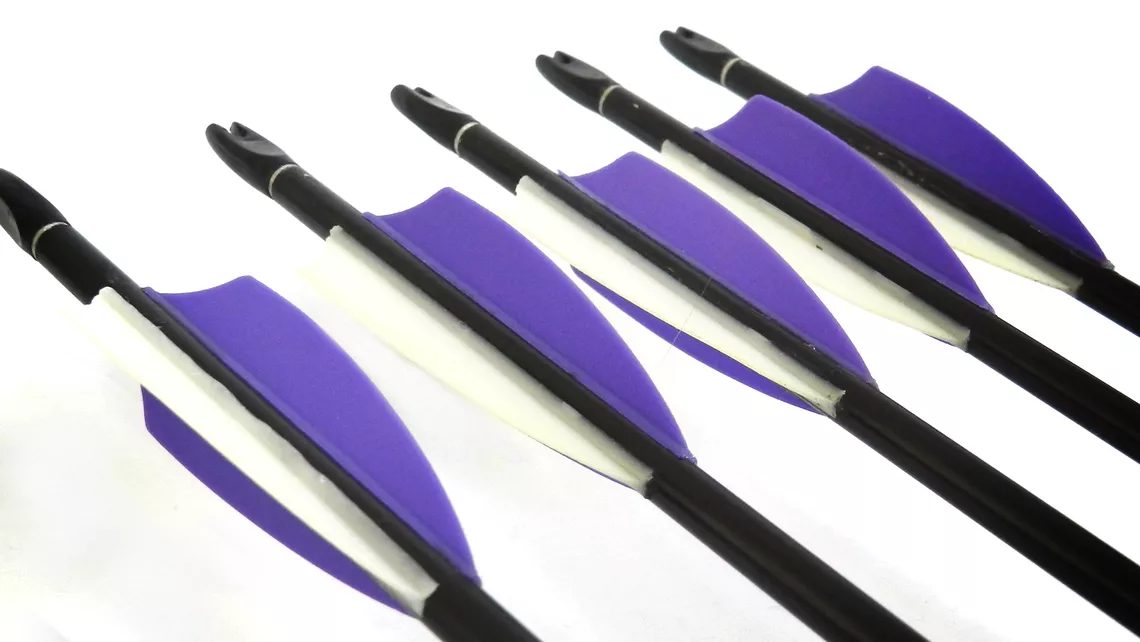
Feather or vane? Four inches or two? This guide breaks down fletching types and sizes so you can match the right steering to your arrows, your bow, and your shot.