
Archery Blog
Why Arrows Go Left: 7 Causes and Proven Fixes
Jul
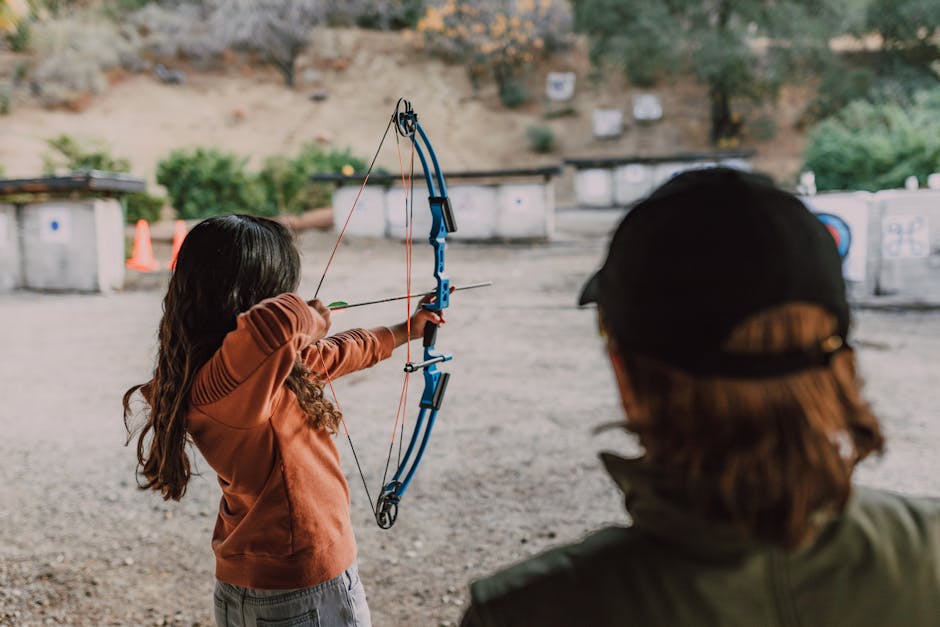
Put ten arrows into a target and watch where they land. If they keep drifting to the left of where you aimed, you are not unlucky — you have a repeatable error, and repeatable errors are the easy ones to fix. For a right-handed shooter, a left-hitting group is the single most common miss in archery, and roughly nine times out of ten it traces back to the bow hand or the release hand rather than the bow itself. This guide walks through why arrows go left, how to tell your cause apart from the others in about five minutes, and the order to fix them in so you are not chasing your tail.
Why Arrows Go Left (or Right) in the First Place
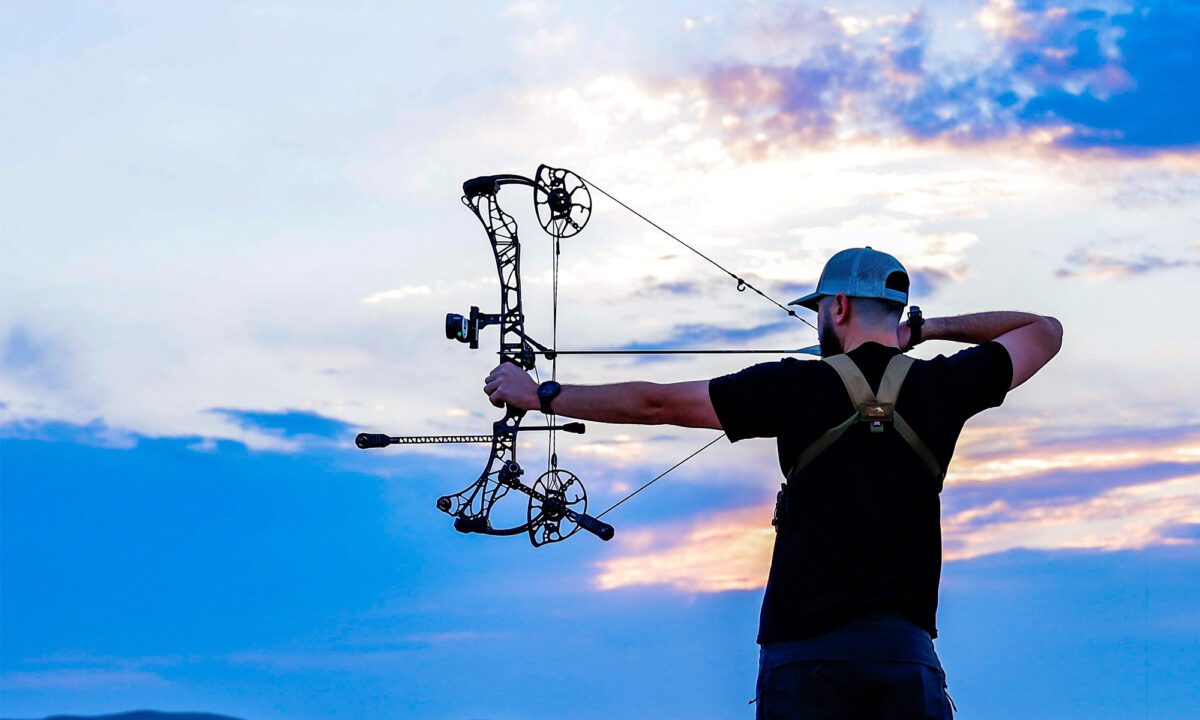
Every arrow leaves the bow in the direction the string and your hand send it during the last fraction of a second before release. That window is tiny — a few milliseconds — but it is long enough for a twitch in your grip or a sideways tug on the string to steer the shaft. A right-handed archer holds the bow in the left hand and draws with the right, so sideways errors from that right hand tend to throw arrows left. Flip everything for a left-handed archer: the same mistakes send arrows right. That handedness rule is the fastest way to sanity-check any diagnosis below.
Here is the honest part most beginners do not want to hear: buying a new sight or a fancier rest almost never fixes a left group on its own. The equipment causes are real, but they are usually the last 10%. Start with your hands. It costs nothing and it is where the problem lives.
Cause 1: Bow-Hand Torque
This is the big one. Torque is any twist you put into the bow with your bow hand, and even a few degrees of it turns the riser just enough to push the arrow off line. Most archers do it by gripping too hard — wrapping the fingers around the riser and squeezing at the shot — or by letting the wrist roll inward at the last second. A tense hand cannot be tense the exact same way twice, so torque shows up as a group that sits left and sprays wider than it should.
The fix is counterintuitive: relax, do not tighten. Let the bow sit in the meaty pad at the base of your thumb, keep your fingers loose or off the riser entirely (a sling catches the bow after the shot), and let the wrist stay neutral. Kaminski Archery puts it bluntly — consistency comes from a relaxed hand you can repeat, not a hard grip you have to manufacture every time. If you shoot a compound and feel your palm heel drive in as you aim, that is torque you can feel building.
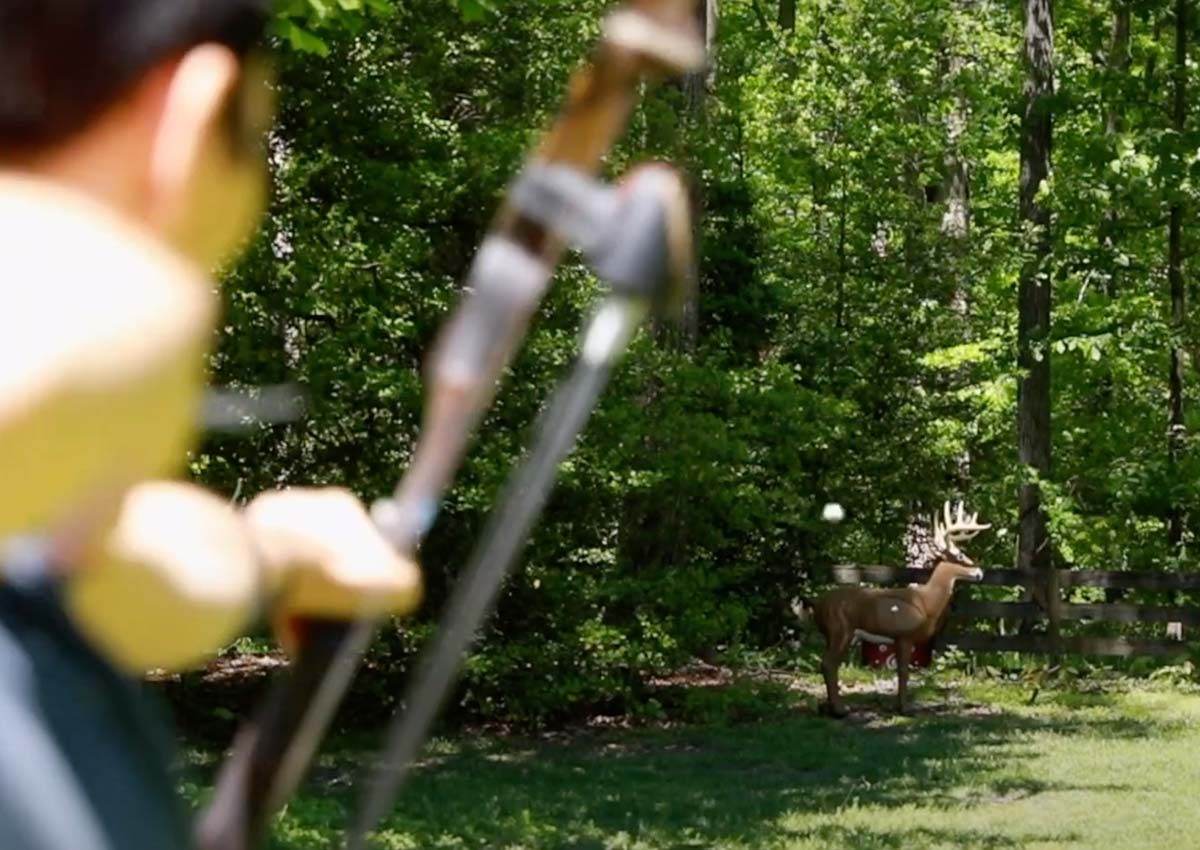
Olympic silver medalist Jake Kaminski on the grip habit that sends arrows left.
Cause 2: Plucking the String on Release
Watch your draw hand at the moment of release. If it flies out to the side — away from your face, elbow leading — you are plucking. Plucking drags the back of the arrow sideways as it leaves, and for a right-hander that points the nock right and the point left. A clean release does the opposite: the hand relaxes and moves straight back along the neck, staying in contact with the face until the string is gone.
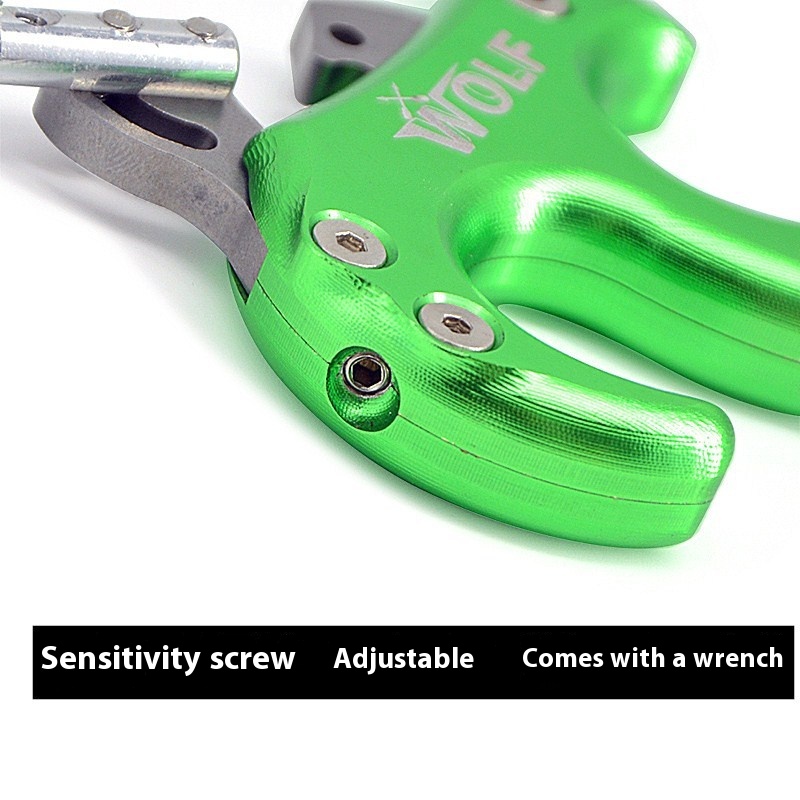
Recurve archers fix this with back tension — loading the shot into the back muscles so the release becomes a relaxation rather than a yank. It is worth drilling on its own; our guide to back-tension archery breaks the motion down step by step. Compound shooters usually pluck because they are punching the trigger. A mechanical release aid with a crisp, surprise break takes the finger-panic out of the shot.
Cause 3: A Collapsing Bow Arm
Your bow arm should stay pointed at the target through the shot and for a beat after. When it collapses — drops or drifts inward the instant you release — the bow rotates and the arrow follows it off line. For a right-hander a collapsing front arm typically drifts the bow to the right, which throws the arrow left. The tell is easy to spot on video: the bow hand ends up in front of your chest instead of still reaching toward the target.
Hold your follow-through. Freeze the bow arm out toward the target until the arrow lands, every single shot. It feels exaggerated at first, but a strong, quiet front side is what lets everything else stay repeatable.
Cause 4: An Inconsistent Anchor Point
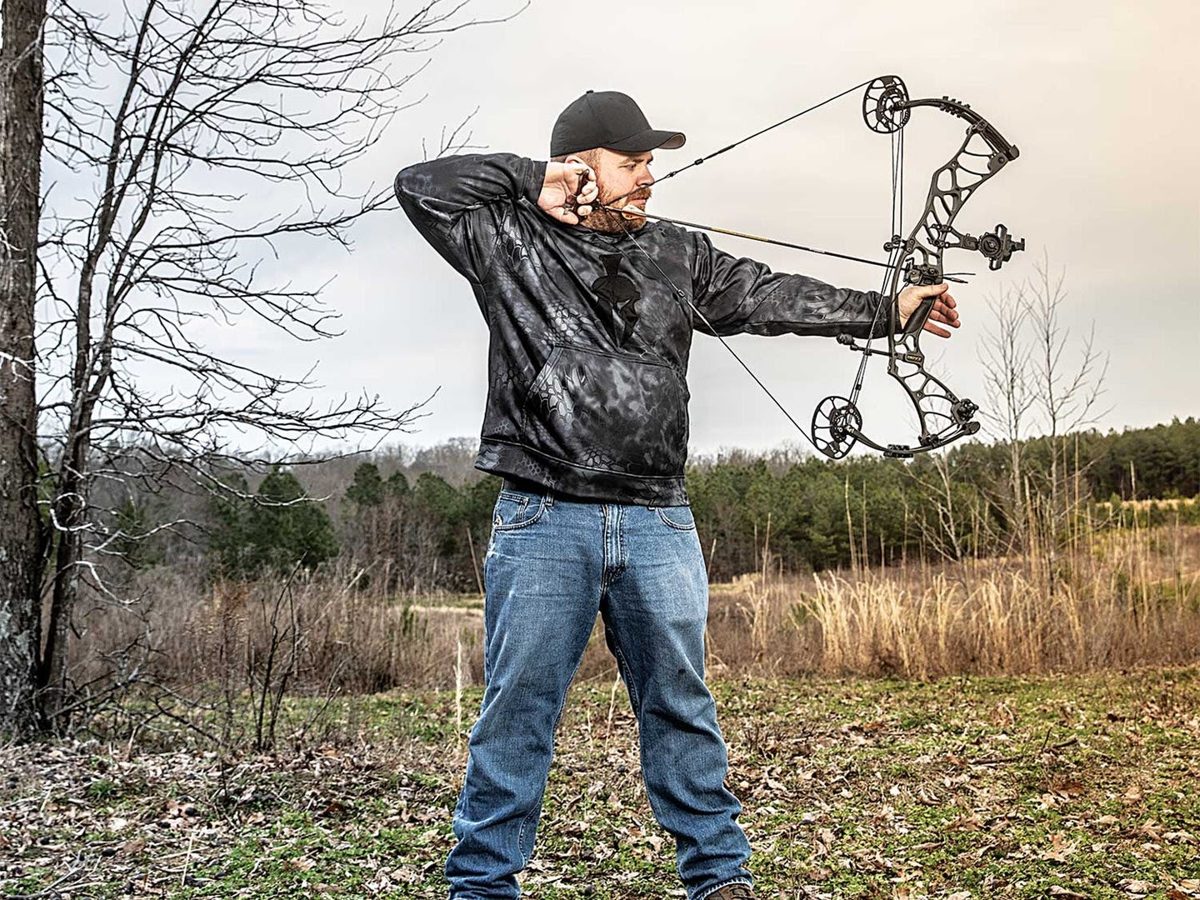
Your anchor is the reference that makes every shot the same — the string touching the same spot on your chin, lips, and nose, the hand landing in the same place under the jaw. If that anchor floats left or right between shots, your rear sight is effectively moving, and the arrows move with it. A high or loose anchor is a quiet cause of left-and-right scatter that people blame on their grip for weeks.
Pick one anchor and make it non-negotiable. Same knuckle under the same part of the jaw, string touching the tip of the nose, every time. Six of the world’s best recurve archers anchor slightly differently from one another — the point is not which anchor you choose, it is that you use the same one on every arrow.
Cause 5: Your Arrow Spine Is Wrong
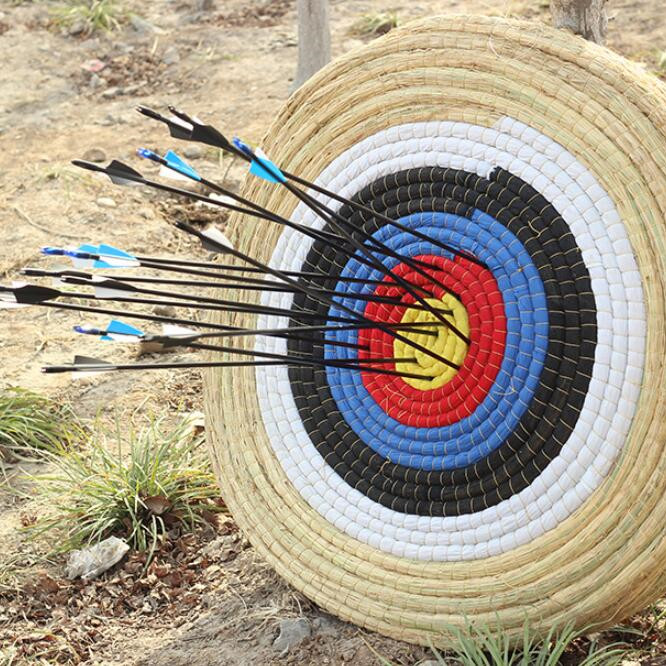
Now we move from the archer to the gear. Spine is the stiffness of the arrow shaft, and it decides how the arrow flexes around the riser as it launches — the archer’s paradox. An arrow that is too stiff for your draw weight will not flex enough to clear cleanly and tends to hit left for a right-hander; too weak and it over-flexes and hits right. If your form checks out but the group is stubbornly parked to one side, spine is a prime suspect.
Match the shaft to your actual draw weight and arrow length before blaming yourself further. Our breakdown of arrow spine and accuracy shows how to read a spine chart, and a set of consistent, straight practice shafts removes the “is it me or the arrow” question entirely.
Cause 6: Arrow Rest and Centershot Out of Tune
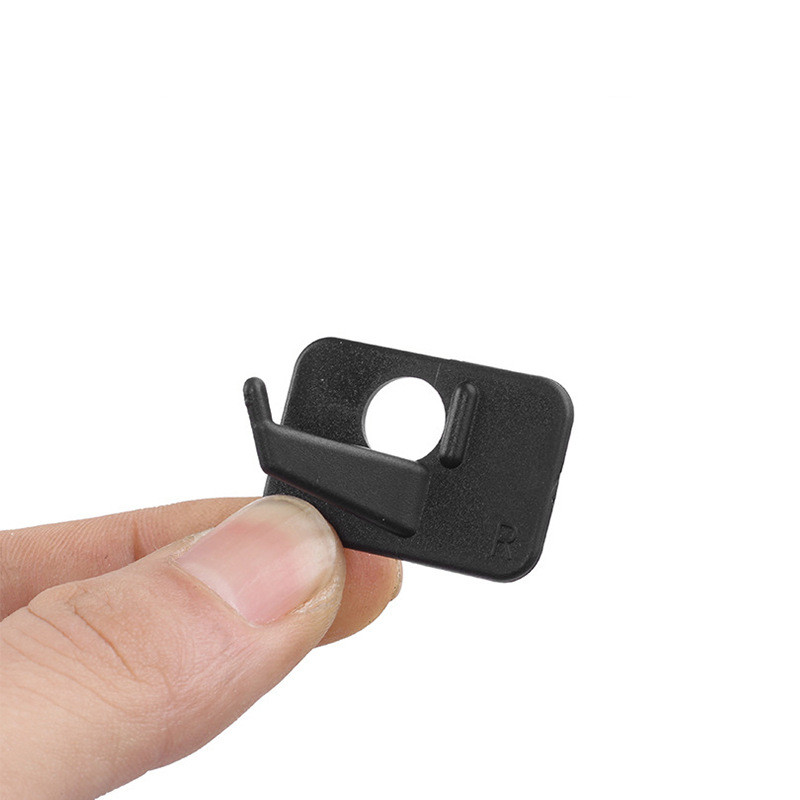
Centershot is where your arrow sits left-to-right relative to the string. If the rest pushes the arrow even a millimeter off center, every shot inherits that error — a constant left or right bias no amount of good form will erase. This is the one equipment cause that produces a tight group in the wrong place rather than a scattered one, which is actually good news: a tight group off to the side almost always means tuning, not technique.
Confirm it with a bare-shaft test. Shoot a fletched arrow and an unfletched one at the same spot; if the bare shaft lands well left of the fletched group, adjust the rest a hair right and repeat. The full method is in our guide to bare-shaft tuning. A rest that adjusts cleanly for windage makes this a two-minute job instead of a guessing game.
Cause 7: Wind, Stance, and Aiming Habits
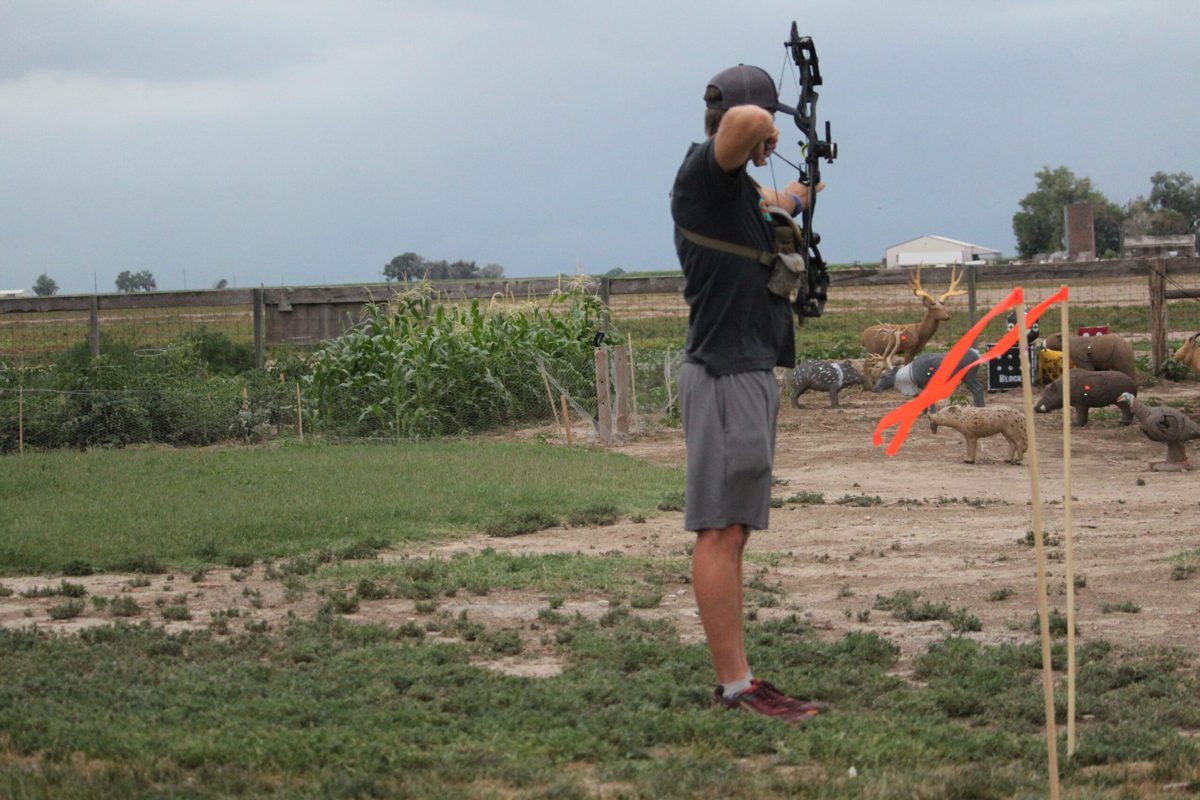
Not every left arrow is your fault. A steady crosswind from the right will walk a group left outdoors, and the lighter your arrows, the more it moves them. That is a wind read, not a form flaw — adjust your aim or your sight, do not rewrite your shot. Stance matters too: an open or closed stance that points your hips off the target line quietly biases where the bow settles.
There is also the mental version of a left miss. If you find yourself flinching or releasing early as the sight drifts near the middle, that is closer to target panic than to grip torque, and it needs a different fix — a blank-bale routine rather than a gear change. Rule out the wind and your stance before you decide the problem is inside your bow hand.
A Quick Left/Right Diagnosis Chart
Use this to narrow it down fast. Shoot a relaxed end of arrows, look at the pattern, then match it here before you change anything.
| What you see | Most likely cause | First fix to try |
|---|---|---|
| Left and scattered wide | Bow-hand torque | Relax the grip, add a sling |
| Left with draw hand flying out | Plucking the string | Back tension / surprise release |
| Left, bow arm ends up inside | Collapsing bow arm | Hold the follow-through |
| Tight group, parked left | Centershot / spine | Bare-shaft test, adjust rest |
| Left only outdoors | Crosswind | Read wind, hold off |
How to Fix Arrows Going Left: A 5-Minute Drill
Stand close — five or six yards from a blank bale with no target face, so you are not tempted to aim. Draw, anchor, and shoot with your eyes closed, paying attention only to the feel of a loose bow hand and a release that runs straight back along your neck. Do that for two dozen arrows. Stripping the target away removes the aiming panic that hides your real form, and most archers feel the torque or the pluck disappear within a session.
Then put a face back up and shoot an honest end. If the group has centered, it was your hands. If it is still parked left in a tight cluster, it is tuning — go run the bare-shaft test. When you are not sure what you are looking at, film yourself from behind or ask a coach to watch one end; a second set of eyes catches a collapsing arm in seconds.
Notes for Left-Handed and Compound Archers
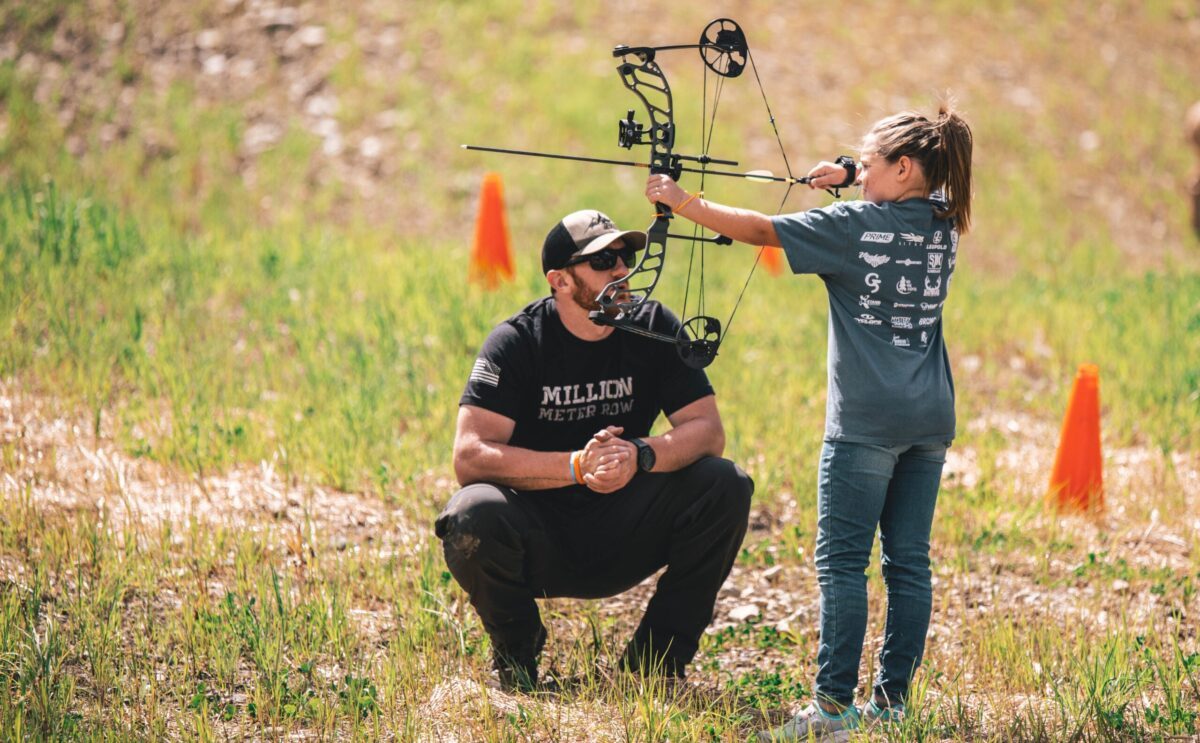
Everything above assumes a right-handed shooter. If you are left-handed, simply mirror it: the same torque, plucking, and collapsing-arm errors that push a righty left will push you right. The causes and the fixes are identical — only the direction flips.
Compound archers get a few extra suspects. A poorly set nocking point or cam timing that is out can throw arrows sideways, and a release aid you punch will pluck just as badly as fingers do. But the first move is the same as it is for everyone: check that your bow hand is loose and your front arm holds through the shot. Compare a stubborn left group against our rundown of common beginner archery mistakes to rule out the obvious before you break out the bow press.
Get Your Arrows Back to Center
Work the list in order and you will almost never need step five. Loosen the bow hand, clean up the release, hold the follow-through — that trio fixes the vast majority of left-hitting groups without touching a single Allen key. Only when a tight group refuses to move do you reach for the rest and the spine chart. Start your next session at the blank bale, feel the shot instead of aiming it, and let the group tell you what it needs.
Sources
- Kaminski Archery — Diagnosing Your Groups: Why Arrows Land High, Low, Left, or Right — how group location maps to form and tuning errors.
- Archery 360 — How to Fix Common Archery Issues — USA Archery-affiliated breakdown of grip, release, and bow-arm faults.
- Archers Hub — Why Your Arrows Drift Left or Right — torque and spine causes explained.
- Bowhunter — How Do I Fix Bow Torque? — grip pressure and hand placement for compound shooters.
