Archery Blog
Field Points vs Broadheads: When to Switch and Why
Jul
You’ve spent the summer stacking field points in a fist-sized group at 40 yards. Then you screw on a broadhead for your first pre-season session and your arrows start hitting six inches to the left. Every bowhunter faces this moment. It isn’t bad luck — it’s physics, and understanding why it happens is the difference between confident broadhead accuracy and hunting season frustration.
What Makes Field Points and Broadheads Different
At their core, these two arrow tips share one spec: weight. Both are typically available in 100-grain and 125-grain versions, and matching that weight is the single most important rule when transitioning between them. Everything else about them is different.
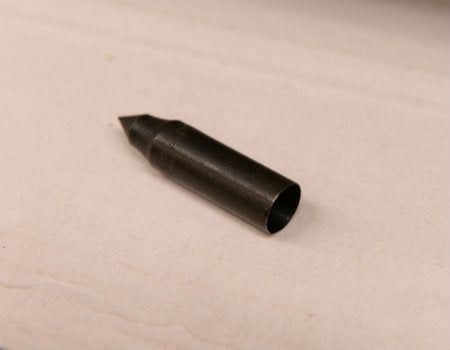
A field point is a narrow, bullet-shaped or pin-shaped tip that threads into your arrow insert. Its slim profile cuts cleanly through air with minimal drag, making it forgiving of minor bow imperfections. That’s what makes field points ideal for range practice — they hide a multitude of tuning sins. They also do almost no damage to foam or bag targets, which is why they’re standard for year-round practice.
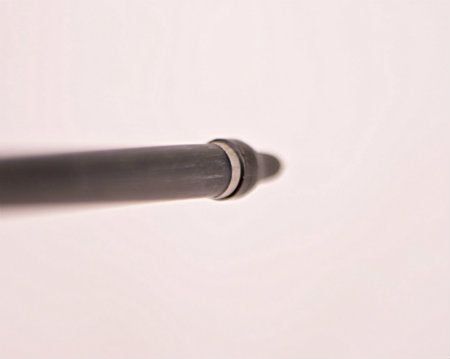
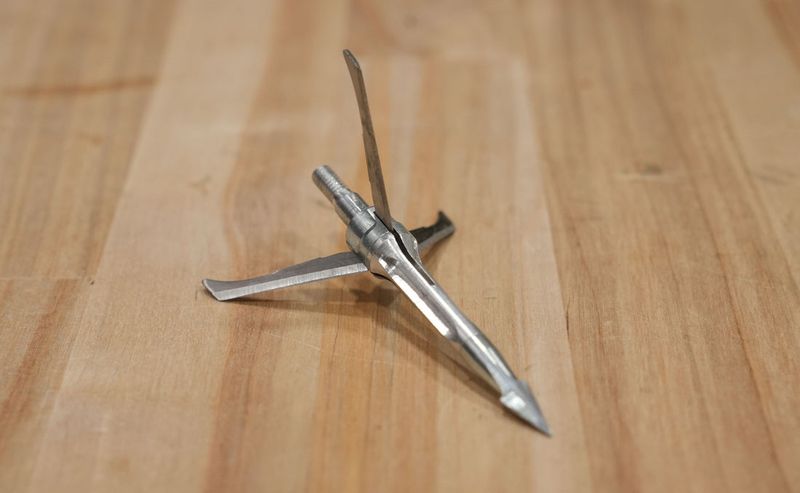
A broadhead is a different animal entirely. Its exposed blades — whether fixed or mechanical — give it a dramatically larger surface area. A standard 1 1/8-inch mechanical broadhead in flight looks very different from a 9/32-inch field point moving at the same speed. Those blades create drag, catch crosswind, and most critically, steer the arrow if it’s not leaving the bow in perfect alignment. On deer or elk, those blades are exactly what you want. On a paper target during practice season, they reveal every tuning problem you have.
Why Broadheads Hit in a Different Place Than Field Points
The core problem is what bowhunters call the “broadhead effect”: any deviation from a perfectly straight arrow delivery — even something imperceptible with field points — causes broadhead blades to act as steering surfaces. As Bowhunting.com explains, “the blades of the broadhead act like additional fletchings to steer the arrow” when the arrow exits the bow improperly aligned. Broadhead tuning experts at Bowhunting.com have measured impact shifts of up to two feet at 20 yards on severely mistuned bows.
The two main culprits are nock movement (left-right oscillation off the rest) and cam timing (cams that aren’t in sync create a rotational torque on the arrow). Your field points grouped fine because their narrow profile recovers quickly. Your broadheads caught that wobble and ran with it.
Wind planing adds a second layer. The larger the cutting diameter, the more the arrow drifts in a crosswind. This is one reason most experienced bowhunters prefer broadheads between 1 inch and 1 1/4 inch cutting diameter — large enough to be lethal, small enough to minimize the wind-planing effect that makes longer shots unpredictable.
Fixed Blade vs Mechanical: Which Flies Closer to a Field Point
The mechanical broadhead was invented largely to solve the flight problem. By keeping blades folded against the ferrule during flight, a mechanical head presents nearly the same profile as a large field point. Most mechanicals fly noticeably closer to field points than fixed blades do, which is why they’ve dominated the hunting market since the late 1990s.
That said, “closer” doesn’t mean “identical.” Mechanicals still add more total surface area than a field point, still have slightly more drag, and — at high kinetic energy levels needed for elk or black bear — can occasionally fail to deploy reliably. Lancaster Archery’s arrow point guide notes that arrows fly optimally between 270-280 feet per second, and heavy mechanicals require that speed range to open consistently.
Fixed blade broadheads are the honest test. A properly setup bow and arrow combination will shoot a fixed blade broadhead very close to a field point. If you can’t shoot fixed blades with the same accuracy as field points, your bow is telling you something. Many veteran bowhunters use fixed blades specifically for this diagnostic reason — if the bow is tuned, fixed blades shoot true. If they don’t, you have work to do before season.
How to Know If Your Bow Is Broadhead-Ready
The 60-yard test is the standard: shoot groups with field points, then shoot groups with your chosen broadhead at 60 yards. If your broadheads are landing within 2-3 inches of your field points at that distance, your bow is broadhead-tuned. At shorter ranges, the difference between a tuned and untuned bow is less visible — which is why many hunters false-confirm their setup at 20 yards and then miss at 40.
Before running the 60-yard test, work through these steps in order:
- Paper tune first — shoot through paper at 6 feet to diagnose tear shape. A perfect bullet hole means your arrow is leaving straight. Fix any tears before touching broadheads.
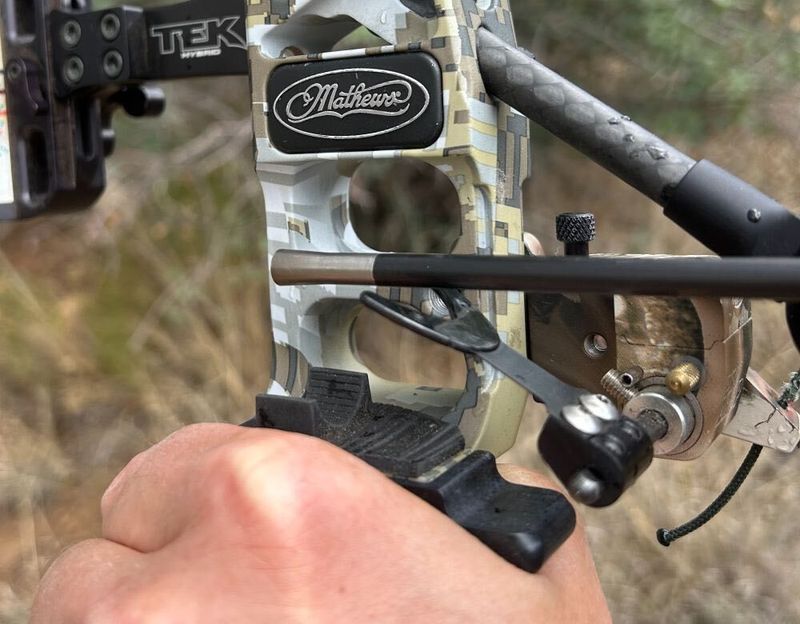
- Check centershot — on modern compound bows, centershot should be approximately 15/16 inch off the inside of the riser. Adjust your arrow rest laterally before broadhead tuning.
- Verify cam timing — cams that hit the limb stops at different times create rotational forces on the arrow that broadheads punish severely.
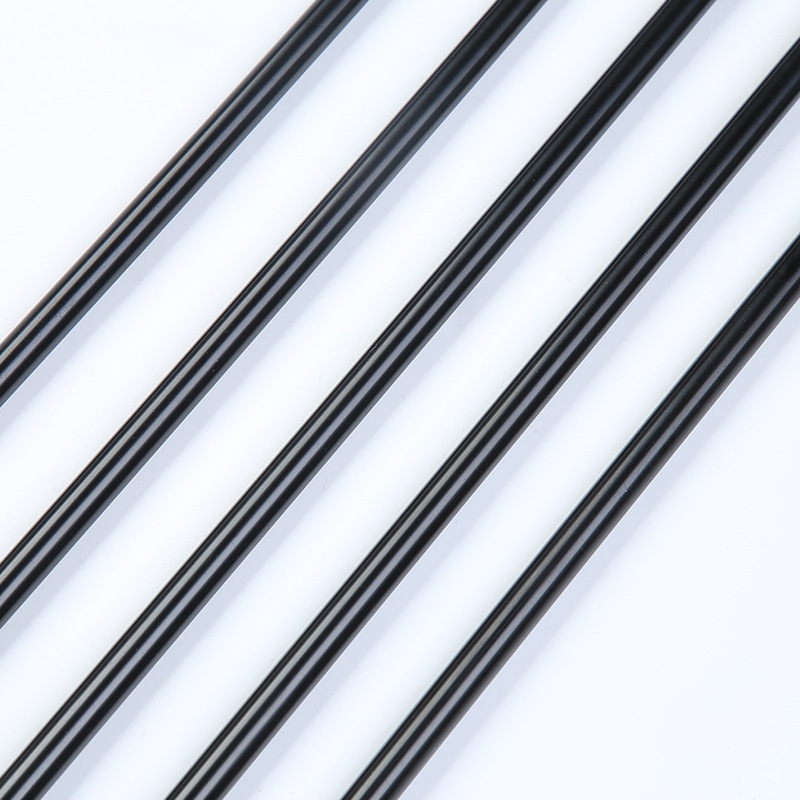
- Confirm insert integrity — a cracked or slightly off-axis insert can throw one arrow several inches from the group while the others hit true. Spin-test every arrow shaft before hunting season.
When to Make the Switch
Six weeks before your season opener is the standard recommendation — and it’s the right one. That window gives you enough time to discover problems, address them, and confirm the fix, while still shooting enough field point volume to maintain form muscle memory. Don’t wait until the week before season. Broadhead tuning issues always take longer to resolve than expected, and rushing means hunting with unverified equipment.
If you’ve bought a new bow or changed string sets since last season, add two weeks to that timeline. New strings stretch and cam timing can shift as they settle. Shoot at least 100 arrows through new strings before finalizing any tuning adjustments — the bow you tune on week one will not be the same bow you’re shooting on week three.
Also check your state’s broadhead regulations before settling on a head. Some states require a minimum cutting diameter (often 7/8 inch), some mandate specific blade configurations for certain species, and a handful restrict mechanical broadheads for traditional bowhunters. Know the rules before you buy.
Practicing with Broadheads Before the Season
Most hunters shoot field points 99% of the time and switch to broadheads just before opening day. That’s a mistake if you haven’t confirmed flight. Shoot at least 30-40 arrows with your actual hunting broadheads before tagging your tag. You’re not looking for tight groups at 10 yards — you’re looking to confirm that at 40+ yards, your broadheads are landing where your field points land.
A common shortcut is to use practice broadheads — dull versions of your chosen head that have the same weight and profile but won’t destroy a target on every shot. They’re a solid middle ground for high-volume practice. Just don’t skip shooting at least a dozen actual hunting heads to verify no inconsistency in blade deployment or tip alignment.
Your target matters too. Foam broadhead targets take blade hits far better than bag targets, which field points shred and broadheads simply tear apart. Invest in a quality foam target for pre-season broadhead practice. See also our guide on bowhunting shot placement — accuracy at 40 yards means nothing if you’re aiming at the wrong zone.
The Role of Fletching in Broadhead Accuracy
Fletching is your last line of defense against broadhead drift. Larger, higher-profile vanes spin the arrow faster, which means the broadhead stabilizes sooner after leaving the rest and corrects more quickly for any wobble. A 4-inch helical vane will handle broadhead flight problems that a 2-inch low-profile vane simply cannot correct.
If you’re using lightweight 2-inch speed vanes because you want every fps you can squeeze out, understand that you’re trading broadhead forgiveness for speed. With mechanical heads that fly like field points anyway, this is usually fine. With fixed blades, you want more fletching, not less. See our guide on how to fletch arrows for a complete walkthrough on fletching configuration.
Spin-testing is also worth doing twice a year — once at the start of field point season and again when you switch to broadheads. Attach a broadhead, hold the nock end, and spin the arrow. Any wobble at the tip is an insert issue, a broadhead alignment issue, or a bent shaft — all three of which will wreck your broadhead accuracy regardless of how well the bow is tuned.
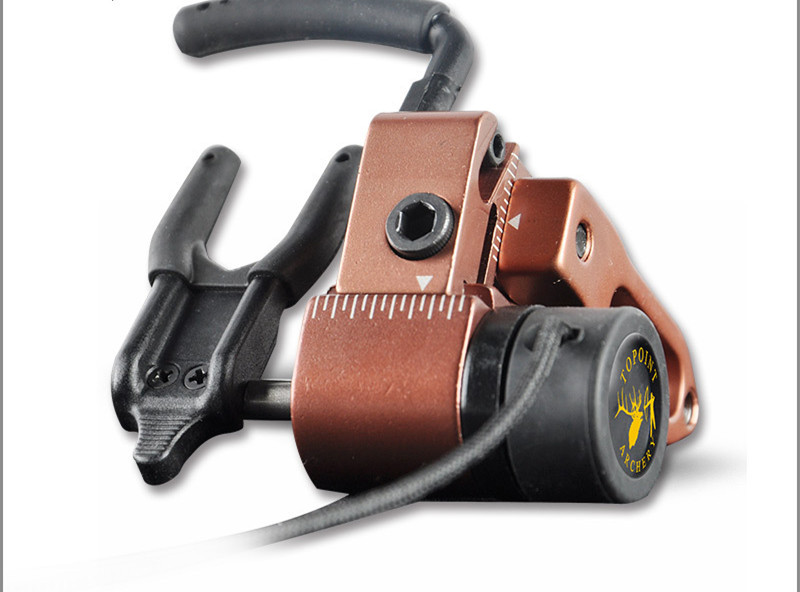
There’s one more equipment factor worth checking if your broadheads consistently hit different from field points even after paper tuning: your arrow rest. A drop-away rest eliminates vane contact entirely, removing one major source of broadhead flight inconsistency. If you’re running a fixed-blade rest with full-contact vane passage, your fletching may be nudging the broadhead slightly off axis before it fully clears. A quality drop-away rest solves that problem at the source and often brings broadhead groups into alignment without any other adjustment.
Get the tuning done before season, confirm it with broadheads at distance, and the switch from practice to hunting becomes just a screwdriver turn. That’s where you want to be on opening morning. For your next step, work through our arrow spine selection guide to make sure your arrow stiffness matches your setup — spine errors are the one tuning variable that neither field points nor broadheads can fully hide.
Sources
- Broadhead Tuning for Field Point Accuracy — Bowhunting.com — Technical overview of why broadheads fly differently and how to diagnose and fix bow tuning for hunting season.
- Basic Guide to Target Archery Arrow Points — Lancaster Archery Supply — Overview of arrow point types, weights, and selection criteria for target and hunting applications.
- Broadhead Hunting Regulations By State — Wasp Archery — State-by-state breakdown of broadhead legal requirements for bowhunting.
