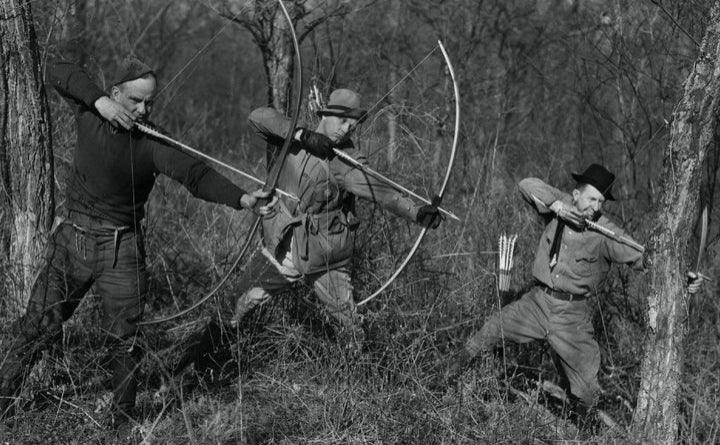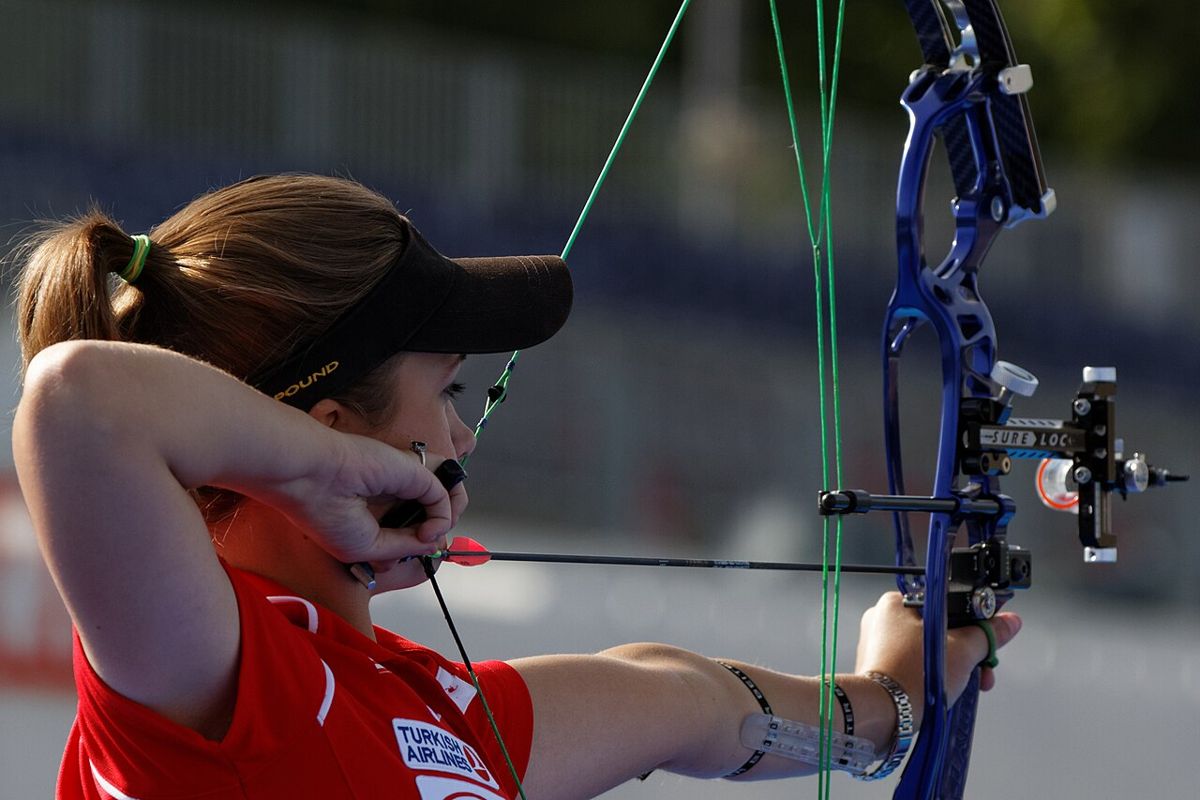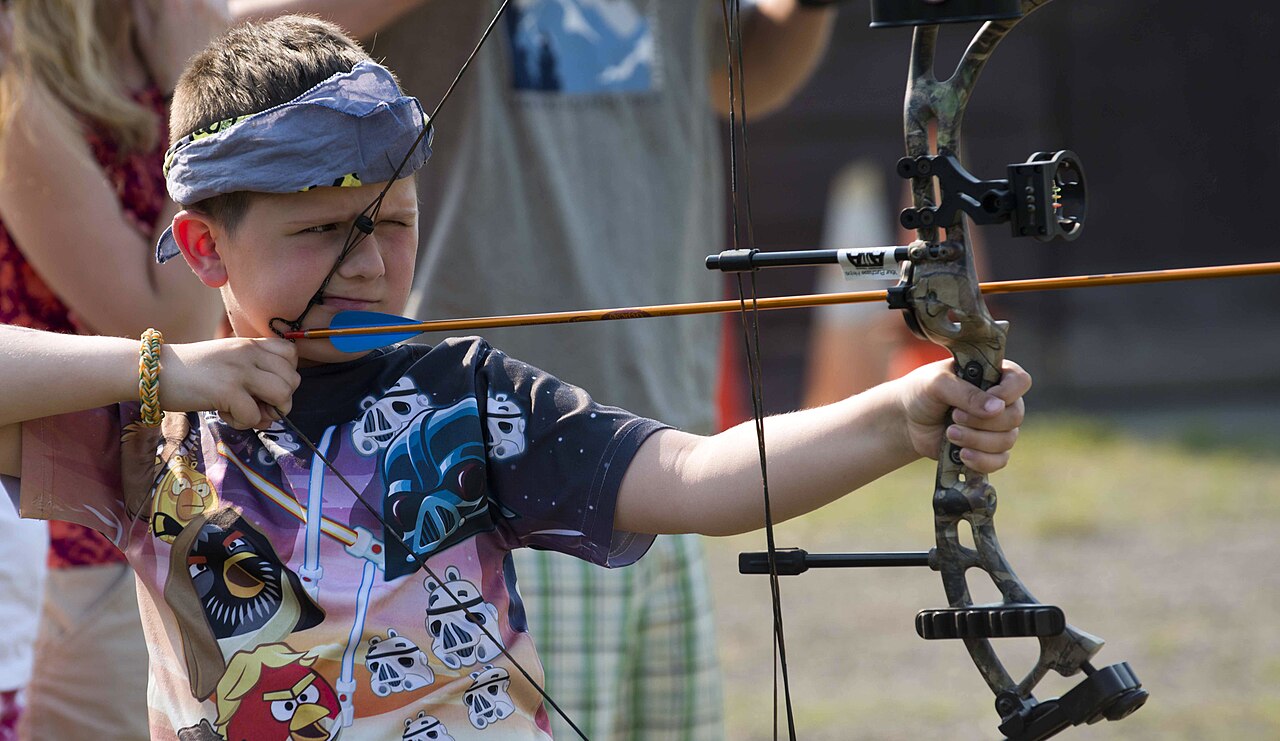
Learn instinctive archery the right way: how to aim a bow without sights, the 7-step shot sequence, the best bows, and drills that build accuracy fast.
Tag Archives: archery technique
Foot position is the most overlooked fundamental in archery. Get your stance right and everything above it — aim, anchor, release — becomes easier and more repeatable.
Master proper archery stance with this complete guide to square, open, and closed foot positions, seven setup steps, common mistakes, and stance drills.
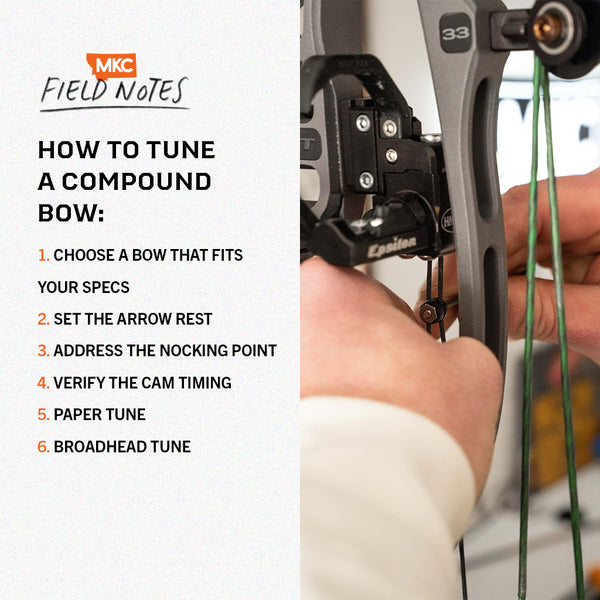
A step-by-step compound bow tuning guide covering cam timing, cam lean diagnosis, arrow rest centershot, and paper tuning so your bow shoots bullet holes.
Both shoot a curved bow without cams, but traditional and Olympic recurve archery diverge sharply on equipment, technique, cost, and competition. Here’s how to pick.
Six archery aiming methods compared head-to-head: instinctive, gap shooting, string walking, face walking, point-of-aim, and sights. Find which one fits your bow, your eyes, and the distance you actually shoot.
The space between multi-pin bow sight pins is not dead zone — it is a built-in half-yardage system most archers never learn to read. Here is how pin gap aiming changes the single pin vs multi-pin debate entirely.
Your D-loop and nocking point are the smallest pieces of hardware on a compound bow — and the most consequential for accuracy. Here’s how to tie them, set them, and tune them right.
How to fix target panic in archery with 7 proven steps: blank bale, hinge release, shot routine, hold-and-letdown drills, blind bale and a recovery timeline.
If you are comparing barebow vs recurve, the short answer is this: both use the same basic bow platform, but recurve adds aiming and stabilizing accessories while barebow strips them away and asks the archer to do more with body awareness, string walking, and repeatable form. That makes barebow feel simpler in the hand, but […]
- 1
- 2