
Archery Blog
Archery Mental Focus: 7 Techniques for Better Shooting
Jul
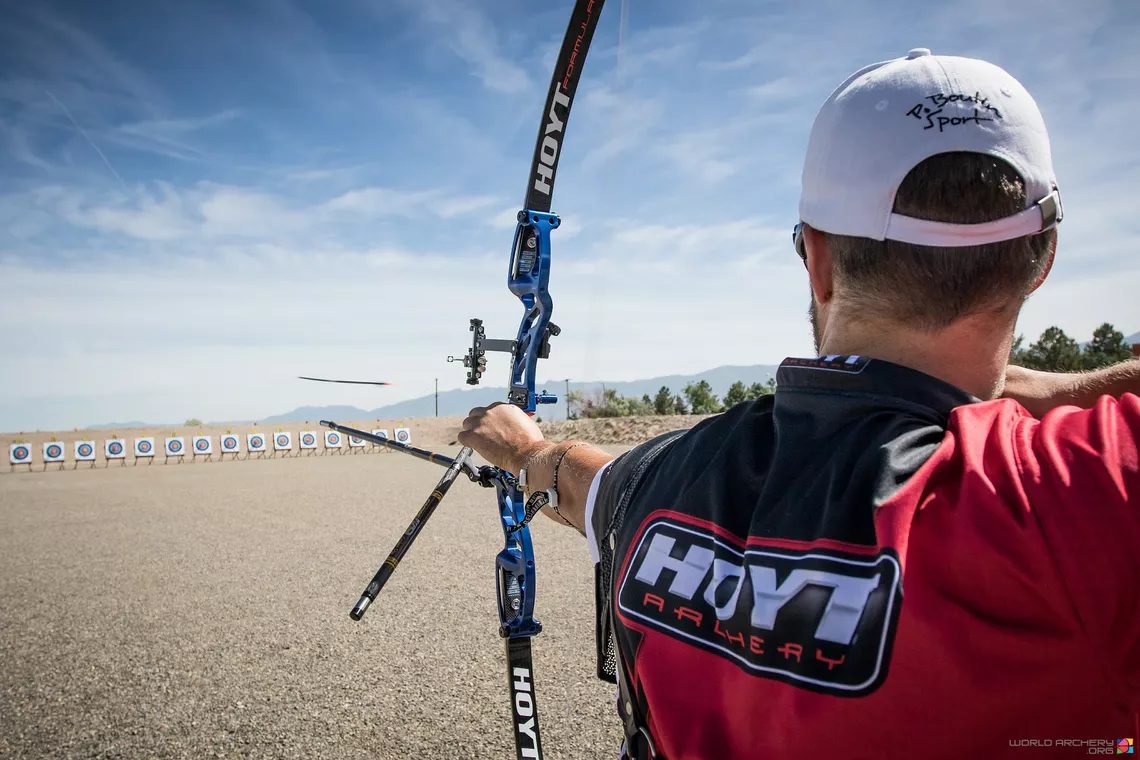
A recurve archer shooting 70 metres has roughly six seconds at full draw before the shoulder starts to fatigue and the sight picture drifts. Elite archers use that window the same way every single time. Everyone else — and this is where scores are won or lost — spends part of it fighting their own head. The bow does not miss. The arrow does not miss. Attention misses, and then the arrow follows it.
Physical form gets almost all the coaching attention because it is easy to see and easy to correct. The mental side is invisible, so most archers never train it on purpose. That is a mistake. Once your form is repeatable, the gap between a 280 and a 320 indoor round is almost entirely concentration. Here are seven techniques that actually move the needle, plus the honest truth about target panic that nobody selling a gadget wants to tell you.
What Archery Mental Focus Actually Is
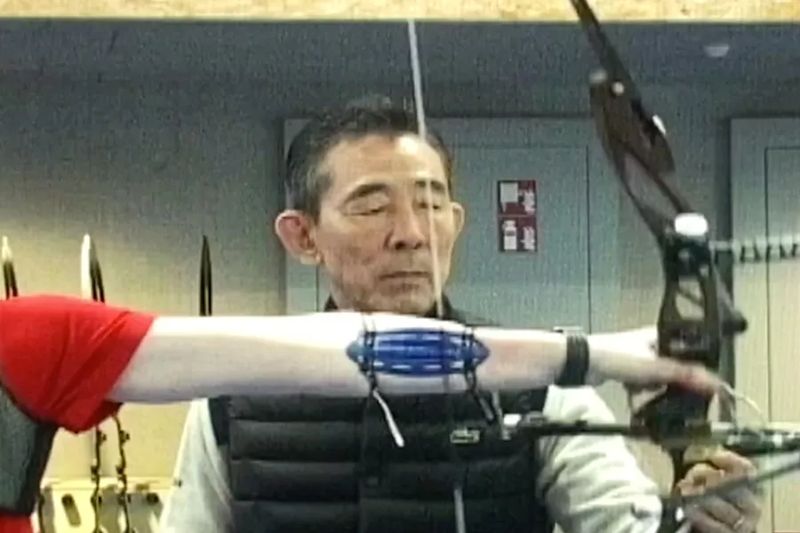
Archery mental focus is not “trying harder” or “wanting it more.” It is the opposite. It is a narrow, relaxed attention locked onto one thing — usually a single point on the target or a single feeling in your back — while everything else fades to background noise. Sport psychologists call this an external focus of attention, and the research on it is unusually clear: archers who focus on the target or the flight of the arrow outshoot archers who focus on their own body mechanics.
That runs against instinct. Under pressure your mind wants to check everything: grip, anchor, wind, the last shot, the score you need. Every one of those internal check-ins costs you a fraction of a second of clean aiming. The skill is learning to set the mechanics on autopilot and give the target your full, quiet attention. World Archery puts it bluntly in its recurve coaching notes — the archer must focus only on the centre and where the sight pin sits on it, not the ring, not the outcome.

Why Your Groups Fall Apart Under Pressure
Adrenaline is the culprit, and it is doing exactly what evolution designed it to do. A spike of cortisol narrows your vision, speeds your heart, and shortens your patience — useful for outrunning a predator, useless for holding a pin steady. Your hold shrinks from six seconds to two. The shot that felt automatic in practice suddenly demands conscious effort, and conscious effort is slow and shaky.
The internal distractions do the rest. A lack of confidence, a stray thought about the previous arrow, the math of what you need to win — each one pulls attention off the target. External distractions pile on top: wind, the archer next to you, the noise of a range. You cannot eliminate any of this. You can only train a process strong enough that it runs anyway. That is the entire game.
Target Panic: The Focus Killer Every Archer Fears
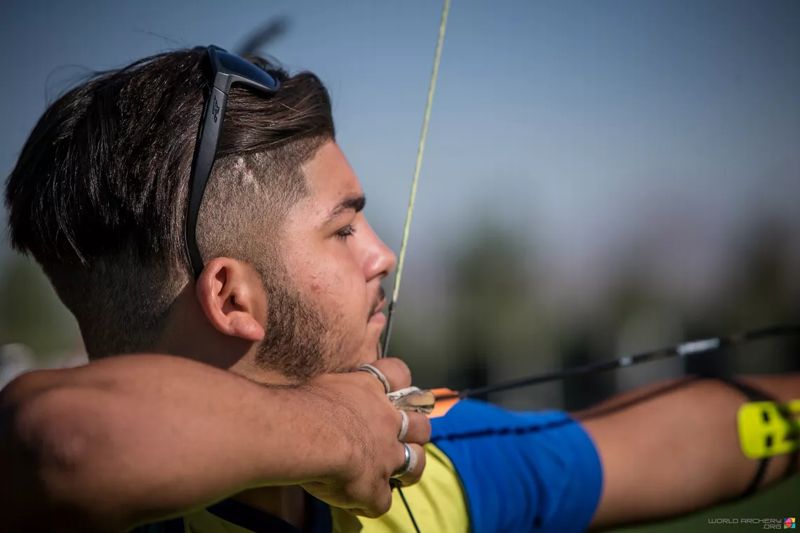
Target panic is the most common mental breakdown in the sport, and it is worth understanding because it is where poor focus shows up most violently. It is your mind’s inability to hold the pin on the middle and calmly execute the release. Instead you get a snap shot the instant the sight touches gold, a freeze where you cannot bring the pin onto the target at all, or a punch of the trigger you never consciously decided to make. Even world champions get it — that is not a figure of speech, it is documented.
The cause is almost always the same: your brain has wired “sight on gold” directly to “make the shot go now,” skipping the calm hold in between. The fix is to un-wire that link. Blank-bale shooting — drawing and releasing at a target-less butt with your eyes closed, feeling nothing but back tension — rebuilds the shot without the trigger of the gold. For compound shooters, moving to a back-tension or hinge release removes the conscious punch entirely, because the shot breaks as a surprise. John Dudley’s rehab drills, widely used across the bowhunting world, are built on exactly this principle.
7 Mental Focus Techniques That Work
None of these are secrets. What separates archers who use them from archers who nod along is repetition — you have to drill the mental technique with the same discipline you drill your anchor.
1. Run one shot routine, every single arrow
A shot routine is a fixed sequence — nock, hook, set grip, raise, draw, anchor, aim, expand, release, follow through — performed in the identical rhythm every time. Its real job is not mechanical, it is mental: a routine gives your attention a rail to run on so it cannot wander to the score. When nerves hit, you do not think about winning, you think “next step.” Write yours down, then rehearse it until it is boring.
2. Breathe on a fixed count
Take a deep breath as you raise the bow, let roughly half of it out as you draw, then hold the remaining half steady through the aim. That controlled exhale drops your heart rate a few beats and quiets the fine muscle tremor that wrecks a hold. It is the single fastest way to pull yourself out of an adrenaline spike between arrows — four slow breaths and your hands stop shaking.
3. Pick a focus point smaller than the ten ring
Vague focus produces vague results. Do not aim at “the target” or even “the gold” — aim at a single imagined dot in the exact centre and stare a hole through it. The smaller your visual target, the tighter your group, because your subconscious aims at whatever you give it. Give it something precise.
4. Talk yourself through it, out loud in practice
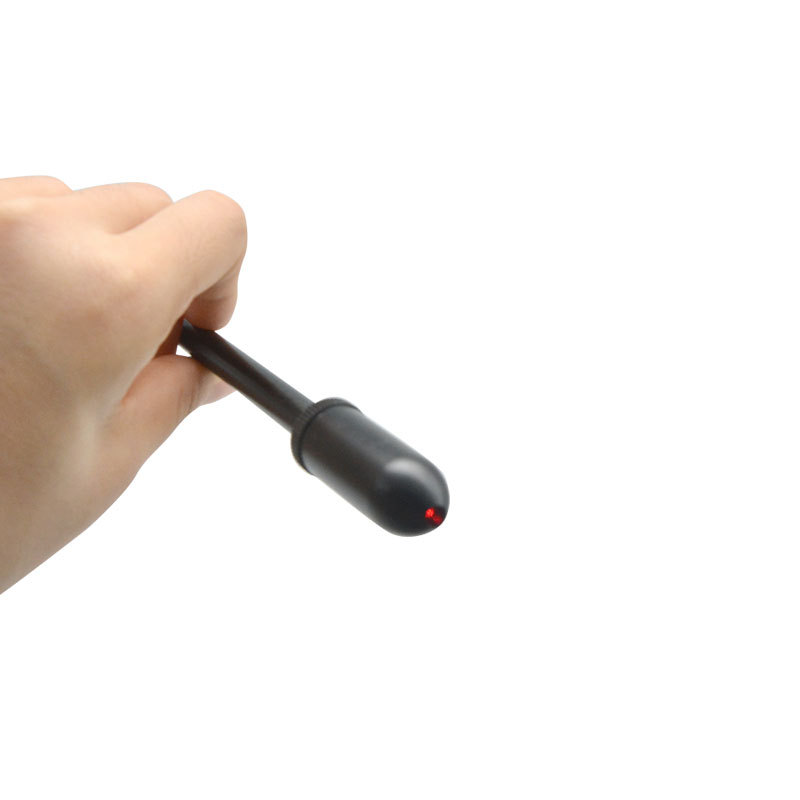
Saying the next cue aloud — “expand,” “keep pulling,” “let it go” — forces your attention into the present step and out of the future outcome. Many coaches teach this deliberately. Drop the volume to a whisper on the line at a tournament, but keep the words.
5. Shoot blank bale to rebuild feel
Stand two metres from a bare butt, close your eyes, and shoot ten arrows focused entirely on the feeling of a clean release. No target, no score, no aim. This is where you rebuild a shot that pressure has broken, and it is the core drill for beating target panic.
6. Shoot one arrow at a time
Your only job is the arrow on the string. Not the end, not the round, not the personal best. Score exists to be added up afterward, never mid-shot. Archers who let themselves calculate “if I shoot three more tens” have already lost the next arrow. Collapse your entire world down to the shot in your hand.
7. Build a reset ritual for bad shots
You will shoot a five. Every archer does. What matters is the next arrow, and a reset ritual protects it — let the bow down, take one breath, tap the riser, step off the line and back on. The physical gesture tells your brain the last shot is closed. Without a reset, one bad arrow becomes a bad end becomes a bad round.
How to Aim Without Overthinking It
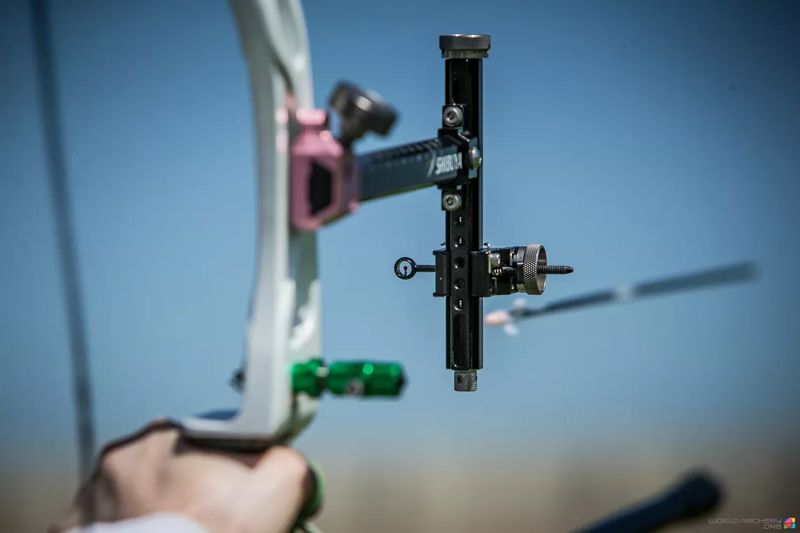
The paradox of aiming is that the harder you try to hold the pin dead still, the more it floats. A pin never stops moving — not for you, not for an Olympic champion. Fighting the float creates tension, and tension makes the float worse. The move is to accept a small, calm circle of motion inside the centre and let the shot break while the pin drifts through it, rather than snatching the release the instant it touches middle.
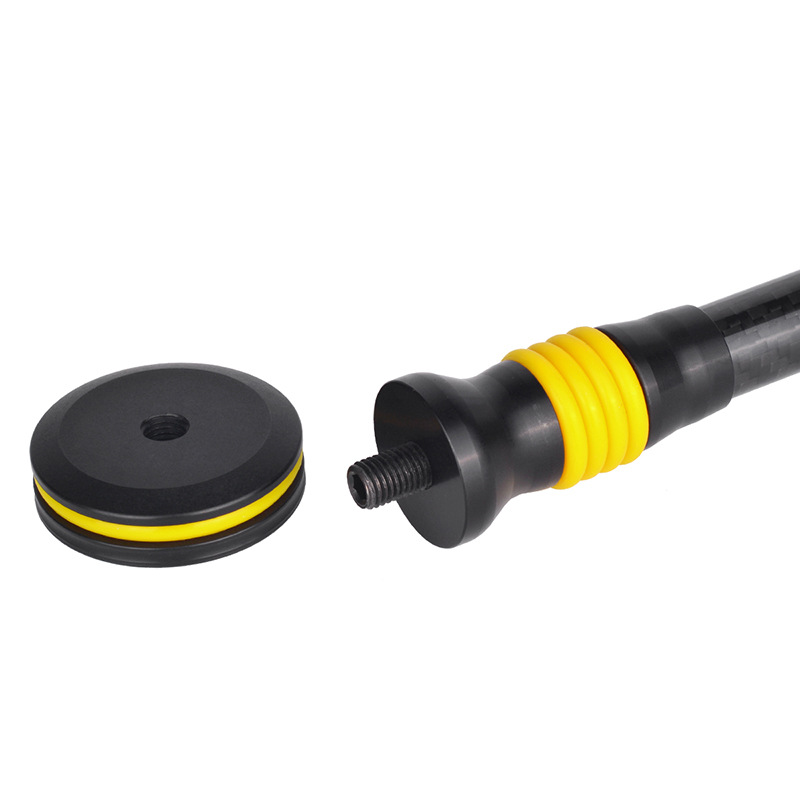
This is why a stable rig matters as much as a stable mind. A properly weighted stabilizer setup slows and shrinks that float, giving your calm hold something to sit inside. It will not aim for you, but it buys you a steadier picture to focus on — and a steadier picture is easier to trust. If you want the full mechanical breakdown, our guide to aiming without sights covers the instinctive end of the spectrum, where focus does all the work.
Building a Practice Routine for Concentration
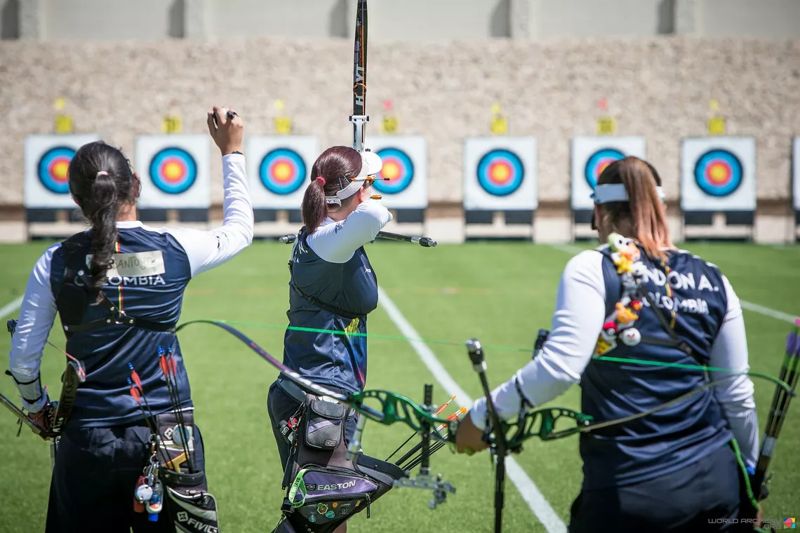
Focus is a muscle and it trains like one. The problem with normal practice is that it rewards volume — fling a hundred arrows, feel productive, learn nothing. Concentration practice rewards attention instead. Shoot fewer arrows and score every single end as if it were the last of a final. When your mind wanders mid-shot, let the bow down and start over rather than pushing through; finishing a distracted shot only teaches your brain that distraction is acceptable.
Add pressure on purpose. Set a number you have to hit before you are allowed to pack up, and shoot until you make it. That artificial stake recreates a slice of tournament nerves in your backyard, and nerves you have rehearsed are nerves you can handle. World Archery’s own training-efficiency guidance leans on this idea — quality of attention over quantity of arrows. If your form under this pressure starts slipping, walk back through our shot-cycle form walkthrough before you blame your head.
When to Rest Your Mind
There is a point of diminishing returns where more arrows make you worse. Concentration is metabolically expensive — the same prefrontal machinery that holds a pin steady also runs out of fuel. When your groups open up late in a session and your routine starts skipping steps, that is not a form problem, it is a tired brain. The right response is to stop, not to grind. Ten sharp arrows beat sixty sloppy ones, and the sloppy ones actively teach bad habits.
Rest between shots matters too. Rushing arrow after arrow to “get through the round” starves each shot of the attention it needs. Give yourself a beat to reset, breathe, and return to the target fresh. Many of the errors archers chase as equipment or form issues are simply fatigue wearing a disguise — the same trap that produces most common beginner mistakes.
Watch: Curing Target Panic
Pro archer John Dudley breaks down the forms of target panic and the drills that fix it — the practical companion to everything above.
Start with one technique this week — the fixed breath count is the easiest to install and the fastest to pay off. Add the next once the first is automatic. Focus is not a talent a few archers were born with; it is a stack of small, trainable habits, and every arrow you shoot with intention is a rep toward owning it.
Sources
- World Archery — 5 recurve archery techniques you should study — official coaching notes on focus and the aiming point.
- World Archery — 9 common recurve mistakes and how to fix them — on losing aim, over-aiming, and internal distraction.
- World Archery — 10 training exercises for more efficient practice — quality-over-quantity practice structure.
