
Archery Blog
Traditional vs Olympic Recurve: 6 Key Differences to Know
Jun
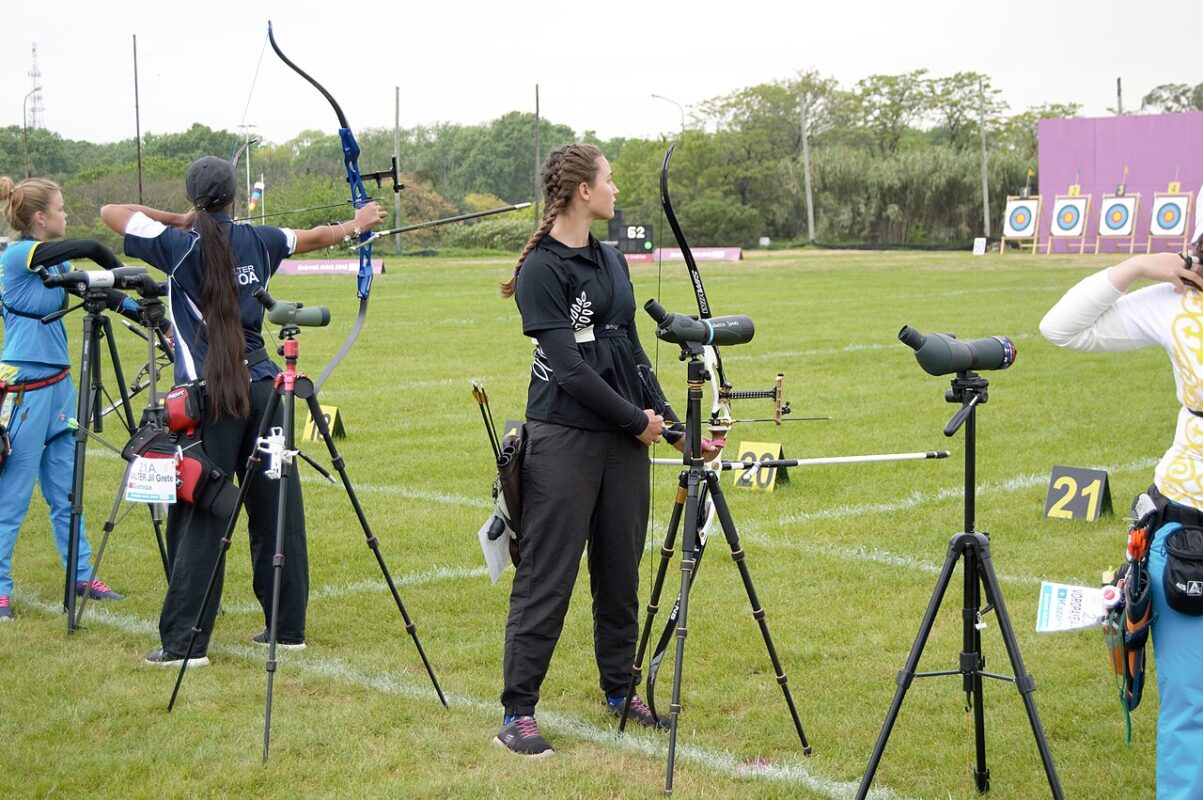
Walk onto any archery range and you’ll spot two very different shooters drawing what are technically the same family of bow. One has a wooden one-piece with no sight and a finger tab, shooting on instinct. The other is behind a machined aluminum riser bristling with a long front stabilizer, a clicker, and a precision sight pin. Both are shooting a recurve. Neither is shooting the same sport.
Traditional recurve and Olympic recurve share a curved limb tip that stores extra energy and a thumb-tab release with the fingers — and almost nothing else. If you’re trying to decide which style to buy into, the choice shapes your equipment budget, your practice habits, and the competitions you can enter. Here’s a clean side-by-side so you stop guessing and start shooting.
The Quick Comparison
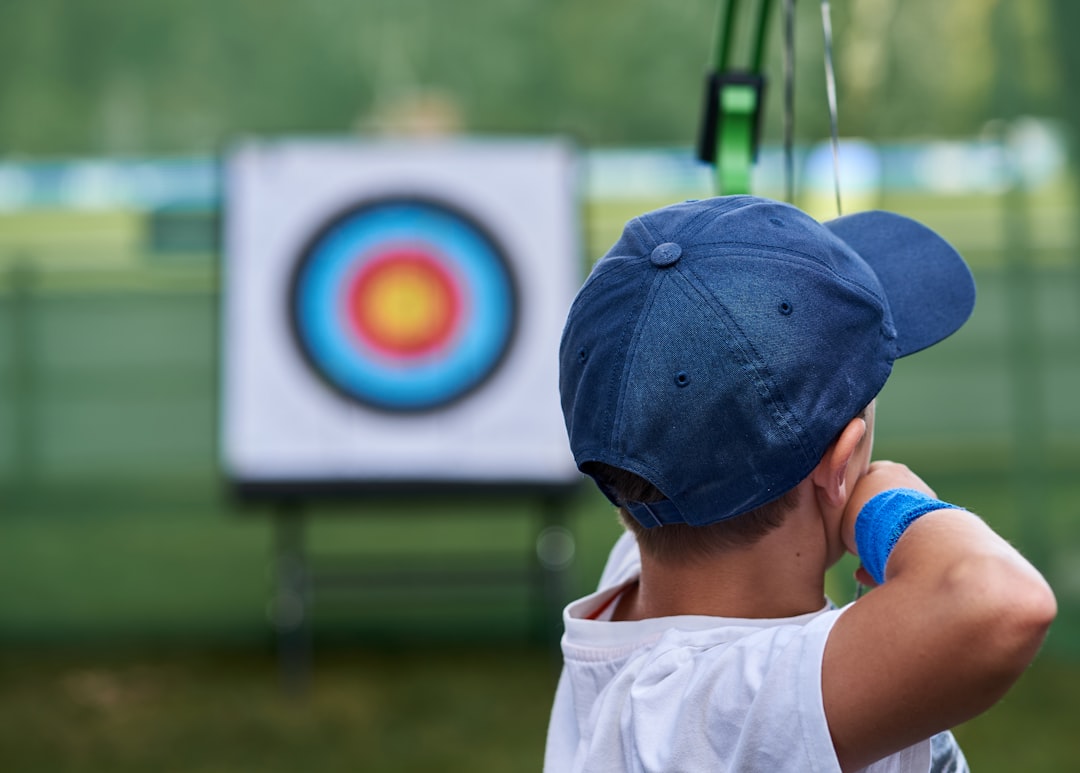
Before the deep dive, here’s the short version. Traditional recurve is the older, simpler discipline: a bare bow, instinctive or gap aiming, often shot from a hip quiver in field settings or 3D courses. Olympic recurve is the modern competition discipline you see at the Summer Games — same basic limb geometry, but loaded with legal accessories that measurably improve precision at 70 meters.
- Traditional: one-piece or simple takedown, no sight, no stabilizers, no clicker, often wood or composite limbs.
- Olympic: ILF takedown riser, carbon/foam limbs, sight, long front rod and side rods, clicker, plunger, finger tab with shelf.
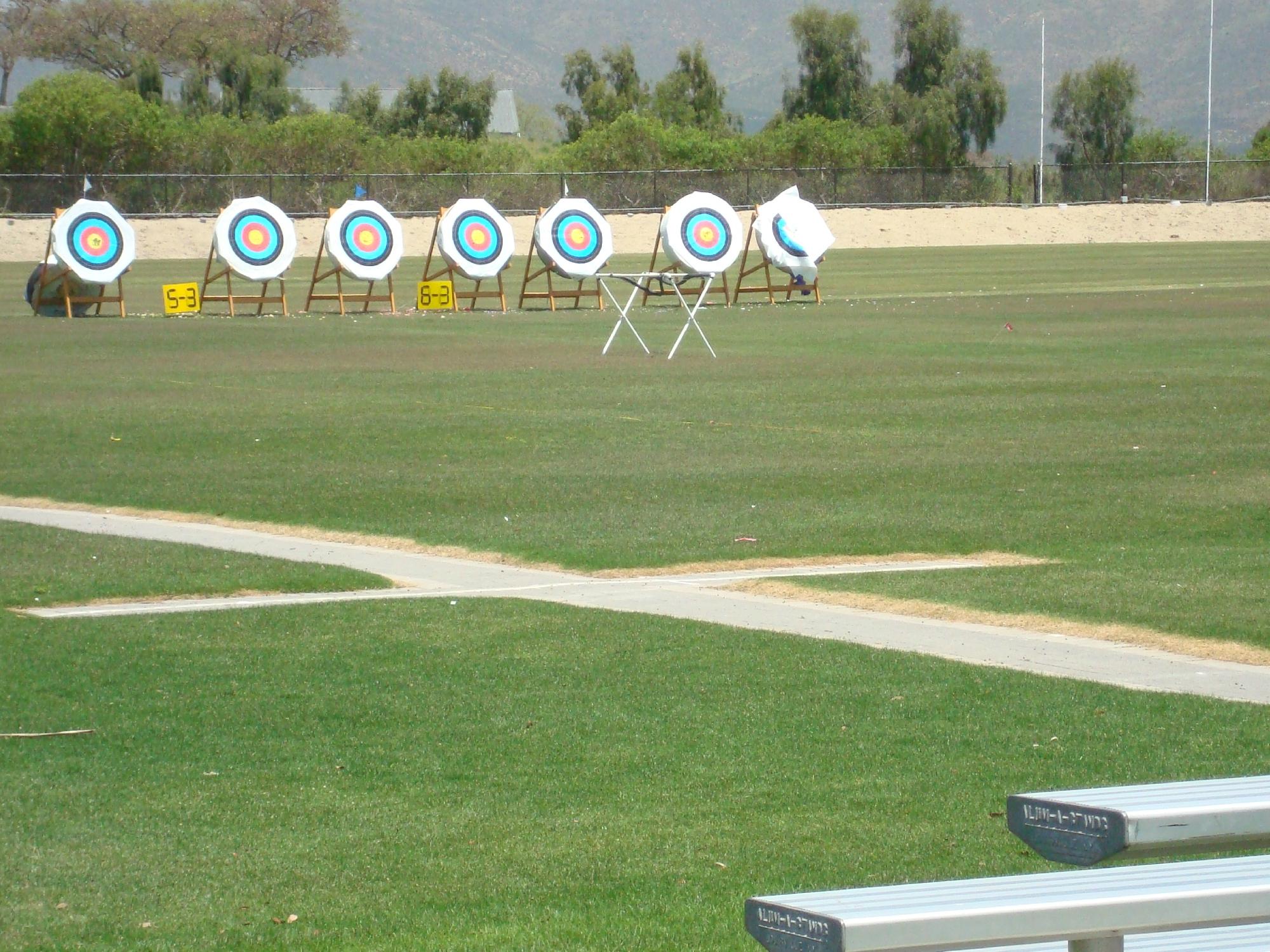
- Distance: traditional shoots 10–40 yards typically; Olympic shoots 70m outdoors and 18m indoors.
- Cost: traditional setup runs $150–$500; competition-grade Olympic starts around $800 and climbs past $3,000.
What “Traditional Recurve” Actually Means
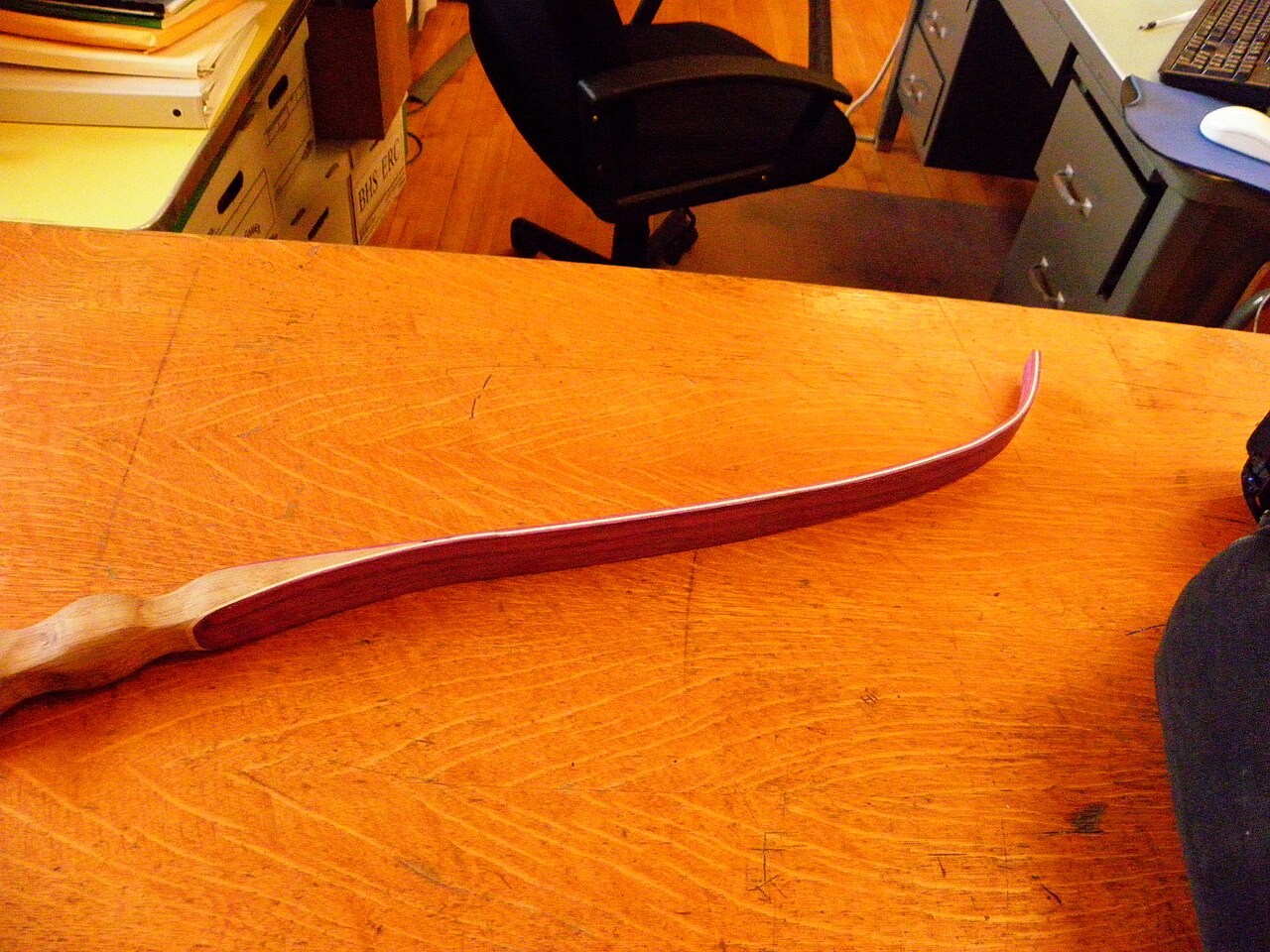
Traditional recurve covers a broad family of bows shot without modern aids. The lineage traces back thousands of years through Mongol, Turkish, and Korean horsebow designs, all using laminated layers and curved tips to launch arrows faster than a straight-limbed longbow of the same draw weight. Modern traditional bows keep that DNA: a graceful curve, a leather or wood grip, and usually no markings on the riser to help you aim.
You’ll see two common formats. The one-piece recurve is a single bow you string and shoot — popular with hunters who want zero rattle in the woods. The three-piece takedown uses bolts to attach detachable limbs to a riser, which makes travel easier and lets you swap to heavier limbs as your draw strength grows. The Samick Sage is the entry point most people land on, and it’s earned that reputation honestly.
Traditional shooters aim by feel. The two dominant methods are instinctive (you look at the target, draw, release — no conscious calculation) and gap shooting (you use the arrow tip as a reference and adjust a known gap below the target for each distance). Neither requires hardware. Both demand thousands of arrows to internalize, which is partly the appeal: the discipline is in your nervous system, not your sight tape.
What “Olympic Recurve” Means
Olympic recurve — sometimes called “target recurve” — is the format governed by World Archery and shot at the Summer Olympics, World Cup events, and USA Archery’s JOAD program. The bow geometry is still a recurve, but every legal accessory that improves consistency at 70 meters has been bolted on.
The defining feature is the ILF (International Limb Fitting) takedown system: a riser with a standardized limb pocket that accepts limbs from any ILF-compliant manufacturer. This interchangeability is huge — you can pair a Hoyt riser with WIN&WIN limbs and a Beiter plunger, and everything fits. Competitive shooters rebuild bows constantly as draw weight, tuning, and budget shift.
The Equipment Gap, Part by Part
The Riser
Traditional risers are wood, often a beautiful laminate of maple, walnut, and bubinga. They’re warm in the hand and dead in the shot — which is fine because you aren’t trying to hold a sight pin steady. Olympic risers are machined aluminum (sometimes carbon), 25 inches long, drilled for sight mounts, plunger threads, and stabilizer bushings. The mass dampens torque and the geometry is optimized for sight picture stability.
The Limbs
Traditional limbs are usually wood-core with fiberglass facing — durable, forgiving, and quiet. Olympic limbs use carbon-fiber and foam cores that store more energy per pound of draw weight, giving you a flatter arrow trajectory at 70m. They’re also more sensitive: a small twist or string nock change can shift impact noticeably.
Sights, Stabilizers, and the Clicker
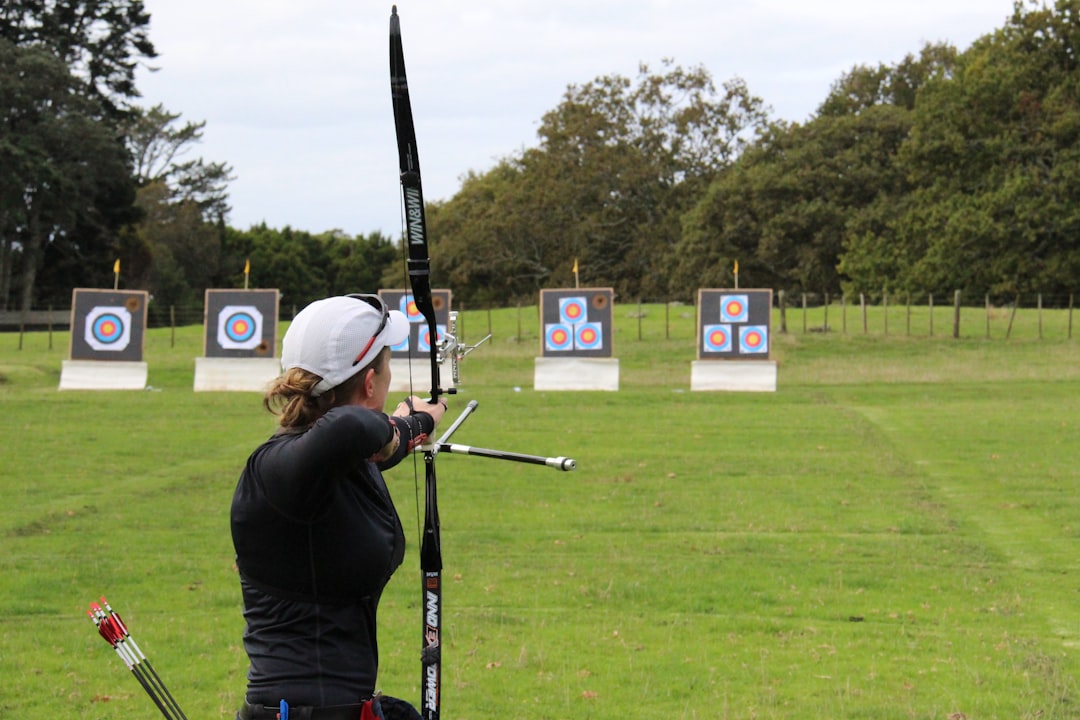
This is where the two disciplines truly part ways. An Olympic recurve carries:
- A sight with a movable pin you adjust per distance — World Archery rules permit one fixed pin, no magnification, no electronics.
- A long front stabilizer (28–33 inches) plus a V-bar and twin side rods to manage bow torque.
- A clicker — a thin metal blade that snaps off the arrow point when you’ve reached exact draw length, eliminating variability.
- A plunger button (Berger button) that fine-tunes how the arrow flexes around the riser at the shot.
Traditional recurve has none of these. Some traditional shooters use a string-walking technique with marked spots on the bowstring instead of a sight, but for most styles the bow is bare from top to bottom.
Arrows
Traditional shooters often shoot wood or aluminum arrows with feather fletching — feathers forgive shelf contact, since most traditional bows don’t have an arrow rest. Olympic shooters use thin-diameter carbon arrows (Easton X10 or similar) with plastic vanes, tuned aggressively for spine and weight to match draw force at 70m. A dozen X10s costs more than an entire entry-level traditional setup.
Technique: Where the Body Diverges
Both styles use a Mediterranean three-finger draw — index above the arrow, middle and ring below — but the similarities end at the anchor point.
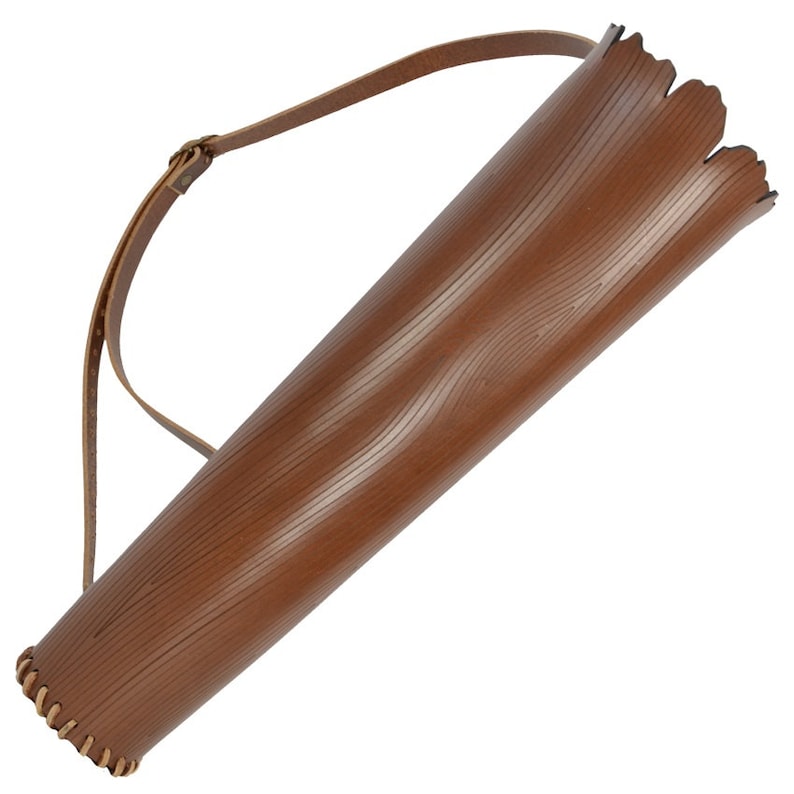
Traditional anchor is typically high — index finger to the corner of the mouth or even higher, so the arrow sits closer to the eye for instinctive aiming. The draw is shorter, sometimes by an inch or two, because traditional shooters often shoot on the move or from awkward field positions.
Olympic anchor is lower and more rigorous: the string touches the chin, the nose, and the kisser button on the lip, creating three reference points that lock the bow to the face the same way every shot. The clicker enforces an identical draw length each release, removing the most common variable in arrow flight.
The release itself differs in intent. Traditional emphasizes a relaxed dynamic release where the fingers open as a single unit, often described as “letting the string escape.” Olympic uses a back-tension release driven by squeezing the scapulae together until the clicker fires — the actual finger relaxation is a side effect of pulling through the shot.
Cost Comparison
Traditional is one of the cheapest ways into the sport. A solid Samick Sage runs about $150, add a tab, armguard, stringer, and a half-dozen arrows for another $80–$120, and you’re shooting for under $300. Some shooters spend a lifetime at that price point and never feel under-equipped.
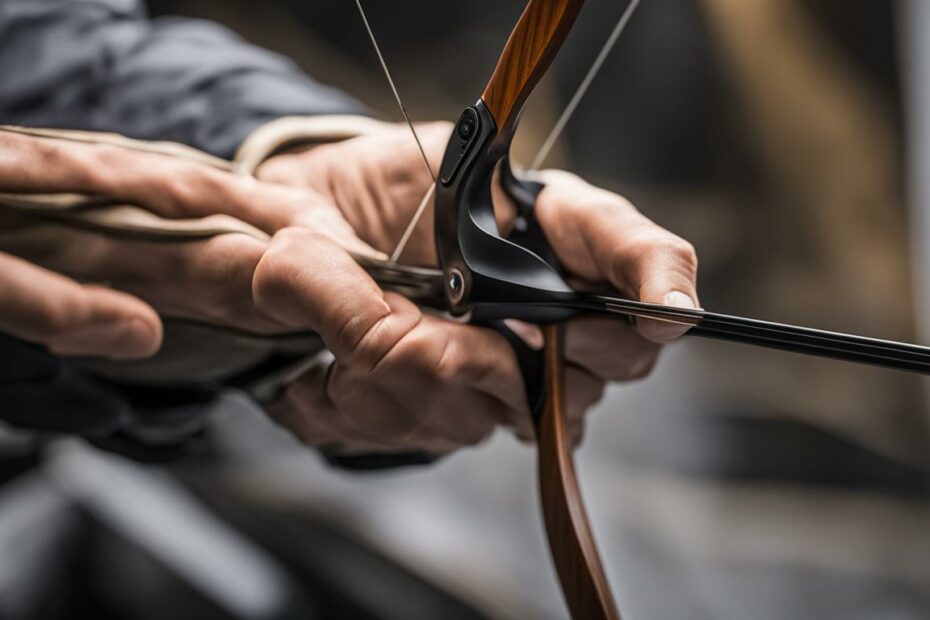
Olympic recurve costs add up fast. An entry-level competition-grade setup — SF Premium or SAS Spirit riser, mid-range limbs, decent sight, basic stabilizer, clicker, tab, plunger, and a dozen carbon arrows — lands around $700–$900. A serious club-level setup with Hoyt or WIN&WIN components is $1,800–$2,500. Elite gear with carbon-foam limbs, premium risers, and X10 arrows pushes past $3,500.
Which Should You Choose?
The honest answer depends on what you want from the sport.
Pick traditional if you’re drawn to woodland 3D courses, field archery, or bowhunting; you like quiet, low-maintenance equipment; you want a sport you can practice in your backyard without a precision tuning kit; or you simply love the aesthetic of a wood bow and a leather quiver.
Pick Olympic if you want to compete in USA Archery, JOAD, or international events; you’re chasing measurable accuracy improvements through equipment tuning; you live near a 70m range; or you find the engineering side of the sport interesting — there’s a reason Olympic recurvers spend more time on jig measurements than they do drawing the bow.
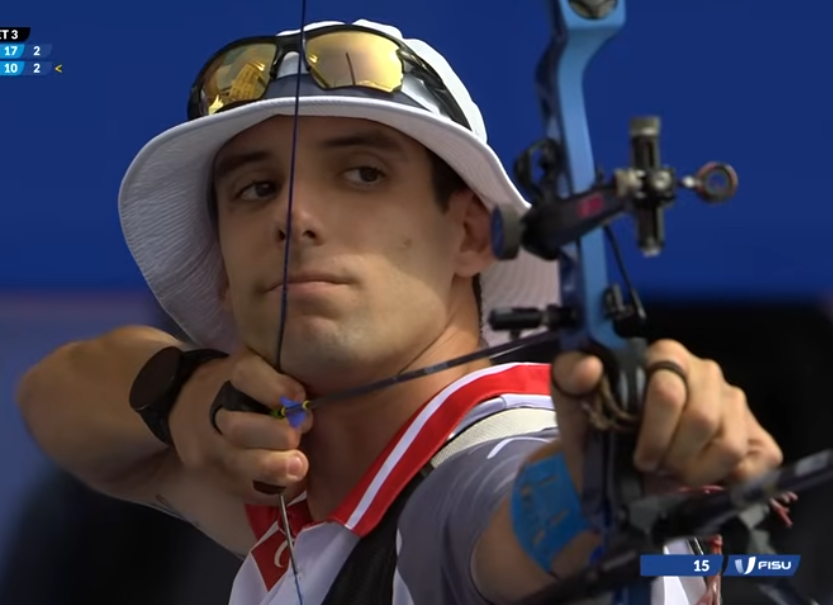
Can You Switch Between Them?
Yes, but expect a transition period. Olympic shooters moving to traditional usually struggle without the clicker — their draw length varies by a half-inch shot to shot until they retrain. Traditional shooters moving to Olympic often resist the rigorous anchor and find the sight picture distracting at first.
A useful middle ground is barebow recurve, a competition discipline that uses an Olympic-style ILF riser but strips off the sight, stabilizers, and clicker. World Archery added barebow as a full medal event in 2019, and it’s grown fast. If you can’t decide, barebow lets you shoot serious tournaments with traditional-style aiming on modern equipment — a real “have both” path.
The Bottom Line
Traditional and Olympic recurve aren’t beginner versus advanced — they’re two distinct sports that happen to share a bow shape. Traditional rewards repetition and feel; Olympic rewards repetition, feel, and equipment mastery. The bow doesn’t make the archer in either case. Whichever you pick, the work is the same: thousands of arrows, honest critique of your form, and patience.
Start with whichever style you can shoot most often. The local club, the closest range, the friend who already shoots — those practical factors will do more for your progress than picking the “right” discipline on paper.
Sources
- World Archery — governing body for Olympic recurve, equipment rules, and competition formats
- USA Archery — national governing body, JOAD program details, classification standards
- Wikipedia: Recurve Bow — historical background and design overview of recurve geometry
- Wikipedia: Barebow — overview of the barebow discipline as a middle ground between traditional and Olympic
Browse archery bows, arrows, and accessories at the Archery Supplier shop →
Shop on Amazon
Recurve Bows on Amazon →
As an Amazon Associate we earn from qualifying purchases.
