
Archery Blog
Beginner Draw Weight: 7 Rules to Pick the Right Poundage
Jul
A 25-lb recurve feels laughably easy in the shop and brutal on your fortieth arrow. That gap — between what you can pull once and what you can pull a hundred times with control — is the whole reason beginner draw weight trips people up. Pick a poundage you can only manage when fresh, and every shot after arrow twenty teaches your body the wrong lesson. This guide gives you specific starting numbers by age and build, shows you how to adjust the weight on a take-down bow, and tells you exactly when you’ve earned the next step up.

Nearly every good coaching program starts new archers on 10–18 lb bows for a reason.
What Draw Weight Should a Beginner Start With?
A beginner should start with the lowest draw weight that still sends an arrow cleanly into a target at 10–18 meters — for most adults that lands between 18 and 28 lbs on a recurve. Draw weight is the peak force, measured in pounds, needed to pull the string to a 28-inch draw length. It is not a strength contest. It’s the setting that lets you practice form thousands of times before fatigue corrupts it.
The English longbow tradition and modern Olympic coaching agree on this point, even though they agree on almost nothing else: you learn the shot on a bow that leaves strength in reserve. USA Archery’s own beginner programs hand out 10–20 lb bows, and Korea — the most dominant archery nation on earth — starts its junior athletes absurdly light and keeps them there for months. If the best system in the world builds gold medalists on training limbs, your ego can survive 20 lbs.
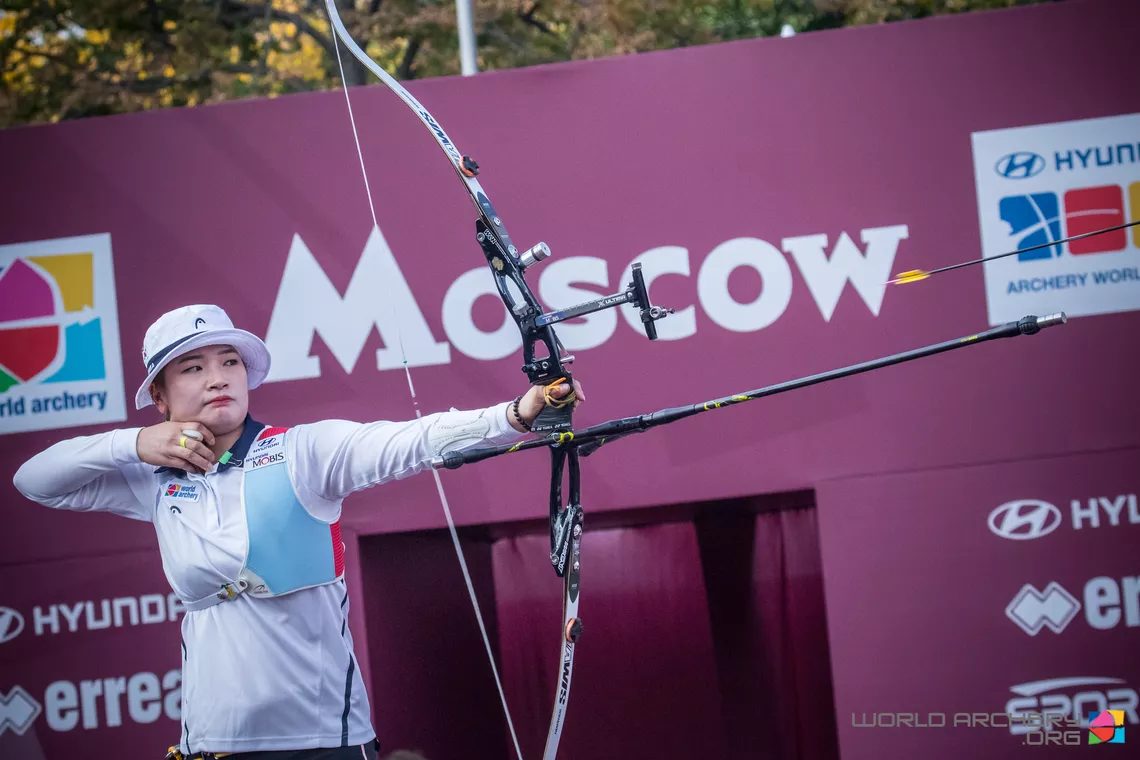
One caveat the marketing rarely mentions: the number stamped on the limb is measured at 28 inches of draw. If your draw length is shorter, you’re pulling less than the sticker claims; longer, and you’re pulling more. A 30-lb bow at a 26-inch draw behaves like roughly a 26-lb bow. That’s why measuring your own draw first changes everything — check our guide on how to measure draw length before you buy a single limb.
Why Starting Too Heavy Wrecks Your Form
Being “over-bowed” — pulling more weight than your back and shoulder muscles can control — is the single most common beginner mistake, and it’s expensive because the bad habits it builds are hard to unlearn. When the weight wins, your body improvises. You hunch the bow shoulder up toward your ear. You collapse the draw at the last second. You punch the release to get rid of the strain. Every one of those is a stroke you’ll spend a year trying to erase.
Watch a struggling new archer and you’ll see the tell: the bow arm trembles and the string hand creeps forward instead of settling into the anchor. That’s not a technique flaw you coach away — it’s a muscle that ran out of budget. Drop the poundage 6–8 lbs and the same person suddenly looks like they’ve been shooting for a year.
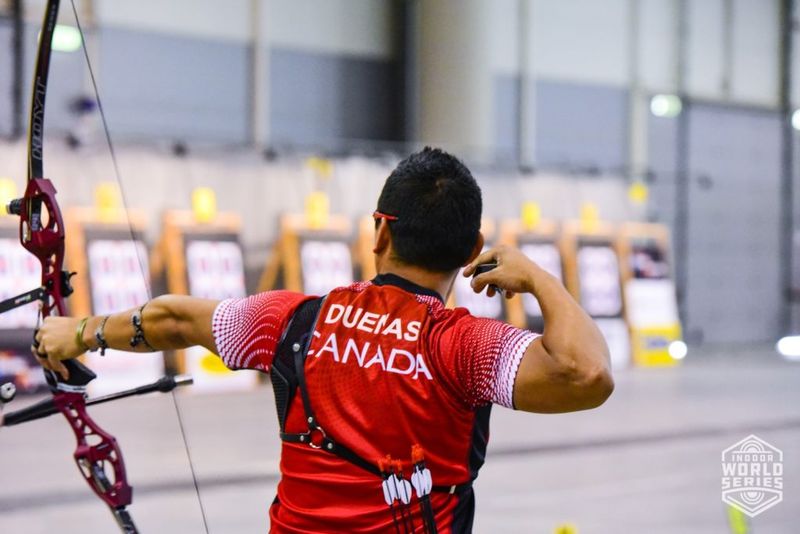
Clean back tension at anchor is only possible when the weight leaves you something in reserve.
Beginner Draw Weight by Age, Body Type, and Build
There’s no single right number, but there is a sensible starting band for each type of shooter. Use the table below as your opening bid, then adjust down if the bow feels like work before you’ve shot a full end of arrows. These figures assume a recurve; compound shooters can start a notch higher because the cams do part of the holding for you.
| Archer | Starting Recurve Weight | First Realistic Goal |
|---|---|---|
| Child (8–12) | 10–14 lbs | 16–18 lbs |
| Teen (13–17) | 14–18 lbs | 20–24 lbs |
| Adult woman | 16–22 lbs | 24–28 lbs |
| Adult man | 22–28 lbs | 30–35 lbs |
| Larger/athletic adult | 26–30 lbs | 35–40 lbs |
Notice how modest even the “goal” column is. A well-tuned 30-lb recurve will punch through a foam target at 20 meters all day. Raw poundage buys you flatter arrow flight and more range, not accuracy — and for your first season, accuracy is the only currency that matters. If you’re shopping for your first bow, our roundup of the best recurve bows for beginners flags which models come in genuinely light limb options.
Recurve vs Compound: How Draw Weight Feels Different
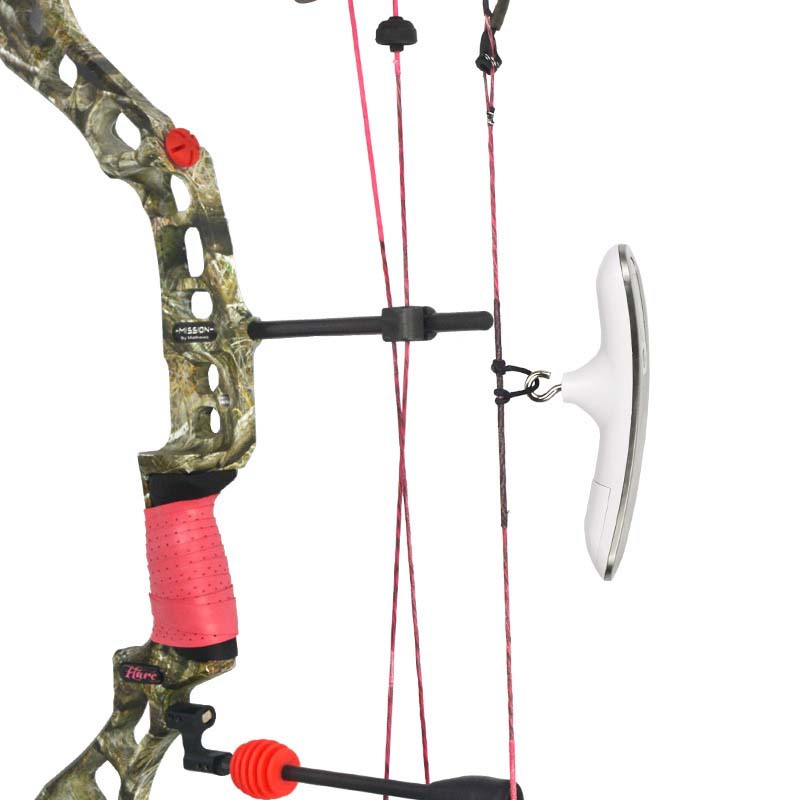
The same number on a recurve and a compound describe two completely different experiences, and beginners who don’t know this buy the wrong bow. A recurve’s weight climbs steadily the further you pull — you’re holding the full peak weight the entire time you aim. A compound hits peak weight partway through the draw, then the cams “let off” 70–90%, so a 40-lb compound might feel like holding just 6–12 lbs at full draw.
That let-off is why a nervous beginner can steady a heavier compound while a recurve of the same rating would leave them shaking. It also means the two bows demand different starting numbers. A compound beginner can comfortably start at a 30–40 lb peak weight, because they only fight that peak for a fraction of a second. If you’re still deciding between the two platforms, the trade-offs go well beyond weight — see our full recurve vs compound bow breakdown.
How to Adjust Draw Weight on a Take-Down Recurve
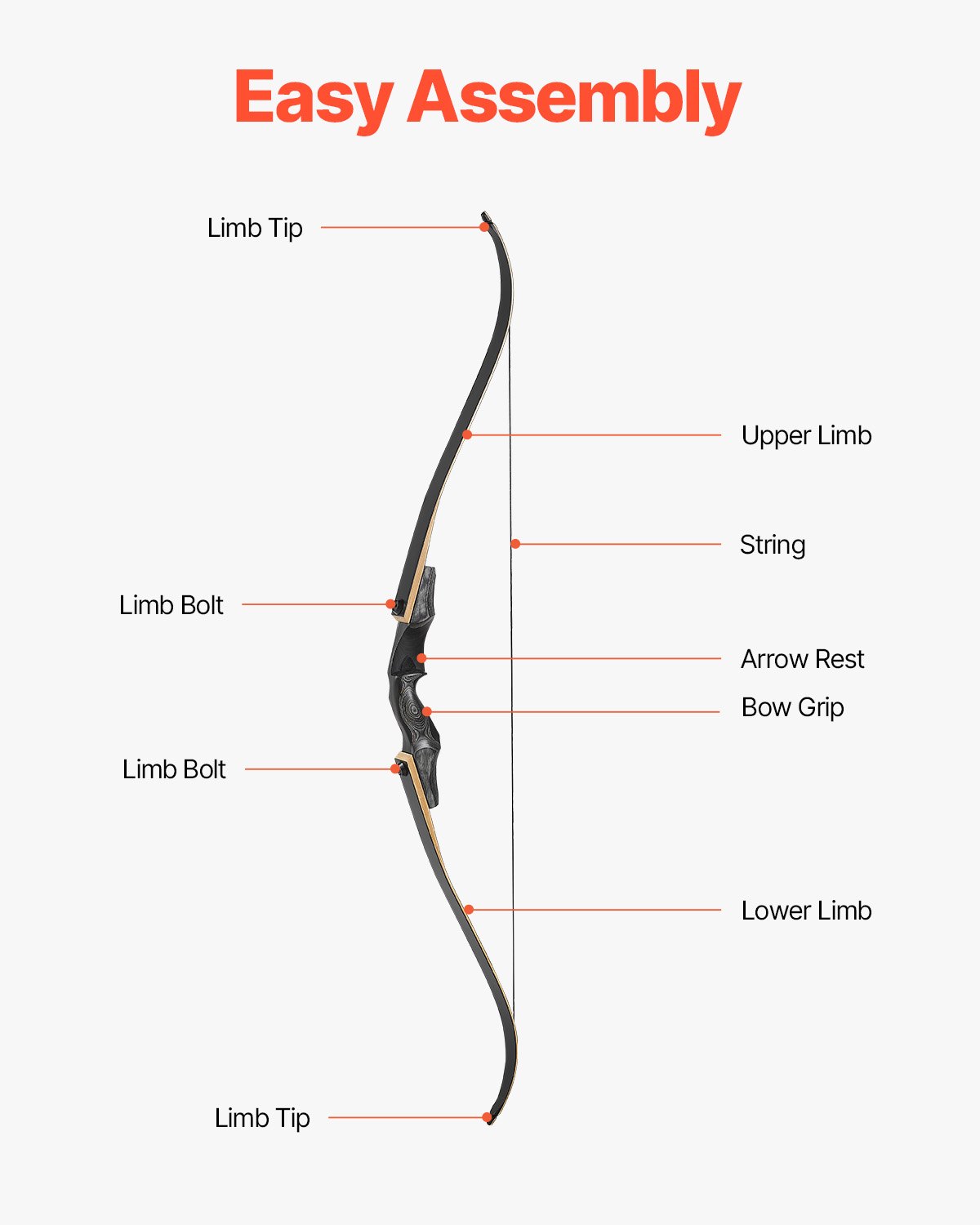
If you bought a take-down recurve with an ILF or bolt-down riser, you can change the draw weight yourself in about two minutes — no press, no shop visit. Each limb attaches with a limb bolt, and turning those bolts evenly shifts the weight up or down by 5–10% of the limb’s rating. This is the single best argument for buying a take-down over a one-piece bow as a beginner: the bow grows with you.
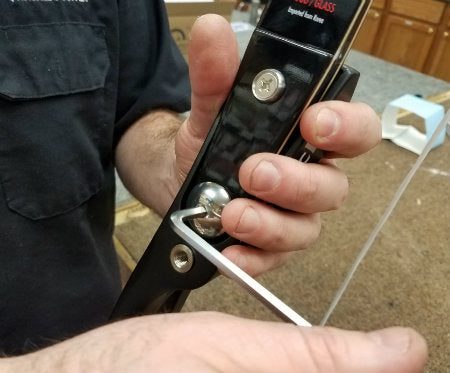
Backing the limb bolts out reduces poundage; snugging them in adds it.
To back the weight down, loosen each limb bolt the same number of turns — usually the manufacturer allows up to three or four full turns from fully seated. Turning both bolts in until they bottom out gives you the limb’s maximum rated weight; backing them out drops it toward the minimum. The two golden rules: never exceed the maximum the maker specifies, and always adjust both limbs by the identical amount so your tiller stays balanced.
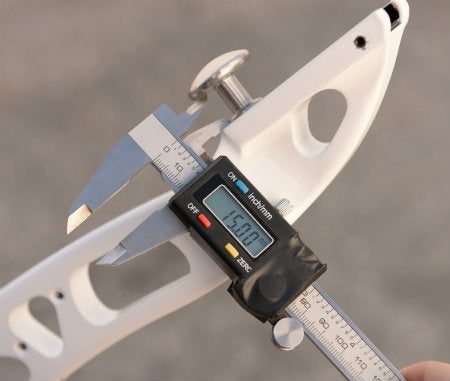
Track your bolt turns so both limbs stay matched to the same poundage.
The other path — and the one competitive archers rely on — is a proper take-down where you simply swap in a lighter or heavier pair of limbs. You keep the riser you’ve learned to love and change limbs as your strength climbs, often reselling the outgrown pair. Once your bow is set, learn to string it safely with our step-by-step guide on how to string a recurve bow.
When Should You Increase Your Draw Weight?
Move up when you can shoot 60–70 arrows in a session with the last arrow looking as clean as the first — not before. Poundage jealousy sends beginners up the ladder months too early. The honest test isn’t whether you can draw a heavier bow once; it’s whether you can hold your current bow at full draw for 8–10 seconds, eyes closed, and release without the pin or point wandering off target.
When you do step up, go in 2–5 lb increments, never more. A jump of 10 lbs at once reintroduces every over-bowing habit you just spent weeks fixing. Give each new weight two or three weeks to settle into muscle memory before the next bump. Building draw-specific strength between steps — light-band pulls, holding drills, reverse-draw reps — shortens the plateau dramatically.
Draw Weight for Bowhunting: The Legal Minimums
Bowhunting flips the priority: now the weight has to be heavy enough to kill cleanly, and most states set a legal floor. Many North American jurisdictions require a minimum of 35–40 lbs of draw weight to hunt deer-sized game, and 40–45 lbs is the practical baseline most bowhunting educators recommend for reliable penetration. A beginner who wants to hunt within a year has to plan their strength curve accordingly.
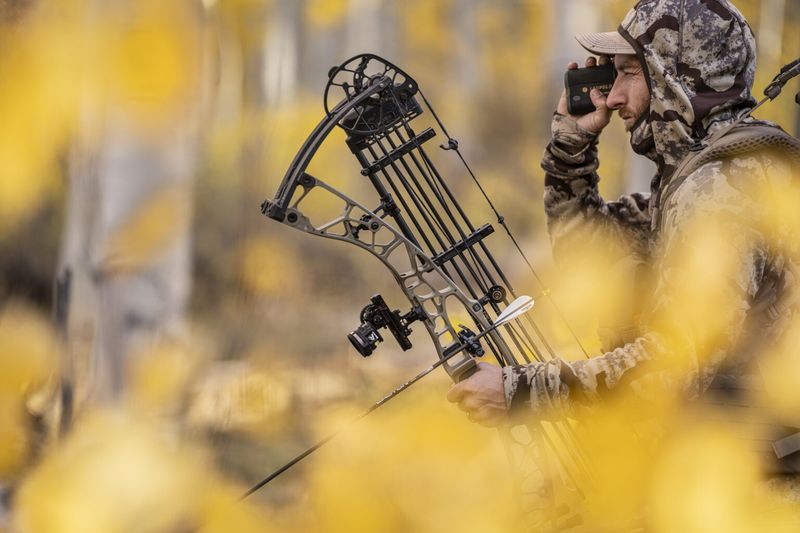
Ethical bowhunting demands enough draw weight for clean penetration — usually 40 lbs and up.
Here’s the mistake that ends hunts before they start: a new archer buys a 60-lb compound because that’s what the hunting forums glorify, then can’t draw it smoothly from a treestand in cold weather with a heavy coat on. Buy a bow whose hunting-legal weight you can draw comfortably while seated and cold, not just standing warm at the range. Arrow weight and broadhead choice do as much for penetration as raw poundage — a well-built 45-lb setup out-penetrates a poorly matched 60-lb one every time.
Common Draw Weight Mistakes Beginners Make
The errors below account for the majority of frustrated first-year archers I’ve watched quit. None of them are about talent — they’re all about the number on the limb.
- Buying for their future self. “I’ll grow into it” is how a bow ends up in a closet. Buy for the archer you are today.
- Copying a friend’s poundage. Draw weight is personal — it depends on your build, draw length, and how often you can train.
- Ignoring draw length. A longer draw quietly adds pounds to the rated weight; two archers with the same bow can pull very different forces.
- Skipping the light-limb phase. Time on a 20-lb bow isn’t wasted — it’s where the form that makes the 30-lb bow accurate gets built.
- Jumping weight to chase distance. Groups tighten with reps, not poundage. More weight on a broken shot just misses harder.
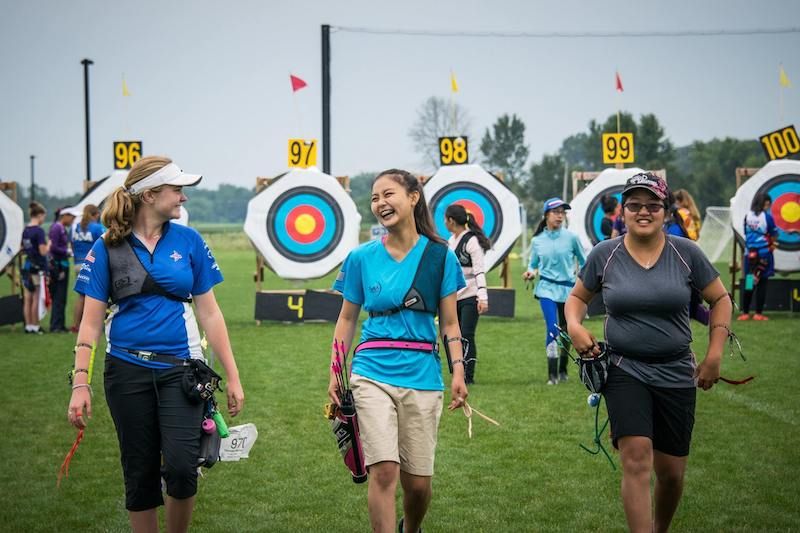
Junior programs prove the point: featherweight bows plus thousands of clean reps build champions.
Watch: Draw Weight Explained for Beginners
This short breakdown walks through what draw weight actually is and why picking the right number early saves you a season of bad habits.
Start Light, Aim True, Then Climb
Here’s the part nobody selling you a bow will say out loud: the archers who progress fastest are almost always the ones who started too light, not too heavy. A season on manageable poundage is a season of clean repetitions, and clean repetitions are the only thing that turns into scores. Set your bow where you can control it today, put in the arrows, and let your strength earn the next few pounds instead of borrowing them. Ready to get set up right? Browse our beginner recurve setup guide and start with a weight you’ll actually enjoy shooting.
Sources
- World Archery — Recurve Equipment — Official governing-body overview of recurve bow anatomy and take-down limbs.
- Lancaster Archery Supply — Adjusting Recurve Draw Weight — How limb-bolt turns change poundage on ILF risers.
- Archery 360 — Ultimate Beginner’s Guide to Archery — Beginner equipment and starting-weight recommendations.
- Field & Stream — Best Compound Bows, Tested — Hunting draw-weight context and compound let-off explained.
Browse archery bows, arrows, and accessories at the Archery Supplier shop →
