Archery Blog
Draw Weight for Deer Hunting: The Essential 2026 Guide
Jun
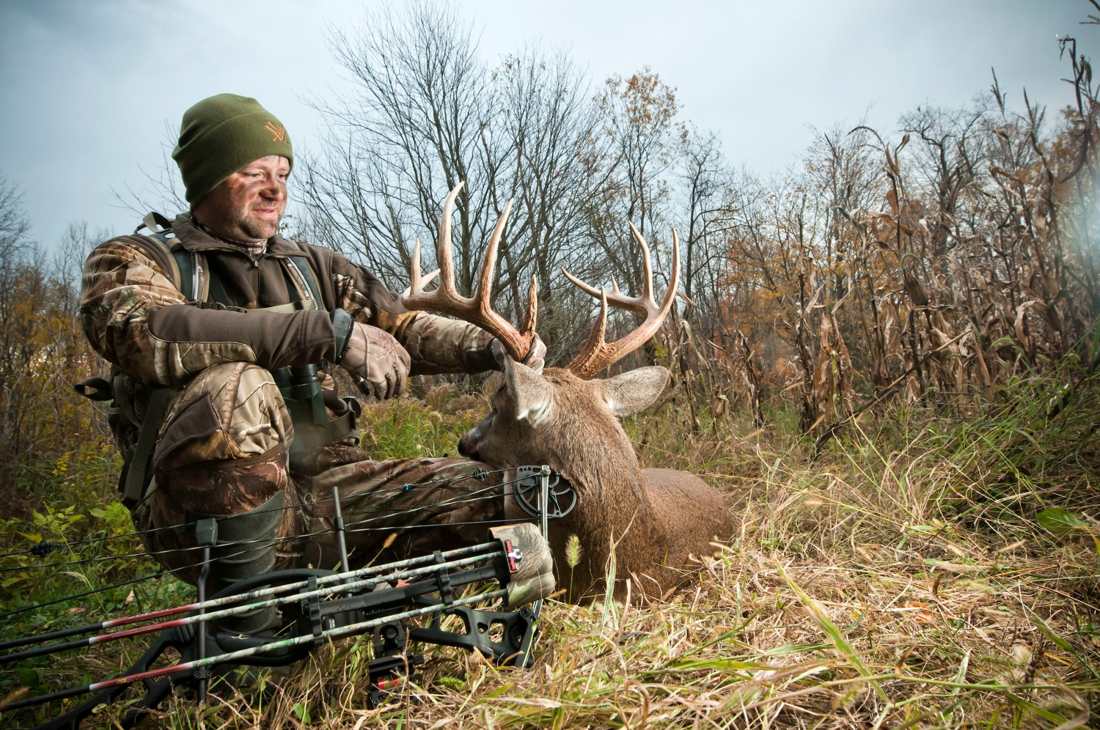
Easton’s longstanding bowhunting guideline puts whitetail deer in the 25–41 ft-lbs kinetic-energy bracket — a window most hunters clear at 45 pounds with a well-matched arrow. Yet the question of draw weight for deer hunting still trips up new bowhunters every fall, usually because they confuse “more poundage” with “more lethal.” The two are related, but they are not the same thing. This guide breaks down the legal minimums, the real-world numbers that put deer down fast, and how to land on a draw weight you can actually shoot when a buck is standing under your stand and your hands are shaking.
How Much Draw Weight Do You Need for Deer Hunting?
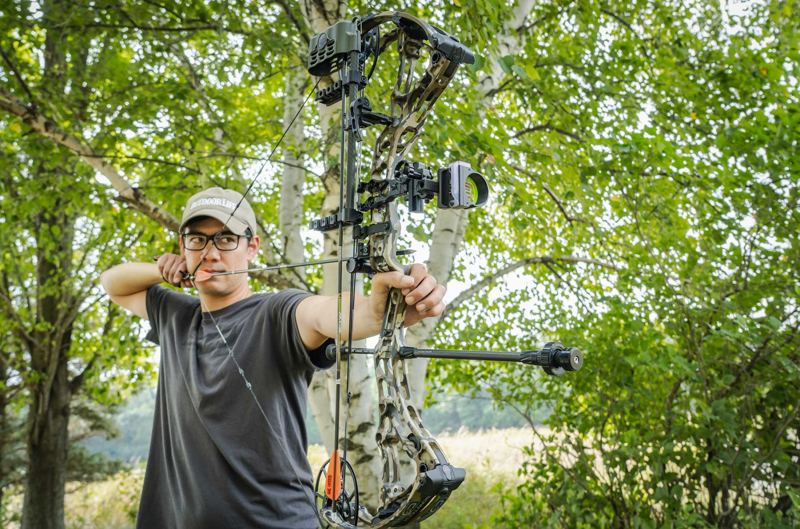
For deer, the honest answer is 40–60 pounds, and most hunters are best served right in the middle of that range. Forty pounds is where the majority of states set the legal floor, and it is genuinely enough to kill a whitetail with the right arrow and broadhead. Climb to 50 or 55 and you buy yourself a flatter trajectory, more forgiveness on quartering shots, and confidence on a larger-bodied deer.
Here is the part the gear-shop bravado skips: a 2026 flagship bow at 55 pounds outpenetrates a decade-old bow at 65. Cam efficiency, longer power strokes, and better string materials mean today’s bows wring more arrow speed out of every pound. So the number on your limb bolts tells you less than it did fifteen years ago. Chasing 70 pounds because that’s what your buddy shoots is how people end up flinching, short-drawing in the cold, and missing the one shot the season hands them.
Minimum Draw Weight for Deer: Legal vs. Lethal
The minimum draw weight for deer breaks into two separate questions. Legally, most states require 40 pounds, though a handful set it at 35 and a few specify a minimum arrow weight or broadhead width instead. Always check your state’s regulation before you set up — Pennsylvania, for example, mandates 35 pounds, while many western states list 40.
Lethally, the floor is lower than the law. Easton notes that an archer who can only draw 35 pounds comfortably can still build a setup that reaches the kinetic energy and momentum needed to take a deer ethically, provided the arrow and broadhead are tuned for it. The lesson: legal minimum and lethal minimum are not the same, and a lighter, well-built rig beats a heavy, poorly-matched one every time.
How Much Draw Weight to Kill a Deer? Think Kinetic Energy
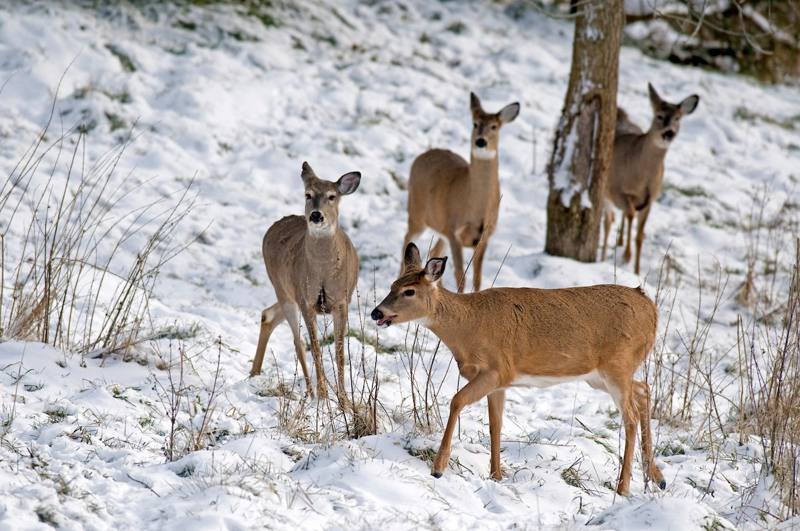
Draw weight is just the input. The output that actually drops a deer is kinetic energy — the punch your arrow carries when broadhead meets hide. Kinetic energy is calculated as arrow weight in grains multiplied by velocity squared, divided by 450,800. Two bowhunters at identical poundage can land in completely different lethality brackets depending on arrow weight and tune.
Easton publishes the bracket most of the industry references:
| Game | Kinetic Energy Needed |
|---|---|
| Small game, turkey | Under 25 ft-lbs |
| Whitetail, antelope, mule deer | 25–41 ft-lbs |
| Elk, black bear, wild boar | 42–65 ft-lbs |
| Cape buffalo, grizzly, big game | Over 65 ft-lbs |
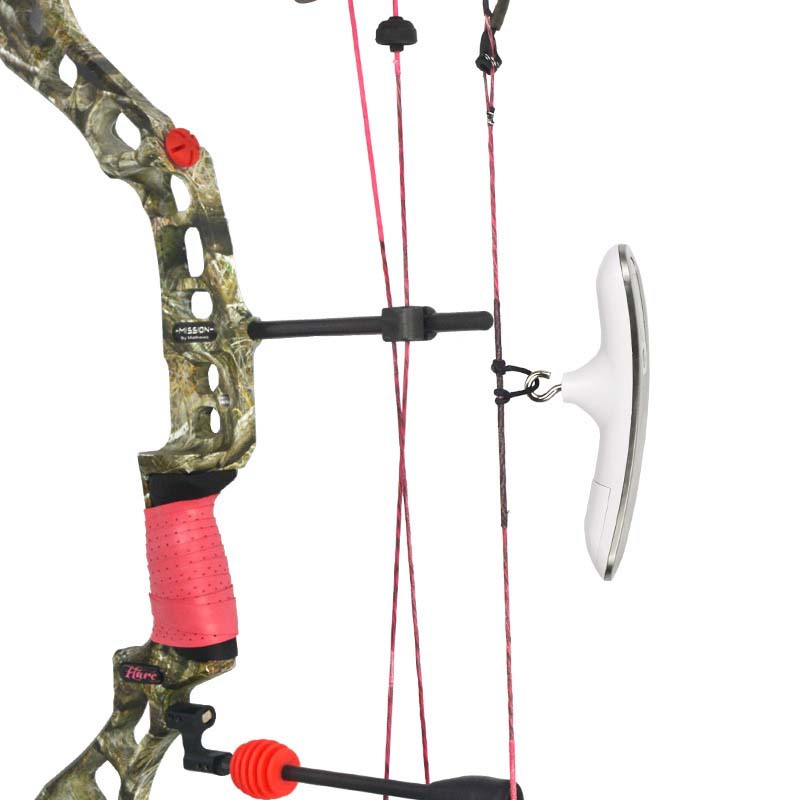
A typical setup — 50 pounds, a 420-grain arrow leaving the bow near 270 fps — produces roughly 34 ft-lbs, comfortably inside the deer window. Bump the arrow heavier and you trade a little speed for more momentum, which is what carries a broadhead through bone. This is exactly why measuring your real numbers beats guessing.
Draw Weight for Elk and Bigger Game
Elk move the goalposts. They are roughly five times the body mass of a whitetail, with thicker hide and heavier bone, so the kinetic-energy target jumps to 42–65 ft-lbs. Most guides and outfitters want to see 50 pounds as a working minimum for elk, and the comfortable majority of elk hunters run 60–70.
That said, poundage alone won’t save a marginal shot. A 60-pound bow throwing a heavy, high-FOC arrow with a tough fixed-blade broadhead will out-penetrate a 70-pound bow shooting a light arrow and a flimsy mechanical. If elk or bear are on your radar, build the whole system around penetration — heavier arrows, a strong single-bevel or fixed head, and a draw weight you can still hold steady after a 2,000-foot climb.
Why Higher Draw Weight Isn’t Always Better
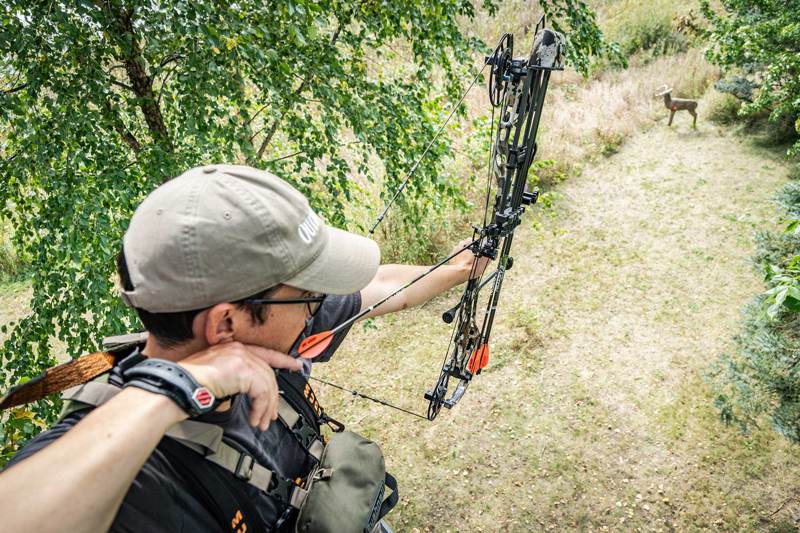
The truth is, most blown bow shots aren’t caused by too little draw weight — they’re caused by too much. Overbowing wrecks form. It pulls your anchor, makes you punch the trigger, and turns the smooth draw you practiced all summer into a grunting heave that spooks game and scatters arrows.
Run the chair test before you trust any number. Sit down, point the bow at the ceiling, and draw straight back without raising the bow above your shoulder or rocking your body. If you can’t pull it cleanly while seated, you can’t pull it from a cramped treestand in twenty-degree cold under three layers of clothing. A second gut-check: you should be able to shoot the bow thirty times in a row without your form falling apart. If shot fifteen has you shaking, drop five pounds. Nobody ever lost a deer because their bow was a touch light and dead accurate.
Draw Weight Chart by Body Type
Body size and strength set your realistic starting point far more than your ambitions do. Use this as a baseline, then adjust up or down based on the chair test, not ego.
| Archer | Suggested Draw Weight |
|---|---|
| Smaller youth (70–100 lbs) | 15–25 lbs |
| Smaller-frame woman (100–130 lbs) | 25–35 lbs |
| Average woman / smaller man (130–160 lbs) | 35–50 lbs |
| Average man (150–180 lbs) | 55–65 lbs |
| Larger, athletic man (180+ lbs) | 60–70 lbs |
Your draw length matters here too — a longer power stroke generates more energy at the same poundage, so a tall archer at 55 pounds may hit numbers a shorter shooter needs 60 to reach.
How to Increase Bow Draw Weight Safely
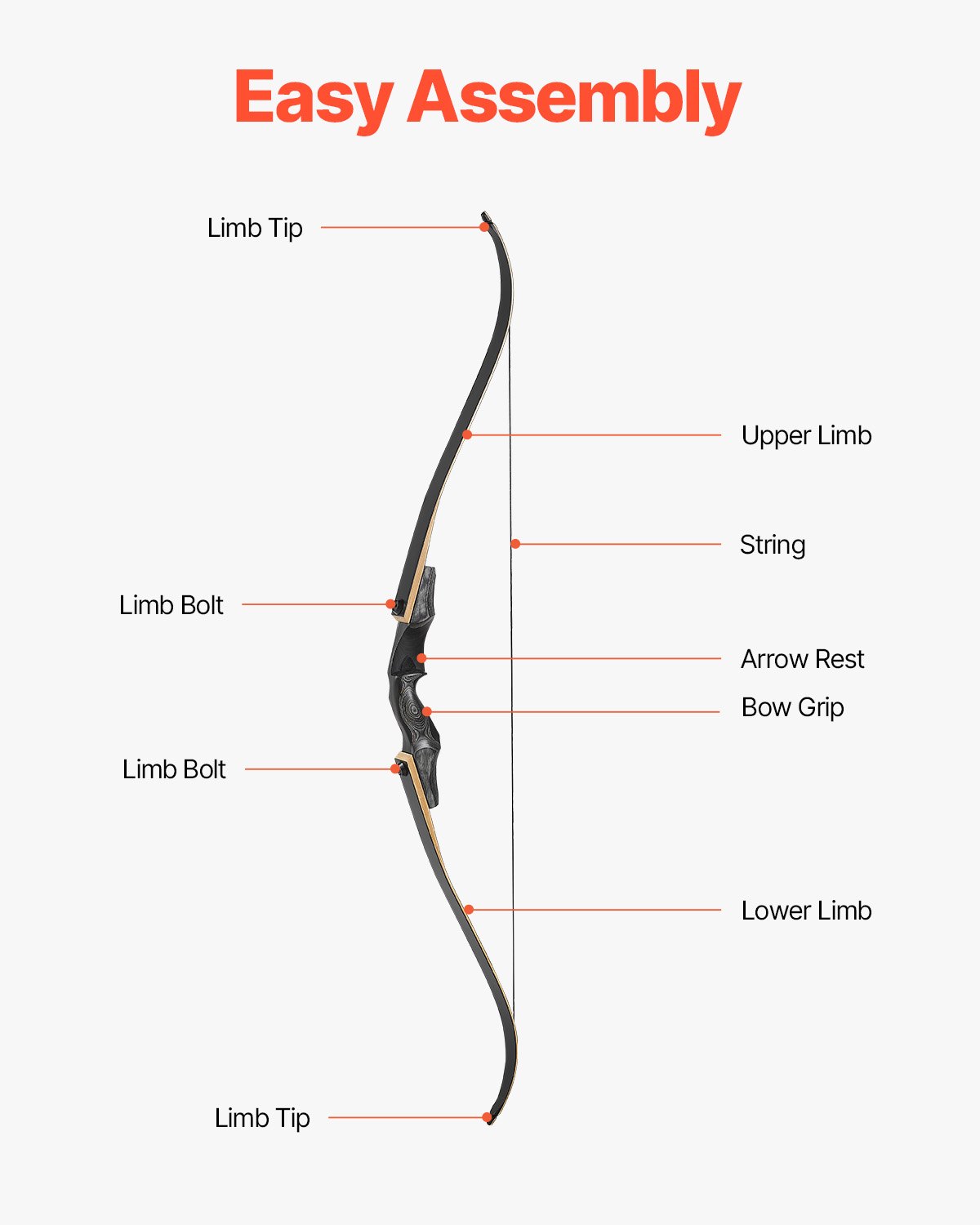
Starting lighter and building up is the smart play, and on a compound bow it’s a five-minute job. The limb bolts — the big knobs where the limbs meet the riser — control the weight. Turn both clockwise in equal increments to add poundage, counterclockwise to drop it. One full turn typically changes weight by about two pounds, and you must keep the top and bottom bolts even to preserve cam timing.
Most compounds offer a 10-pound adjustment range from each set of limbs (say, 50–60 pounds), so buy a bow whose range straddles your goal. Make small changes, shoot a few dozen arrows, and let your muscles catch up over a few weeks before adding more. Recurve and traditional shooters increase weight differently — by buying heavier limbs or moving up a bow entirely — which is why starting at a manageable poundage matters even more on a stickbow.
Match Your Arrows and Broadheads to Your Draw Weight
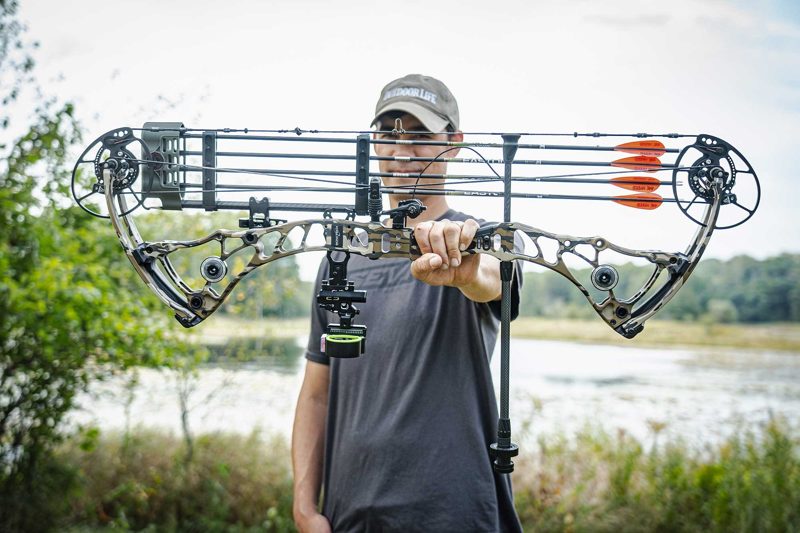
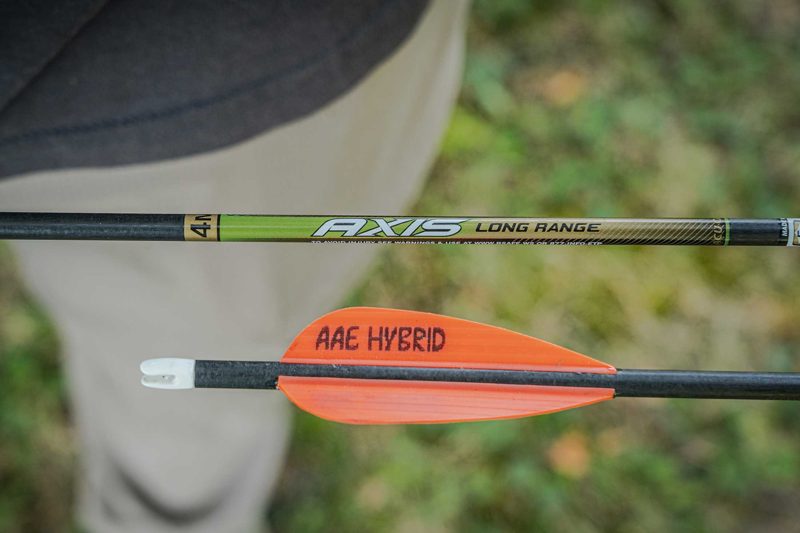
Draw weight never works alone. Arrow spine has to match your poundage and draw length or the arrow won’t fly straight, and arrow weight decides how much of your energy survives the trip downrange. A heavier arrow keeps more momentum on contact, which is why deep-penetration setups lean toward total weights north of 420 grains rather than chasing top-end speed.
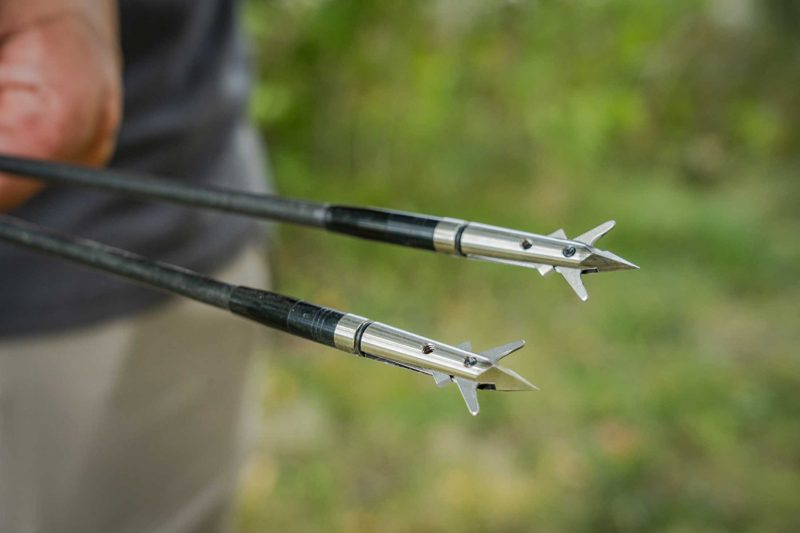
Broadhead choice follows the same logic. At moderate draw weights, a low-profile fixed blade or a smaller-diameter mechanical opens cleaner and penetrates deeper than a wide expandable that bleeds energy on impact. Dial in your arrow selection first, then settle the broadhead question against the kinetic energy your bow actually produces. And before opening day, run through a full bowhunting gear checklist so the rig you tuned is the rig in your hand.
Watch: How Much Draw Weight Do You Really Need?
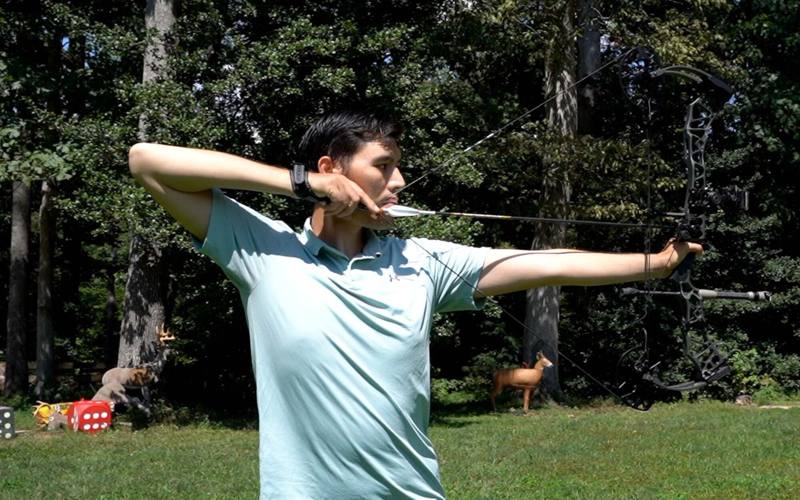
Bowhunt or Die walks through the same trade-offs — legal minimums, comfort, and what poundage genuinely does in the field:
Draw Weight FAQs
Can you kill a deer with a 40-pound bow? Yes. Forty pounds is the legal minimum in most states and clears the kinetic-energy bar for whitetail when paired with a properly-spined arrow and a sharp, low-profile broadhead. Keep shots inside 30 yards and place them well, and 40 pounds is plenty.
Is 60 pounds of draw weight too much for deer? Not at all — 60 pounds is a common and effective whitetail draw weight that gives you a flatter trajectory and margin on bigger-bodied deer. It is only “too much” if you can’t hold it steady and shoot it repeatedly without straining. Comfort decides, not the number.
What draw weight should a beginner start with? Start lighter than you think and build up. New adult shooters often do well at 40–50 pounds, learning clean form before adding poundage a few pounds at a time. Form built on a draw weight you can manage transfers; form built on a bow you’re fighting does not.
Does draw weight affect arrow speed? Yes, but it’s only one input. Heavier draw weight adds speed, while a heavier arrow trades some of that speed for momentum. Two bows at the same poundage can shoot very different speeds depending on arrow weight, draw length, and cam efficiency — which is why you measure your own setup rather than trust the limb-bolt sticker.
The Bottom Line on Draw Weight
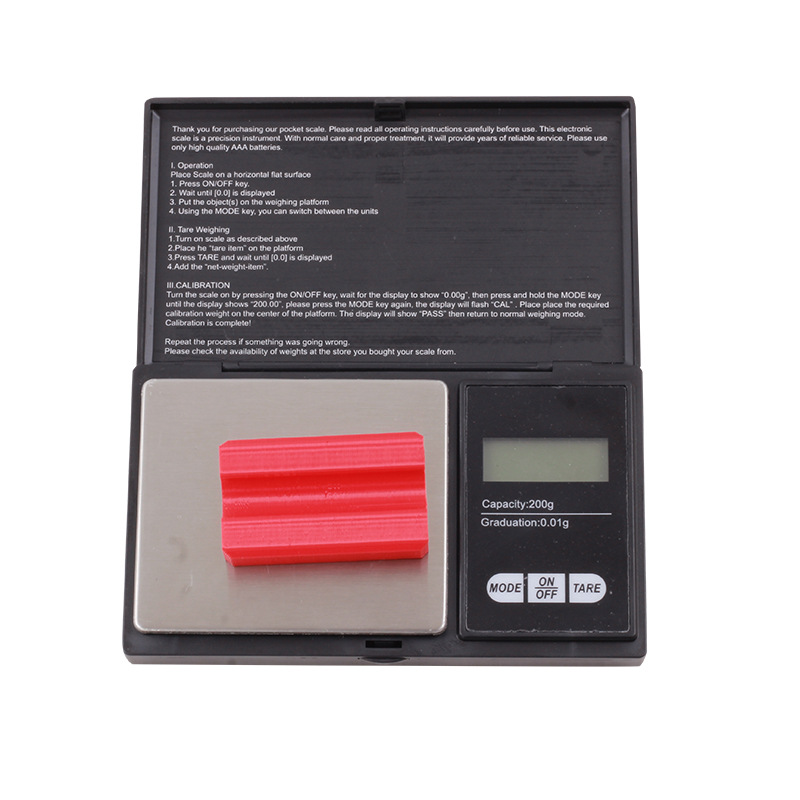
Set up for the worst shot of the season, not the range session in July. Pick the highest draw weight you can draw slowly, hold steady, and shoot thirty times without breaking form — then match a properly-spined arrow and a broadhead to the kinetic energy that combination produces. Do that and a 50-pound bow will put deer down as dead as a 70-pound bow, with a fraction of the missed opportunities. Grab a bow scale, confirm your real numbers, and tune the whole system before you ever climb into the stand.
Sources
- Easton Archery — Minimum Draw Weight to Kill a Whitetail — kinetic energy brackets by game animal
- Bowhunting.com — How Much Draw Weight for Hunting — comfort and the 30-shot rule
- Realtree — The Best Draw Weight for Bowhunting — modern bow efficiency vs. raw poundage
- GoHunt — What Is the Ideal Draw Weight for Bowhunting — elk and big-game recommendations
Browse archery bows, arrows, and accessories at the Archery Supplier shop →
Shop on Amazon
Hunting Arrows on Amazon →
As an Amazon Associate we earn from qualifying purchases.
Shop on eBay
Hunting Archery on eBay →
We may earn a commission when you shop through our eBay links.
