
Archery Blog
Drop-Away vs Containment Arrow Rest: Which One Should You Choose?
Jul
The two most common arrow rest designs on compound bows today answer the same problem from opposite directions: how do you hold an arrow in place while drawing a bow and then get completely out of the way the instant you fire? One solves it with moving parts and precise timing. The other solves it with bristles and zero moving parts. Both work — but not equally well in every situation.
What Is a Drop-Away Arrow Rest?
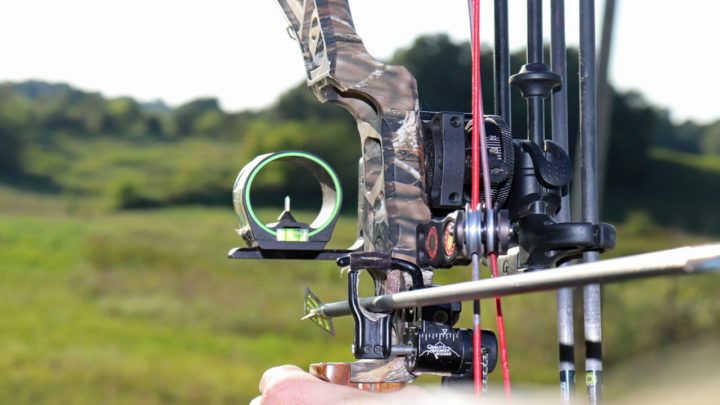
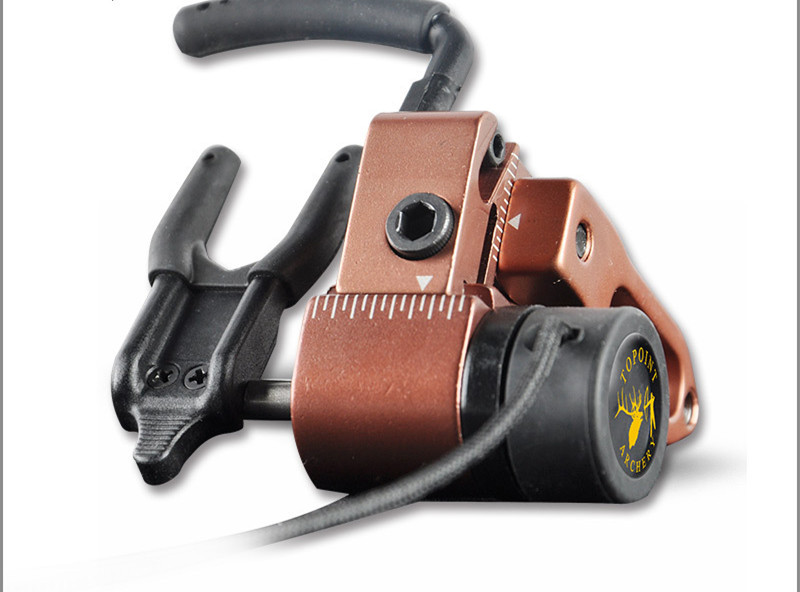
A drop-away arrow rest — also called a fall-away rest — holds the arrow on a raised launcher arm during the draw cycle, then drops the launcher completely out of the arrow’s path the instant the string is released. The drop is triggered by a cord that connects the rest to either the bow’s cable system (cable-driven) or directly to one of the limbs (limb-driven).
The distinction between cable-driven and limb-driven matters more than most buyers realize. Cable-driven rests tie into the downward-moving cable and depend on precise cord length to time correctly. Limb-driven rests attach to the lower limb and drop when the limb springs back toward brace — which happens faster and more reliably in cold temperatures. For a first drop-away purchase, limb-driven designs like the Vapor Trail Limb Driver Pro and Hamskea Hybrid Hunter Pro are more forgiving to install and less sensitive to cam timing variations.
The main advantage is complete fletching clearance. Because the launcher falls before your vanes reach that position, you can shoot aggressive helical fletching, 4-inch vanes, and large mechanical broadheads without any concern about contact between the fletching and the rest. That matters when you’re pushing arrows at 295+ fps with cut-on-contact heads that need steering more than field points do.
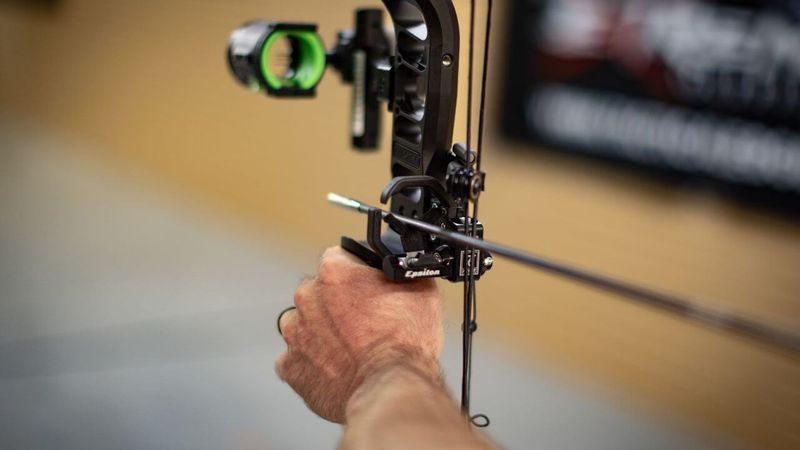
The tradeoff is mechanical complexity. A drop-away rest has more moving parts than any other rest type. Setup involves tying a cord to the correct cable or limb, verifying that the launcher rises to full height at full draw, confirming the rest drops before the vanes arrive — typically within 3–4 inches of arrow travel after release — and paper-tuning to confirm clean bullet holes. For most archers, this takes 45–60 minutes the first time. In extreme cold, some cable-driven designs can be sluggish enough to cause fletching contact on the first shot of the morning.
What Is a Containment Arrow Rest?
A containment rest — also called a full-capture rest — surrounds the arrow shaft on all sides and holds it securely from the moment you nock the arrow through the entire shot. The most recognized design is the Trophy Ridge Whisker Biscuit, which uses a circular frame filled with stiff bristle fibers. Other containment designs use rubber arms or a rigid plastic cage instead of bristles, but the function is the same: the arrow cannot fall off regardless of how you hold the bow.
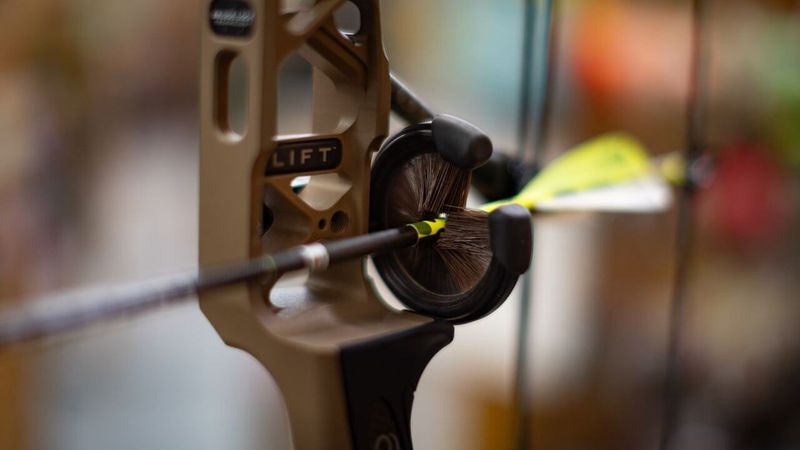
There are no moving parts. No cord to tie in, no timing to set, no launcher arm to height-adjust. You mount the rest, set center shot, verify your nocking point height, and shoot. That simplicity explains why the whisker biscuit dominated deer camps for over a decade — hunters were tired of drop-away cords breaking mid-season or arrow rests falling off during 20-foot tree climbs with a loaded bow.
The bristles make slight contact with the fletching through the shot. This slows the arrow by a measurable but small margin — typically 2–5 fps compared to a clean drop-away. It also introduces minor drag on the vanes, which can show up as a 1–2 inch deviation at 60 yards compared to a drop-away with identical components. At 30 yards, you will not notice this. At 60 yards in a stiff crosswind, you might.
There’s a counterintuitive benefit worth noting: containment rests can improve consistency for new shooters. The bristle contact creates a resistance that exposes form errors immediately. Some coaches start beginners on whisker biscuits specifically because the arrows tell you when something went wrong in the release — you can’t hide a bad shot behind perfect fletching clearance.
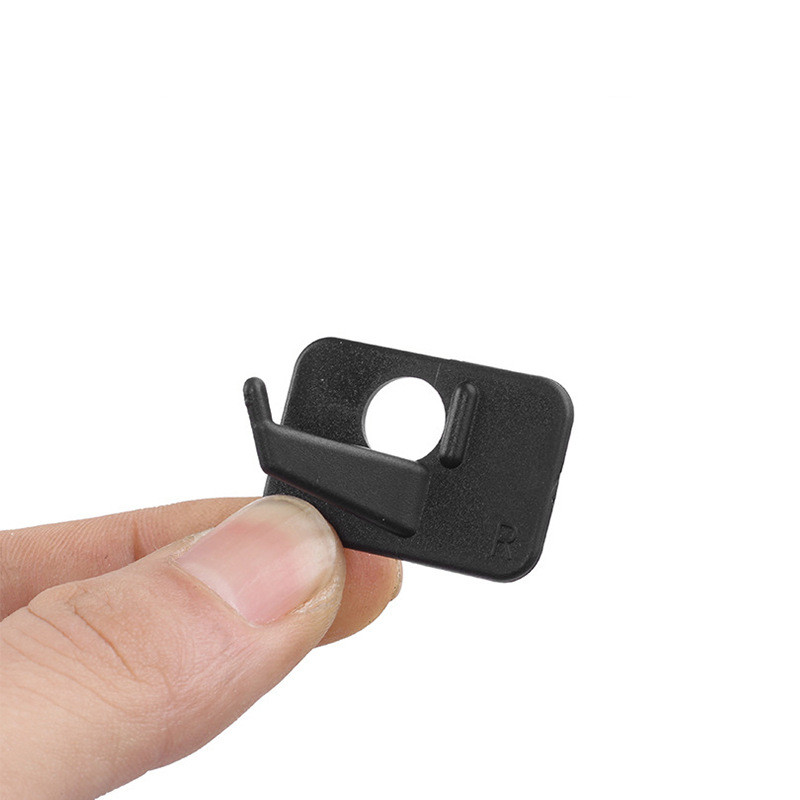
Accuracy: Where the Two Designs Actually Diverge
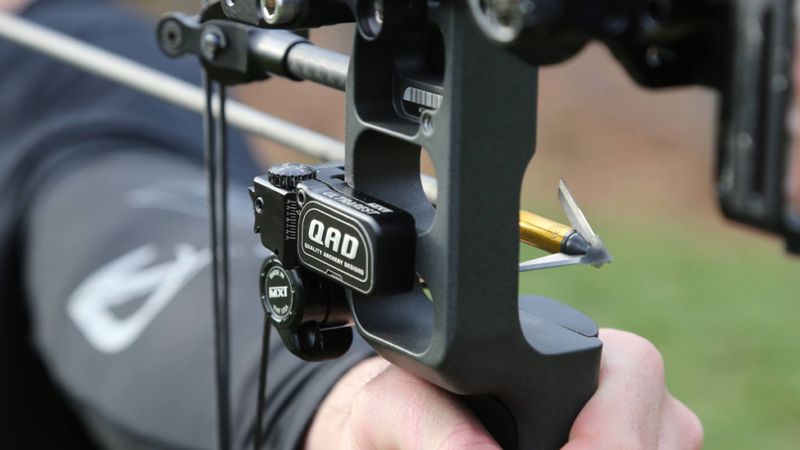
A properly installed drop-away rest produces the cleanest possible arrow flight because nothing touches the arrow after the string leaves your fingers. This matters most with broadheads, which create more aerodynamic drag and are more sensitive to vane-rest contact than field points. Hunters who switch from a containment rest to a drop-away and see immediate broadhead grouping improvement were almost always experiencing subtle fletching contact on their old setup without knowing it.
The performance gap between a tuned drop-away and a containment rest at typical hunting distances — under 40 yards — is small enough that most hunters won’t detect it on paper. The gap widens significantly at 50–70 yards, where the speed difference and minor vane drag from the containment rest compounds with distance. Western bowhunters regularly shooting elk at 60+ yards across open terrain choose drop-aways specifically for this reason.
That said, a drop-away’s accuracy advantage only exists if the rest is installed and timed correctly. A drop-away that’s slightly out of timing — or one where the cord slipped and now contacts the fletching — shoots worse than a well-set containment rest. If you’re not willing to do the setup work, the containment rest’s consistent simplicity beats a poorly tuned drop-away every time.
Which Rest Wins for Bowhunting?
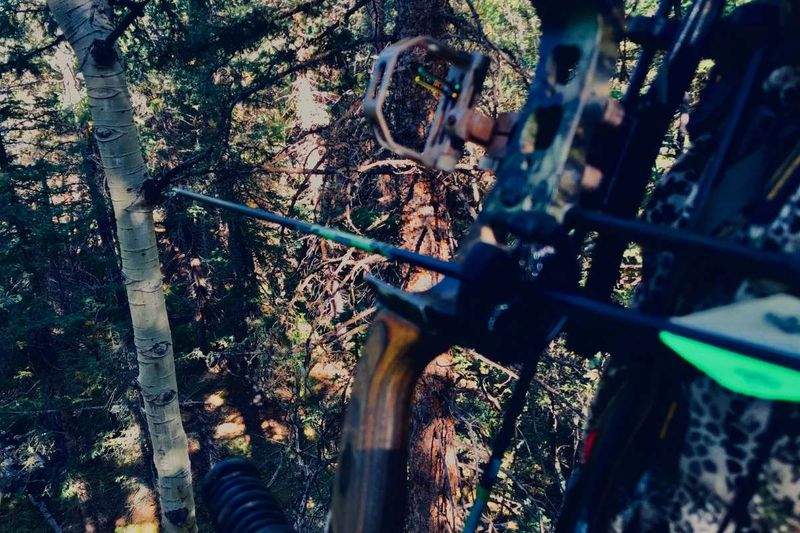
Both rest types have killed more deer than any statistic can track. The real question is which one matches your hunting style and shooting distance.
Containment rests make sense if: you hunt from tree stands and regularly nock an arrow before climbing, you still-hunt through heavy brush where the bow gets bumped, you operate in extreme cold (below 20°F) where mechanical reliability matters most, or your shots consistently stay inside 35 yards. The containment rest won’t let the arrow slip off during a 25-foot climb, won’t malfunction if a cord snags a branch, and won’t leave you troubleshooting mechanics when a buck steps out at 7 AM.
Drop-away rests make sense if: you shoot large mechanical broadheads with wide-diameter blades, you run 4-inch helical fletching, your shots regularly reach 50–60 yards in open terrain, or you’re already comfortable with basic bow tuning and paper tuning. The drop-away rewards precision and punishes shortcuts — which is a feature if you’re a systematic tuner and a bug if you just want to go hunting.
The honest assessment for most eastern whitetail hunters: a whisker biscuit at 20–30 yards is more than accurate enough to fill a tag. The hunters who genuinely need a drop-away are the ones shooting past 50 yards, running oversized mechanical heads, or diagnosing unexplained broadhead grouping issues they can’t solve any other way. For everything else, the simplicity advantage of a containment rest is real.
Pairing your rest choice with sound shot selection matters as much as the equipment itself. Our guide to deer shot placement for bowhunting covers the angles that give you the best chance at a clean harvest regardless of which rest you’re running.
Target Shooting and 3D Archery
In organized 3D and field archery competition, drop-away rests dominate the top of the field. The small accuracy gains from complete fletching clearance compound over a full tournament of 30–40 targets shot at distances from 10 to 70+ yards. IBO and ASA top-20 finishers run drop-away rests almost without exception, typically limb-driven designs with proven cold-weather reliability.
For casual club 3D shooters who mainly hunt and shoot a few events per season, the performance difference between a tuned drop-away and a containment rest rarely shows up in the score. The exception is if you’re shooting the same bow for both hunting and competition at longer distances — in that case, the drop-away’s one-time setup investment pays for itself quickly.
Setup and Tuning: What You’re Actually Signing Up For
Installing a containment rest takes under 15 minutes. Attach the bracket to the riser shelf, set center shot with an arrow square, verify nocking point height, and shoot. If something’s off, there’s one variable: the center shot adjustment. Troubleshooting is fast.
A drop-away installation runs 45–90 minutes for most archers the first time through. You tie in the cord, set cord length so the launcher rises fully at full draw, verify timing by drawing slowly and watching the launcher, paper-tune to check for clean bullet holes, then shoot broadheads at 40 yards to confirm no fletching contact. If you get a tear instead of a bullet hole, you’re diagnosing nocking point height, center shot, cord tension, and launcher height — in that order.
Neither installation is beyond the average bow owner, but they’re not the same commitment. Once a drop-away is properly set, most archers don’t touch it for a full season. The upfront time investment is the main cost, not ongoing maintenance.
After locking in your rest, your next step is zeroing your sight. Our 7-step compound bow sighting guide walks through the full process from first shot to confirmed zero at multiple distances.
Popular Brands and What Sets Them Apart
If you’ve done the research and you’re ready to buy, these names come up consistently among serious archers for good reason:
- QAD UltraRest HDX — cable-driven with a locking arm that fully contains the arrow at full draw. One of the most refined drop-away designs available. Made in the USA with a strong warranty program.
- Vapor Trail Limb Driver Pro V — limb-driven, minimal moving parts, cold-weather reliable. The go-to choice for elk hunters who need it to function on the first draw at 5 AM in October.
- Hamskea Hybrid Hunter Pro — containment security at rest with full drop-away function at release. Genuinely bridges the two categories for hunters who want arrow security during the draw and clean clearance at the shot.
- Trophy Ridge Whisker Biscuit — the containment standard. Still dominant because it works reliably in every condition without setup complexity. Available in four bristle sizes to match different arrow diameters.
- NAP Apache — carbon fiber cage design that contacts vanes with plastic fingers instead of bristles, which proponents argue reduces drag compared to traditional whisker biscuits.
For a more detailed comparison of specific models and how they perform in real hunting conditions, see our full arrow rest type breakdown.
3 Questions That Settle the Decision
Forget the specs for a moment. Three honest answers will tell you which rest to buy:
1. What’s your longest realistic hunting shot? Inside 35 yards in eastern timber, either rest works without compromise. At 50–65 yards in open country, the drop-away’s accuracy advantage is worth the setup work.
2. How comfortable are you with bow mechanics? If you change your own strings and understand paper tuning, a drop-away is no problem. If bow tuning sounds unfamiliar and you’d rather just nock an arrow and shoot, get a containment rest and trust it.
3. What are your hunting conditions? Tree stand hunting with close shots through dense cover rewards the simplicity and reliability of a containment rest. Open-country spot-and-stalk at distance rewards the precision of a drop-away.
The best arrow rest is the one you set up correctly, maintain confidently, and can count on when the animal steps into range. Neither design will let you down in the right context — but only one of them matches how you actually hunt.
Sources
- Archery Talk Forum: Containment Rest vs. Drop Away Rest — Multi-year community discussion from experienced bowhunters comparing real-world performance of both rest types across different hunting conditions and distances.
- Woods Archery Range: Full Containment or Drop Away? — Retailer guide covering design principles, target audiences, and core installation differences between the two rest categories.
- Extreme Outfitters: Choosing the Best Arrow Rest for Compound Bows — Brand-specific comparison with bowhunting-focused analysis of drop-away and containment rest performance at hunting distances.
