Tag Archives: recurve bow

Archery Wrist Strain: Why Your Grip Is the Problem (and How to Fix It)

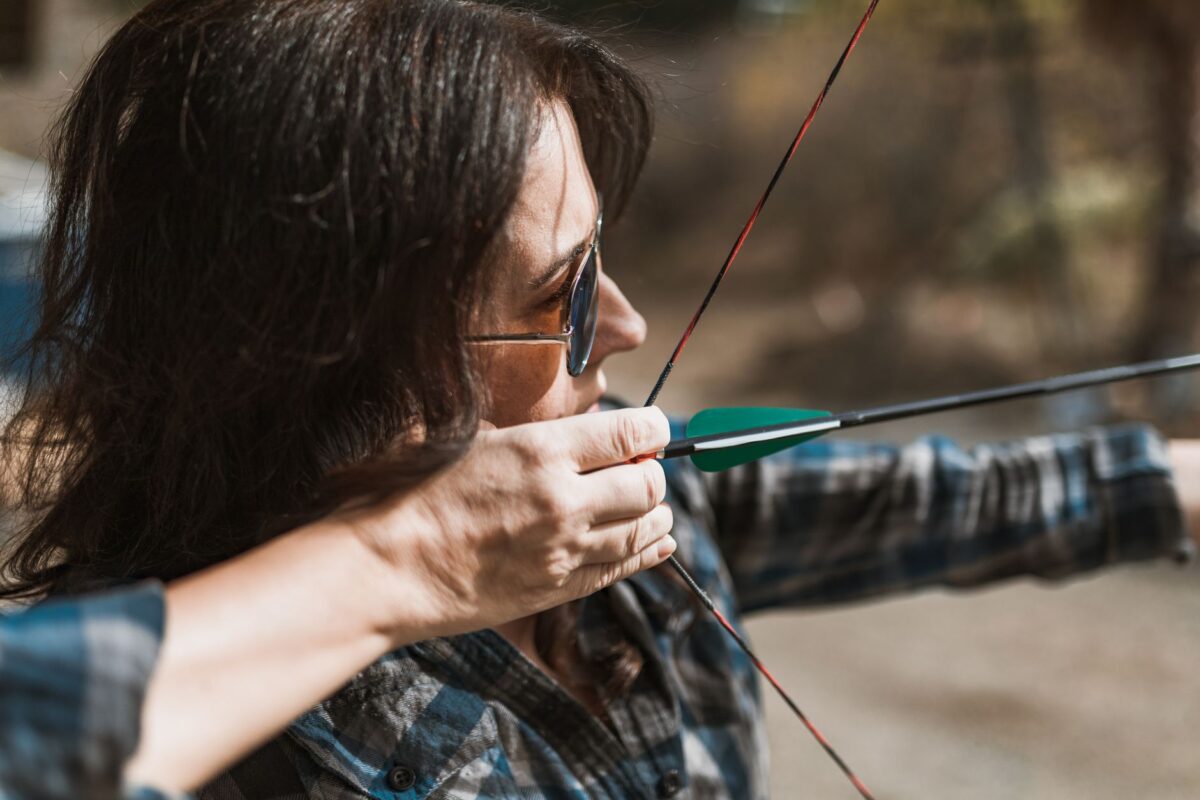
Female archer drawing recurve bow outdoors

The Death Grip and the Wrist It Destroys If you are experiencing wrist pain after archery sessions, the most likely culprit is not your wrist at all — it is your grip. Specifically, the white-knuckle grip that many beginners (and plenty of experienced archers) apply to the bow handle, squeezing it as if it might […]
Shoulder Tendinopathy in Archery: Signs You’re Doing Too Much Too Fast

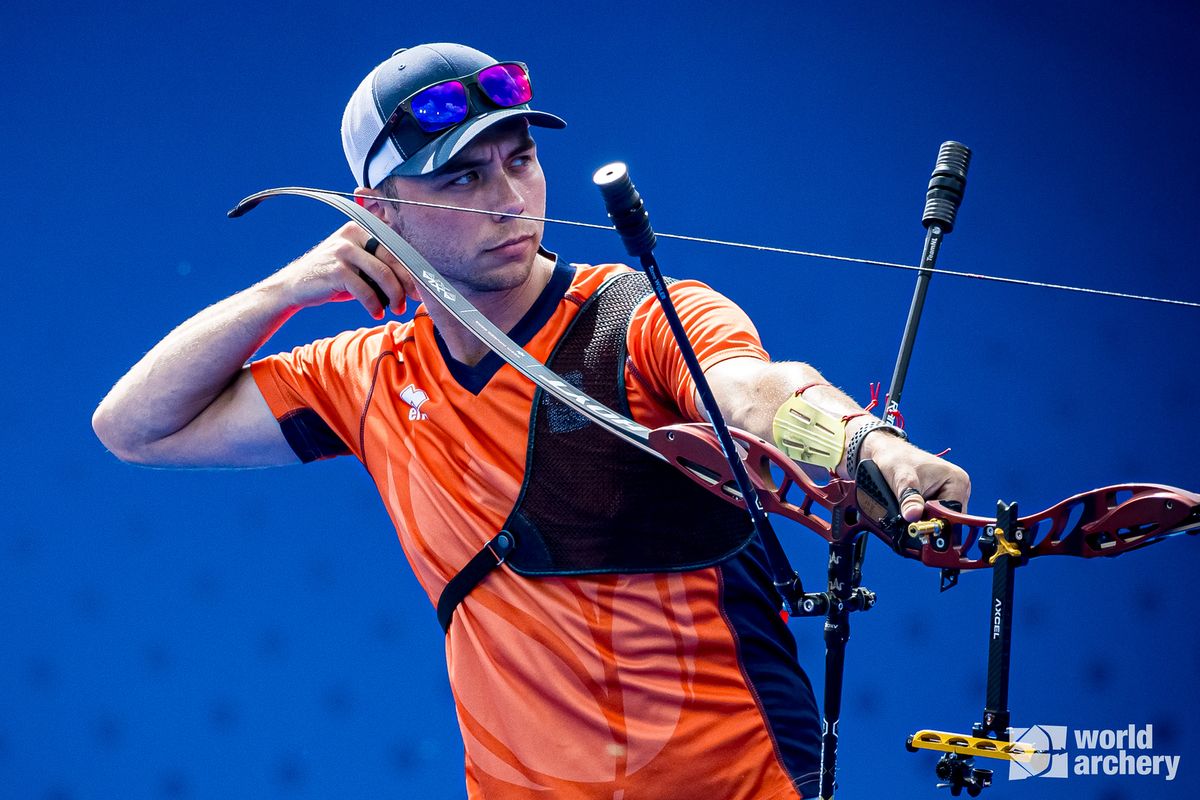
Brady Ellison archery competition practice

Tendinopathy vs. Tendinitis: Why the Distinction Matters For decades, overuse tendon injuries were called tendinitis — inflammation of the tendon. Treat the inflammation, the thinking went, and the tendon heals. The problem is that research since the 1990s has consistently shown that most chronic tendon pain involves very little actual inflammation. Instead, what happens is […]

Rotator Cuff Injuries in Archery: Prevention, Symptoms, and Recovery

Brady Ellison archery recurve bow shooting

The Rotator Cuff and Why Archery Stresses It The rotator cuff is a group of four muscles — supraspinatus, infraspinatus, teres minor, and subscapularis — and their tendons that wrap around the head of the humerus and attach it to the shoulder blade. Their job is to stabilize the glenohumeral joint (the ball-and-socket of the […]

Archer’s Elbow: How to Treat and Prevent Lateral Epicondylitis

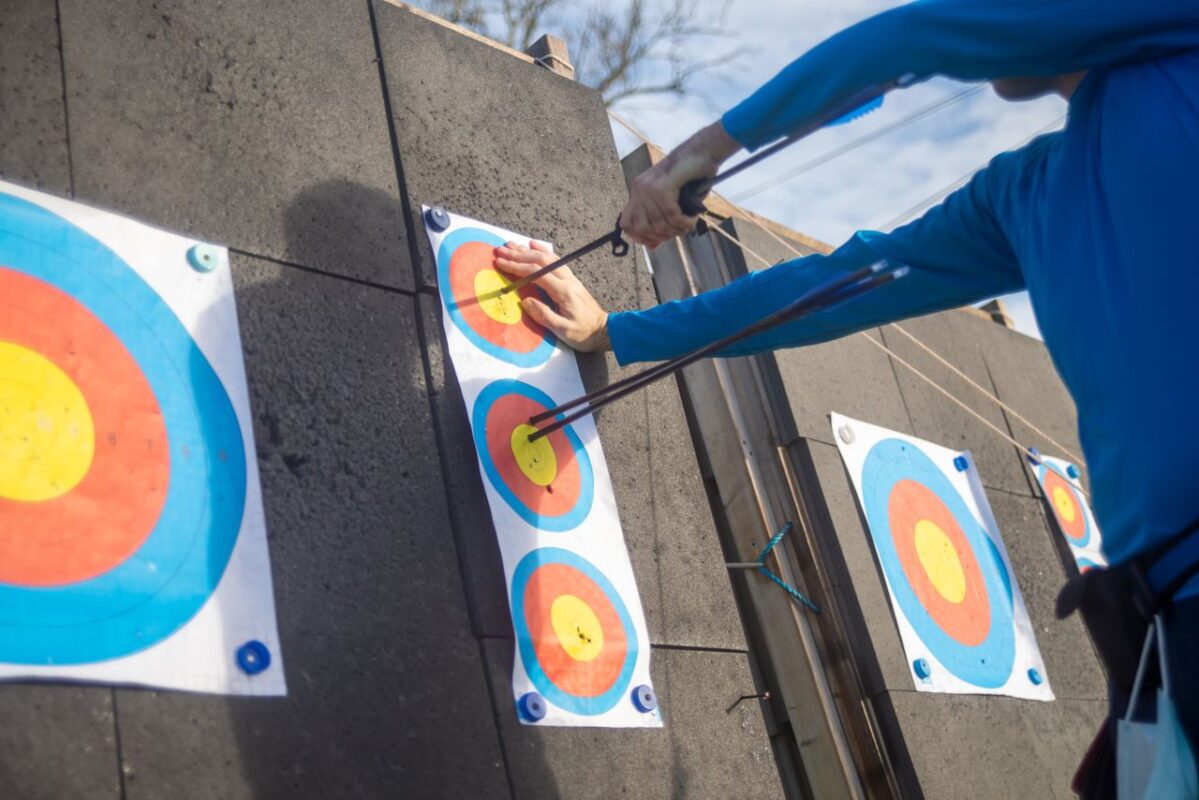
Archery arrows in target Olympic style

What Is Lateral Epicondylitis and Why Do Archers Get It? Lateral epicondylitis — commonly called tennis elbow, but just as accurately called archer’s elbow — is an overuse injury that affects the tendons attaching the forearm extensor muscles to the lateral epicondyle, the bony prominence on the outside of the elbow. When these tendons are […]

Archery String Slap: Causes, Treatment, and How to Never Get It Again

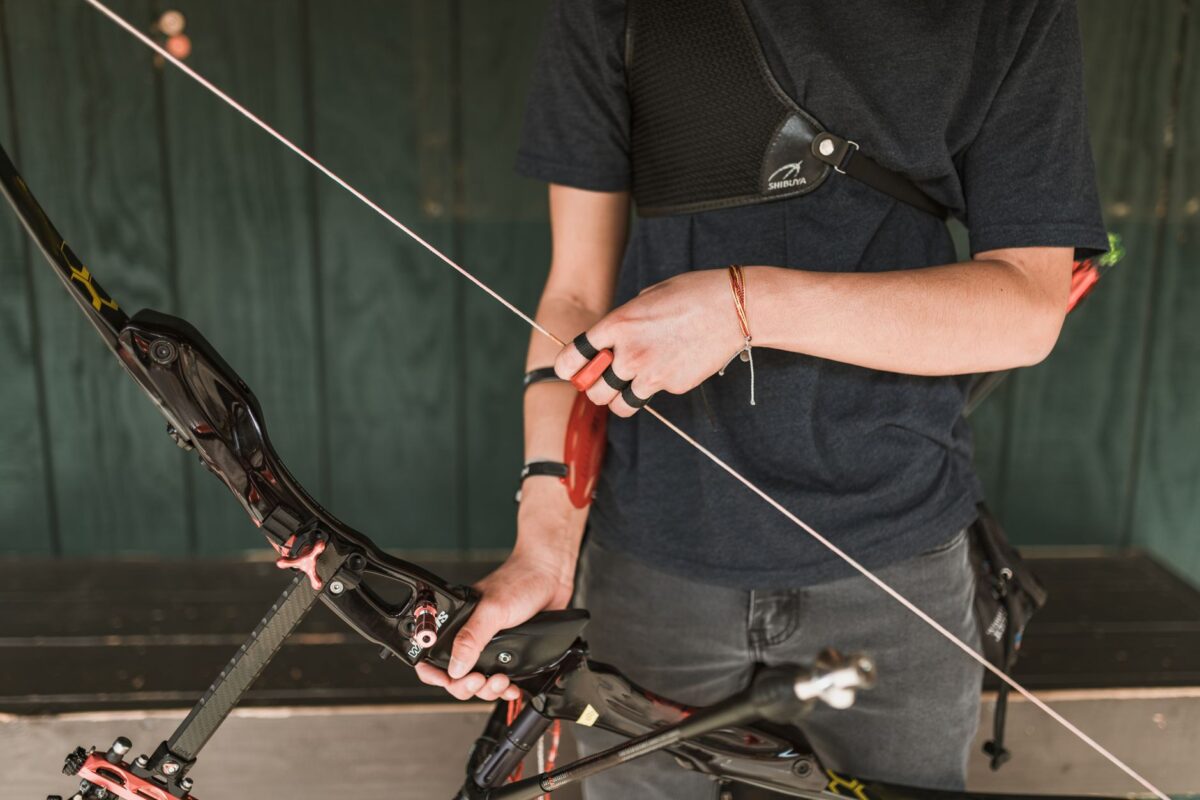
Recurve bow athlete preparing equipment for competition

What Is String Slap in Archery? String slap is the sharp, stinging contact between a bowstring and the inner forearm that happens at the moment of release. If you have shot more than a few arrows, you have probably felt it — a red welt, a bruise that turns purple within hours, and a growing […]

Archery Arm Guard Guide: 5 Types and How to Pick the Right One

Quick Answer: An archery arm guard (also called a bracer) straps to the inside of your bow-arm forearm to block string contact on release and keep loose sleeves out of the string path. Recurve archers need one in almost every session. Compound archers may not, depending on their draw length and elbow rotation — but […]

Bowstring Material Guide: Dacron vs Fast Flight

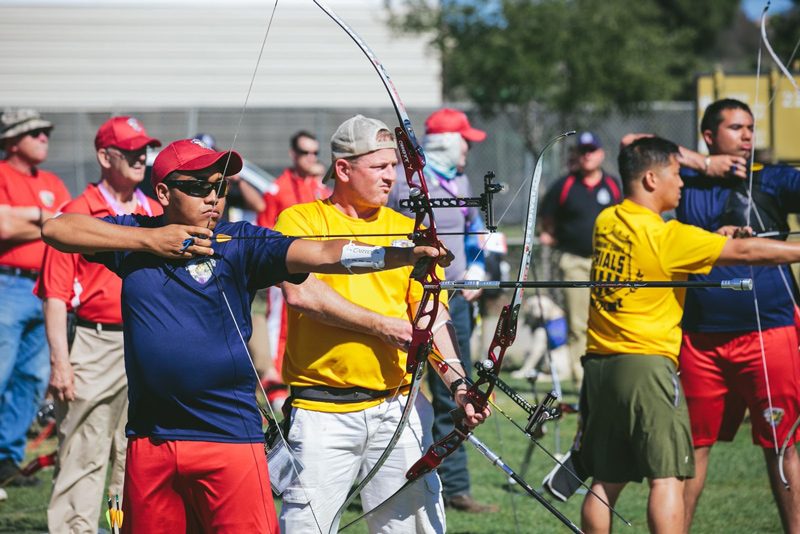
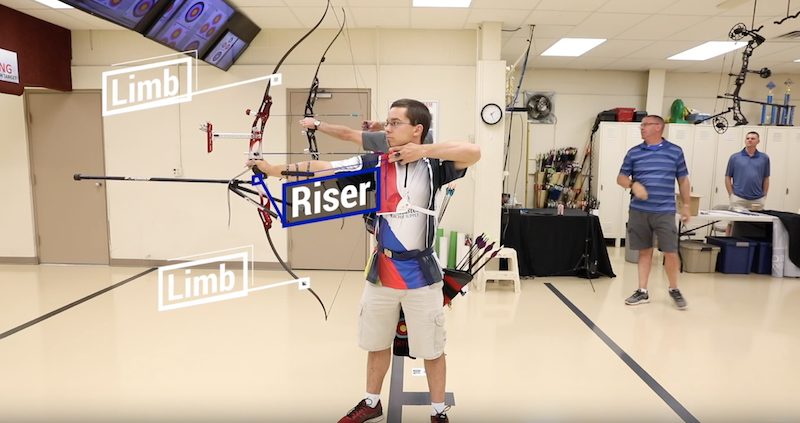
Archers at full draw showing bowstring material under load on recurve bows

A complete compound bow guide covering anatomy, draw weight, let-off, tuning, accessories, and the best models for hunting and target archery in 2026.

Getting Started With Recurve Archery: A Newcomer’s Roadmap

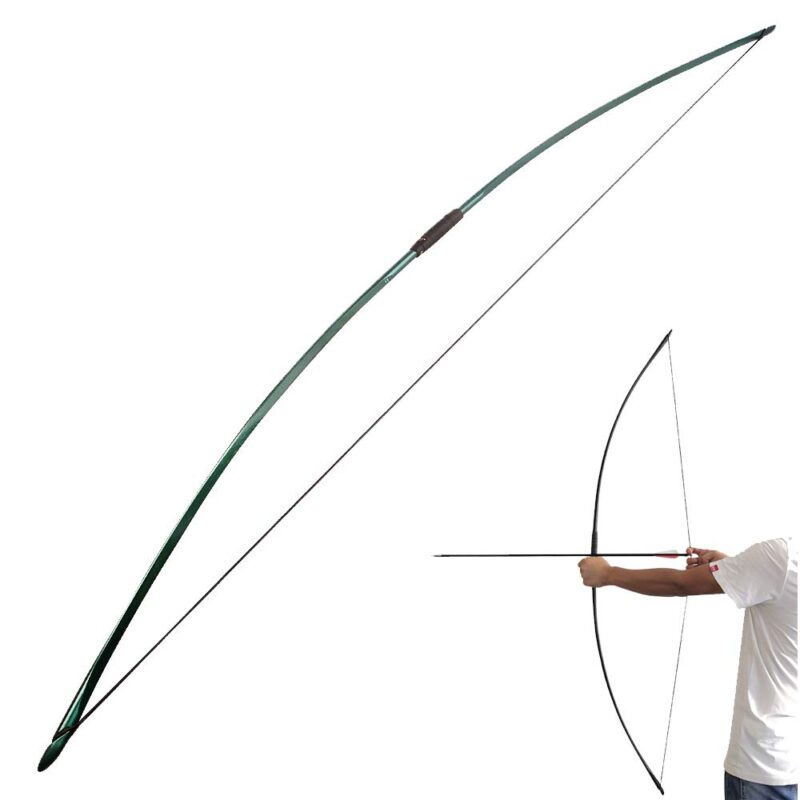
67 Inch Archery Traditional Longbow 25-120lbs Recurve Bow Hunting English Longbow for Right Hand Left Hand Adult Outdoor S...

New to the bow? This friendly roadmap walks you through what recurve archery really involves, the gear that matters, and how to build a safe, repeatable shot from day one.

Back Tension in Archery: How to Shoot With Your Back

Recurve archer at full draw using back tension in archery

Quick Answer: Back tension is the act of holding and finishing a shot with the large muscles between your shoulder blades instead of your hand, arm, or bicep. You draw with your shoulder, transfer the load to your rhomboids and lower trapezius at anchor, then let that continued squeeze pull your drawing elbow around until […]

How to String and Unstring a Recurve Bow Safely

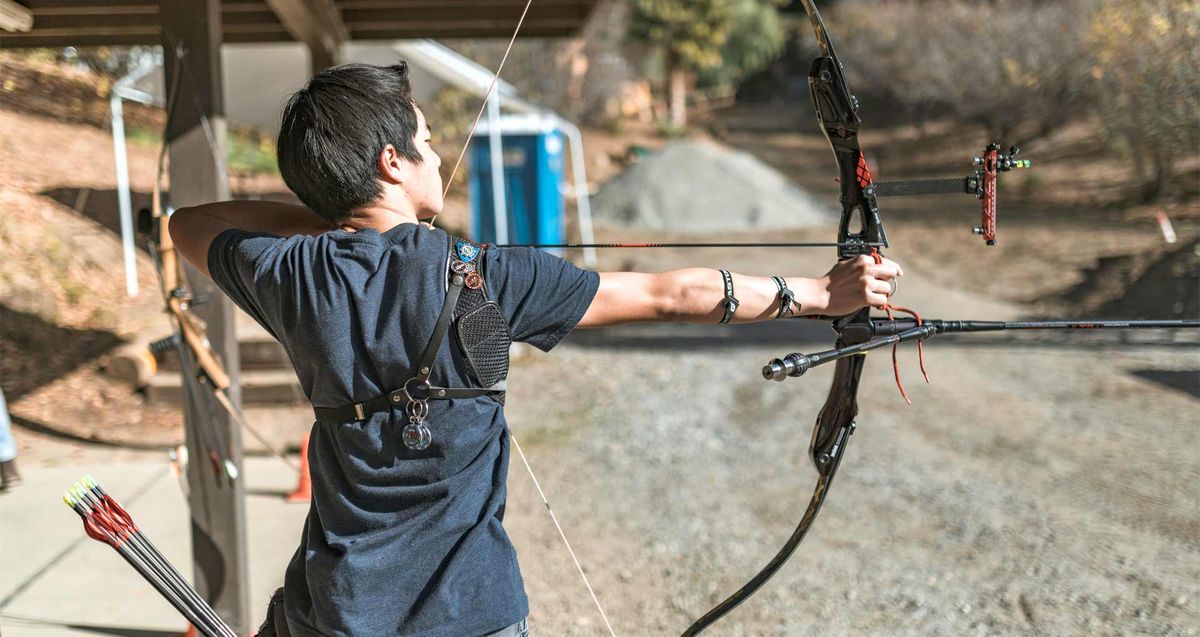
Archer at full draw with a strung Olympic recurve bow

Quick Answer: To string a recurve bow safely, use a bow stringer. Slip the larger string loop loosely onto the top limb and seat the smaller loop in the bottom limb groove. Hook the stringer pockets over both limb tips, step on the cord with both feet shoulder-width apart, and pull the riser straight up. […]