
Archery Blog
Best Compound Bows for Every Budget: Matching Spend to How You Shoot
Jul
Walk into any archery shop and you can spend anywhere from $150 to well over $1,300 on a compound bow that, at a glance, does the same thing: draws back and launches an arrow. So why the tenfold difference in price? And more importantly, where on that spectrum should you land? The honest answer isn’t a single number. It depends far less on how much money you have and far more on how you plan to shoot. This guide walks through that decision the way a good pro-shop tech would — starting with your goals, then working toward the budget that actually serves them.
Why Price and Value Aren’t the Same Thing
The biggest mistake new buyers make is assuming that a more expensive bow will make them a better shooter. It won’t. Above the entry level, the price you pay buys marginal gains — a slightly smoother draw cycle, a touch less hand shock, a few extra feet per second, a quieter shot. These things matter enormously to a competitive target archer or a bowhunter sitting in a cold treestand, and almost not at all to someone flinging arrows at a backyard bag on weekends.
Value, then, is about fit: the bow that delivers exactly the performance your discipline demands without charging you for refinements you’ll never feel. A $500 bow can be a terrible value for a serious hunter and a spectacular one for a recreational shooter. Keep that framing in mind as we move through the price bands below.
The Entry Level: $150–$350
This is where nearly everyone should start if they’ve never owned a compound bow. Bows in this range are almost always sold as ready-to-shoot packages — the bow arrives with a sight, arrow rest, quiver, stabilizer, and sometimes a release aid and a few arrows already fitted. That bundling is the whole point. A beginner has no business hand-picking accessories before they even know what a comfortable draw feels like, and a package removes a hundred small decisions.
What you’re giving up at this tier is adjustability and refinement. Many budget bows offer a wide draw-length and draw-weight range adjustable with an Allen wrench, which is genuinely useful for a growing teen or an adult still dialing in form. The trade-off is a slightly rougher draw cycle and more vibration in the hand. For learning proper form, punching paper, and deciding whether archery sticks as a hobby, none of that is a dealbreaker.
My advice for anyone brand new: don’t overthink this tier. Buy a reputable package, shoot it for a season, and let your own experience tell you what the next bow needs to do better.
The Mid-Range Sweet Spot: $400–$700
If there’s a single band where most committed archers should live, this is it. Mid-range compound bows are where you start getting flagship-adjacent engineering — machined aluminum risers, more refined cam systems, better limb pockets — at a price that hasn’t yet crossed into diminishing returns. A bow here will feel noticeably smoother than an entry package, hold steadier on target, and forgive small form errors more gracefully.
Crucially, this is also where you gain meaningful tunability. Rotating modules let you set precise draw lengths without a bow press, and the accessory mounting is built to accept quality aftermarket sights and rests as your skills grow. That upgrade path matters: a good mid-range riser can carry you for many years, with the accessories evolving around it.
For a hunter on a realistic budget or a recreational target shooter who has outgrown their first bow, this is usually the smartest money in the whole category. You’re paying for real performance, not a badge.
Premium Flagship Territory: $800–$1,300+
Flagship bows are extraordinary machines, and they justify their price to a specific customer. The draw cycle is glass-smooth, the back wall is rock-solid, hand shock is almost eliminated, and the shot is remarkably quiet — the kind of quiet that matters when a whitetail is standing thirty yards away with its ears up. Speed climbs too, though the fastest bows often trade smoothness for it, so raw feet-per-second shouldn’t be your only yardstick.
Who genuinely needs this tier? Serious bowhunters who want every advantage in the field, competitive target and 3D archers chasing consistency at distance, and experienced shooters who can actually feel — and use — the refinements. If you’re one of them, a flagship is worth it. If you’re not yet, buying one won’t fast-forward you there; it’ll just be a very nice bow you’re not shooting to its potential.
The Hidden Budget: Total Cost of a Shooting Setup
Here’s the number that surprises first-time buyers: the bow itself is often only part of what you’ll spend to actually go shooting. Even if you buy a bare bow to build around, you’ll need the supporting cast — and it adds up fast.
- A sight, arrow rest, and stabilizer
- A release aid (for the vast majority of compound shooters)
- Properly spined arrows cut to your draw length, plus field points or broadheads
- A target, an armguard, and a case
This is exactly why entry-level packages are such good value — they fold most of that list into one price. If you’re buying a bare mid-range or flagship bow, budget realistically for another few hundred dollars in accessories and arrows before you can put a shot downrange. Planning for the whole setup up front prevents the classic trap of overspending on the bow and then cutting corners on the arrows, which are arguably more important to accuracy than the bow itself.
Matching the Bow to How You Actually Shoot
Now for the part that actually decides your budget. Forget the price bands for a moment and be honest about what you’ll do with the bow.
If you’re bowhunting
Quietness, forgiveness, and reliability are worth paying for, because a single missed opportunity after weeks of scouting stings far more than the cost difference between a mid-range and a flagship. Most serious hunters are well served by the upper mid-range or entry flagship band, where the shot is quiet and the bow shrugs off cold-weather, awkward-angle shots.
If you shoot target or 3D
Consistency and a steady hold trump speed. Longer axle-to-axle bows are steadier on target, and the refinement of a mid-range or better bow pays off over a long tournament round. You can grow into a flagship as your scores demand it, but plenty of excellent target archers shoot mid-range rigs.
If you’re just starting or shooting for fun
Stay in the entry band, buy a package, and put the money you save toward lots of arrows and range time. Volume of practice will improve your shooting more than any bow upgrade ever could — and you’ll understand your own preferences far better when it’s time to spend more.
Should You Buy Used?
The used market is where budget-conscious buyers can genuinely punch above their weight. A two- or three-year-old flagship that sold new for $1,100 can often be had for $500–$650 in excellent condition, putting top-tier engineering within reach of a mid-range budget. Compound bows have few consumable parts, and a well-kept bow holds up for many years.
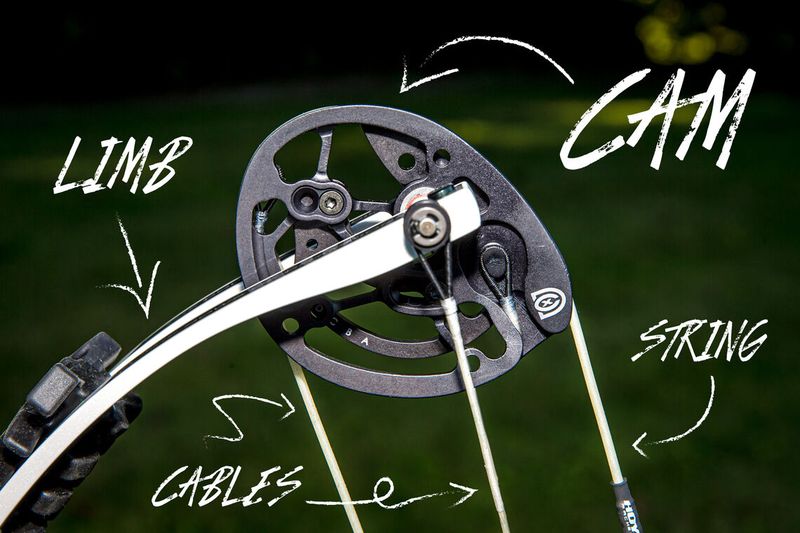
The catch is inspection. Check the cams and limbs for cracks or splinters, look for a bow that isn’t wildly out of tune, and confirm the draw length can be adjusted to fit you (older bows sometimes need module or cam swaps). If you can, bring it to a pro shop to be looked over and tuned before you commit. Buy used with your eyes open and it’s the best value in archery; buy blind and you may inherit someone else’s problem.
Spend on the bow to the point that it stops holding your shooting back — then spend everything else on arrows, a good release, and range time. That ratio wins more than a bigger price tag ever will.

Where to Put Your Money
There is no single “best” compound bow by price — only the best bow for the way you shoot and the budget that honestly matches it. Beginners thrive on a sub-$350 package. Committed hunters and target archers find their sweet spot in the $400–$700 mid-range, or reach for a flagship when the discipline demands it. And a carefully inspected used bow can collapse those price bands entirely.
Start from your goals, budget for the whole setup rather than the bow alone, and resist the pull of features you can’t yet feel. Do that, and whatever you spend, you’ll walk away with a bow that fits — which is the only definition of “best” that holds up on the range.
Sources
- USA Archery — governing body resources on equipment and getting started
- Wikipedia: Compound bow — mechanics, cam systems, and design overview
- World Archery — competition equipment standards and discipline guidance
