
Archery Blog
Which Compound Bow Price Range Fits Your Shooting Stage?
Jul
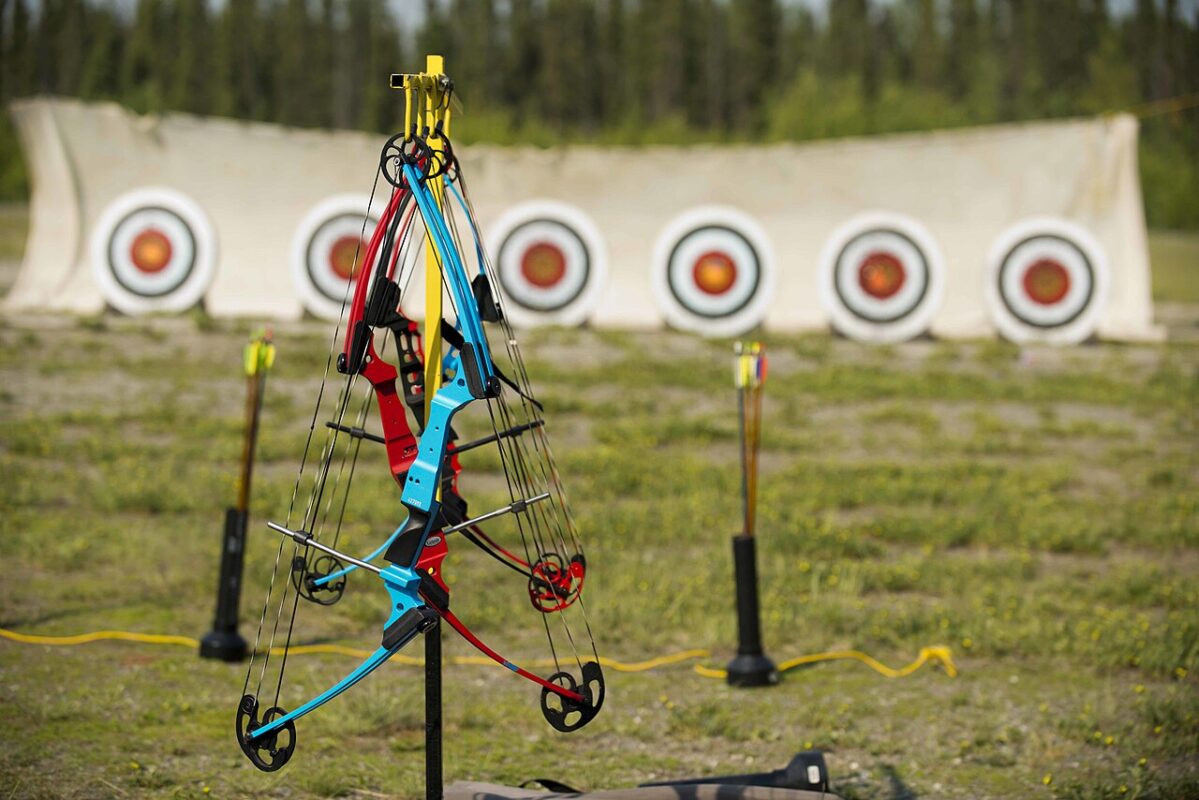
Most archers pick a compound bow based on the wrong signal. They see a price, compare it to what they can afford, and assume the gap between a $300 bow and a $900 bow is mostly marketing. It isn’t — but it’s also not the leap most beginners think they need right away. The real question isn’t which compound bow is best. It’s which price range fits where you actually are in your shooting development, and where you’re realistically trying to go.
The Three Compound Bow Budget Zones
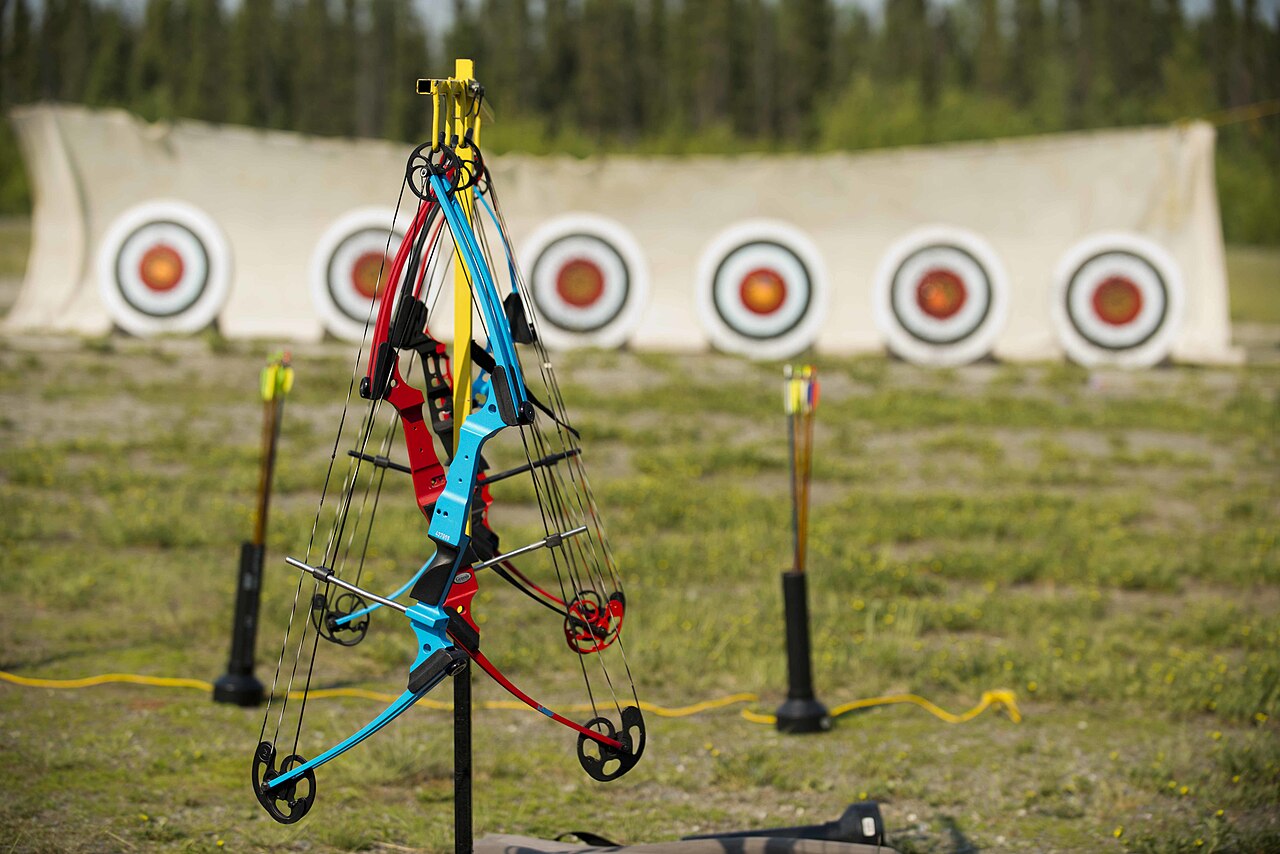
The compound bow market organizes itself into three practical bands. Entry-level runs from roughly $200 to $400 and targets newcomers who want a functional setup without a serious financial commitment. Mid-range spans $400 to $700 — this is where the majority of serious recreational shooters and dedicated hunters land, and where the manufacturing standards start to feel meaningfully different. High-end begins around $700 and extends past $1,500 for tournament-grade builds. These aren’t just price tags. Each band reflects a different component philosophy, manufacturing tolerance, and performance ceiling.
What Entry-Level Compound Bows Actually Deliver
Entry-level compound bows have improved substantially over the past decade. A $250–$400 package today ships with a workable sight, arrow rest, and often a stabilizer and quiver. The bow itself is functional — not a toy, but not a competition instrument either. Most run single-cam systems, which are simpler to maintain and easier to tune than the dual or binary cam systems found at higher tiers. That simplicity is genuinely useful for someone still building their shot process from the ground up.
What you’re accepting at this price point is a defined performance ceiling. IBO speeds — a standardized test metric for bow speed — typically land in the 290–315 fps range. Let-off, the percentage of peak draw weight that releases at full draw, usually sits around 65–75%. A 70-pound peak weight bow at 65% let-off holds at 24.5 pounds at anchor. At 80% let-off, common in mid-range bows, the same 70-pound bow holds at just 14 pounds. That difference compounds over a long practice session or a careful hunting hold when you’re waiting for the right moment.
The Cam System at Entry Level
The single cam — also called a solo cam — dominates entry-level compound bows because it requires no synchronization between a top and bottom cam. Binary and hybrid cam systems need precise tracking between both cams to perform correctly, and that demands tighter machining tolerances that don’t appear at entry-level price points. A single cam goes out of tune less frequently and usually returns to spec with a simple twist adjustment to the string or cable rather than a trip to the bow press.
For a new archer still working on anchor consistency, back tension, and shot timing, this simplicity removes a variable that would otherwise create invisible noise in the feedback loop. An entry-level bow that shoots consistently — even if not blazingly fast — tells you more about your developing form than a finicky high-performance cam system that needs constant maintenance to run correctly. The entry tier’s real value is that it stays out of your way while you build the fundamentals that actually matter.
Shop Entry-Level Compound Bow Packages on Amazon →
The Mid-Range Jump: When It Actually Makes Sense
The $400–$700 band is where compound bow engineering starts to feel deliberate rather than adequate. This is the tier where the bow stops being the limiting factor for most archers who’ve put in a year or more of regular practice. The gains aren’t always obvious on a spec sheet, but they show up in shot-to-shot consistency over hundreds of arrows — and that’s exactly where serious recreational shooters and most hunters spend the bulk of their time.
The cam geometry improves meaningfully at this tier. Mid-range bows often introduce hybrid or binary cam systems with better-managed draw cycles — a sharper back wall where the bow stops at full draw, and a cleaner valley where it holds. For a hunter waiting for a clear ethical shot, a well-defined wall reduces the chance of the bow creeping forward under pressure. For a 3D or field archer trying to execute the same shot 200 times in a practice session, a more predictable valley makes anchor feel consistent rather than something you’re constantly chasing across shots.
Let-off climbs to 80–85% on most mid-range compound bows — a meaningful reduction in hold weight from the entry tier. Riser machining also tightens: forgings and machined risers appear at this price point, improving limb pocket geometry and arrow shelf alignment in ways that translate directly to tighter groups over time. These aren’t abstract improvements. They surface when a loosely toleranced entry-level riser begins drifting its zero after a few hundred shots and your groups open up despite nothing changing in your form.
What the Mid-Range Spec Sheet Shows
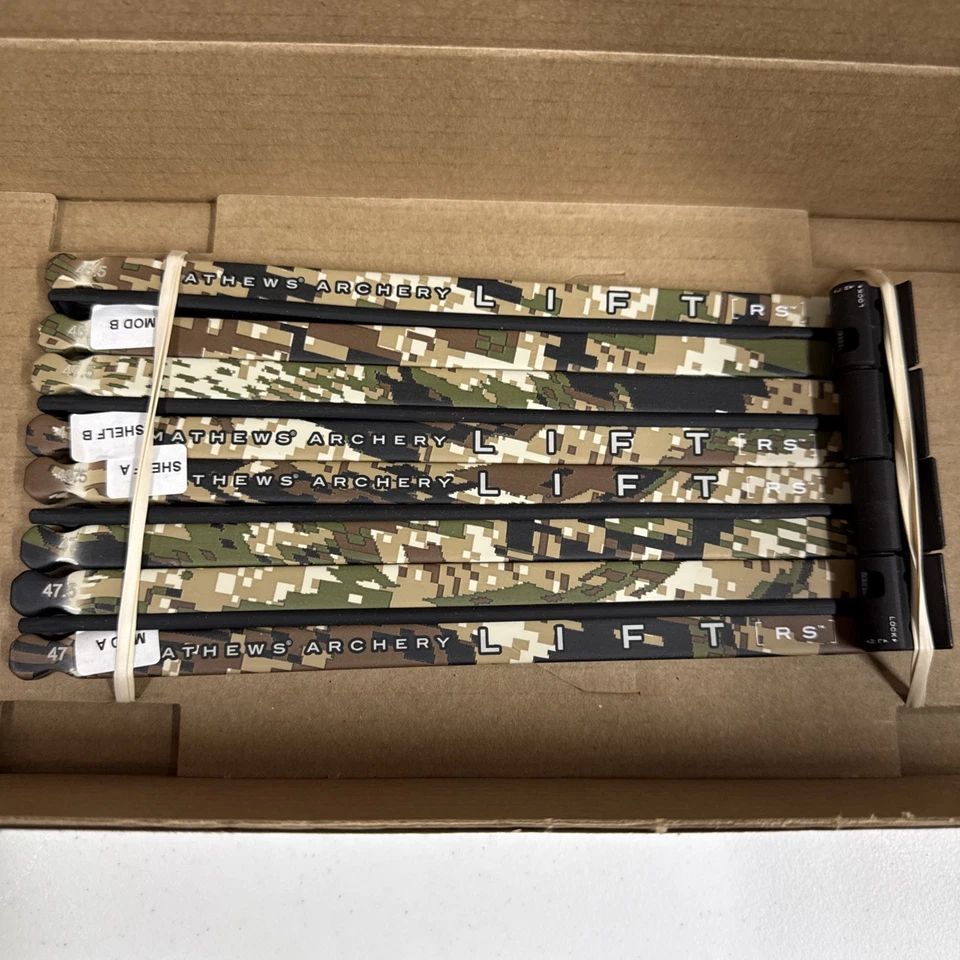
IBO speeds on mid-range compound bows settle in the 320–335 fps range — a modest gain over entry-level, but speed is rarely the primary upgrade at this tier. The real improvements are adjustability and consistency. Draw length modules on mid-range bows allow half-inch incremental adjustments without a bow press, which matters significantly for archers still finding their ideal draw length as their form matures. Draw weight ranges also widen, typically spanning a 10-pound adjustment window without swapping limbs.
Limb systems at this tier transition to parallel or past-parallel designs, which reduce forward torque and hand shock at the shot. A past-parallel limb configuration stores and releases energy more efficiently — less vibration transferred to the riser, and less acoustic signature at the shot. For a bowhunter sitting in a quiet early-morning stand, this is a practical field advantage rather than just a number on a marketing sheet.
Shop Mid-Range Hunting Compound Bows on Amazon →
High-End Compound Bows: What the Top Tier Buys You
Above $700 — and especially above $1,000 — the gains narrow but they don’t disappear. At the top tier, you’re paying for engineering refinement rather than step-change capability. The difference between a $500 mid-range bow and an $1,100 flagship isn’t dramatic on any single spec: IBO speeds for hunting builds settle at 330–345 fps, let-off typically hits 85–90%, and riser machining goes to aerospace-grade aluminum with tighter limb pocket tolerances. Some flagships use carbon riser construction to reduce overall weight while maintaining the stiffness that consistency demands.
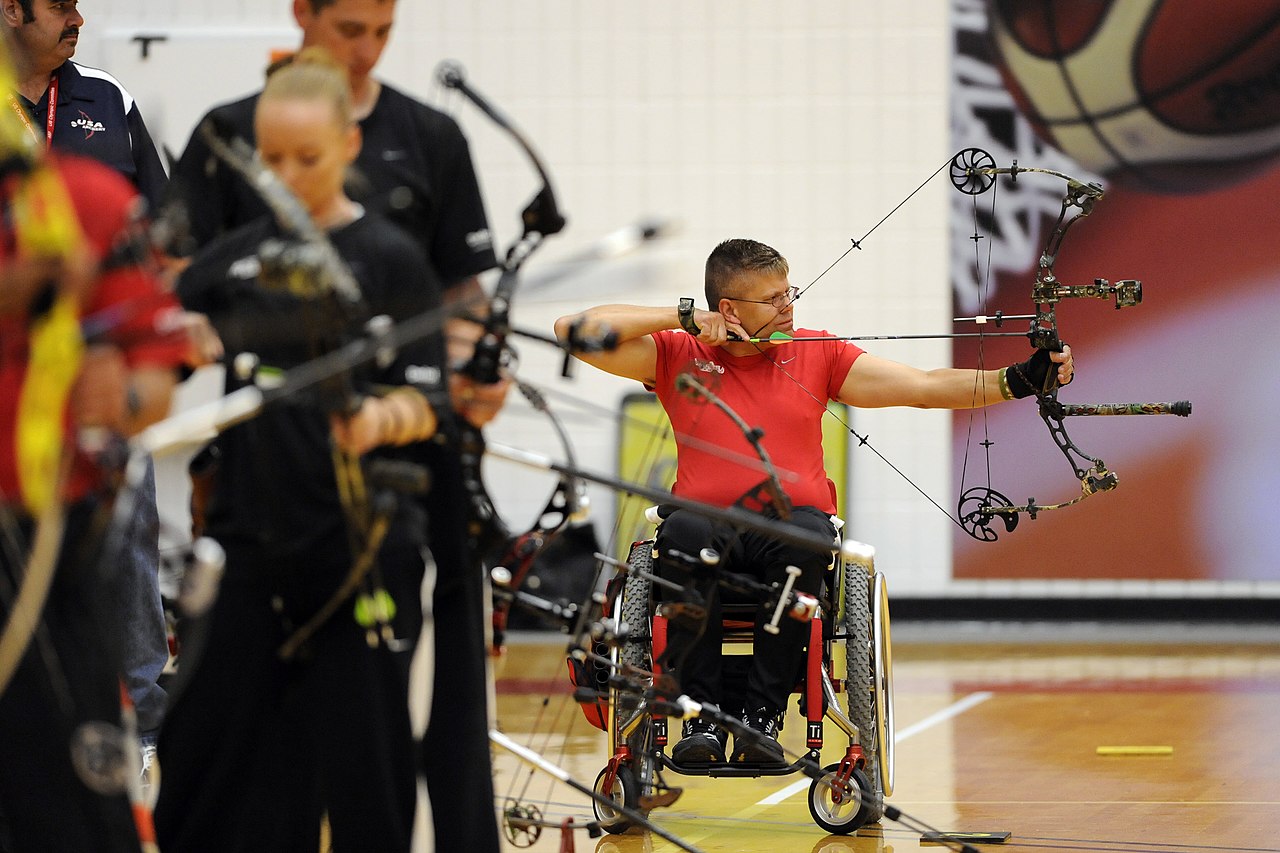
What the top tier delivers most consistently is noise reduction and shot-to-shot repeatability. Limb dampeners, string suppressors, and riser geometry work together on high-end compound bows to bring vibration and acoustic signature down to near-nothing on a well-tuned setup. For hunting, that matters at the exact moment of the shot. For competition archery, the repeatability shows up in arrow groups that hold tight over a full tournament round, where fatigue and environmental conditions are both working against you simultaneously.
Target vs Hunting Configurations at the Top Tier
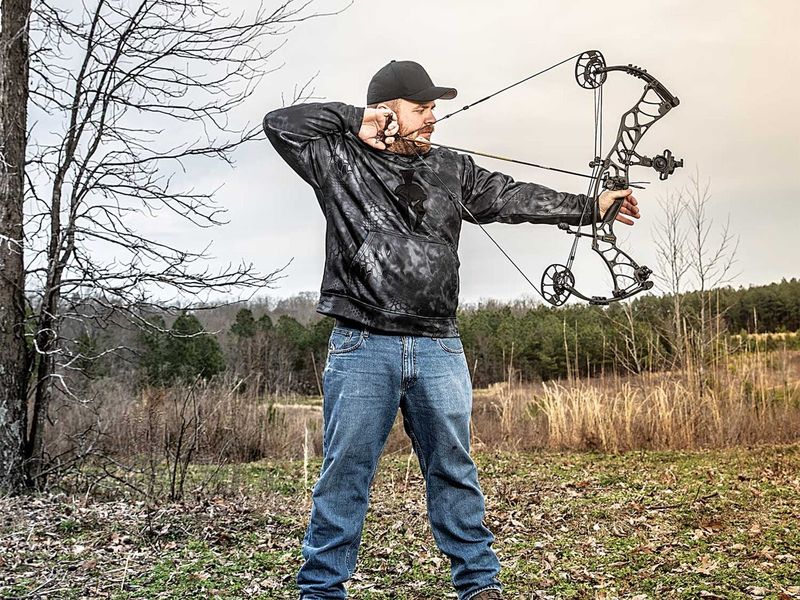
At the high-end, compound bows split into clearly distinct target and hunting builds. Target bows run axle-to-axle lengths of 32–38 inches for a longer sight radius and better stabilizer leverage. The longer platform produces a more forgiving shot — less angular error per unit of form deviation at the release. Target bows also use longer brace heights in the 6.5–8 inch range, deliberately trading raw arrow speed for the shooter forgiveness needed across the range of conditions a tournament presents.
Hunting compound bows at the high-end tier shrink to 28–32 inches axle-to-axle for maneuverability in a treestand or blind, and often run shorter brace heights in the 5–6.5 inch range that produce more speed at the cost of some forgiveness. These shorter brace heights assume a more experienced, form-consistent shooter whose fundamentals don’t break under field conditions. Many flagship hunting bows also use draw-specific cam modules that allow precise draw length and peak weight customization in increments finer than anything available at mid-range — a meaningful advantage for an archer who’s identified an exact fit that works.
Shop High-Performance Compound Bows on Amazon →
The Upgrade Trigger: Reading the Right Signals
The most common mistake in compound bow buying isn’t starting too cheap — it’s upgrading too early. A new archer with 200 hours of practice and tightening groups has improved because of those 200 hours, not in spite of a budget bow. Buying an $1,100 flagship at the six-month mark would have produced the same results, because the bow was never the limiting factor. Spending the same money on coaching, arrow tuning, or a better sight would return far more at that stage.
The clearest upgrade trigger is a group plateau that survives genuine form work. If you’ve been shooting consistently for over a year, your anchor and back tension are reliable, you’ve had your form reviewed on video or by a coach, and your groups still aren’t tightening — the bow’s consistency ceiling may genuinely be the constraint. This is uncommon before the 18-month mark for most recreational archers shooting two to three sessions per week.
A second legitimate trigger is a use-case shift. If you bought an entry-level package for backyard practice and you’re now bowhunting at 35 yards in cold, quiet early-morning conditions, the bow’s noise level, let-off, and cam performance may genuinely be limiting. Entry-level bows aren’t designed for that application even if they’re mechanically safe to use in it. A mid-range hunting build optimized for that situation is a legitimate upgrade at that point — not a want, a functional requirement.
The third trigger is fit. Entry-level draw length modules typically adjust in full-inch increments. If your ideal draw length is 27.5 inches and the bow’s nearest setting is 27 or 28, you’re introducing a small fit error into every shot — one that compounds into inconsistency at distance and under field conditions. Mid-range bows solve this with half-inch incremental modules. Fit drives consistency more directly than any other spec on a compound bow sheet, and it’s frequently the reason an archer sees immediate improvement after moving up a tier without changing anything else about their process.
Sources
Equipment standards and bow classification references: World Archery Federation. Competition bow divisions and field archery specifications: National Field Archery Association. Compound bow beginner guides and gear resources: Archery 360.
