
Archery Blog
Are Expensive Compound Bows Worth It? A Value Reality Check
Jul
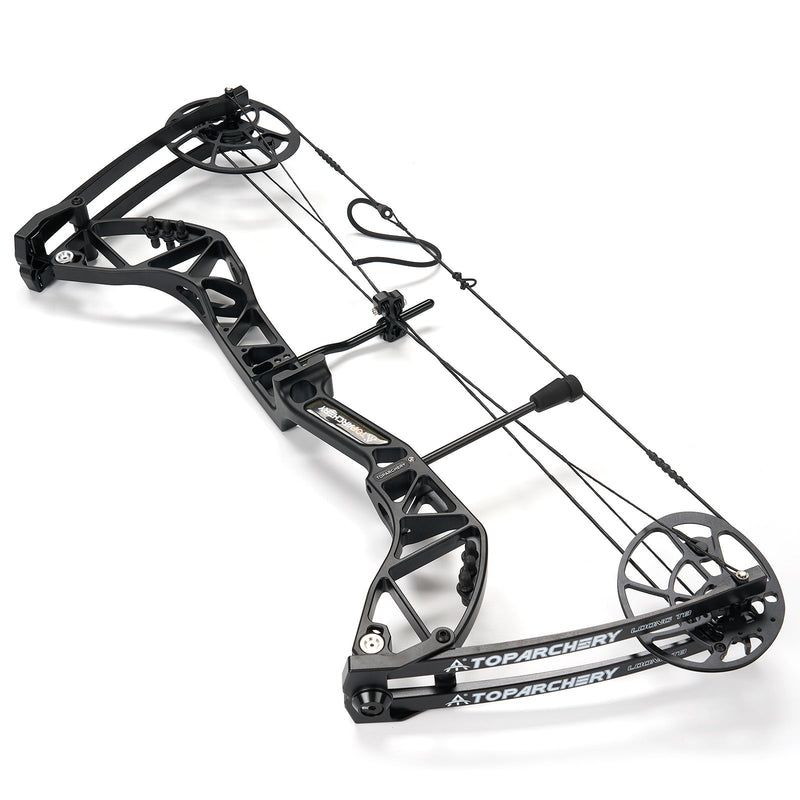
Walk into any archery pro shop and you can spend $300 or $1,400 on a compound bow that, from ten feet away, looks nearly identical. Both have a riser, a pair of limbs, a cam system, and a string. Both will send an arrow downrange. So what does the extra thousand dollars actually buy — and is it worth it for the way you shoot? That question trips up more new archers than draw length or arrow spine ever will, because the honest answer is it depends, and nobody selling you a bow is incentivized to say so.
Instead of ranking bows tier by tier, this is a look at the price-performance curve itself: where your money makes a real, feelable difference, where it starts buying refinement you may never notice, and how your own goals move the whole calculation. Spend in the right place and a mid-priced bow will outshoot a flagship in the wrong hands every time.
The Price-Performance Curve Most Archers Get Wrong
Picture a graph. On the horizontal axis is price; on the vertical axis is real-world shooting performance — accuracy potential, forgiveness, comfort, durability. For the first few hundred dollars, that line climbs steeply. Moving from a $150 big-box-store bow to a proper $450 setup transforms everything: the cams are smoother, the riser doesn’t torque in your hand, and the bow holds a tune instead of drifting every session.
Then the line bends. Somewhere between $700 and $900 it flattens dramatically. A $1,300 flagship is genuinely better than a $700 mid-range bow, but the gap is a fraction of the one between $150 and $450. You’re now paying for quieter dampening, a hair more speed, machined details, and a smoother draw cycle — refinements that separate a good archer’s scores from a great one’s, but that a six-month beginner simply cannot exploit yet. Understanding where you sit on that curve is the whole game.
Where Your First Few Hundred Dollars Go
The entry bracket — roughly $300 to $500 — is where the value is densest, and it’s improved enormously in the last decade. Ready-to-shoot packages from makers like Bear, Diamond, and Sanlida arrive with a sight, rest, quiver, and stabilizer already fitted, which matters more than it sounds: those accessories would cost $150 or more bought separately, and the package versions are tuned to work together out of the box.
What you give up here is adjustability and finesse. Many budget bows use a single fixed cam module, so changing draw length means swapping parts rather than turning a dial. The draw cycle is a little stiffer and the shot a little louder. But none of that stops you from building flawless form, and form is what determines whether you hit the ten-ring for the next two years. For a new archer, spending more than $500 before you know your permanent draw length is genuinely wasted money.
Shop Beginner Compound Bow Packages on Amazon →
The Mid-Range, and Why It’s the Smart-Money Zone
The $600 to $950 bracket is where most experienced recreational archers should probably live, and where the majority of “I wish I’d just bought this first” stories end up. Here you get the feature that actually changes daily shooting: a rotating or adjustable module that lets you fine-tune draw length in half-inch increments without a bow press. That single capability is worth more to accuracy than almost anything you’ll pay for above it, because a bow set even a quarter-inch off your true draw length quietly sabotages every shot.
Mid-range risers are also better machined and more rigid, so the bow flexes less on release and returns to the same spot shot after shot — the physical basis of forgiveness. Cam systems are smoother and easier to tune. You’ll notice the difference within a few dozen arrows, and unlike the flagship refinements above it, this is performance a developing archer can actually cash in on. If you shoot weekly, hunt seriously, or have ambitions of competing locally, this is the honest sweet spot.
What You’re Really Buying at the Flagship Level
Above roughly $1,000 sit the flagships from Mathews, Hoyt, PSE, and Elite. These are extraordinary tools, and the money is not a scam — it’s just spent on the top, flat portion of that curve. You’re paying for CNC-machined risers with obsessive tolerances, sophisticated limb-dampening that makes the shot eerily quiet and dead in the hand, cam systems that hold tune through thousands of shots, and a draw cycle so smooth it changes how relaxed you can stay at full draw.
For a target archer chasing the last few points of a 300 round, or a bowhunter who needs a whisper-quiet shot on a wary animal, those refinements pay for themselves. The vibration reduction alone reduces fatigue over a long practice session, which indirectly protects your form. But — and this is the part shops rarely emphasize — a flagship does not add points to a beginner’s score. It cannot compensate for an inconsistent anchor or a punchy release. Handed to an archer who hasn’t earned it, a $1,300 bow shoots exactly like a $600 one, minus $700.
Compare Compound Bows Across Every Price Range on Amazon →
How Your Shooting Goals Redraw the Whole Map
The curve isn’t the same for everyone, because “performance” means different things depending on why you shoot. Your goals can shift the smart spending zone hundreds of dollars in either direction.
The weekend backyard shooter
If archery is a relaxing hobby you enjoy in the yard a couple of times a week, the entry and lower-mid brackets are all you’ll ever need. A quiet flagship’s benefits evaporate at fifteen yards on a foam target. Spend $400 to $600, put the savings toward more arrows and a good target, and shoot more — volume beats gear here every single time.

The bowhunter
Hunting shifts priorities toward quietness, reliability in cold and wet conditions, and a shot that stays consistent after a bow sits untouched for weeks. That pushes a serious hunter toward at least the mid-range, and often justifies a flagship — because when you get one shot at a whitetail after months of preparation, the dampening and tune-holding you paid for suddenly matter enormously.
The aspiring competitor
Target archers chasing tight groups are the one group who can genuinely exploit flagship-level forgiveness — but only after their form is repeatable. The standard advice from experienced coaches is to compete on a good mid-range bow first, and upgrade once you’re consistently out-shooting your equipment rather than the other way around.
The Costs That Never Show on the Price Tag
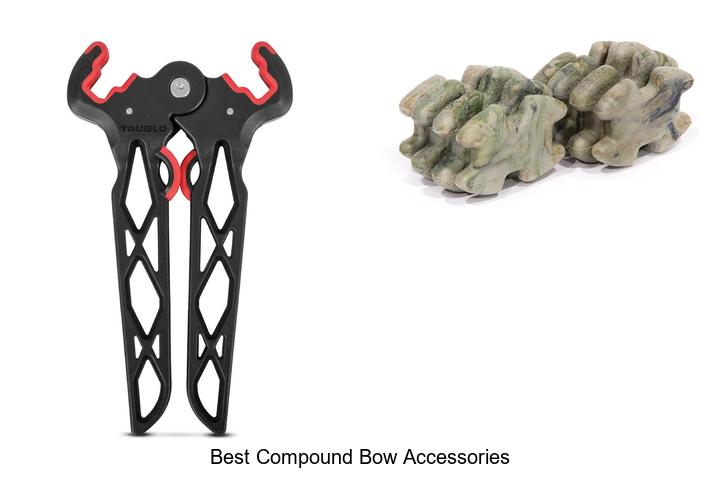
Here’s the trap that wrecks budgets: the bare bow is only part of the bill. A compound bow is a platform, and the accessories that make it shoot well can add 40 to 70 percent to your total spend. A sight, arrow rest, stabilizer, release aid, quiver, and a dozen properly spined arrows can easily run $250 to $600 on top of the bow itself.
This is exactly why ready-to-shoot packages are such strong value for newcomers, and why buying a $1,000 bare flagship on a $1,000 budget is a mistake — you’ll have a spectacular riser and nothing to shoot it with. It’s also where dollars quietly deliver outsized returns: a quality release aid and correctly matched arrows will tighten your groups more than upgrading the bow ever would. If you have $200 spare, it almost always belongs in arrows, a release, and a lesson before it belongs in a fancier riser.
Shop Compound Bow Accessories on Amazon →
Matching the Bow to the Archer, Not the Budget
The best compound bow for you isn’t the most expensive one you can stretch to afford — it’s the one that sits just ahead of your current skill, leaving room to grow without paying for capability you can’t yet use. A useful rule of thumb: buy a bow you’ll outgrow in performance before you outgrow it in adjustability. An adjustable mid-range bow that follows you from a 26-inch to a 28-inch draw as your form settles will serve you for years; a maxed-out flagship bought before your draw length stabilizes may need expensive changes within months.
Whenever possible, shoot before you buy. A pro shop that lets you draw several bows across price ranges will teach you more in twenty minutes than any spec sheet — because grip comfort, draw feel, and how the bow settles at full draw are intensely personal, and no price tag predicts them. Two bows $500 apart can feel reversed in your hands.
The Bottom Line on Spending
Expensive compound bows are absolutely worth it — for the archers who can use what they offer. The steep, early part of the value curve is where nearly everyone should focus: escaping the low-quality basement, landing on an adjustable mid-range bow, and funding the arrows, release, and coaching that turn any bow into an accurate one. The flagship refinements are real, but they’re the reward for skill you’ve already built, not a shortcut to it.
Spend where the curve is steep, save where it’s flat, and pour the difference into shooting more arrows. Do that, and you’ll get more downrange performance per dollar than the archer next to you who bought the most expensive bow on the wall — and is still learning to hold his anchor.
Sources
- Wikipedia — Compound bow (mechanics, cam systems, history)
- USA Archery — training and equipment guidance
- World Archery — equipment and competition standards
