
Archery Blog
Compound Bow Price Guide: What Your Money Buys at Each Tier
Jul
Walk into any pro shop and the price tags on the compound bow rack tell a confusing story. One rig costs $250. The one next to it, which looks nearly identical to an untrained eye, costs $1,300. If you are new to archery, that gap feels arbitrary — a marketing tax on the same bent piece of aluminum and a couple of wheels. It isn’t. Every price tier buys you something specific: quieter cams, tighter tolerances, smoother draw cycles, and features that either save you money later or make no difference at all to how well you shoot.
This guide walks the ladder from the bottom rung to the top, explaining what actually changes as the numbers climb — and, just as importantly, where the returns flatten out for most archers. Instead of chasing a single “best” bow, you’ll learn to match a price bracket to your goals so you don’t overpay for engineering you’ll never feel.
What You’re Actually Paying For
Before we talk dollars, it helps to know what separates a cheap compound bow from an expensive one under the skin. The riser — the central frame — is the biggest cost driver. Budget bows use cast aluminum, which is fine but heavier and less rigid. Step up and you get machined (CNC-milled) aluminum, which holds tolerances tighter, flexes less under draw, and steadies your aim. The cam system is the second lever: entry bows run single-cam or basic dual-cam setups that need frequent tuning, while premium bows use synchronized binary cams that hold timing longer and deliver a smoother, more predictable draw.
The rest of the money goes into refinement you feel rather than see: vibration-dampening limbs and risers, adjustable let-off, back walls that feel like a brick instead of a sponge, and finishes that survive years of field use. None of this makes a bow shoot arrows any faster than physics allows — but it makes a good shot easier to repeat, which is the whole game in archery.
The Entry Tier: Roughly $250–$450
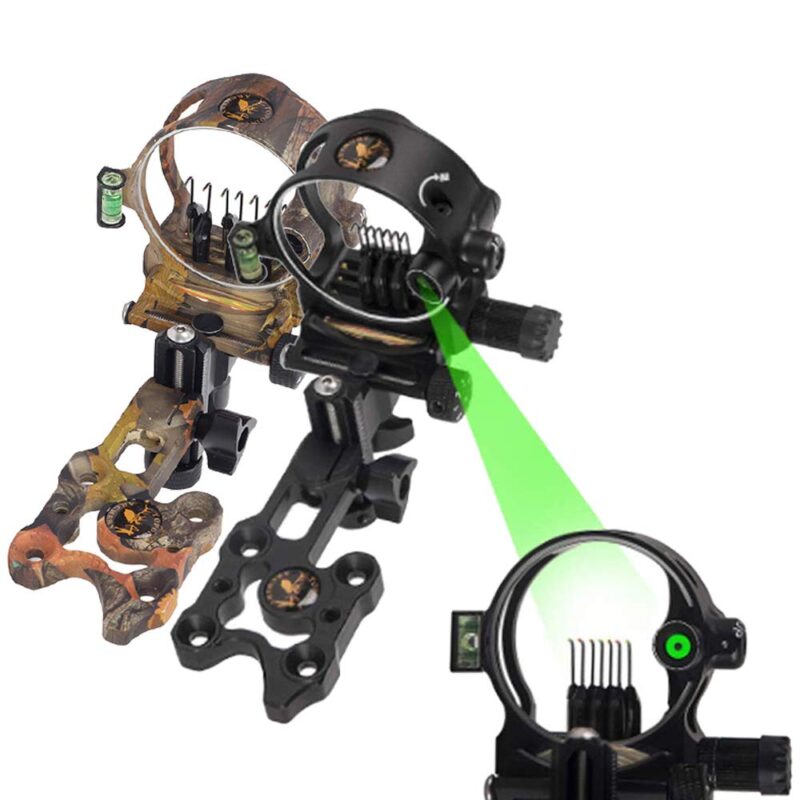
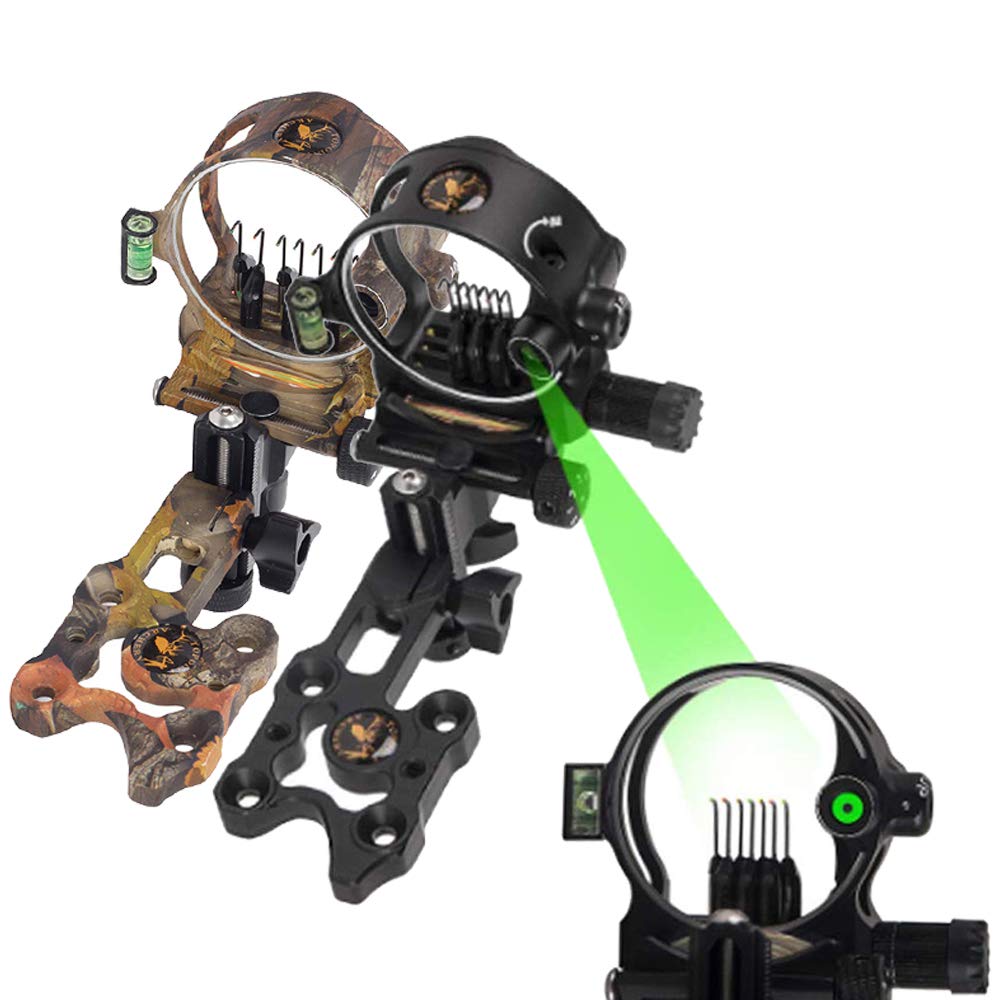
This is where most people should start, and where a surprising number should honestly stay. Bows in this bracket are almost always sold as ready-to-shoot (RTS) packages — the bare bow plus a sight, arrow rest, quiver, stabilizer, and sometimes a release aid, all mounted and roughly tuned. For a beginner, that bundling is a genuine bargain, because buying those accessories separately would cost more than the bow itself.
The trade-offs are real but forgivable. Draw cycles feel a little jerky at the peak, the back wall is spongy, and the included accessories are entry-grade plastic you’ll eventually replace. The single greatest strength of this tier, though, is adjustability: quality budget bows offer a wide draw-length and draw-weight range you can change with an Allen key and no bow press. That means a $300 bow can grow with a teenager, adapt as your form matures, or let a whole family shoot the same rig. If you’re not sure archery will stick, this is the intelligent place to spend.
The Mid Tier: Roughly $500–$800
Here is where compound bows stop feeling like tools and start feeling like instruments. Spend into the mid range and the improvements arrive in ways a beginner can immediately notice. The draw cycle smooths out — the transition into let-off no longer surprises you. The back wall firms up, giving you a consistent anchor to pull into shot after shot. Risers move to machined aluminum, cutting hand shock and quieting the shot considerably.
Just as important, you start getting flagship-derived technology at a fraction of flagship price. Many mid-tier bows use last year’s premium cam systems, tuned dampeners, and generous adjustability that once lived only on top models. For a hunter who wants a quiet, forgiving rig without a four-figure invoice, or a target archer moving past their first season, this bracket is the sweet spot on the value curve. If you only ever own one compound bow, there’s a strong argument it should live here.
Why the Mid Tier Wins for Most Archers
The jump from entry to mid delivers the most “felt” improvement per dollar of anywhere on the ladder. A $650 bow is dramatically nicer to shoot than a $300 one. The jump from mid to premium, as we’ll see, is far subtler — you’re paying more and more for smaller and smaller gains. Economists call this diminishing returns; archers just call it the point where your wallet should start asking hard questions.
The Premium Tier: Roughly $900–$1,600+
Flagship compound bows are extraordinary machines, and it’s worth being honest about both what they deliver and what they don’t. What you get is refinement taken to its limit: whisper-quiet shots thanks to layered dampening, dead-in-the-hand vibration control, and cam systems so smooth the draw feels almost effortless despite pulling 70 pounds. Tolerances are tighter, so the bow holds its tune longer and repeats your shot with fewer variables working against you.
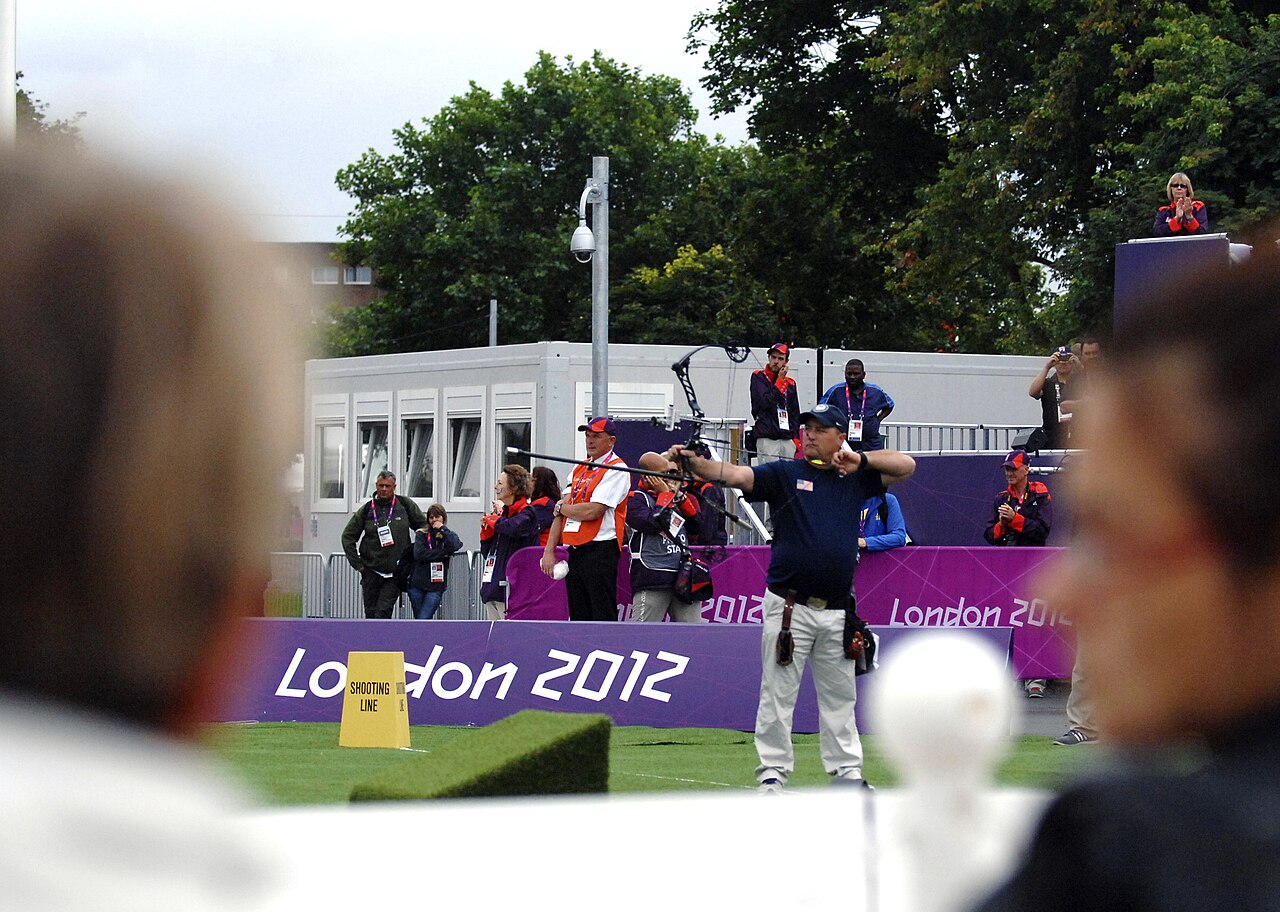
What you don’t get is a bow that makes you a better shooter overnight. A flagship rig won’t fix a collapsing bow arm or a jerky release — those are form problems that cost nothing but practice to solve. The archers who genuinely benefit from this tier are competitive target shooters chasing every last point, serious bowhunters who value silence when a deer is thirty yards out, and experienced shooters whose form is already good enough to feel the difference. If that’s not you yet, the money is often better spent on lessons, arrows, and range time.
Don’t Forget the Hidden Costs
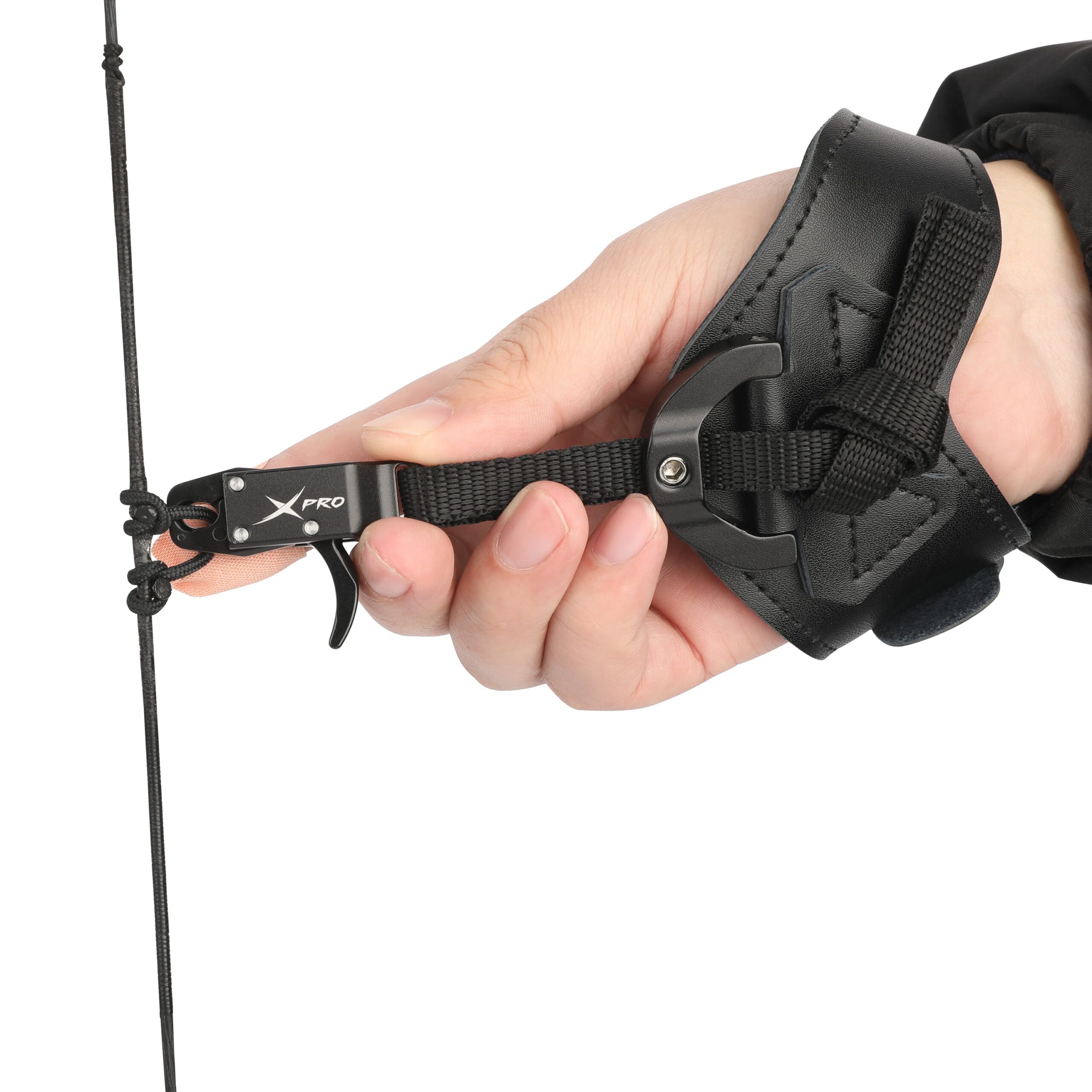
The sticker price is only part of the bill, and this trips up nearly every first-time buyer. A bare premium bow — sold without accessories, as most are — still needs a sight, rest, stabilizer, release aid, quiver, and a set of properly spined arrows before it can put anything in a target. That easily adds $200 to $500 on top. This is exactly why entry-tier package deals look so attractive: the bundle price already absorbs those costs.
Then there’s the ongoing spend. Arrows wear out and break. Strings and cables need replacing every year or two. Bow presses, D-loop material, and peep sights are small but real line items. Budget for the ecosystem, not just the bow, and the true cost of ownership at each tier gets a lot clearer.
- Arrows: a dozen quality carbon shafts, cut and fletched to your spine
- Release aid: the single accessory most worth upgrading early
- Sight and rest: where mid-tier accessories genuinely outperform bundled plastic
- Strings and maintenance: an annual cost, not a one-time one
Matching the Tier to the Archer
Strip away the marketing and the decision comes down to who you are and what you’ll do with the bow. A curious beginner or a family sharing one rig is best served at the entry tier, where adjustability and package value matter more than refinement. An archer who’s shot for a season, knows their draw length cold, and wants a bow that will still satisfy them in three years belongs in the mid tier — it’s the honest sweet spot. Only the competitor, the dedicated hunter, or the experienced shooter with polished form will extract full value from a flagship.
The most expensive mistake in archery isn’t buying too cheap — it’s buying a flagship before your form can feel what it offers, then blaming the equipment when groups don’t tighten. Spend where your skill can cash the check. A well-set-up mid-tier bow in trained hands will outshoot a flagship in untrained ones every single time.
The Bottom Line
Price tiers in compound bows aren’t a con — they’re a rough map of engineering refinement. The entry tier buys you a way in with real adjustability. The mid tier buys you the biggest leap in shooting feel per dollar and is where most archers should live. The premium tier buys you the last few percent of quiet, smoothness, and consistency that only trained hands can appreciate. Figure out honestly where you sit as a shooter, budget for the full kit rather than just the bow, and you’ll spend your money exactly where it earns its keep — on the range, not on the rack.
Whichever bracket you land in, the fundamentals matter more than the badge: get your draw length right, invest in decent arrows, and put in the reps. A modest bow shot well beats a flagship shot poorly, and that truth doesn’t change no matter how big the price tag climbs.
Sources
