
Archery Blog
Buying a Used Compound Bow: What Price Range Actually Gets You
Jul
The secondhand compound bow market is one of archery’s best-kept secrets. While first-time buyers often head straight to a sporting goods chain and pick the most colorful package on the wall, experienced archers know that used equipment—bought at the right price point—can put a $900 bow in your hands for $450. The trick is knowing what each price range actually delivers, how age affects the technology, and what to inspect before you commit.
This guide works through the used compound bow market from the bottom tier to the top, so you can make a genuinely informed purchase rather than guessing at secondhand value.
Why Price Range Works Differently for Used Bows
New and used compound bows don’t follow the same value logic. A new bow at $250 might feel like the safest entry point, but that price range includes brands cutting corners on cam precision, limb laminate quality, and overall finish. The same $250 applied to a three-year-old mid-range bow from Bear, Diamond, or PSE gets you something built to a noticeably higher specification—with better tolerances, smoother draw cycles, and more adjustment range.
Compound bow technology doesn’t age the way electronics do. The physics of a parallel-limb binary cam system from 2021 are unchanged in 2026. Manufacturers iterate on cam geometry, let-off percentages, and weight reduction, but these refinements rarely justify paying full retail when a slightly older model from the same brand shoots with the same mechanical precision. The used market captures that gap.
The used market divides roughly into three tiers, each with a different risk-to-reward profile depending on what you need and how carefully you inspect before purchasing.
Entry-Level Used Bows: $100–$300
This is the trickiest tier to navigate. Compound bows in this range on the used market tend to fall into two categories: genuine starter bows that were barely shot, or worn-down equipment that has been through several hunting seasons and is now showing real age. Telling the difference requires a careful eye and a willingness to walk away if the inspection raises questions.
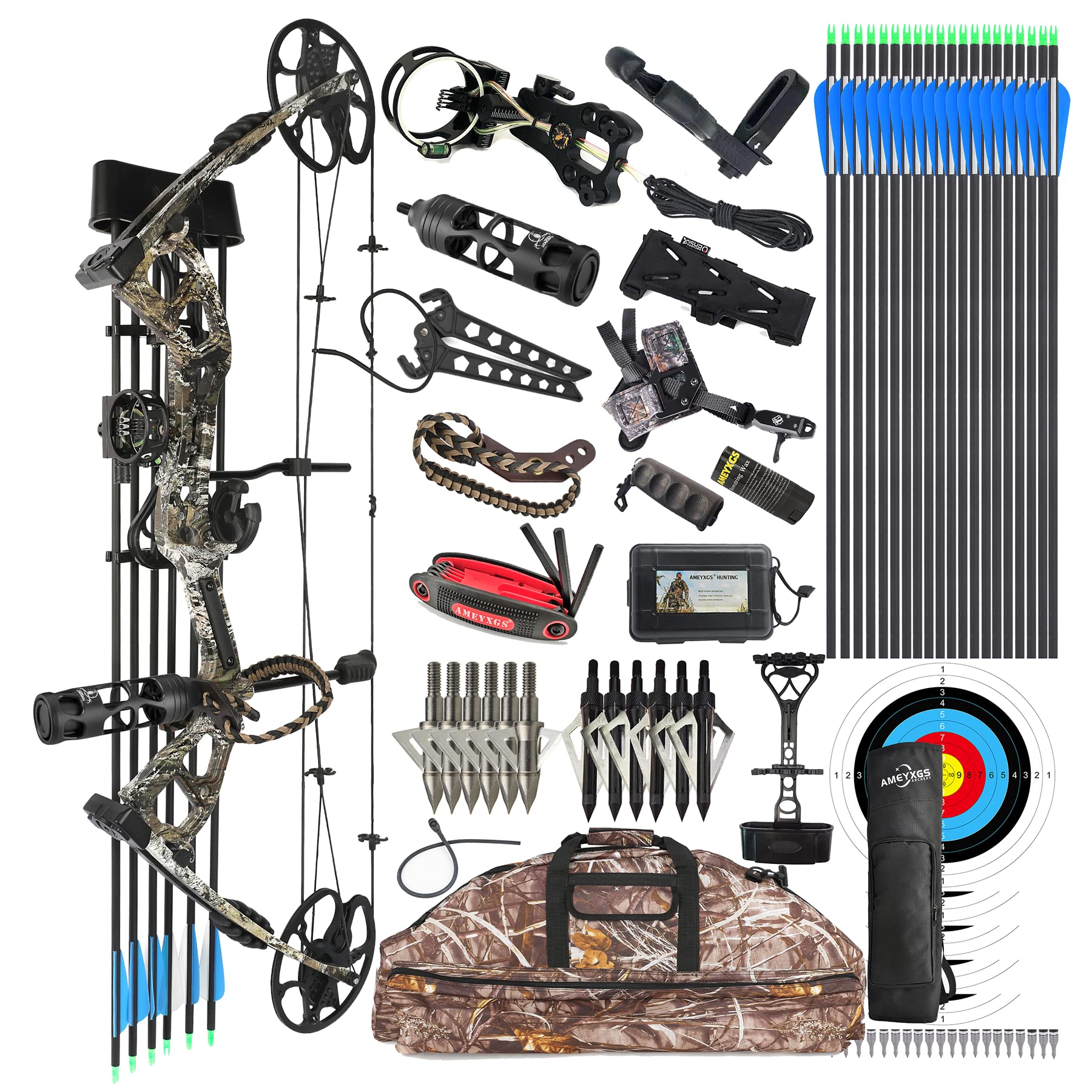
At the low end, you’ll find package bows from brands like Genesis, Diamond Infinite Edge, and older Bear Cruzer models. These were designed for beginners and youth archers, with forgiving geometry and draw weights adjustable from as low as 5 lbs up to 70 lbs depending on the model. A lightly used Diamond Infinite Edge at $130–$160 is a legitimate deal for someone testing the sport before committing to more gear. The same bow retails new around $290, so the savings are modest but real.
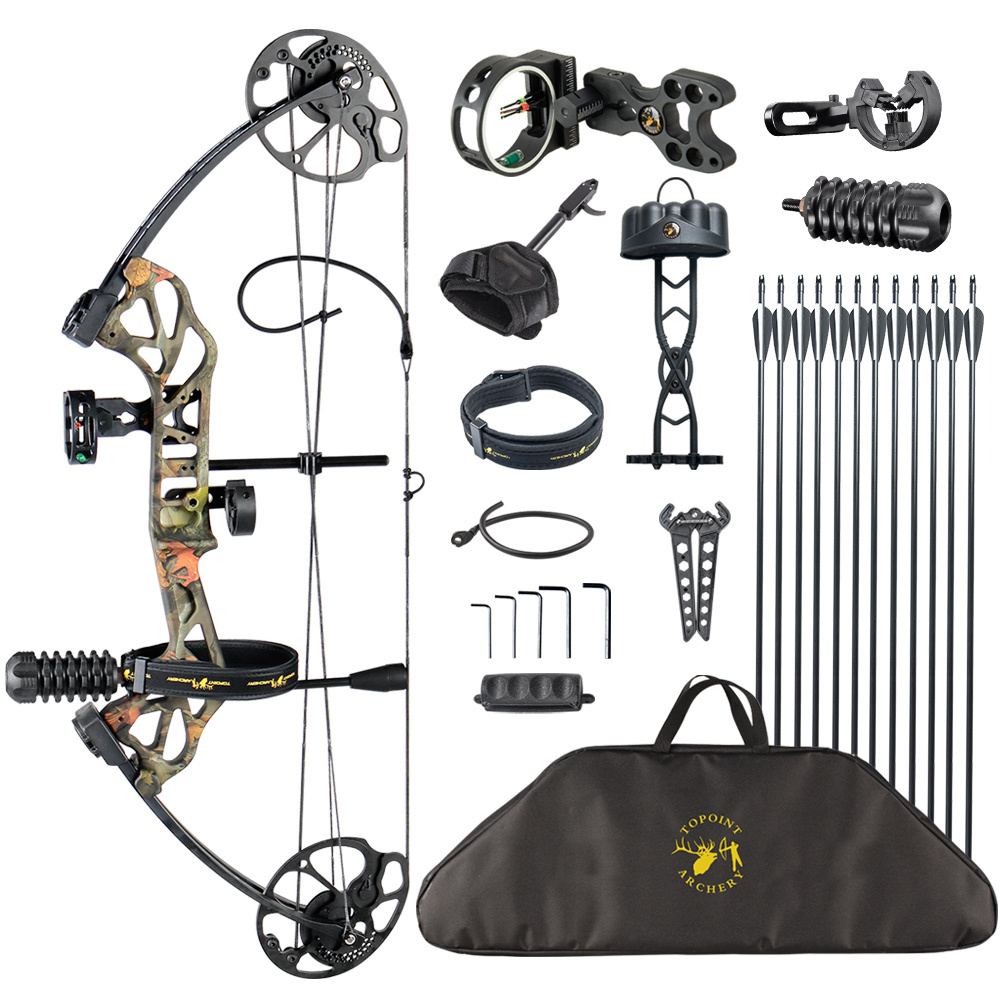
The problem with used entry-level compound bows is that the savings over new are often thin. A new Bear Cruzer G2 or Diamond Infinite Edge package retails around $280–$320 and comes with a sight, rest, stabilizer, quiver, and a manufacturer warranty. A used one in acceptable condition might sell for $180–$220. That $80–$120 difference looks meaningful, but you’re absorbing someone else’s setup problems—strings that may need replacing, a rest that might be bent, and no manufacturer support if a limb develops stress fractures. Factor in $60 for a pro shop setup and a new string set and the savings largely disappear.
The honest recommendation for this tier: if you can stretch to $300 new and get the full package, do it. If your budget is firmly under $200, a lightly used entry-level bow from a reputable brand is workable—but inspect it carefully and budget that extra $60 upfront.
Shop Bear Archery Compound Bow Packages on Amazon →
Mid-Range Used Bows: $300–$650
This is where the used compound bow market starts making serious economic sense. Bows that sold new for $600–$900 between 2020 and 2023 appear regularly in this price range, often with light use and no meaningful wear on the cam system or limbs. You’re no longer splitting hairs over $80—you’re getting $500 worth of value for free.
Brands like PSE’s Drive and Evolve series, Bear’s Perception and Ultra, Bowtech’s Solution SS, and Hoyt’s older Carbon RX models all produced bows in this tier that were genuinely competition-capable when new. An archer who bought a Bear Perception in 2022 for $700, shot it for two seasons, and is now chasing a flagship upgrade will typically ask $380–$480. You’re buying a bow that still shoots fast, tracks accurately, and was manufactured to a standard that entry-level bows never reach—at roughly half of original retail.
What to expect at this price point from the used market: let-off in the 75–85% range, IBO speed running 310–340 fps, draw length adjustable via rotating modules across a 24–30 inch span, and peak draw weights between 40 and 70 lbs. These are real hunting and 3D archery bows, not starter equipment dressed up in better packaging.
This tier is particularly strong for hunters. Hunting seasons are short, which means most hunting bows accumulate surprisingly little actual use. A bow bought new in 2021 for deer season and a couple of 3D shoots might have fewer than 1,500 shots on it—mechanically, essentially new. The cam bearings haven’t approached their wear threshold, the limbs show nothing, and the string may even have useful life left.
Shop PSE Compound Bows on Amazon →
Premium Used Bows: $650 and Above
At this tier the economics become nearly impossible to argue against. Current flagship compound bows from Hoyt (Ventum Pro, Carbon RX-8), Mathews (Phase 4, Lift), Bowtech (Carbon Zion, Deadlock), and Elite Archery (Enkore, Omnia) retail between $1,200 and $1,800. Used models from the previous two or three model years appear regularly in the $700–$950 range with genuine light use.
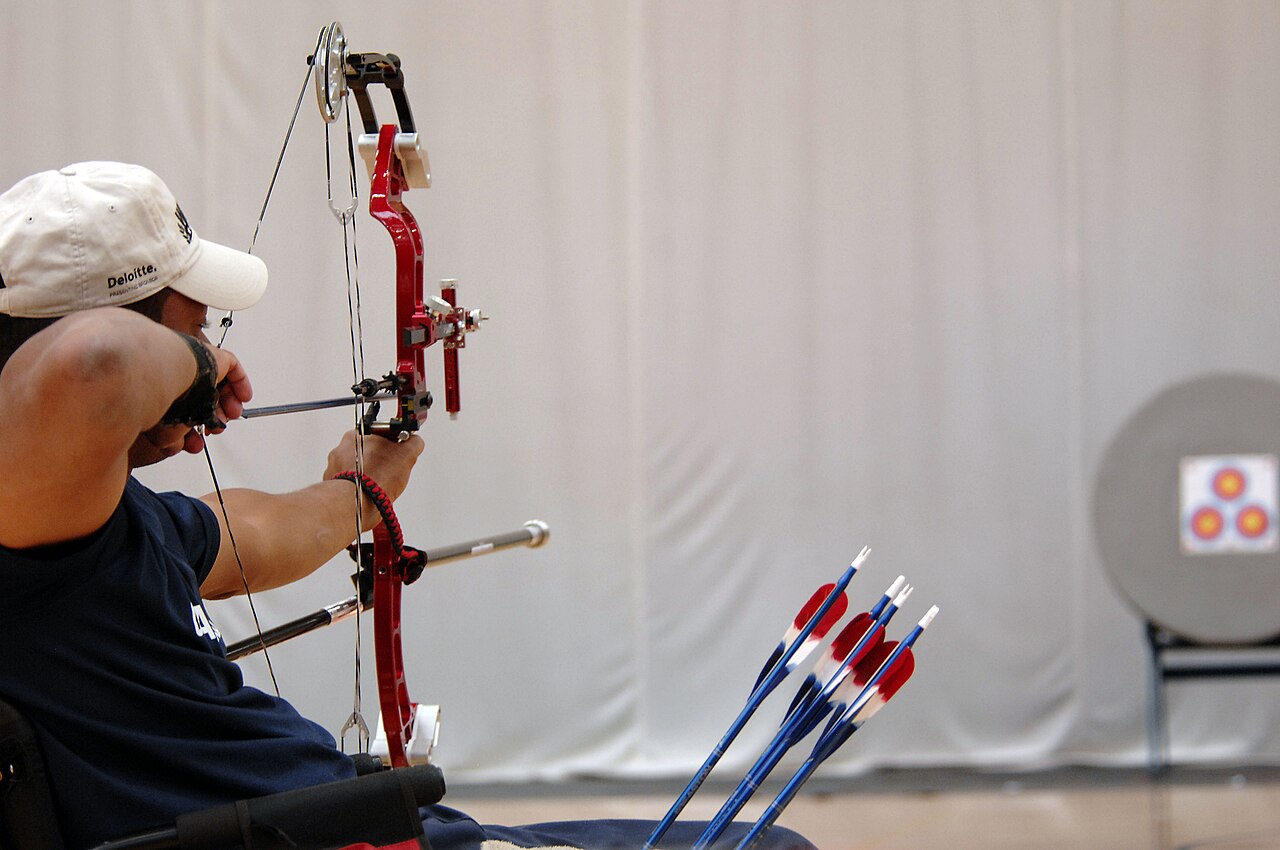
The performance gap between a 2023 flagship and a 2025 flagship is marginal for 99% of archers. Manufacturers iterate on cam smoothness, overall weight reduction, and vibration dampening at the edges. A Hoyt Ventum Pro 33 from 2022 shoots as cleanly as anything available today for hunting and most 3D competition formats. Paying full retail for the current model year is primarily a prestige decision, not a performance one.
The main caveat at this price point: verify draw length module compatibility before purchasing. High-end compound bows use proprietary cam systems that require specific rotating modules for each half-inch of draw length. Before committing, confirm the installed modules match your draw length and check whether the manufacturer still produces replacement modules for that model year. Bows from discontinued cam platforms can become difficult to adjust without sourcing legacy parts—which exist but take effort to find.
Also ask directly whether the bow has ever had a dry fire. A dry fire—releasing the string with no arrow nocked—causes catastrophic stress on the limbs and cam system. The damage may not be visible externally but can create hairline cracks inside the limb laminates. Any seller unwilling to answer that question clearly is reason to walk away regardless of price.
What to Inspect Before Handing Over Any Money
A physical inspection is non-negotiable at every price tier. These checks take less than 15 minutes but catch the failure modes that turn a deal into a liability. If a seller won’t allow an in-person inspection or won’t answer specific questions about the bow’s history, treat that as a red flag rather than a negotiating inconvenience.
Limb Condition
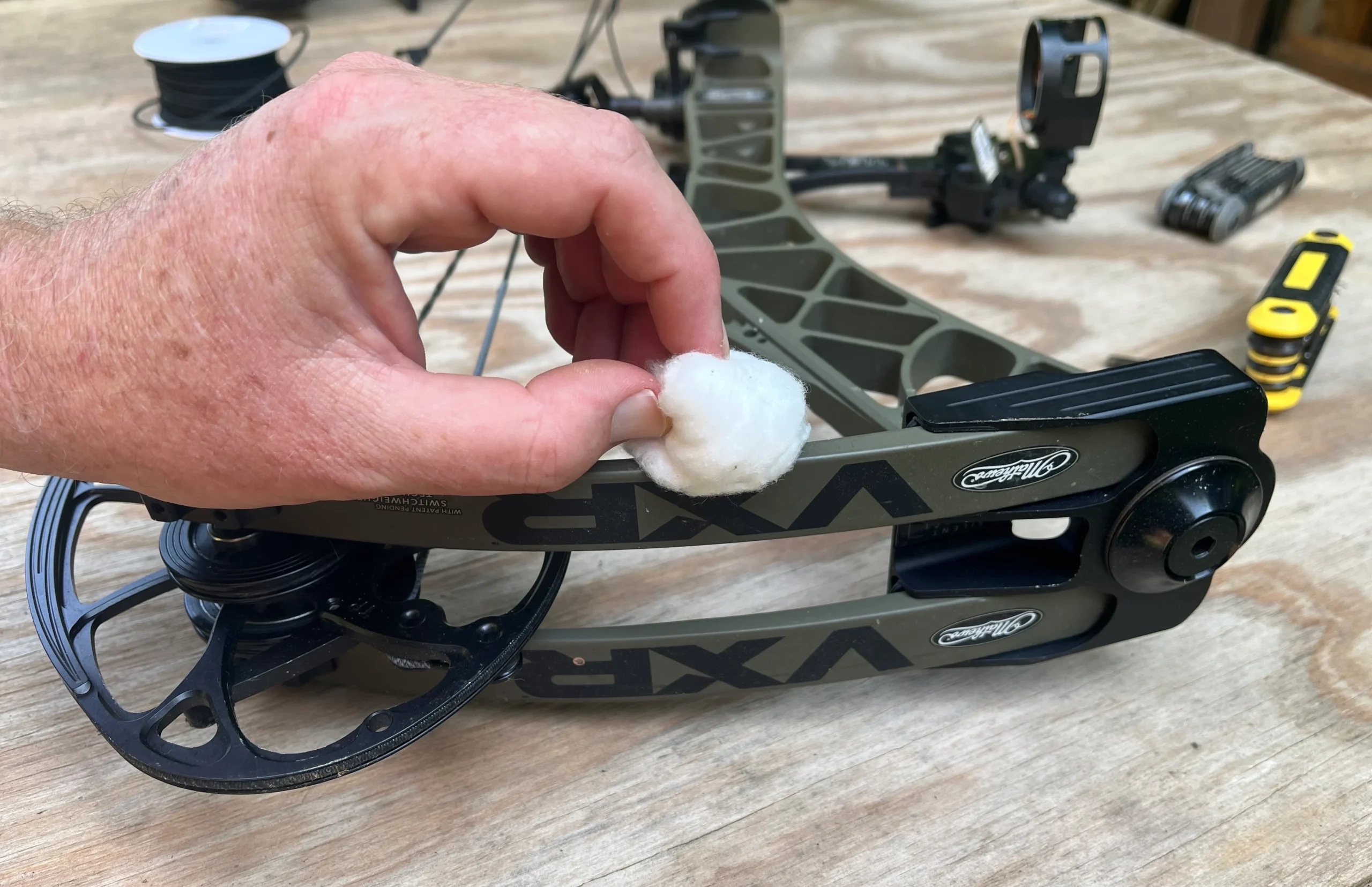
Hold the bow horizontally and look down the full length of each limb in good light. You’re checking for cracks, delamination (where layers of the laminated limb material separate or bubble), and any visible twist in the limb body. Run your fingernail slowly along both flat surfaces of each limb. A rough patch, raised seam, or discoloration warrants serious concern and is a reason to decline or substantially reduce your offer.
String and Cable System
Compound bow strings take consistent mechanical stress and wear in predictable ways. Look for fraying anywhere along the string, serving separation (where the tightly wrapped section unwinds from the string body), and signs of the string twisting past its designed rotation. A peep sight that doesn’t return to alignment after the shot indicates a string that’s past its service life. Budget $60–$100 for a replacement string set from a reputable manufacturer regardless of how the current string looks—it’s worth doing on any used compound bow purchase.
Cam and Axle Condition
With the bow undrawn, press lightly on each cam and rotate it slightly back and forth. Both cams should move with no grinding, clicking, or resistance from the bearings. Stiff or rough cam rotation indicates axle wear that a bow press and a machinist can address, but factor the repair cost into what you offer. On a single-cam bow, check that the idler wheel rotates smoothly as well.
Shop Compound Bow String and Cable Sets on Amazon →
Where to Find Used Compound Bows Worth Buying
Local archery pro shops are the safest starting point. Many shops accept trade-ins, inspect them for mechanical issues, and resell with a short in-house warranty. You’ll pay slightly more than a private sale, but you’re buying from someone who understands compound bow mechanics and has already checked the obvious failure points. Most pro shops will also let you draw the bow before committing, which removes the single biggest unknown in any archery purchase.
ArcheryTalk’s classified section is the largest online marketplace for used archery equipment. Sellers tend to be experienced archers, photos are typically detailed, and the community is quick to flag suspicious listings. The main variable is shipping—a compound bow ships for $40–$80 depending on carrier and how well it’s packaged—so account for that when negotiating price, and confirm the seller packs the bow correctly (riser and limbs separated where possible, foam-padded).
Facebook Marketplace works well for local pickup only. The advantage is in-person inspection before money changes hands. The disadvantage is that many sellers know little about the equipment—family members clearing a storage unit, hunters who tried archery once, people who received the bow as a gift. These transactions can yield excellent deals or frustrating purchases with very little warning. Meet at a neutral location, inspect thoroughly, and bring someone who knows what to look for if you’re new to compound bows.
eBay remains an option but works best as a last resort when local channels have been exhausted. Buyer protection offers some insurance, but the return process for a heavy packaged item is inconvenient. Treat eBay listings with any ambiguity in the photos or description as non-starters.
Getting the Setup Right After Purchase
Buying the bow is only the first step. A used compound bow configured for someone with a 29-inch draw and 65-lb peak weight needs to be reconfigured before it’s useful to an archer with different measurements. Most pro shops charge $25–$50 for a full bow setup—draw weight adjustment, draw length module change, peep re-tie, nock point setting, and a paper tune. This service is worth every dollar on a used purchase, and it’s the step most buyers skip, then blame on the bow.
The archery market’s actual best-kept secret is that the bow itself is rarely the limiting factor in an archer’s accuracy. Setup quality, arrow spine matched correctly to draw weight and length, and consistent form contribute far more than the difference between a $500 bow and a $1,200 bow. A properly tuned mid-range compound shooting well-matched arrows will outperform a flagship bow set up incorrectly at every distance.
At every price tier in the used market, the best compound bow is the one that fits your body correctly, draws at a weight you can hold through a clean shot cycle, and comes from a manufacturer with parts still in circulation. Price range sets the ceiling of what’s mechanically possible—but inspection, setup, and a commitment to proper form are what determine whether you’ve found a deal or created a problem.
Sources
