
Archery Blog
Bare Shaft Tuning: 7 Steps to Perfect Arrow Flight
Jul
A fletched arrow will lie to you. The vanes on the back of a shaft act like the feathers on a dart, steering a wobbling arrow straight before it reaches 20 yards — which means your groups can look tight while your setup is quietly out of tune. Strip those vanes off and the arrow has nowhere to hide. That is the entire idea behind bare shaft tuning, and it is the most honest feedback a bow will ever give you.
What Is Bare Shaft Tuning?
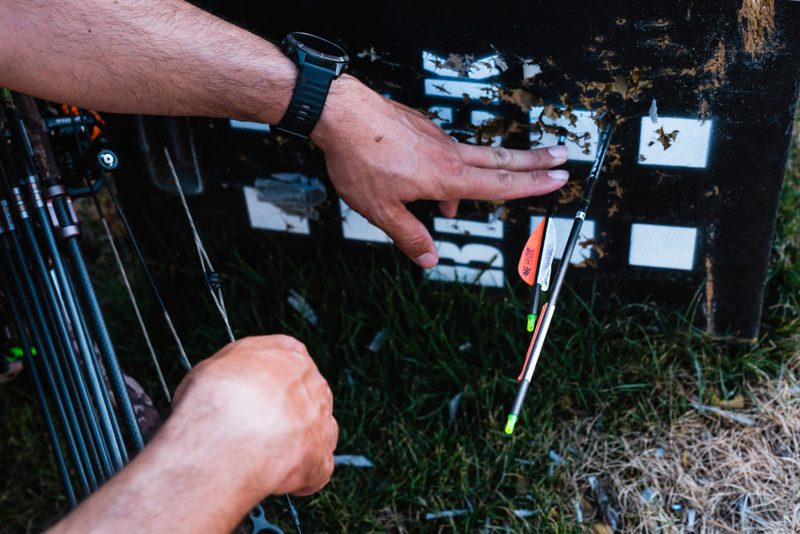
Bare shaft tuning is a method of shooting an arrow with no fletching next to a group of normal fletched arrows, then reading the difference in where the two land. Because the bare shaft has no vanes to correct its flight, any flaw in your setup — spine mismatch, a rest that sits too far left, a nocking point that rides too high — shows up as a gap between the bare shaft and the fletched group. Close that gap and you have proof the arrow is leaving the string straight.
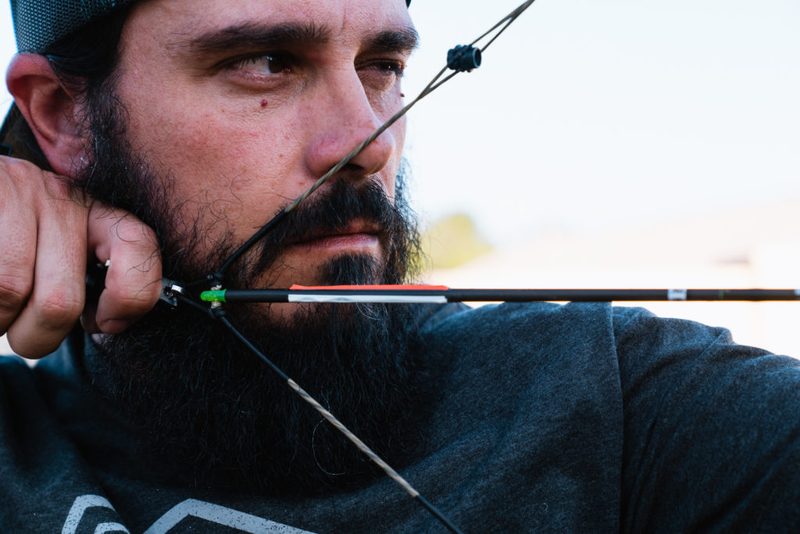
It works on any bow. Recurve and longbow shooters have relied on it for decades, and compound archers use the same read to chase perfect broadhead flight. The distances and tolerances change, but the principle does not: the bare shaft is a truth-teller, and you adjust the bow to satisfy it.
Why Bare Shaft Tuning Beats Guesswork
Most archers tune by feel. They shoot a group, decide it “looks a little left,” and start turning screws with no real diagnosis. That is how you end up chasing your tail for an afternoon. A bare shaft removes the guesswork because it isolates the problem — spine issues push the shaft sideways, nock height pushes it vertically, and the two barely overlap. You are no longer guessing which knob to turn.
The payoff is not just a tighter target group. A bow that passes a bare shaft test will shoot fixed-blade broadheads into the same hole as your field points, because the broadhead’s fins are not fighting a crooked launch. Bowhunters who skip this step almost always discover it in September, when their broadheads plane a foot off at 40 yards and they blame the wind.
What You Need Before You Start
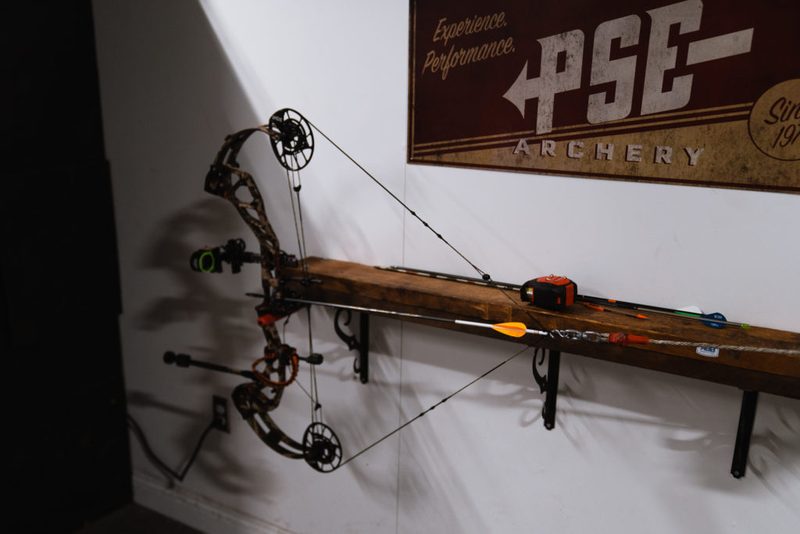
Keep the kit simple. You need at least two or three arrows with the fletching removed — ideally the same shafts, spine, and point weight as your fletched hunting or target arrows, because a bare shaft cut from a different batch tells you nothing useful. Add the same broadhead or field point weight you actually shoot, a bag or foam target that stops arrows cleanly without burying them, and an Allen wrench set for your rest and sight.
Matched arrows matter more than anything here. If your bare shaft is a different length or spine than your fletched group, you are testing two different arrows and the read is worthless. Weigh your points and shafts so every arrow in the test is a twin.
How to Bare Shaft Tune Your Bow in 7 Steps
Work through this slowly. Every change is small, and you re-shoot after each one — rushing is how people over-correct and make things worse.
- Confirm your form first. Bare shafts punish a bad release. Shoot a few fletched groups and make sure your groups are consistent before you trust anything a bare shaft says.
- Start close. Begin at 10 to 15 yards. A bare shaft that is wildly out will miss the target entirely from distance, so short range keeps it honest and safe.
- Shoot fletched, then bare. Put three fletched arrows into one spot, then shoot two or three bare shafts at the same aiming point without changing anything.
- Fix vertical before horizontal. Read nock height first. If the bare shaft hits low, lower your nocking point slightly; if it hits high, raise it. Move in 1/32-inch steps.
- Then chase the horizontal. Once the bare shaft is level with your group, adjust the rest sideways to bring it in line — tiny 1/32-inch moves, re-shooting each time.
- Move back and confirm. When bare and fletched land together at 15 yards, step to 20, then 30. The gap should stay closed.
- Re-fletch and verify. Fletch your bare shafts, shoot one more group, and confirm nothing shifted.
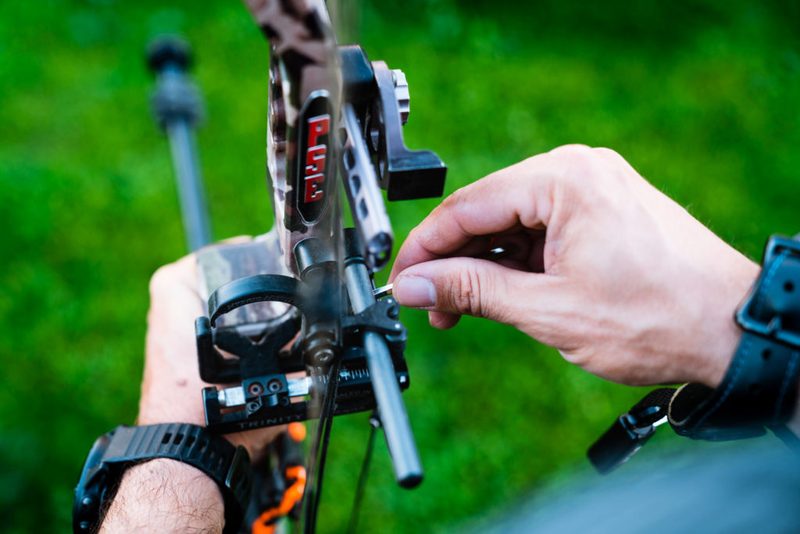
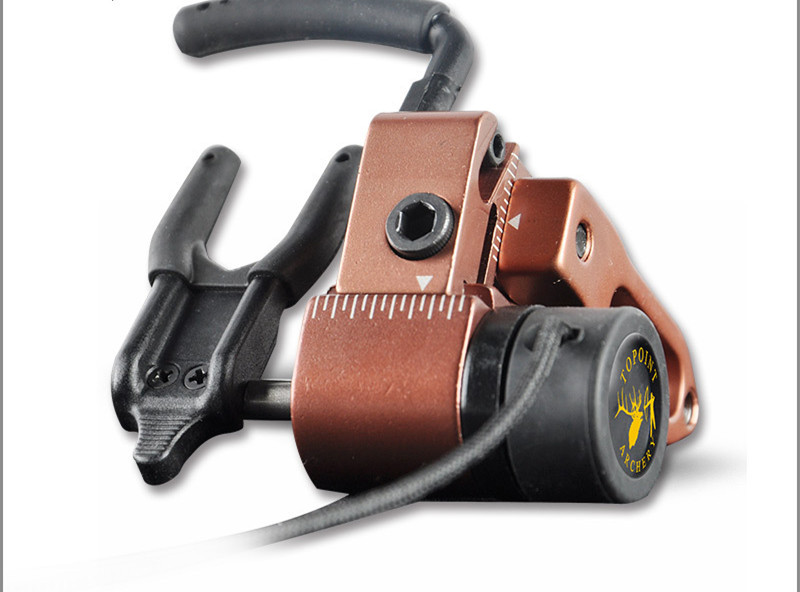
The rest is where most of your horizontal correction happens, and a rest that holds its adjustment cleanly makes the whole process faster. A drop-away rest gives you repeatable micro-adjustment and full clearance, which is why it is the go-to for archers who tune seriously.
Reading the Results: What the Bare Shaft Is Telling You
This is the part that turns bare shaft tuning from a chore into a diagnosis. The direction of the miss maps directly to a cause. The chart below assumes a right-handed shooter — flip left and right if you shoot left-handed.
| Bare shaft lands… | Likely cause | Fix |
|---|---|---|
| Left of the group | Spine too stiff | Move rest left, or add point weight / lengthen shaft |
| Right of the group | Spine too weak | Move rest right, or reduce point weight / shorten shaft |
| Low | Nocking point too high | Lower the nock in 1/32-inch steps |
| High | Nocking point too low | Raise the nock in 1/32-inch steps |
Notice how vertical and horizontal problems live on different axes. That separation is what lets you fix one thing at a time instead of turning every screw at once. Correct nock height first, because a high or low nock can masquerade as a spine issue once the arrow starts porpoising.
Nock Height vs Spine: Don’t Confuse the Two
A porpoising arrow — one that pitches nose-up then nose-down — is almost always a nocking point problem, and it shows as a vertical miss. A fishtailing arrow that wags side to side is a spine or rest problem, and it shows as a horizontal miss. The reason vertical comes first is simple: a badly set nock height throws off the whole launch and contaminates your horizontal read, so you can spend an hour “fixing spine” that was never wrong.
Spine itself is the arrow’s stiffness, and it has to match your draw weight and arrow length. If your bare shaft keeps drifting sideways no matter how you move the rest, the shaft is likely mismatched — the real fix is a different spine, not more rest travel. Our guide on how to choose arrow spine walks through matching stiffness to your setup, and the arrow rests compared breakdown covers which rest styles hold a tune best.
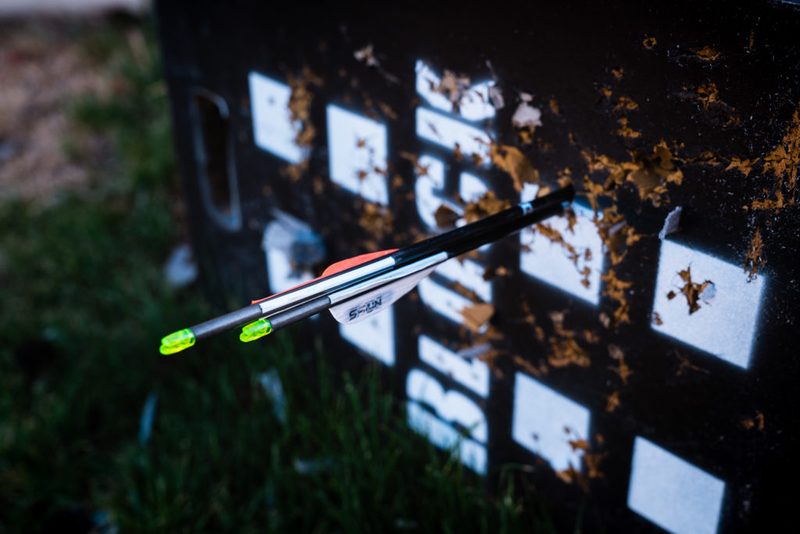
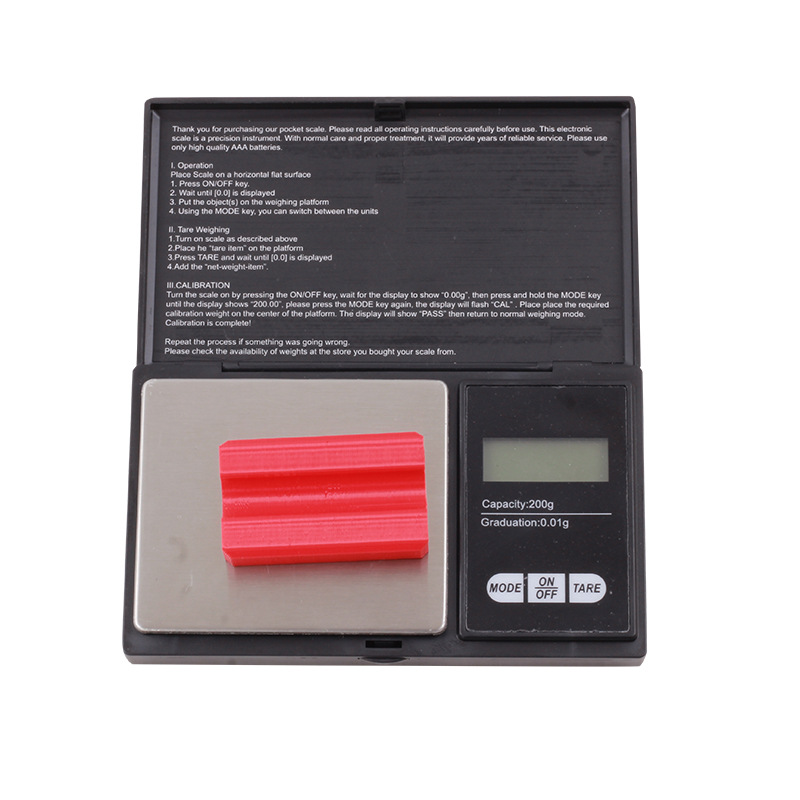
You can nudge effective spine without buying new arrows: adding point weight makes a shaft act weaker, trimming length makes it act stiffer. A grain scale lets you match point and total arrow weight across your test shafts so you are reading the bow, not a batch of mismatched arrows.
Common Bare Shaft Tuning Mistakes
The number one error is trusting a bad shot. If your form falls apart under a bare shaft — and it will, because there is no fletching to bail you out — you will chase phantom problems that live in your release, not your rest. Shoot enough arrows that a flyer is obvious and ignore it.
The second mistake is moving too much, too fast. A quarter-inch rest shift is enormous in tuning terms; the correct move is 1/32 of an inch, then re-shoot. People also start at 40 yards, watch the bare shaft sail off the target, and give up — start close and earn the distance. Finally, never bare shaft tune indoors at 5 yards and call it done. The arrow has not finished recovering that close, so it can look perfect while still being out at hunting range.
From Bare Shaft to Broadhead: The Real Payoff
Here is the reward for the work. A bow that puts a bare shaft into the fletched group will almost always put a fixed-blade broadhead into the same group as a field point, because the arrow is already leaving straight and the blades have nothing to steer against. That is the whole reason bowhunters tolerate the fuss.
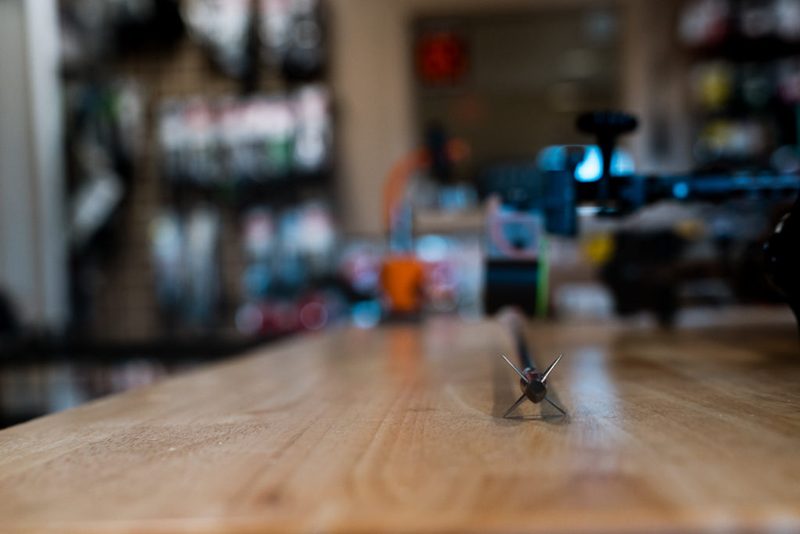
Once your bare shaft is dialed, screw in your broadheads and shoot them at your field points at 20, then 30 yards. If they group together, you are done. If the broadheads plane away, make the same small rest move the broadhead is asking for — treat the broadhead like a bare shaft with extra steering. For the difference between blade styles and how each behaves in flight, see our guide on fixed vs mechanical broadheads.
Watch It in Action
Reading about impact points is one thing; seeing the shafts land next to each other makes it click. This walkthrough shows the full process on a compound bow from the first group to a closed gap.
The Bottom Line
Set aside one unhurried afternoon and bare shaft tune your bow before the season, not during it. The archers who do this in July are the ones whose broadheads land where they aim in October — everyone else is troubleshooting from a treestand. Start close, move the rest in slivers, fix nock height before spine, and let the bare shaft tell you the truth. Once it groups with your fletched arrows, screw in a broadhead and go hunt with confidence. If you want to push tuning further, our breakdown of arrow weight, FOC and mass balance is the natural next step.
Sources
- Easton Archery — Arrow Tuning and Maintenance Guide — manufacturer tuning reference covering bare shaft and nock height diagnosis.
- GOHUNT — How to Tune a Compound Bow — step-by-step bare shaft and broadhead tuning walkthrough.
- Archery 360 — How to Bare-Shaft Tune Your Recurve or Longbow — Archery Trade Association guide to reading bare shaft impacts.
- Bowhunting.com — Bare Shaft Tuning Your Bow — spine and nock height interpretation for right-handed shooters.
