
Archery Blog
Fixed vs Mechanical Broadheads: Best Pick for 2026
Jul
In a 2019 study of more than 1,500 bow-shot deer, hunters using fixed-blade heads recovered 82.3% of their animals, while hunters shooting mechanicals recovered 90.7%. That eight-point gap is the entire argument in one number — and it’s also why the fixed-versus-mechanical debate refuses to die. Both heads kill. The question is which one matches your bow, your draw weight, and the animal standing 30 yards away.
Fixed vs Mechanical Broadheads: The Core Difference
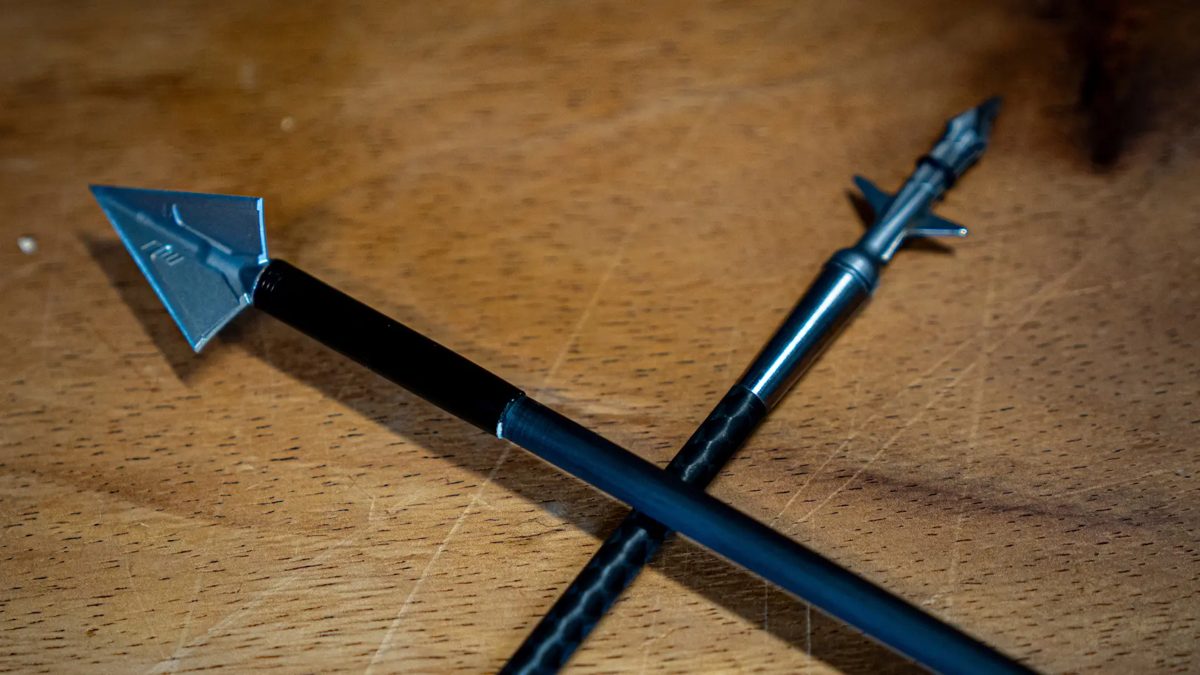
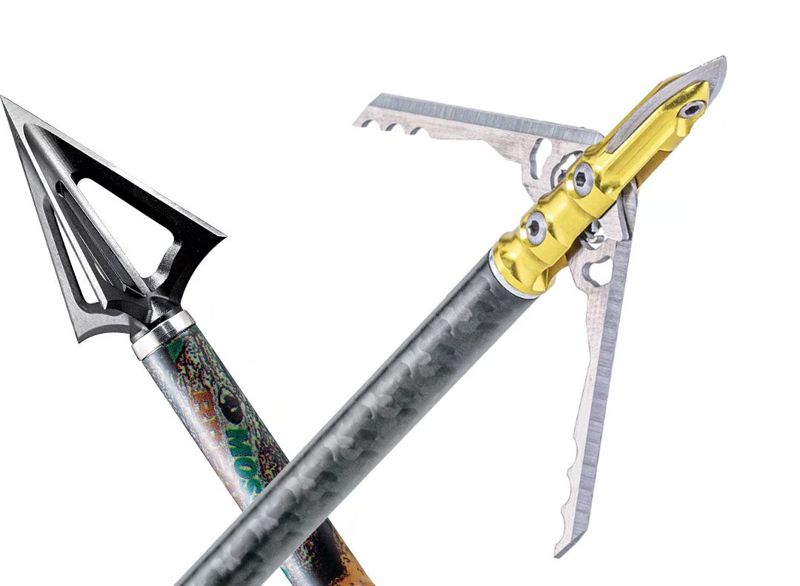
A fixed-blade broadhead is a solid piece of steel with two to four blades locked permanently in place. Nothing moves. A mechanical broadhead — also called an expandable — hides its blades against the ferrule during flight and swings them open on impact. That single design choice cascades into everything else: how the head flies, how deep it drives, how big a hole it cuts, and how often it fails.
Think of it as a trade. Fixed blades trade a little forgiveness in flight for bulletproof reliability. Mechanicals trade some structural strength for field-point accuracy and a bigger cut. Neither is objectively “better” — they’re tuned for different jobs.
How Fixed-Blade Broadheads Work
Because the blades are part of the head, a fixed broadhead transfers all of your arrow’s energy straight into cutting and driving forward. There’s no spring to compress, no blade to deploy, no energy lost opening anything. That’s why a fixed head out of a 50-pound bow can pass through a deer that a mechanical would stop inside.
The catch is flight. Those exposed blades act like tiny wings, so a fixed head will steer with any tuning flaw your bow has. If your arrows aren’t tuned, a fixed blade will plane away from your field points at 40 yards and tell on you. Get the tuning right, though, and they group like darts.
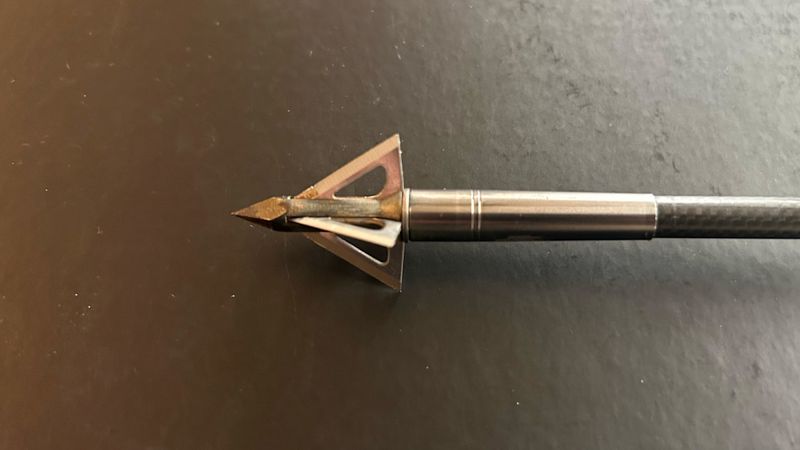
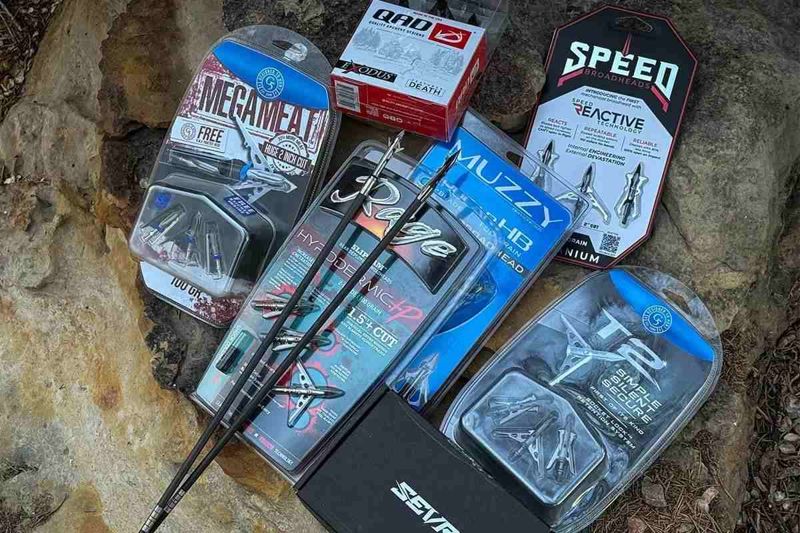
Fixed heads split into a few camps. Standard three- and four-blade heads like the Slick Trick and QAD Exodus offer a compact cutting diameter around 1 to 1¼ inches and excellent penetration. Single-bevel heads — where each blade is sharpened on one side only — add a rotational, bone-splitting effect that traditional and heavy-arrow shooters swear by for elk and larger animals.
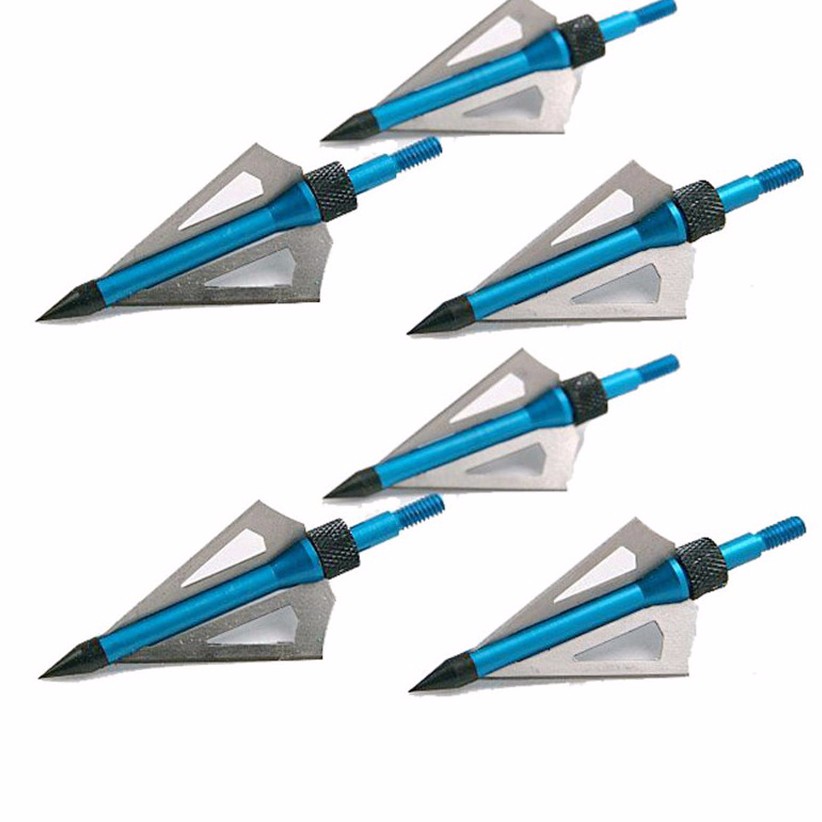
Whichever style you pick, practice with a matching head before the season. Fixed blades chew up foam targets fast, so a set of identical practice broadheads saves your hunting blades and your target both.
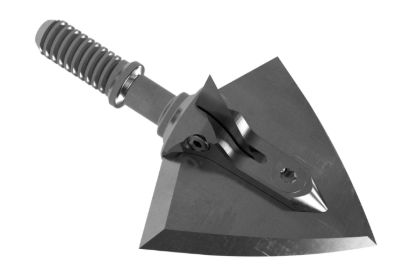
How Mechanical Broadheads Work
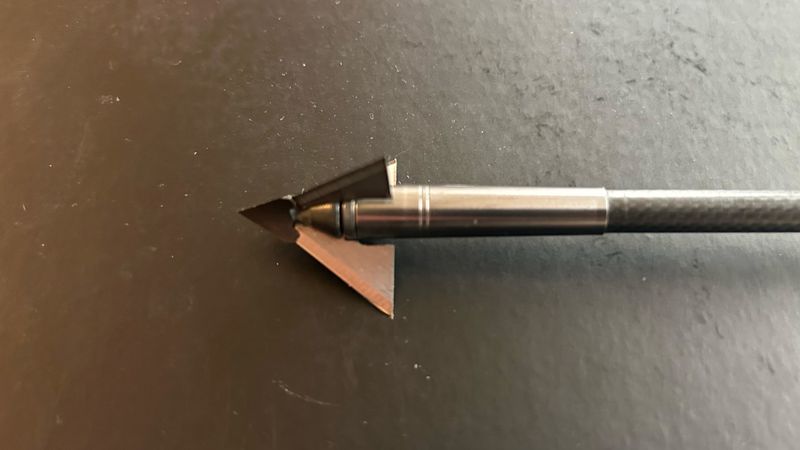
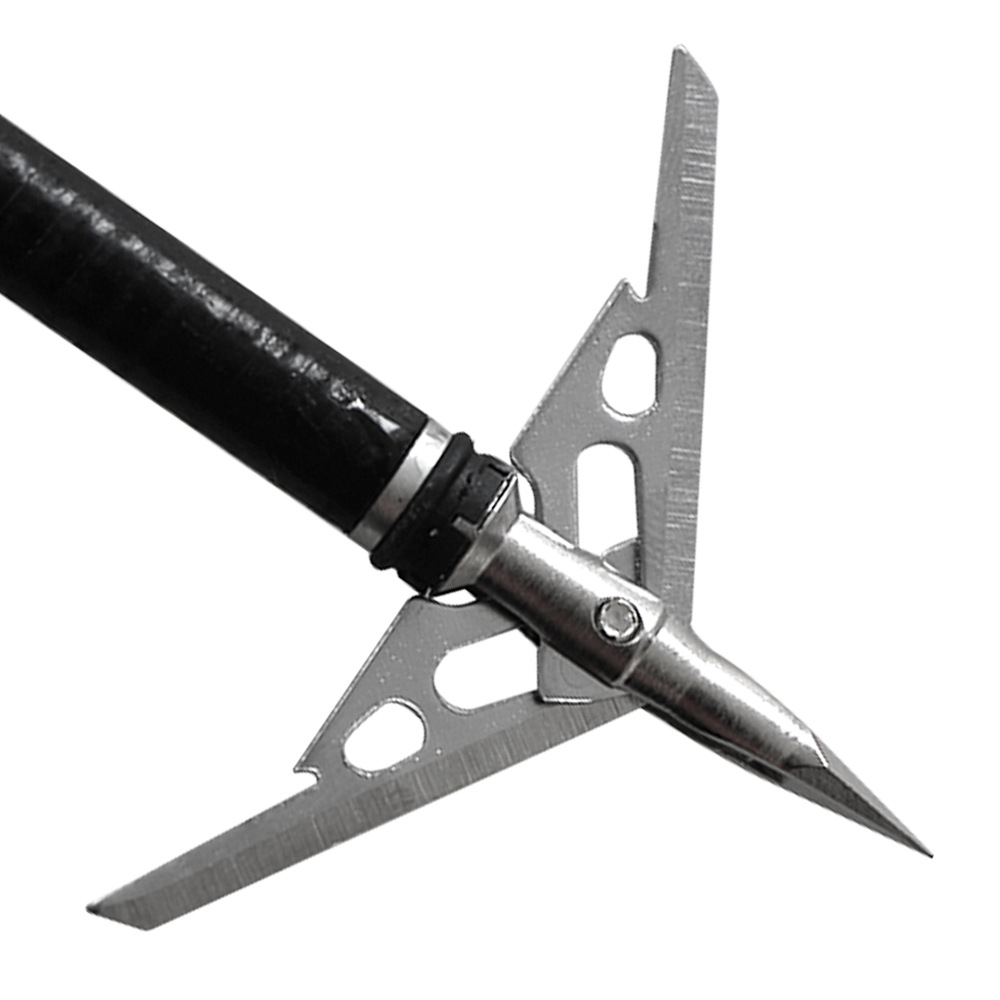
A mechanical broadhead flies with a low, slim profile almost identical to a field point, then deploys its blades the instant it hits hide. Some open from the front, some from the rear; rear-deploying designs are generally kinder to penetration because the blades aren’t fighting the entry. Cutting diameters run wide — commonly 1.5 to 2 inches, with a few monsters pushing past 2¼.
That wide cut is the whole appeal. A bigger hole means more tissue damage, faster blood loss, and easier blood trails — the reason mechanicals posted that higher recovery rate on deer. And because they fly like field points, you can screw them into a tuned rig and be hunting-accurate with almost no fuss.
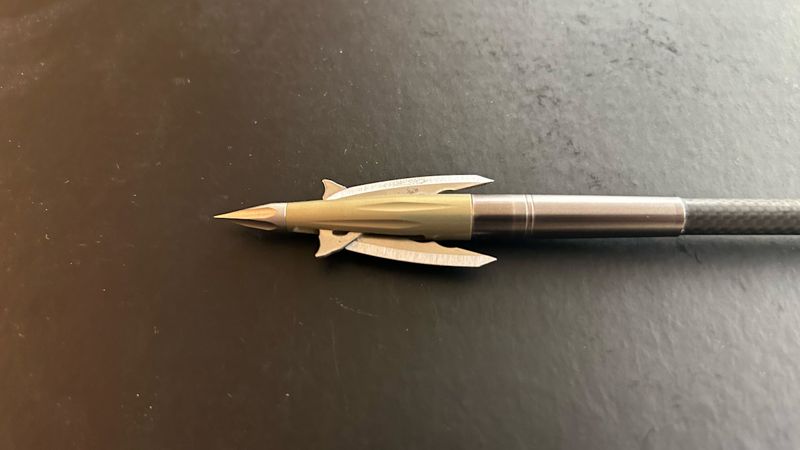
The downside is physics. Every mechanical spends part of its energy opening those blades, and every moving part is a part that can fail — a blade that doesn’t deploy, a collar that pops early in the quiver, or a head that folds against a shoulder blade. Quality has climbed enormously in the last decade, but a mechanical will never be as failure-proof as a solid chunk of steel.
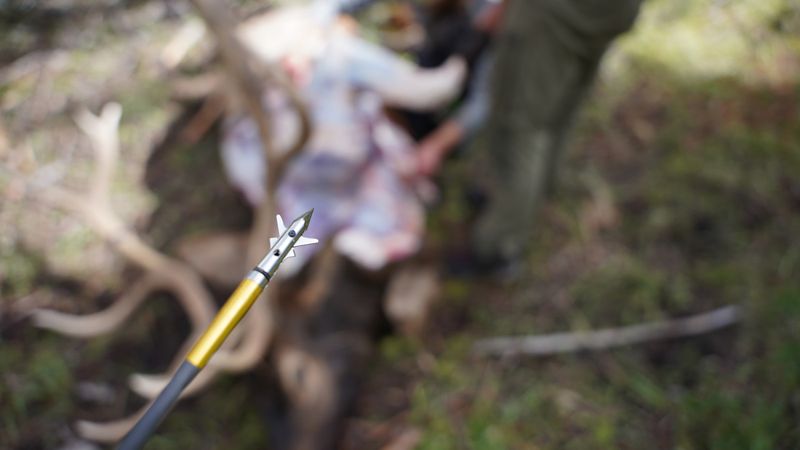
Accuracy: Which One Flies Truer?
Straight up, mechanicals win on forgiveness. Their field-point profile means less steering, less planing, and tighter groups from a rig that isn’t perfectly tuned. If you’re newer to bowhunting or you don’t want to spend a weekend paper tuning, a mechanical gets you shooting confidently faster.
Fixed blades can be every bit as accurate — but they demand a tuned bow. The blades amplify any inconsistency in your arrow flight, so a fixed head doubles as a tuning diagnostic. If your broadheads and field points don’t hit together, the head isn’t the problem; your tune is. Our broadhead tuning guide walks through the six fixes that close that gap, and paper tuning your compound bow is where most of it starts.
Penetration and Bone: The Real Trade-Off
This is where fixed blades earn their reputation. With no energy lost on deployment and a narrower profile, a fixed head drives deeper and holds together through heavy bone. On elk, moose, or any quartering shot that might catch a shoulder, that reliability matters more than a wide cut. It’s also why fixed blades are the standard recommendation for anyone shooting under about 55 pounds of draw weight — there’s simply less energy to spare on opening blades.
Mechanicals give up some penetration for their cut. On broadside, deer-sized game with a bow throwing enough kinetic energy, that trade is easy to accept — the wound channel does the work. Push into bigger animals or marginal angles and the math flips back toward fixed. If you’re still dialing in your setup, our draw weight guide for deer hunting lays out how much energy you actually need.
Blade Count, Cutting Diameter, and Grain Weight
Two more numbers decide how a broadhead behaves, and they matter regardless of which camp you land in. Blade count trades penetration for wound size: a two-blade head slips through with the least resistance, a four-blade head cuts more tissue but slows down faster. Three blades sit in the middle and are the most popular for a reason.
Cutting diameter is the width of the hole. Fixed heads usually run 1 to 1¼ inches; mechanicals stretch to 1.5 to 2 inches or more. A wider cut bleeds an animal faster, but it also demands more energy to push through — which loops right back to your draw weight and arrow setup. Grain weight is the third dial. The standard options are 100 and 125 grains, and heavier heads bias weight forward for better penetration at the cost of a little trajectory. The rule that never changes: your broadhead and your practice points must weigh the same, or your bow is sighted for a tip you’re not hunting with.
Which Broadhead Should You Hunt With?
Here’s the honest take: for the average whitetail hunter shooting 60 pounds or more at broadside deer, a quality mechanical is the smarter default. The forgiving flight and bigger blood trail solve the two problems that lose deer — a bad shot and a poor track. But the moment your hunt involves elk, heavy bone, tight cover, or a bow under 55 pounds, fixed blades become the safer bet.
A quick way to decide:
| Your Situation | Better Choice |
|---|---|
| Whitetail deer, 60+ lb bow, broadside shots | Mechanical |
| Elk, moose, or heavy bone | Fixed blade |
| Draw weight under 55 lbs | Fixed blade |
| Traditional or heavy-arrow setup | Fixed (single bevel) |
| New to bowhunting, want easy accuracy | Mechanical |
How to Set Up Whatever You Choose
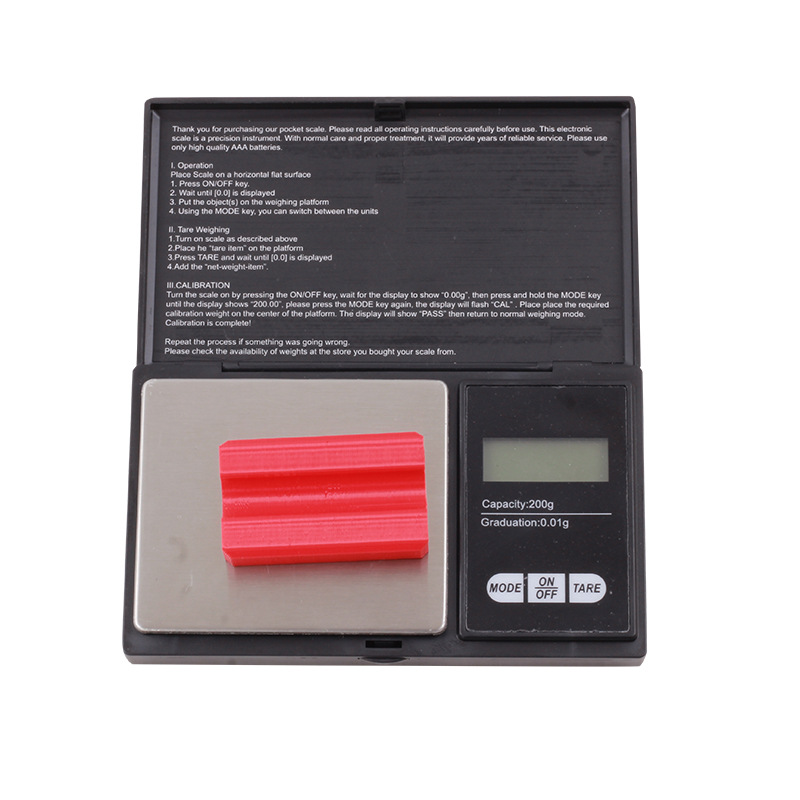
The broadhead you pick matters less than the arrow it rides on. Match your broadhead’s weight to your practice field points exactly — a 100-grain head with 100-grain practice tips — so your point of impact doesn’t move. A grain scale takes the guesswork out of it, especially if you’re building arrows to a target total weight.
Front-of-center balance is the other lever. Heavier heads shift weight forward, which stabilizes the arrow and boosts penetration — a bigger deal for fixed blades than mechanicals. Your shaft choice feeds into all of it, so if you’re rebuilding arrows, start with our breakdown of carbon vs aluminum arrows before you thread on a single head.
Watch: Fixed vs Mechanical in the Field
Bowhunter TV put both head types through real shots on game to see how they perform when it counts. It’s worth the ten minutes before you commit a season’s worth of arrows to one design.
The Verdict
Stop looking for the broadhead that wins the internet argument and start looking for the one that fits your bow. If you hunt whitetails with a modern compound and a tuned rig, load a proven mechanical and enjoy the blood trails. If you chase elk, shoot traditional gear, or pull less than 55 pounds, put a sharp fixed blade up front and never think about it again. Then do the part that actually fills tags — shoot the head you chose, at hunting distances, until the shot is automatic. Browse the full range of broadheads and tuning gear and get dialed before opening day.
Sources
- Iron Will Outfitters — Fixed vs Mechanical Broadheads — recovery-rate study data on 1,500+ bow-shot deer
- GOHUNT — Which Broadhead Design Is Best to Hunt With? — design, cutting-diameter, and penetration comparison
- Field & Stream — Fixed-Blade vs. Mechanical Broadheads — head-to-head field breakdown for whitetail deer
Browse archery bows, arrows, and accessories at the Archery Supplier shop →
