
Archery Blog
Archery Target Types: 7 Kinds and Which Is Best

Jul
A $40 bag target and a $400 3D deer look like they do the same job — stop an arrow — but shoot a 100-grain broadhead into the wrong one and you’ll destroy it in an afternoon. The target you buy decides how often you replace it, which arrows you can shoot, and whether your backyard practice actually carries over to a hunt or a tournament. Getting the match right the first time saves real money.
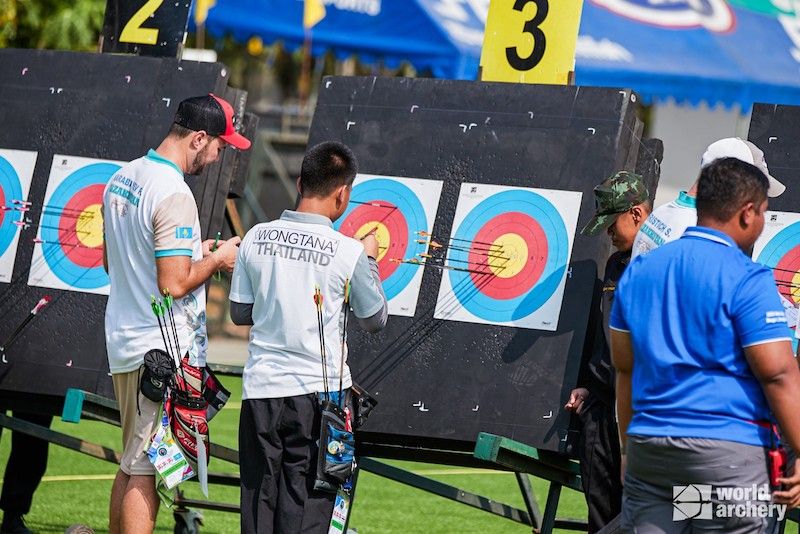
Archery Target Types at a Glance
There are seven archery target types worth knowing, and they split cleanly by how they stop the arrow. Bags catch it in loose fill. Foam grabs the shaft with friction. 3D targets wrap a scoring core in a molded animal shell. Paper faces are just the aiming surface you staple over any of them. Pick the stopping method that fits your arrows and your draw weight, and the rest of the decision gets easy.
Here is the short version before we get into each one:
- Bag targets — cheapest, field points only, easiest arrow pull
- Foam block targets — layered foam, handles broadheads and field points
- Solid self-healing foam — shoot from any angle, longest life for high-speed bows
- 3D animal targets — hunting and tournament practice, replaceable cores
- Paper target faces — the scoring surface, pennies per sheet
- Competition butts — the big straw or foam boss that holds the face
- DIY targets — stretch-wrap, foam scraps, or a homemade box
Bag Targets: The Budget Workhorse
A bag target is a woven shell stuffed with plastic fibers or rag fill, and for pure repetition it is hard to beat. The loose fill grips a field point just enough to stop it while letting you pull the arrow out with two fingers — no arrow puller, no wrestling. That easy removal matters more than beginners expect. Shoot 60 arrows in a session and the difference between a two-finger pull and a full-body yank is the difference between practicing and quitting early.
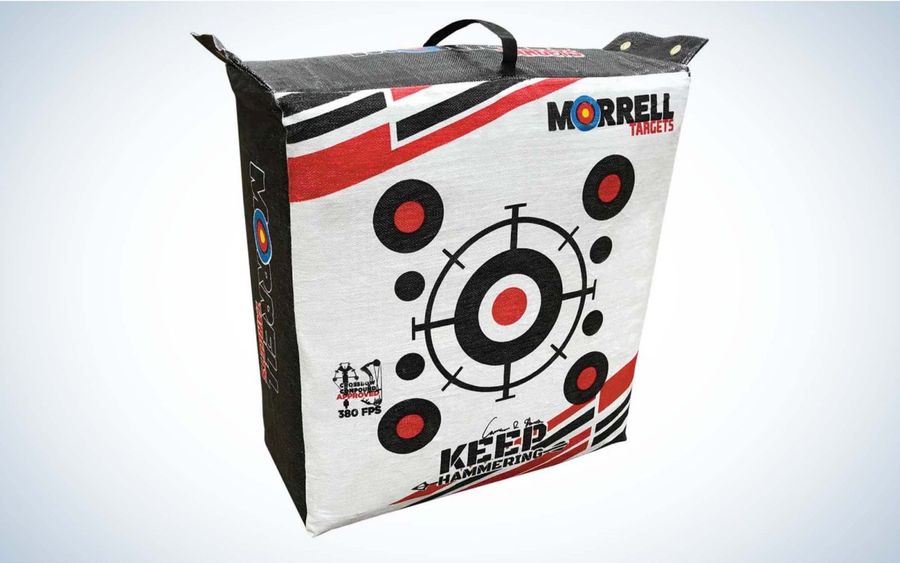
The one hard rule: never shoot broadheads into a bag. The blades slice the fill and the shell, and a bag that lasts thousands of field-point shots can be junk in a weekend of broadhead practice. Bags are also awkward to leave out in the rain — wet fill packs down and stops arrows less predictably. Keep it under cover and a good bag target will outlast two or three cheaper foam blocks.
Foam Block Targets: The All-Rounder
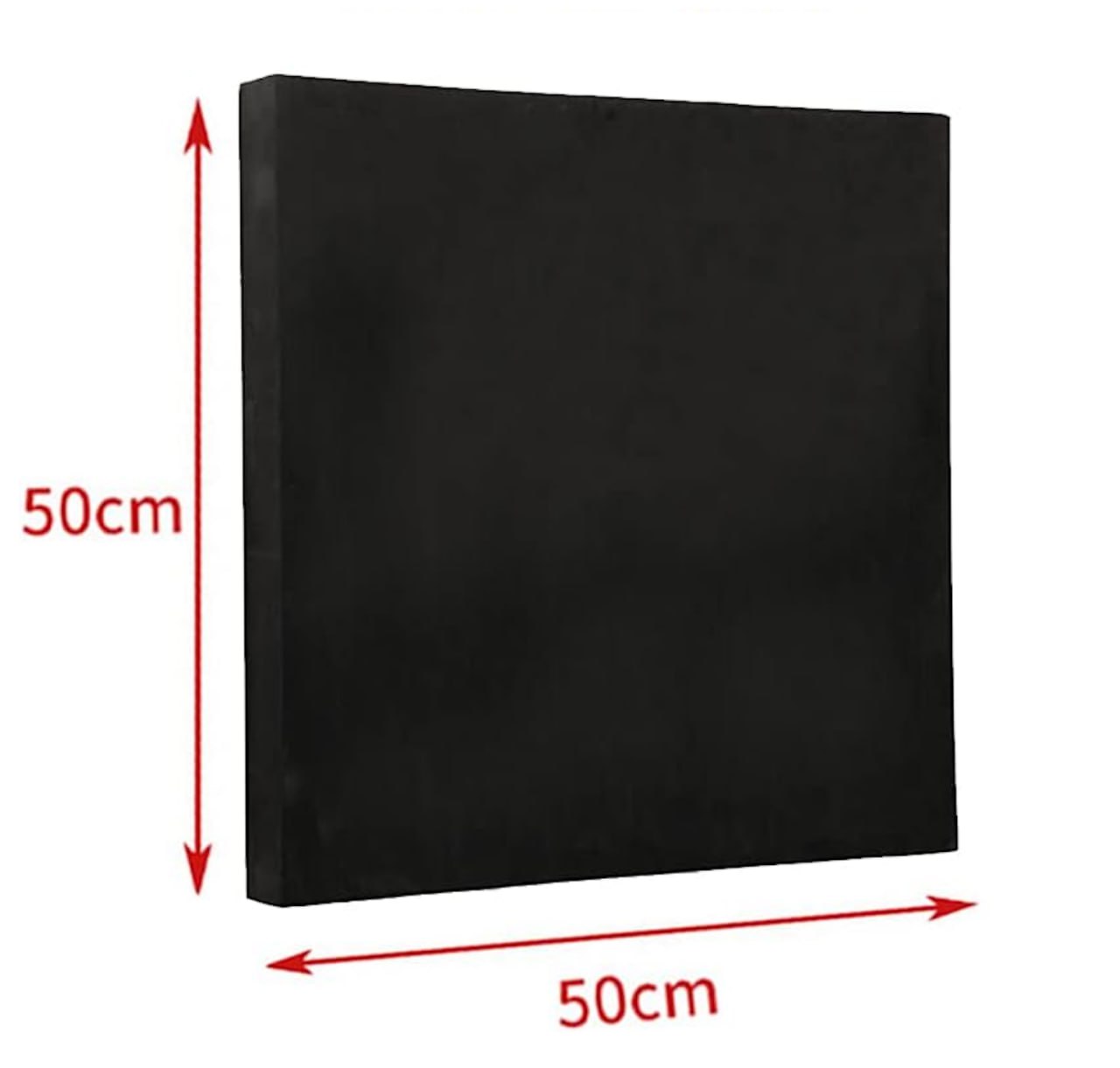
Block targets are built from layered polyethylene foam, and they solve the broadhead problem that bags can’t. The tight foam layers pinch the shaft and stop both field points and broadheads, which is why bowhunters checking their broadhead flight reach for a block first. You shoot straight into the flat face, and the friction does the work.
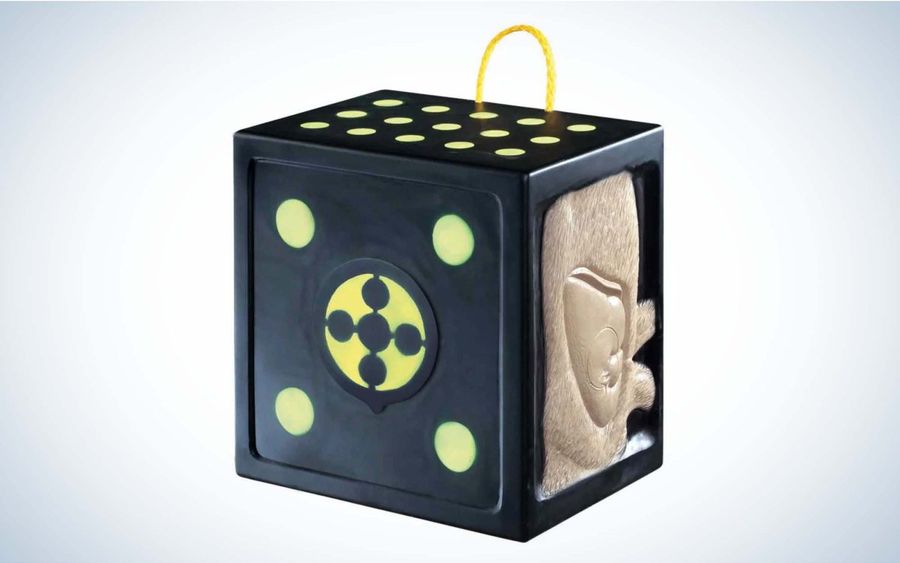
The trade-off is arrow removal. That same grip that stops a broadhead fights you when you pull, especially on a fast compound sending arrows at 300-plus feet per second. A little bar of target lube on the shaft turns a two-hand fight back into a smooth pull. Layered foam also has a weak point: shoot the same hole enough times and that spot loses its grip. Rotate your aim across the face and a block lasts far longer than its center third suggests.
Solid Self-Healing Foam: Shoot From Any Angle
Solid foam targets use a soft, self-healing plastic foam that closes back around the hole after you pull the arrow. Where a layered block wants a square-on shot, a solid foam cube takes hits from any angle without splitting along a seam. That makes it the most versatile of the archery target types — you can walk around it, shoot the corners, and simulate the odd angles a real 3D course throws at you.
Self-healing foam is what most quality 3D animals are molded from, and it is the reason a good target survives the hardest-hitting compounds and even crossbows. The catch is price. Solid foam costs more up front than a bag or a basic block, but for a fast bow it earns that back by refusing to blow out at the center. If you shoot 60-plus pounds, this is the foam that lasts.
3D Animal Targets: Practice Like You Hunt
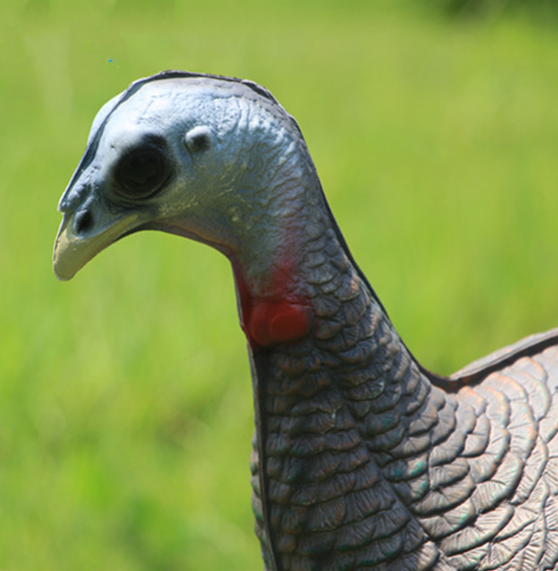
3D targets are life-size foam animals — whitetail deer, turkey, boar, the occasional dinosaur — with internal scoring rings placed where a deer’s heart and lungs sit. Nothing else prepares you for a hunt the same way. A flat bullseye tells you nothing about picking a spot on a broadside deer at an unknown distance in fading light. A 3D target forces that judgment on every shot.

They are also the entry point to competitive 3D archery, where you walk a course and shoot molded animals at ranged and unmarked distances. Most quality 3D targets use a replaceable center core, so the high-wear center core swaps out while the shell keeps going for years. If you are new to the format, our guide to 3D archery for beginners walks through scoring and course etiquette. One rule holds across every 3D animal: field points for practice, and only step up to broadheads if the target is rated for them.
Paper Target Faces: Pennies Per Session
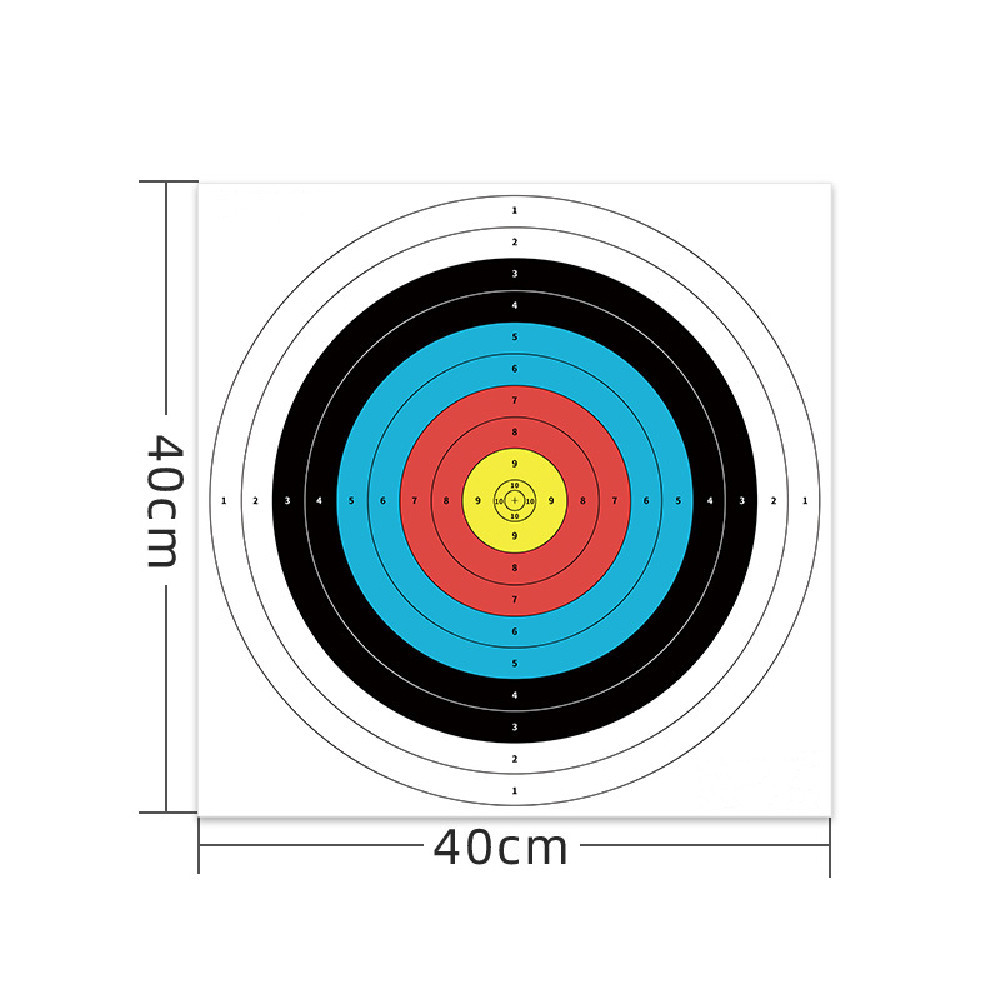
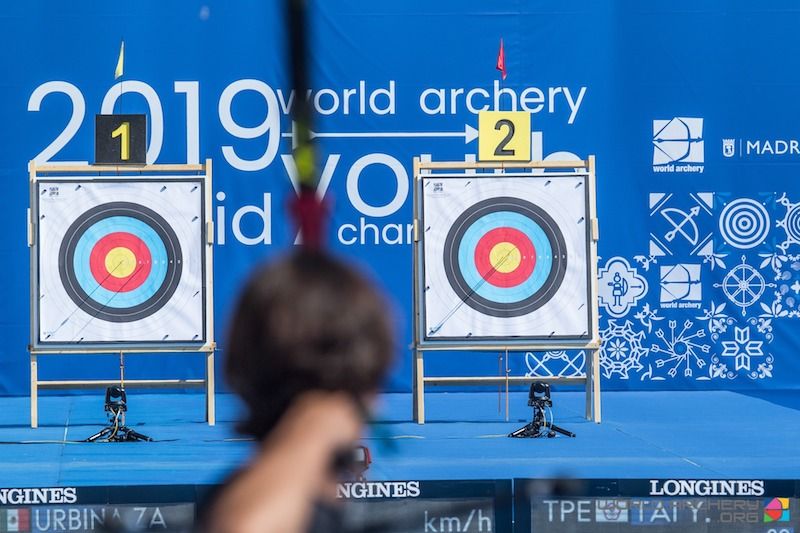
A paper face is the printed scoring surface — the familiar ten-ring gold, red, blue, black, and white you see at every competition. World Archery shoots a 122 cm face at 70 metres with a 12.2 cm ten-ring, and the same printed faces scale down for indoor and backyard distances. You staple or pin a fresh sheet over any bag, block, or straw butt, and when it’s shot out you put up another one.
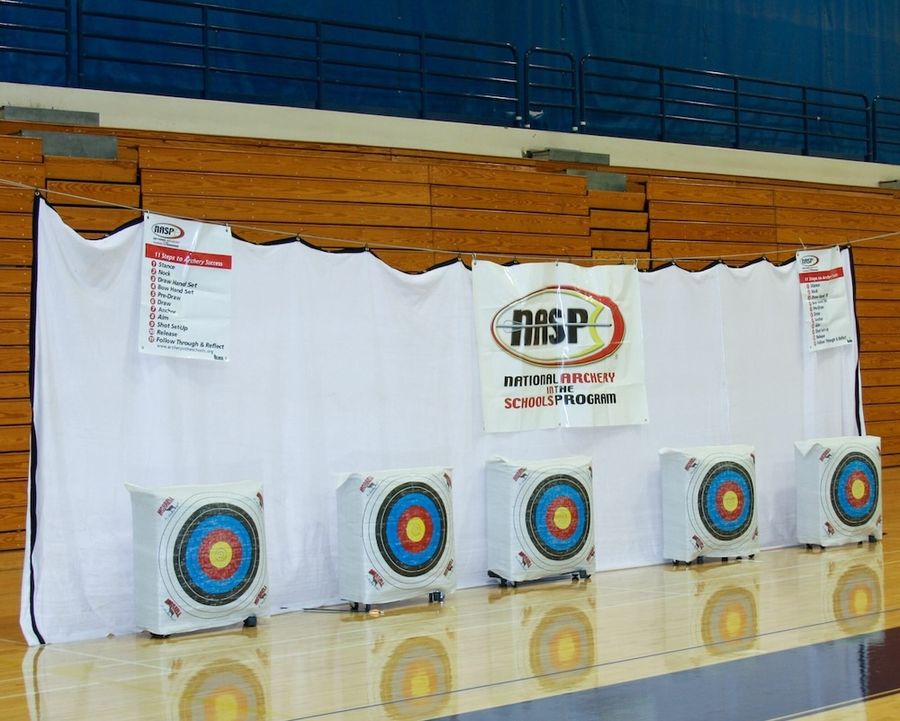
This is the cheapest way to keep score. A pack of faces costs a few dollars and turns any backstop into a scoring range, which is exactly why school and club programs stack them by the hundred. Faces don’t stop arrows on their own — they are the aiming layer, not the target body — so pair them with something behind that actually catches the shaft.
Competition Butts: The Boss Behind the Face
At a range, the thing holding the paper face is called a butt or a boss — a thick disc of coiled straw or dense foam mounted on a stand. Straw bosses are the traditional club choice: cheap, heavy, and forgiving, though they sag in the weather and eventually rot. Foam bosses cost more, shrug off rain, and give a cleaner arrow pull, which is why newer ranges lean toward them.
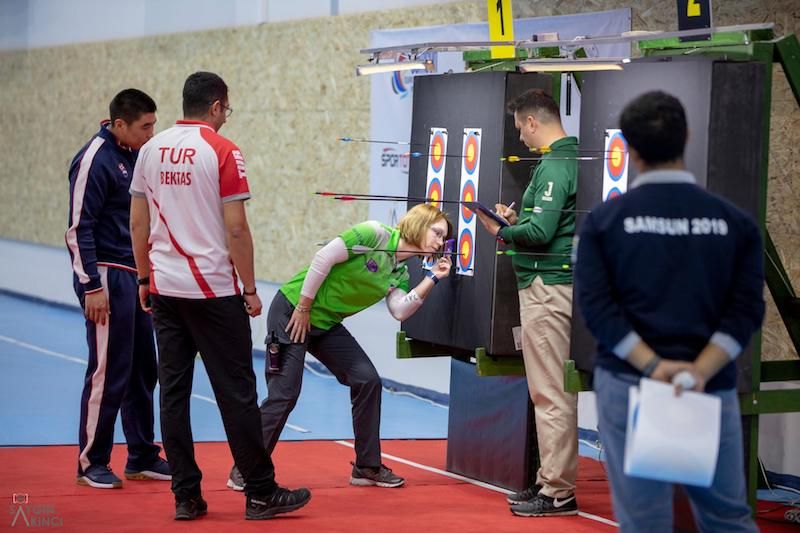
You don’t need a full competition boss for the backyard, but the category matters because it’s the format you’ll shoot at any club or tournament. Angle the butt back slightly so arrows that hit low don’t skip off the ground, and it will feed you clean scoring shots for years.
DIY Targets: When You Build Your Own
Plenty of archers never buy a body target at all. A tight roll of shrink-wrap plastic, a stack of old carpet, or a box packed with foam scraps will stop field points on a budget. The classic build is a wooden frame filled with plastic stretch film wound tight — cheap, rebuildable, and shockingly durable if you keep the layers packed.
The honest trade-off with DIY is consistency. A homemade target stops arrows unevenly, and a soft spot can let a shaft bury deep or pass through entirely. Always hang a backstop behind any target you’re not fully sure of — arrow netting, a stall mat, or thick foam — so a flier doesn’t leave your yard. Getting the whole setup safe is its own job; our walkthrough on setting up a backyard archery range covers spacing, backstops, and buffer zones.
Which Archery Target Should You Buy?
Here’s the straight answer most target reviews dance around: if you shoot field points and just want reps, buy a bag and spend the savings on arrows. If you’re a bowhunter who needs broadhead practice, a layered foam block is the honest first buy. And if you’re prepping for a hunt or a 3D shoot, a self-healing 3D animal is worth every dollar because it trains the one skill flat targets can’t — judging a shot on a real body shape.
Draw weight and arrow speed should drive the final call more than price. A slow youth bow is happy with a cheap bag; a 70-pound compound at 320 fps will punch through soft targets and needs dense foam. Buy for the bow you actually shoot, and check that any target is rated at or above your arrow speed before you send the first shot.
Making Any Target Last Longer
The fastest way to kill a target is to shoot the same hole over and over. Move your aim point around the face — corners, edges, a fresh spot each end — and you spread the wear instead of drilling one soft crater. It’s the single habit that most extends target life, and it costs nothing.
Two more habits pay off. Use a rubber-grip arrow puller on stubborn foam so you’re not bending shafts or straining a wrist, and keep the target out of standing rain — a tarp or an overhang doubles the life of foam and bag alike. When you switch to broadheads, keep them sharp; a dull blade tears the target and flies worse, and our notes on how to sharpen broadheads keep both your target and your groups in better shape.
Frequently Asked Questions
Can you shoot broadheads into a bag target? No. Broadheads slice the fill and shell — use a layered foam or solid foam target for broadhead practice, and save the bag for field points.
What target lasts longest for a fast compound? Solid self-healing foam. It closes around the hole and resists the center blow-out that finishes off bags and cheap blocks under high-speed arrows.
How far should I stand from a backyard target? Twenty yards is a practical maximum for most backyards and covers target-archery practice; bowhunters who have the room benefit from 30 to 40 yards. Always keep a clear, backstopped shooting lane.
Do I need a paper face and a separate target? Yes for scoring. Paper faces are the aiming surface only — pin them over a bag, block, or boss that actually stops the arrow.
Whatever you shoot at, match the target to your arrow tips and your bow’s speed first, and pick the format second. Ready to set up? Start with a target rated for your bow, back it with a proper stop, and read our backyard range setup guide before your first end.
Sources
- World Archery — Target Archery Discipline — official target face dimensions and scoring ring specifications.
- Archery 360 — Archery Targets: Know the Options — Archery Trade Association overview of bag, foam, and 3D target construction.
- Archery 360 — Build a DIY Target and Backstop — safety netting and buffer-zone guidance for home ranges.
- Outdoor Life — Best Archery Targets, Tested and Reviewed — durability and arrow-speed ratings across target types.
Browse archery bows, arrows, and accessories at the Archery Supplier shop →
Shop on Amazon
Archery Targets on Amazon →
As an Amazon Associate we earn from qualifying purchases.
Shop on eBay
Archery Targets on eBay →
We may earn a commission when you shop through our eBay links.
