Archery Blog
Recurve vs Compound Bow: 7 Essential Differences
Jun
A beginner recurve setup runs about $150 to $250. A hunting-ready compound, once you add a sight, rest, release, and arrows, lands closer to $700 to $1,200. That price gap is the first thing most new archers notice, but it’s the wrong place to make the decision. The two bows don’t just cost different amounts — they teach different skills, reward different practice, and fail in different ways. Picking the right one means knowing what you actually want to do with it.

Recurve vs Compound Bow: The Core Difference
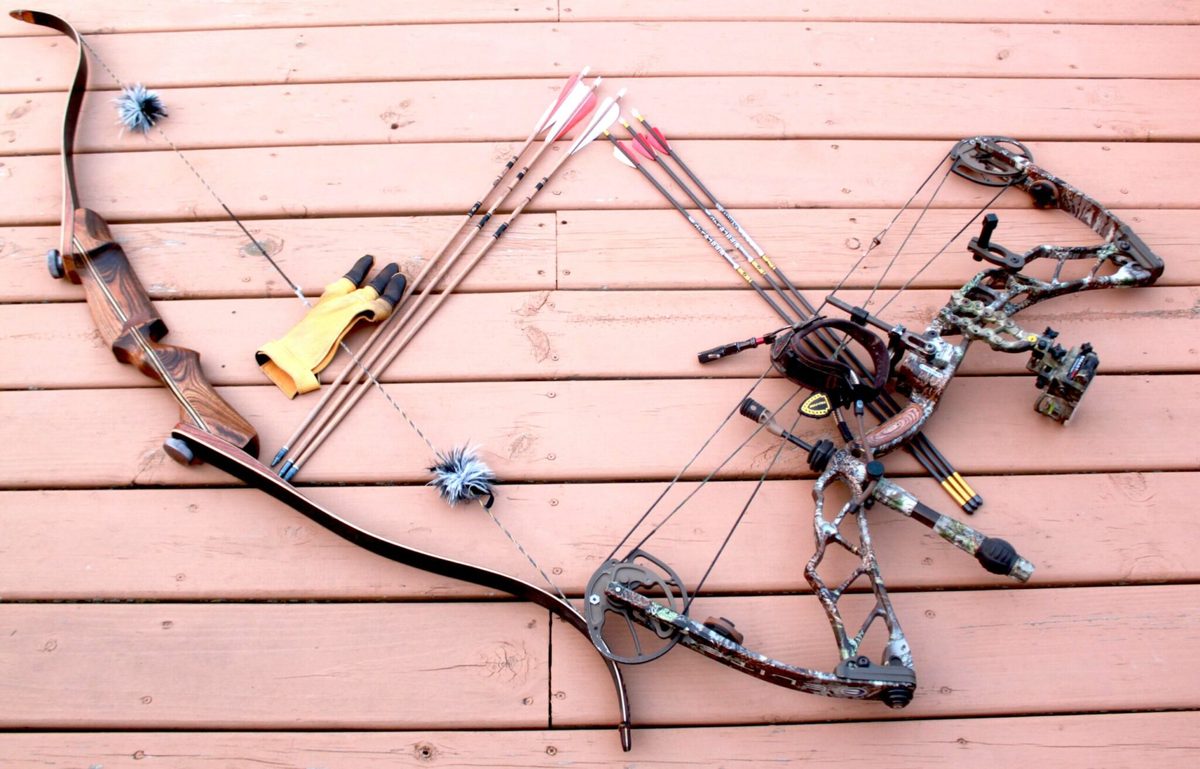
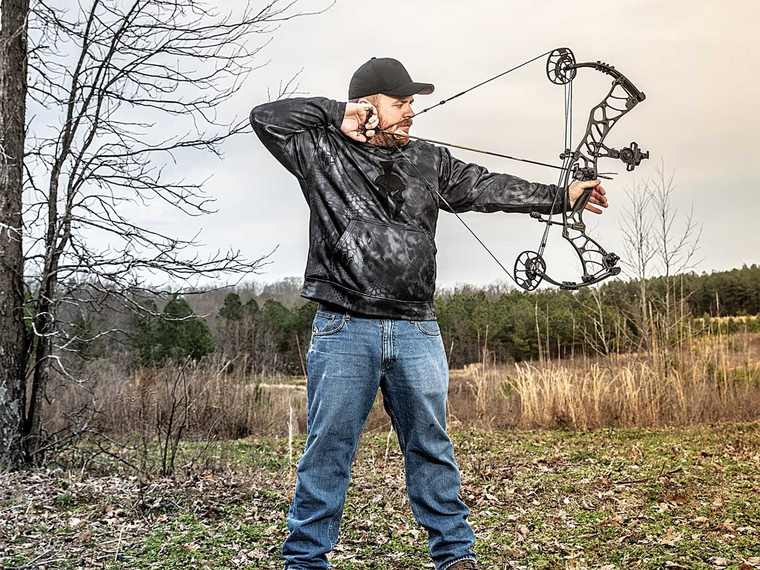
Strip away the marketing and it comes down to one mechanical fact. A recurve bow stores energy in its curved limbs and nothing else — you pull the string, the limbs bend, and you hold every pound of that draw weight at full draw. A compound bow routes the string over a pair of cams at the limb tips. Those cams roll over as you reach full draw and dump 70 to 90 percent of the weight off your fingers, a feature called let-off.
That single difference cascades into everything else. Because a compound holds the weight for you, you can aim longer, shoot a heavier-poundage bow, and launch arrows at 300-plus feet per second. Because a recurve holds nothing back, it demands cleaner technique, a faster release, and stronger back muscles — which is exactly why coaches like it for building fundamentals. The recurve is the only bow shot at the Olympics, and that’s not nostalgia. It’s the discipline the format rewards.
Which Bow Is More Accurate?
Out of the box, a compound bow is more forgiving and easier to shoot tight groups with — that’s not really up for debate. The let-off lets you settle the pin, the sight gives you a precise aiming reference, and the mechanical release removes finger torque from the string. A first-timer can put arrows in a paper plate at 20 yards on day one with a compound. That same first-timer will spray arrows with a recurve for weeks before the groups tighten.
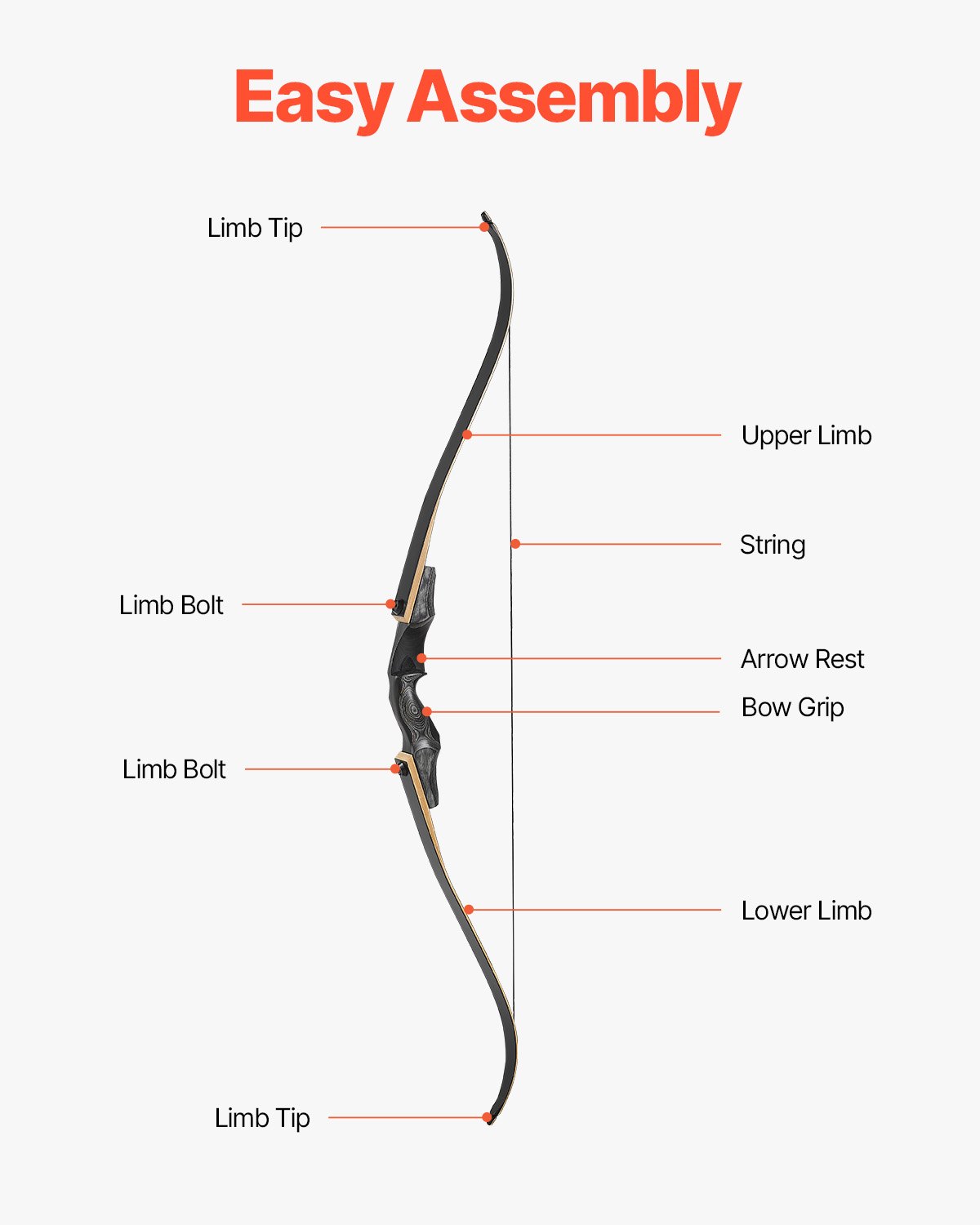
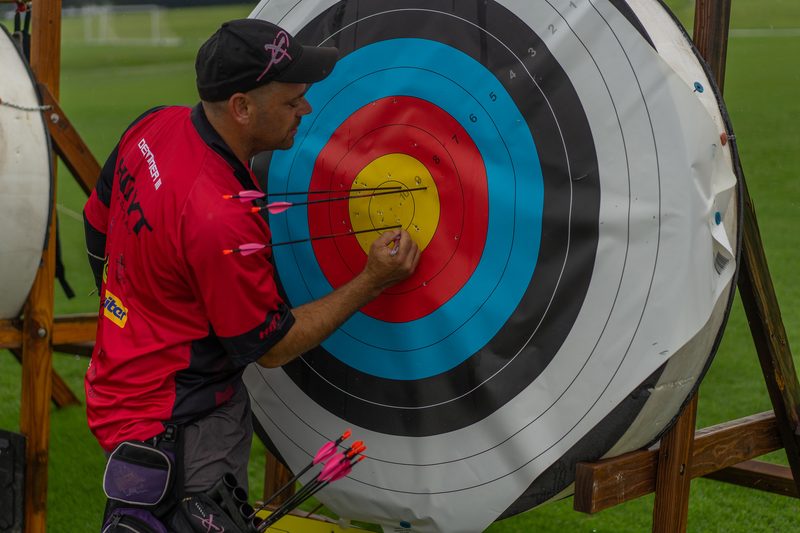
But raw accuracy potential is a different question. A skilled Olympic recurve archer shooting at 70 meters is doing something no compound shooter is asked to do — holding a bare bow steady on a target the size of a dinner plate, two-thirds the length of a football field away. The compound is more accurate sooner. The recurve makes you earn it. If your goal is hitting a 10-ring under pressure, both paths work; if your goal is a confidence-building first session, the compound wins outright.
Here’s the World Archery explainer if you want to see the two side by side before you read further:
Which Is Easier for Beginners?
This is where most people get steered wrong. The honest answer: a compound is easier to succeed with, but a recurve is easier to learn on — and those aren’t the same thing.
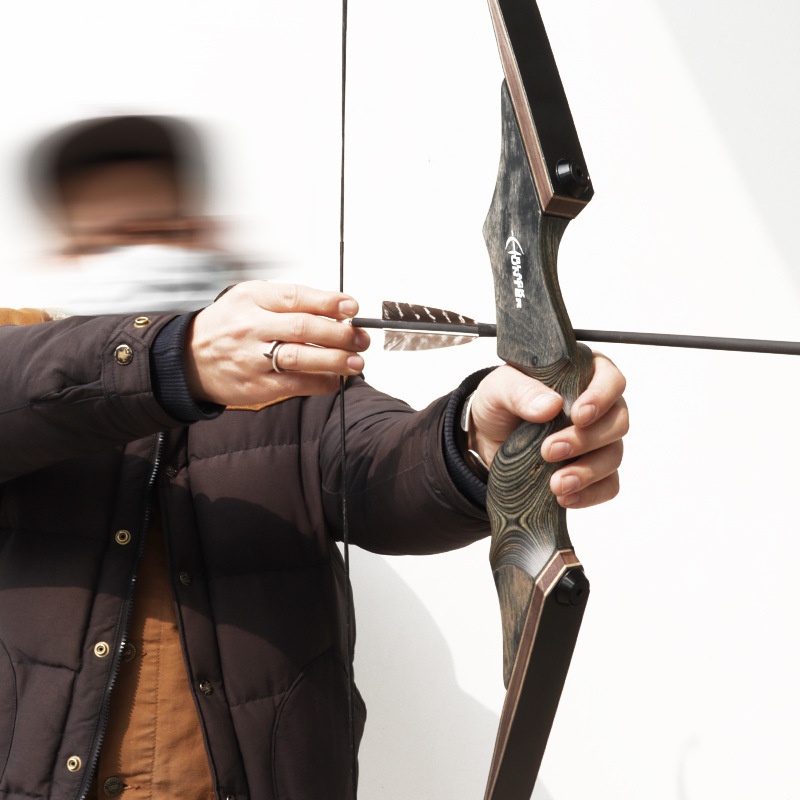
A recurve has no cables, no cams, no timing, no press required to work on it. You can string it, shoot it, and understand every part of it in an afternoon. When something goes wrong with your shot, the bow tells you immediately, because it hides nothing. That fast feedback loop is brutal at first and invaluable long-term. The truth is, most archers who start on a recurve and later move to a compound shoot the compound better than people who only ever shot compound — they brought real form with them.
The flip side is motivation. Plenty of people quit archery because their first month was nothing but frustration. If watching arrows actually hit the target is what keeps you coming back, the compound’s quick wins matter more than any form argument. If you want the full beginner breakdown, our getting started with recurve archery guide walks through the first ten sessions, and the best recurve bows for beginners roundup covers what to actually buy.
One overlooked factor is physical fit. Recurve draw weight is fixed by the limbs, so a 35-pound recurve is always 35 pounds — and a youth or smaller-framed archer can struggle to draw a hunting-weight recurve cleanly. A compound’s draw weight and draw length are adjustable across a wide range on most modern models, and the let-off means you’re only fighting a fraction of the peak weight at the moment of the shot. For a kid moving up from a toy bow, or anyone unsure how much weight they can pull with good form, that adjustability removes a real barrier the recurve doesn’t.

Recurve vs Compound Bow for Hunting
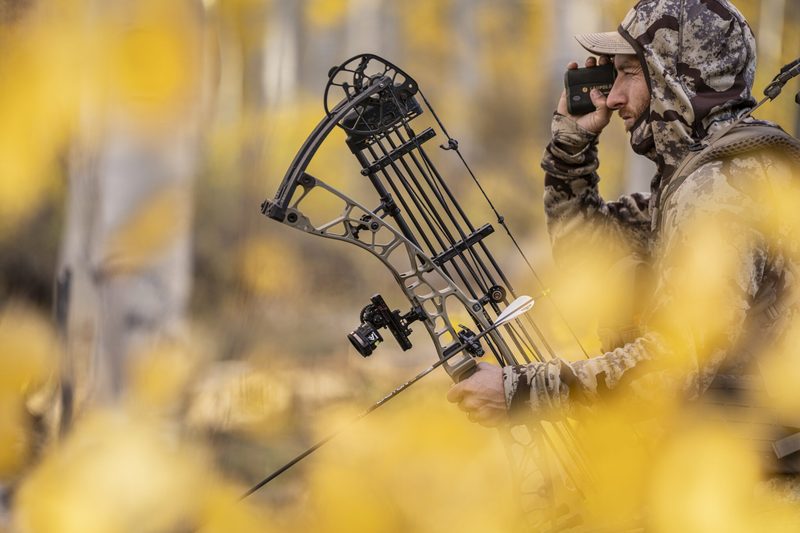
For most bowhunters, the compound is the practical tool, and the numbers explain why. A modern hunting compound throws a broadhead-tipped arrow at 280 to 340 feet per second with enough kinetic energy for an ethical pass-through on a whitetail at 40 yards. The let-off lets you draw early and hold at full draw while a deer closes the last few steps — try holding 60 pounds on a recurve for thirty seconds and you’ll understand the advantage. Most states set a minimum draw weight for deer hunting around 40 pounds, and a compound makes that weight comfortable to manage.
None of that means recurves can’t hunt. Traditional bowhunters take game every season — they just accept a shorter effective range, usually inside 20 to 25 yards, and put in the practice that close-range instinctive shooting demands. It’s a deliberate handicap that a certain kind of hunter loves. For everyone else weighing reach and margin for error, the compound is the safer ethical choice. If you’re also curious how crossbows fit into the picture, our crossbow vs compound bow comparison covers that split.
Cost: What You’ll Actually Spend
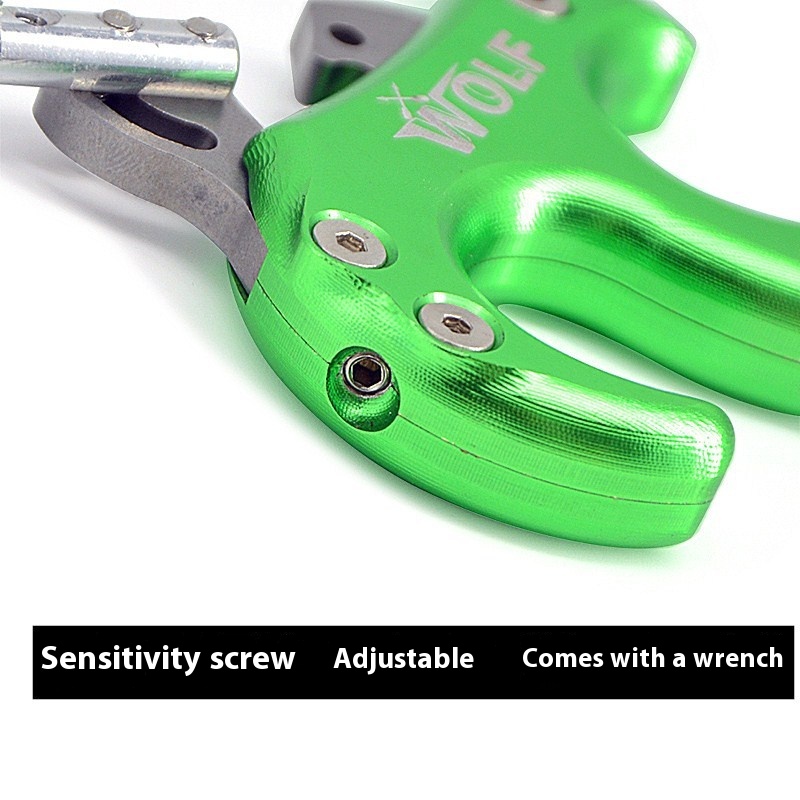
The sticker price only tells part of the story. A recurve is cheaper to start and cheaper to feed. Once you own the bow, an arm guard, a tab, and a dozen arrows, you’re shooting — total damage under $300 for a solid beginner rig. A compound is a system. The bare bow is just the entry fee; the sight, arrow rest, stabilizer, release aid, and peep sight all add up, and they’re not optional if you want the accuracy the compound promises.
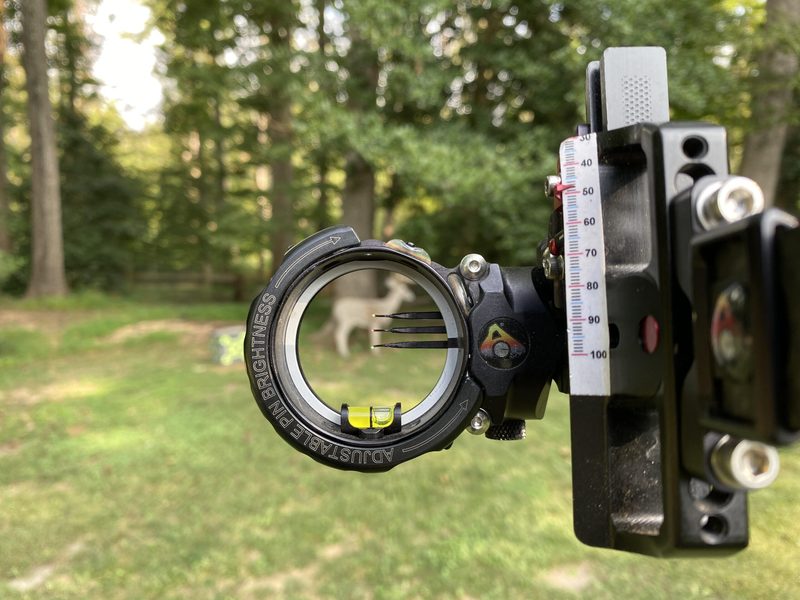
The multi-pin sight below is a good example of where compound money goes — precise yardage references that a recurve archer simply doesn’t bolt on. None of this makes the compound a bad value. It buys real capability. But go in knowing the bow is the down payment, not the whole bill.
Maintenance and Reliability
A recurve is nearly bombproof. Wax the string now and then, check the limbs for cracks, and it’ll outlast you. Most recurve owners never set foot in a pro shop. Take the bow down, throw it in a bag, restring it next week — nothing about it punishes neglect or travel.
A compound trades that simplicity for performance. Cams have to stay in time, cables and strings stretch and eventually need replacing, and serious work usually means a bow press and a tech who knows what they’re doing. It’s not fragile — a well-kept compound is extremely dependable — but it asks for upkeep a recurve never will. If you like tinkering, that’s a feature. If you want to buy a bow and forget about it, the recurve’s low overhead is genuinely freeing.

Recurve vs Compound Bow: Side-by-Side Comparison
| Factor | Recurve Bow | Compound Bow |
|---|---|---|
| Starting cost | $150–$250 | $500–$1,200 set up |
| Holding weight | Full draw weight | 70–90% let-off |
| Arrow speed | 170–220 fps | 280–340 fps |
| Learning curve | Steep, builds form | Gentle, quick wins |
| Best for | Target, traditional, learning | Hunting, long-range accuracy |
| Maintenance | Minimal | Regular, press needed |
Which Bow Should You Choose?
Match the bow to the goal and the answer usually picks itself. Want to learn archery properly, shoot Olympic-style target, travel light, or keep the whole thing under $300? Start with a recurve — and if traditional shooting pulls at you, a one-piece wooden bow doubles down on that simplicity. Want to hunt, want to see fast progress, or want to wring tight groups out to 50 yards? Buy the compound and budget for the accessories that make it sing.
There’s also a third answer nobody tells beginners: try both. A cheap recurve costs less than a night out, and a season of shooting one will teach you more about what you actually want than any article — this one included. Plenty of lifelong archers own a recurve for the backyard and a compound for the woods, and they’d tell you the rivalry was never real. The best bow is the one you’ll pull back a thousand times this year.
Sources
- World Archery — Recurve Equipment Guide — official governing body on recurve specs and Olympic use.
- Field & Stream — Recurve vs Compound Bow — hunting-focused comparison and effective-range guidance.
- Academy — Recurve Bow vs Compound Bow — beginner cost and learning-curve breakdown.
