
Archery Blog
Crossbow vs Compound Bow: 7 Real Trade-Offs 2026
Jun
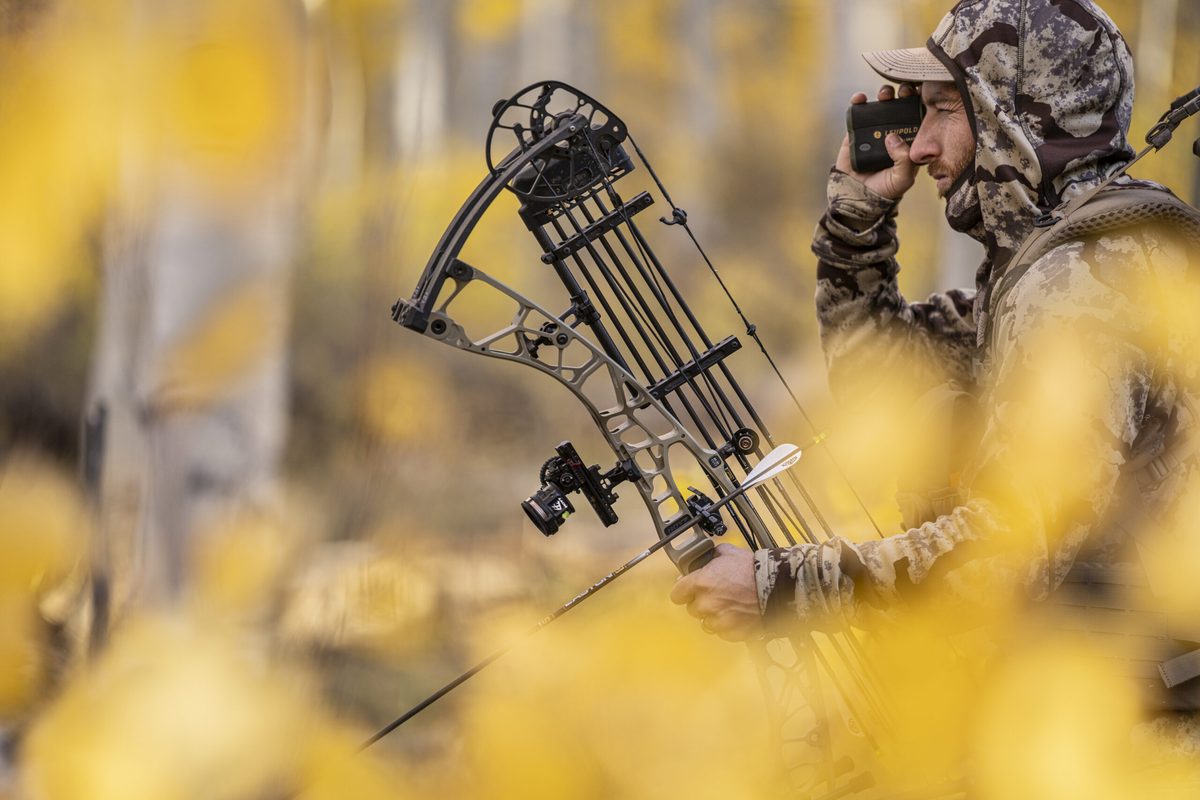
The crossbow vs compound bow debate gets louder every season, and the honest answer is that they are two different tools for two different hunters. A modern crossbow throws an arrow at 400 to 500 feet per second, holds itself at full draw all day, and lets a brand-new shooter ring a paper plate at 40 yards by the end of an afternoon. A modern compound bow weighs less than half as much, fits in a tight ground blind, and rewards practice with shot placement a crossbow cannot match in the woods. The right pick depends on how much you want to shoot, where you hunt, and what your state lets you carry into archery season.
This breakdown uses real numbers from the 2024 Outdoor Life bow test and the 2026 Field & Stream crossbow test instead of marketing copy, then maps each spec to a hunting situation so you can decide without a salesman in your ear.
How a Compound Bow Works
A compound bow uses a system of eccentric cams at the limb tips and a network of cables to compound the energy you put into the draw. As the cams roll over, draw weight peaks early and then drops off sharply at full draw, a feature called let-off. Most hunting compounds let off 75 to 90 percent, so a hunter pulling a 70-pound peak weight ends up holding only 7 to 17 pounds at the back wall. That is what makes a compound holdable on a deer that hangs up at 30 yards for two minutes.
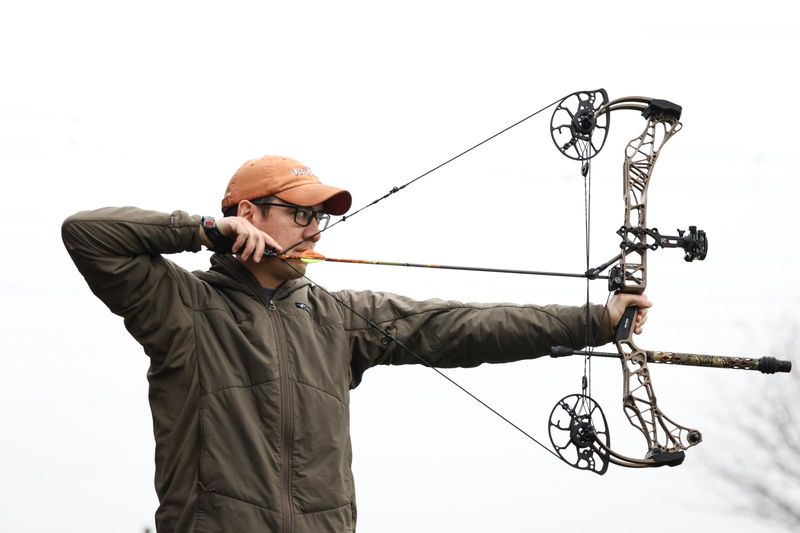
The trade-off is that the draw is a learned motion. You pull through peak weight, settle into the valley, anchor against your jaw, aim, and squeeze the release without letting the bow torque in your hand. None of that is automatic. A new compound shooter typically needs 200 to 500 deliberate practice arrows before groups tighten enough for confident hunting. Form drift, target panic, and bow torque all show up in the shot.
How a Crossbow Works
A crossbow is a horizontal short bow mounted to a rifle-style stock. You cock it once, usually with a built-in crank or a rope cocker, and the string holds itself back against a sear inside the trigger. Aim through a scope, click the safety off, pull the trigger, and a bolt leaves the rail in a fraction of a second. There is no holding, no drawing on a buck inside 20 yards, no risk of getting busted at the worst possible moment.
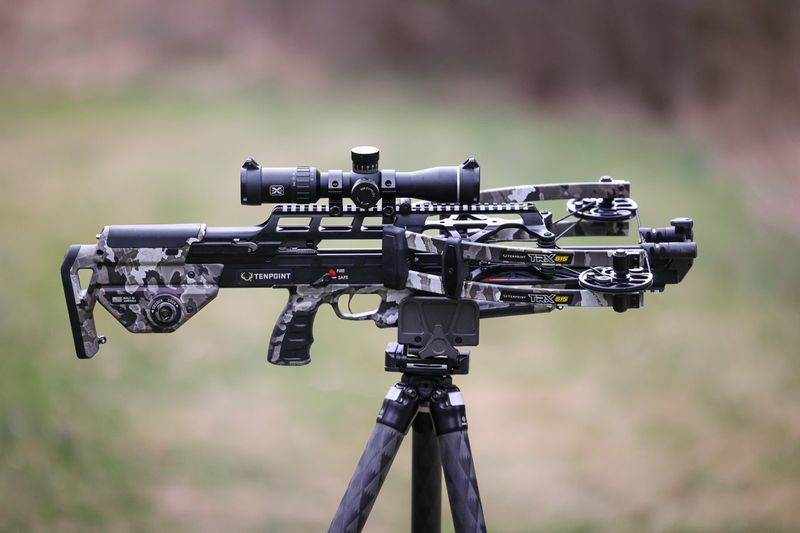
The mechanics get violent. Hunting crossbows commonly carry 175 to 290 pounds of draw weight, store two to three times the energy of a compound, and require a built-in cocking aid because no one can draw 290 pounds by hand. That same energy is what beats up strings, cables, and rails. Skip the rail lube for a season and a $400 string set is on the way.
Speed: Where the Crossbow Pulls Ahead
This is the easiest stat to settle. The fastest crossbows in the 2026 Field & Stream test now break 500 feet per second, with the TenPoint TRX 515 and Ravin R500 leading the pack. Mainstream hunting crossbows sit in the 380 to 450 fps range with a 400-grain bolt. The fastest compound in the 2024 Outdoor Life Bow Test was the Mathews Lift, which clocked 283 fps with a 406-grain hunting arrow at a 29-inch draw and 59.2 pounds. Even at maximum legal hunting draw weights, top-end compounds top out around 340 to 360 fps.
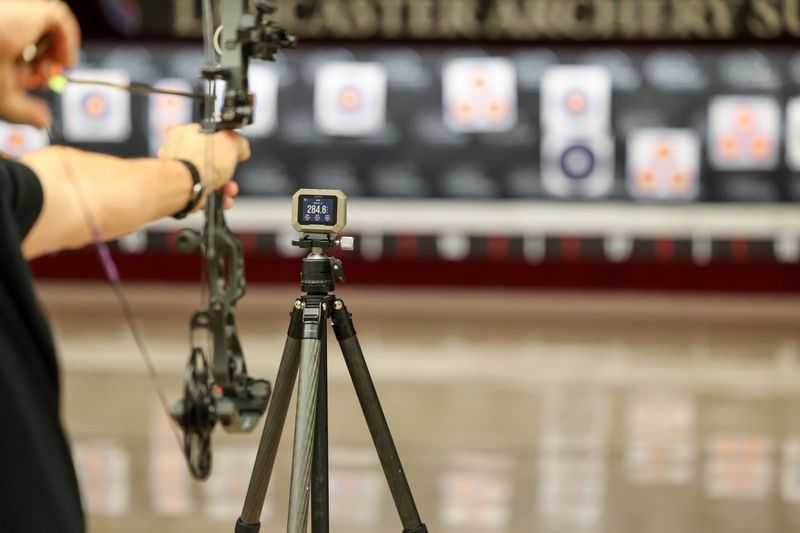
The practical payoff of speed is flatter trajectory. A 450-fps crossbow bolt drops about half as much from 20 to 50 yards as a 280-fps compound arrow. If you misjudge range by five yards on a flat-shooting crossbow, the bolt still hits the heart. Misjudge the same distance with a slower compound and the arrow sails over the back. The crossbow buys margin for sloppy rangefinding, which matters in a low-light treestand. It does not, however, buy you a longer ethical shot. Killing distance is still limited by your ability to read the deer’s posture and where the bolt would land if the animal jumped the string.
Accuracy at 50 Yards: Closer Than You Think
This is where the loud opinions break down. When the 2024 Outdoor Life crew shot every test crossbow and compound bow at 50 yards with three rotating shooters, the gap between the most accurate crossbow group average and the most accurate compound group average was 0.66 inches. Not feet. Less than three-quarters of an inch over five-arrow groups at half a football field.
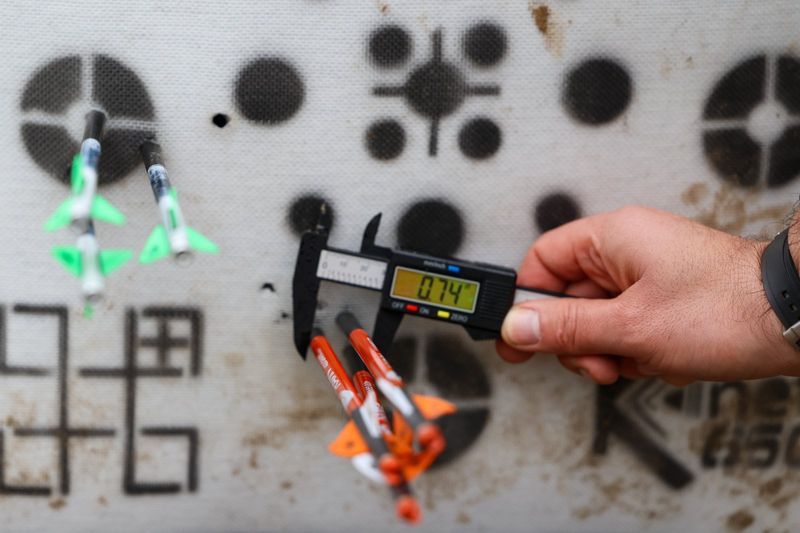
What that data hides is the shooter input. A scoped crossbow off a shooting rail or sandbag will print rifle-like groups for anyone who can hold steady. A compound bow at 50 yards demands a clean release, no bow hand torque, calibrated pins, and a tuned rest. The skilled compound shooter is competitive. The casual one is not. If you put in 30 minutes a week instead of three hours, the crossbow will outshoot you by a wide margin in real conditions. If you put in the practice, the gap closes hard.
Holding Steady Under Pressure
One number worth knowing: in the same Outdoor Life follow-up shot test, the average follow-up shot took 58 seconds with a crossbow versus 35.3 seconds with a compound. Cocking a crossbow under a deer is loud, slow, and visible. Drawing a compound on a wounded animal is fast and silent. For shots two and three, the compound is the better tool, and that matters more than the crossbow community admits.
Weight, Bulk, and What You Can Carry
A bare hunting compound weighs three and a half to four and a half pounds. Add a sight, rest, quiver, and stabilizer and you are still under six. A full hunting crossbow ready to shoot runs seven to nine pounds and stretches 30 to 36 inches long when uncocked. That difference is invisible at the truck and brutal three miles into a public-land elk hunt.
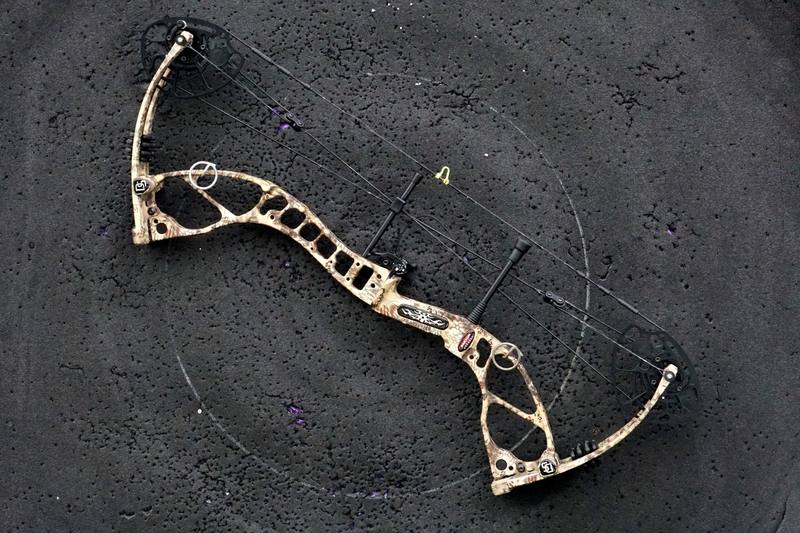
Bulk also decides whether you can hunt at all. A crossbow held cocked across your lap in a ground blind takes up the bench. In a saddle setup or a small treestand, the wider crossbow limbs catch on every branch on the way up. A compound on a bow hanger sits flat against the tree. For backcountry, saddle hunters, or anyone climbing more than they sit, the compound is the only practical pick.
Cost: Don’t Believe the Sticker Price
Sticker shock cuts both ways. A complete hunting-ready compound bow package — bow, sight, rest, quiver, six arrows, broadheads, release, and a target — runs $700 to $1,500 for a midrange setup and $1,800 to $2,500 for a flagship build. Our best compound bows by price range breakdown maps those tiers in detail.
A ready-to-hunt crossbow package looks cheaper up front. Entry-level hunting crossbows with a scope and three bolts can be had for $400 to $700. Mid-tier crossbows from TenPoint, Ravin, and Excalibur live in the $1,200 to $1,800 range. Flagship reverse-draw crossbows like the Ravin R500 push past $3,000 once you add quality bolts and a quiver.
The long-tail cost flips the math. Crossbow strings and cables wear out two to three times faster than a compound’s. A full restring on a high-end crossbow is $250 to $400, often required every season or two. Broadhead-rated bolts cost $25 to $50 each, more than a hunting arrow. Compound strings replaced at a pro shop cost $150 to $250 and last two to four seasons. Five years out, a heavily used crossbow and a heavily used compound cost about the same.
Hunting Regulations: Where Crossbows Still Get Blocked
Forty-plus states now allow crossbows during the full archery season, and that number creeps up every year. A handful still restrict crossbows to the firearms season or limit them to disabled hunters and senior hunters. Always check the current year’s regulations in your state and any state you plan to hunt out of. The federal archery elk units in Colorado, for example, let anyone hunt with a vertical compound but restrict crossbow use to permit holders with disabilities.
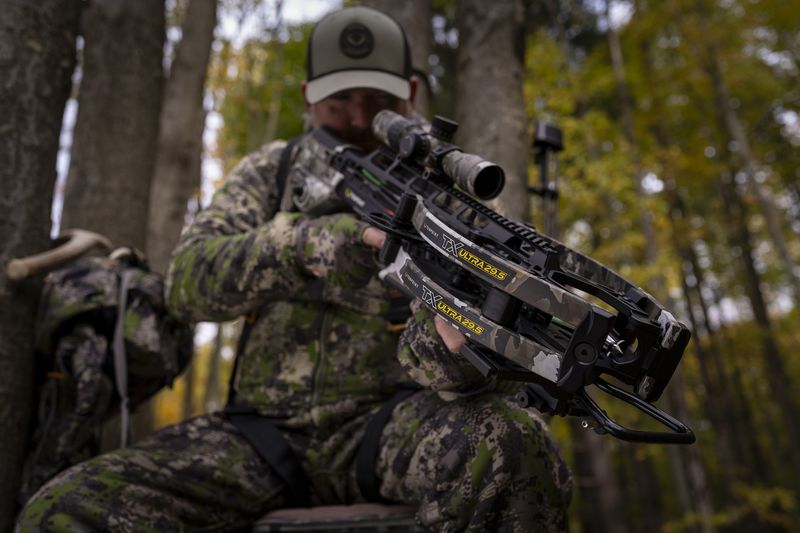
If you draw a tag in a state where crossbows are still firearms-only and you only own a crossbow, you just gave up six weeks of archery-only pressure-free hunting. The compound buyer never has that problem.
Maintenance and Practice Time
A compound bow asks for paper tuning, cam timing checks, and a fresh coat of string wax every couple of weeks. The first season is a learning curve. After that, the routine takes 15 minutes a month. Our walkthrough on compound bow tuning covers the cam, lean, and rest setup that keeps a hunting compound shooting bullet holes.
A crossbow asks for rail lube every three to five shots, a cable serving check every cocking cycle, and a string replacement on the manufacturer’s schedule. The owner’s manual is not a suggestion. Dry-firing a crossbow because the bolt seated wrong destroys the riser. Skipping rail lube cuts string life in half.
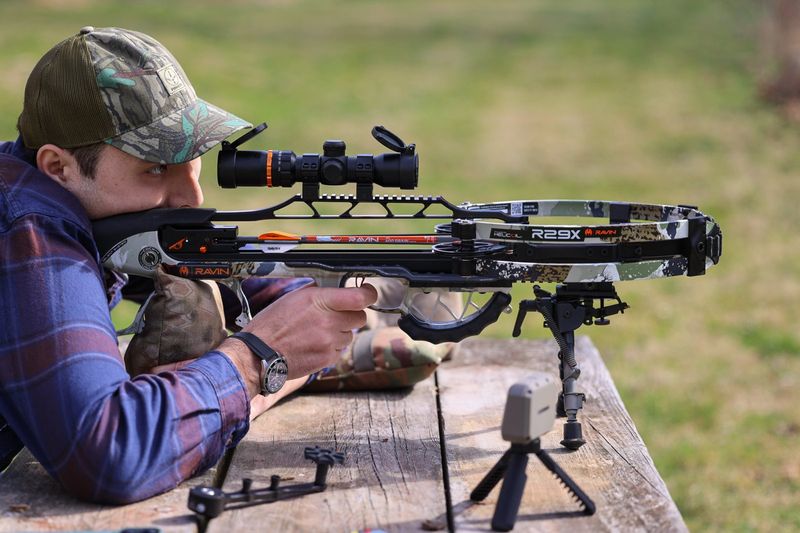
Practice time is where the two tools split hardest. A crossbow you sight in at 20, 30, 40, and 50 yards holds zero for a season. Ten arrows a week keep you sharp. A compound shooter who skips a month of practice will lose form. Plan on 30 to 60 arrows a week minimum during the off-season and 15 to 20 a week during hunting season to keep a compound dialed for an ethical kill at 40 yards.
So Which One Should You Buy?
The crossbow vs compound bow choice usually answers itself once you finish three questions. How much time can you actually spend at the range? Where do you hunt and how mobile do you need to be? Does your state let you carry either weapon into archery season?
Pick the crossbow if you have a physical limitation that makes drawing a 60-pound bow painful, if your hunting time is limited to a few weekends a year, if you hunt from a fixed blind on a low-pressure property, or if you want to put a kid or spouse on game inside a single season. The crossbow rewards the casual hunter and the time-constrained adult more fairly than the compound ever will.
Pick the compound if you can commit to year-round shooting, if you saddle hunt or chase elk on foot, if you want a longer ethical range with practice, or if you simply love the process of becoming a better archer. The compound is the better tool for the hunter who treats archery as a sport, not just a way to fill the freezer. Either choice puts an arrow through a deer at 30 yards in 2026. The honest difference is how much of yourself you have to put into the bow before it starts working for you. Pair the right pick with a real shot placement plan, and the rest is execution.
Watch: A Bowhunter’s Real Take on the Debate
Sources
- Outdoor Life — Crossbow vs Compound Bow: Speed, Accuracy, and Energy — Bow test data including the 0.66-inch accuracy gap and the Mathews Lift 283 fps reading.
- Field & Stream — Best Crossbows of 2026 — TenPoint TRX 515 and Ravin R500 speed benchmarks past 500 fps.
- Realtree — Crossbow or Compound Bow: How Do You Choose? — Hunter-side considerations for state regulations and learning curve.
- Bow International — Complete Guide to Compound Stabilisation — Compound bow stabilizer and balance principles cited in the practice section.
Browse archery bows, arrows, and accessories at the Archery Supplier shop →
Shop on eBay
Compound Bows on eBay →
We may earn a commission when you shop through our eBay links.
